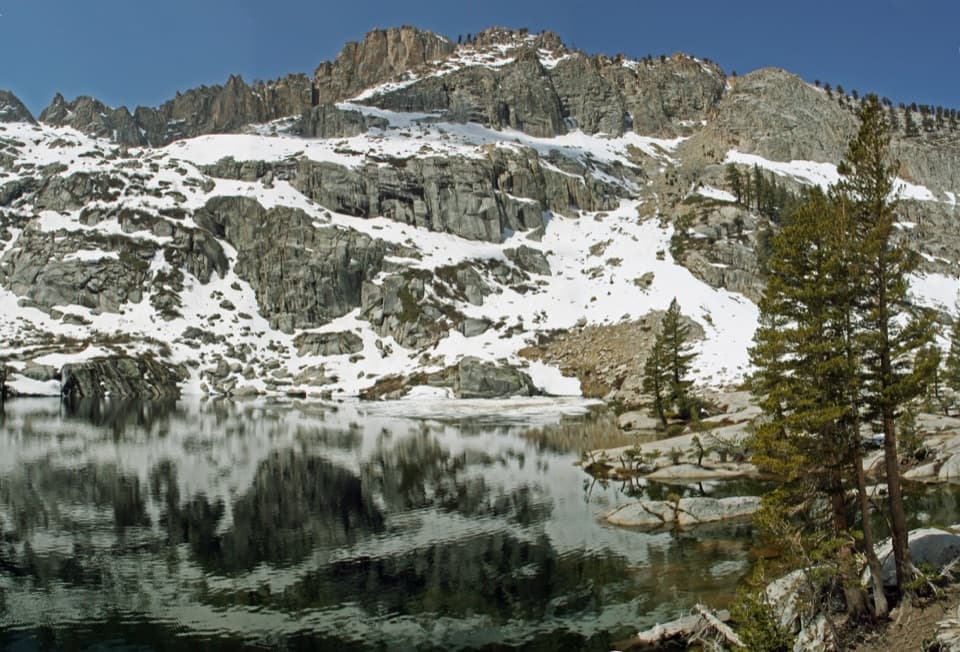
Emerald Lake

Granite-ringed alpine lake worth the climb
Emerald Lake, Sequoia National Park
InsideSequoia National Park

Overview

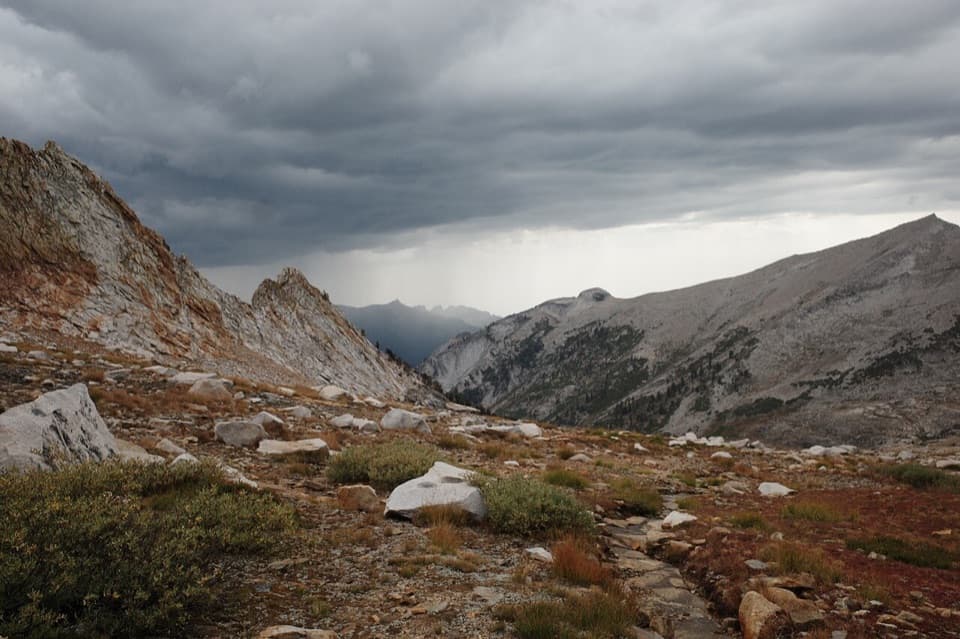
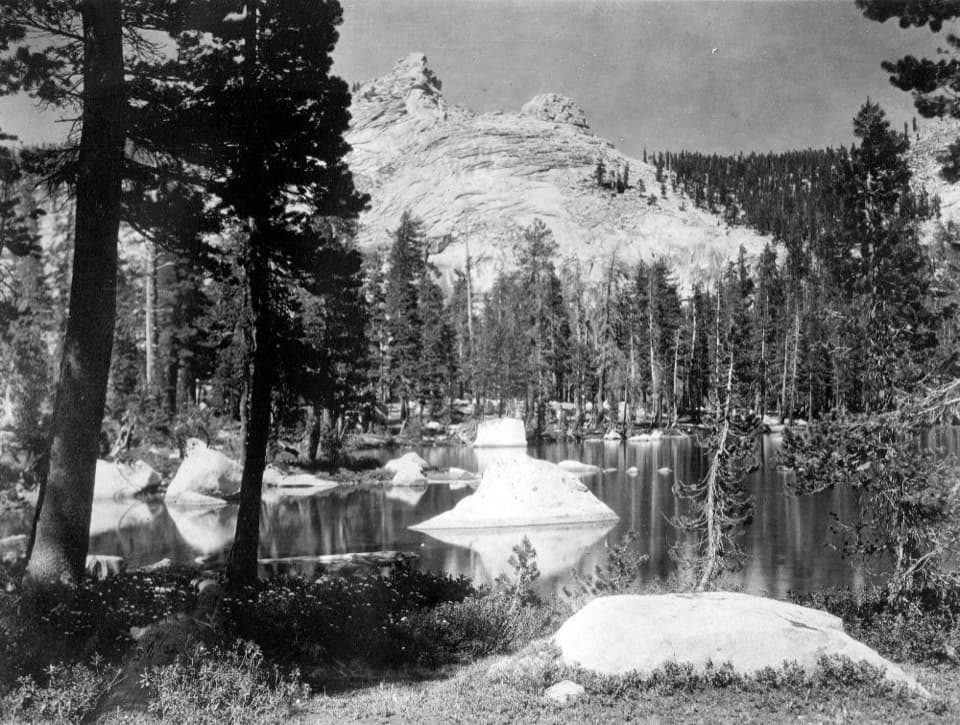
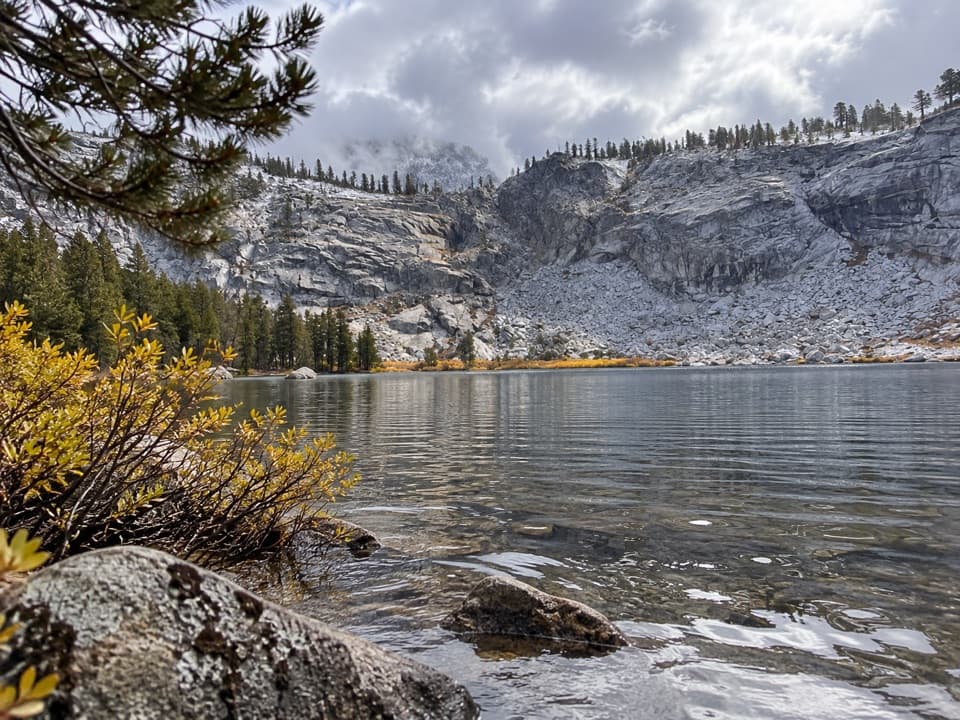
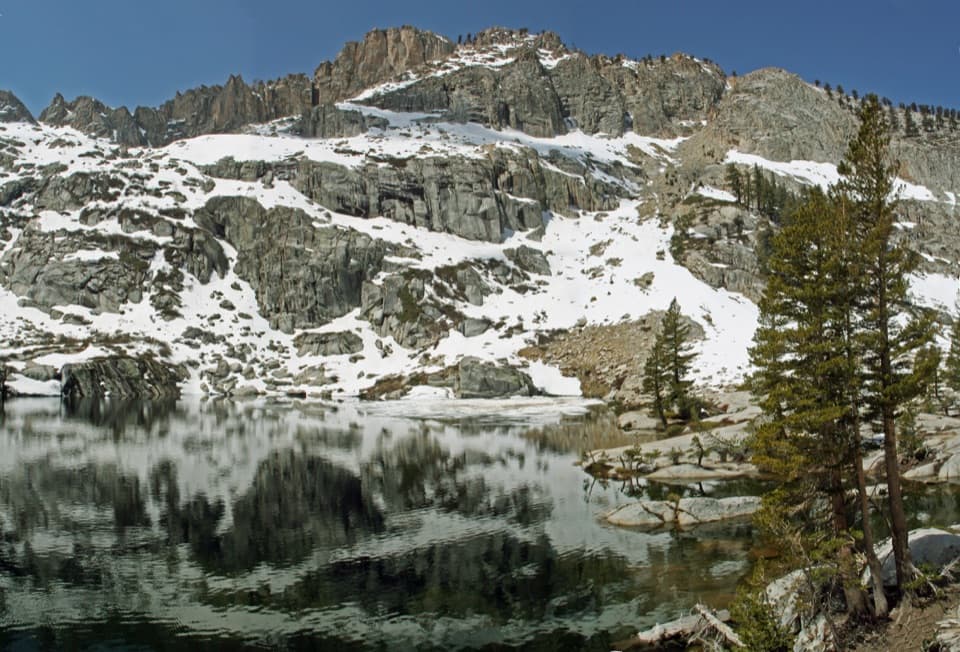
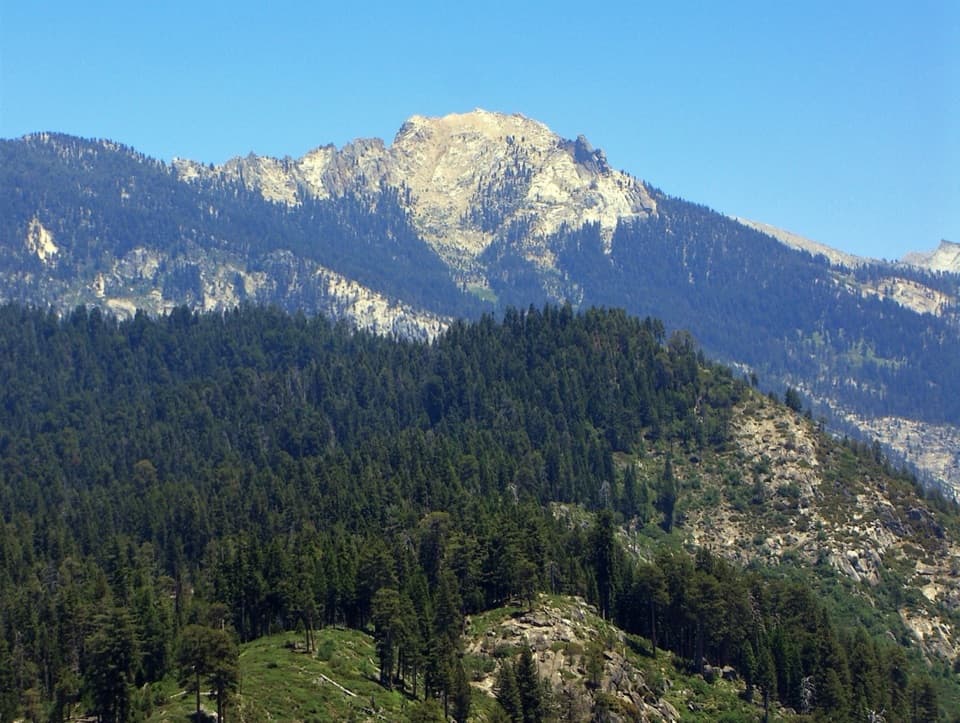
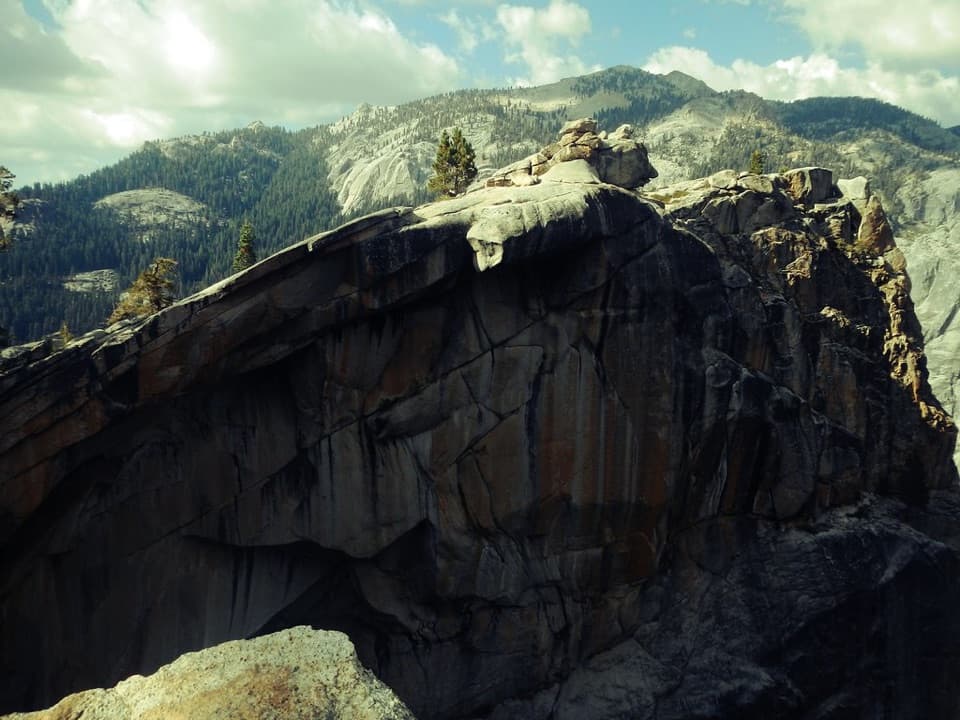
Emerald Lake sits in a glacier-carved bowl beneath granite walls, the centerpiece of the Pear Lakes basin. It’s the payoff for one of the park’s best day hikes: classic Sierra granite, glassy water with a green tint, and big views toward Alta Peak.

The Hike

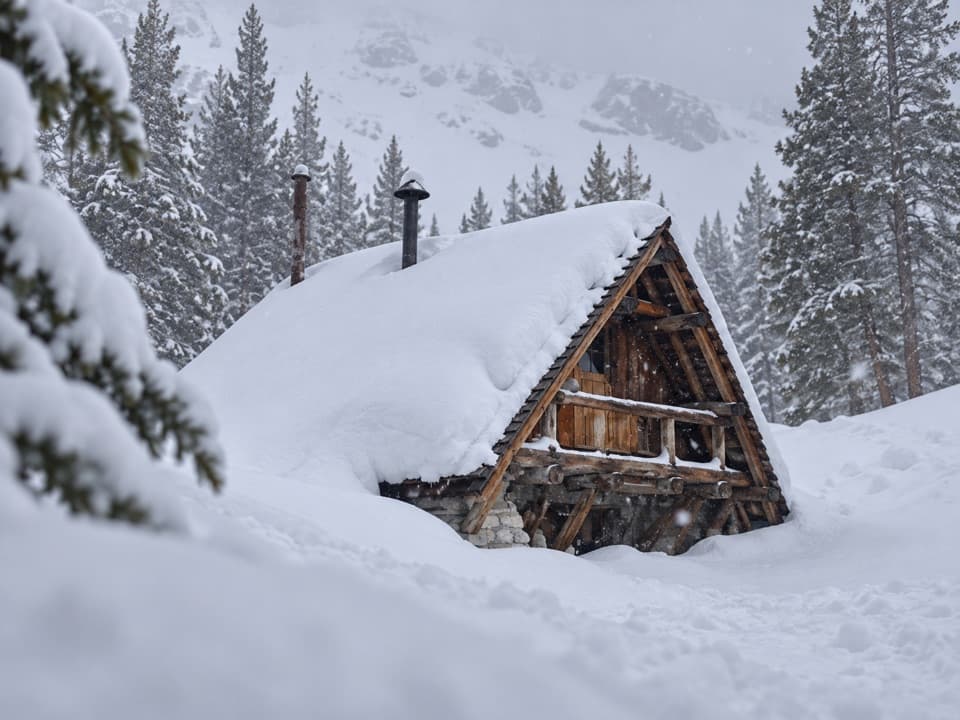
You’ll reach Emerald via the Lakes Trail from the Wolverton/Lakes Trailhead near Lodgepole. Expect roughly 10–11 miles round-trip and more than 2,000 feet of climbing, shifting from mixed-conifer forest to open, polished granite as you pass Heather and Aster Lakes on the way to Emerald. The trail splits: the Watchtower traverse delivers jaw-dropping exposure and panoramic views, while The Hump is a steeper, more sheltered alternative. In winter or when snow/ice lingers, the park typically closes the Watchtower—use The Hump instead.

What Makes It Special

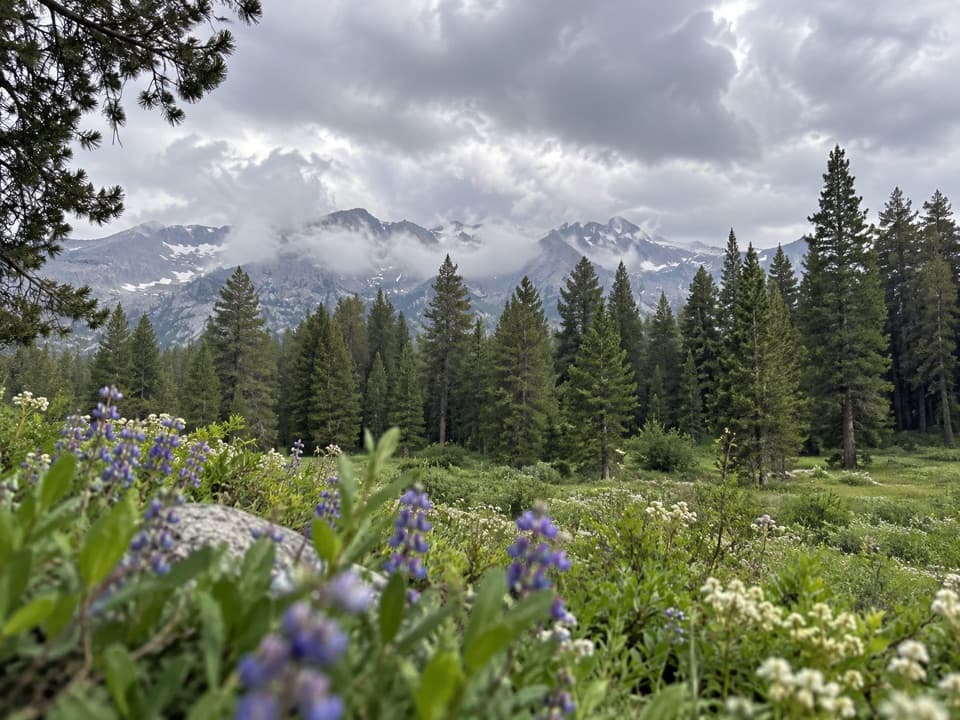
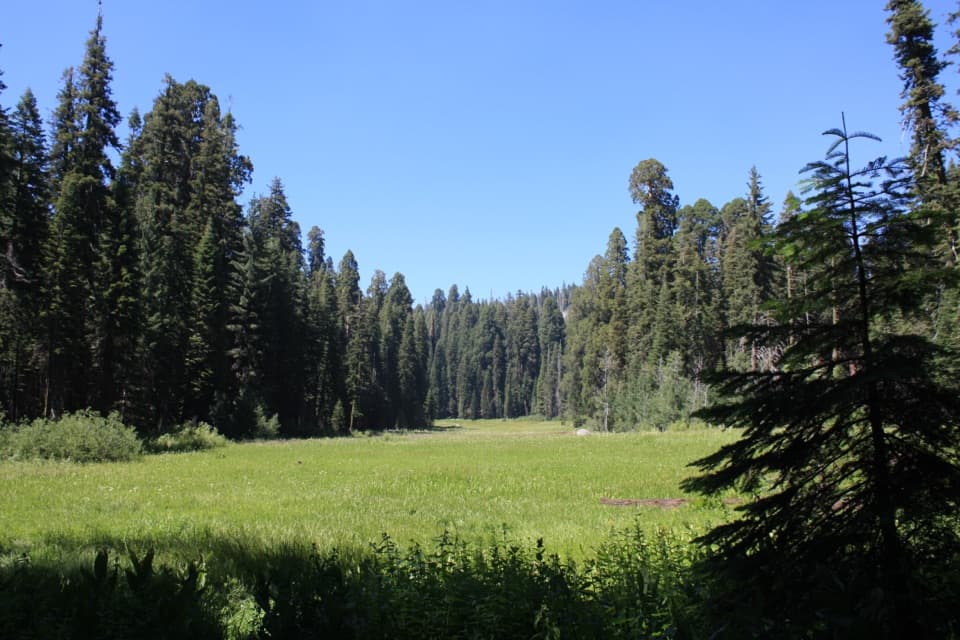
This is quintessential Sierra scenery: glacier-sculpted slabs, cirque walls, and a string of alpine lakes. In summer, wildflowers dot meadows and marmots lounge on talus. On a warm day, hardy hikers take an icy dip—short, sharp, and memorable.

Camping & Amenities

Overnight camping is allowed at Emerald and Pear Lakes (Heather and Aster are day-use only). Emerald’s camping area has bear-proof food storage lockers and a wilderness pit toilet. There’s no potable water; filter from the lake or inlet/outlet streams. Wilderness permits are required for backpacking and can be competitive in quota season.

Wildlife & Fishing

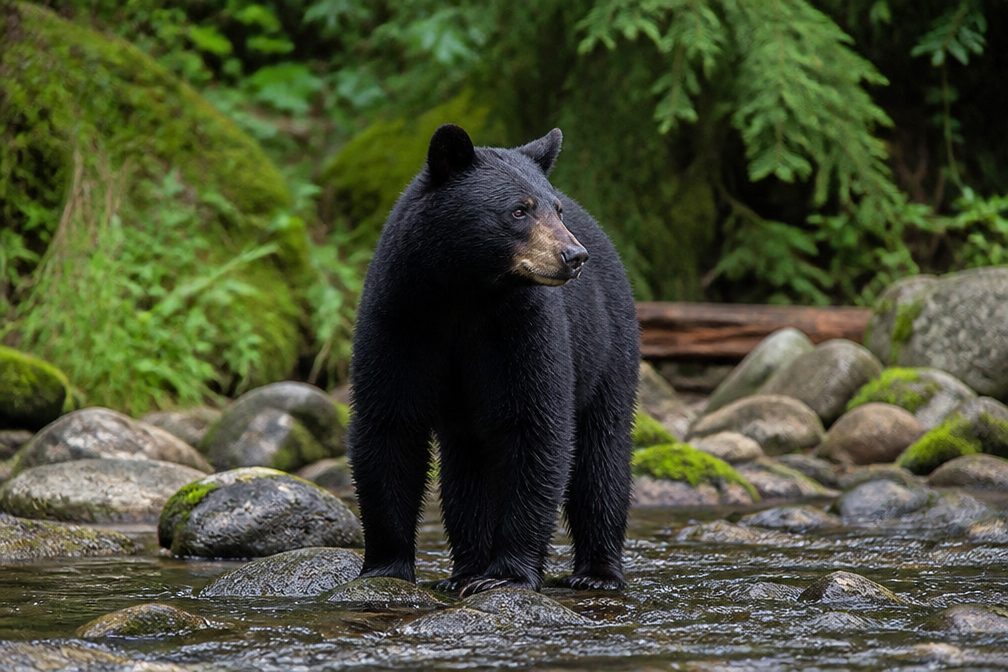
Marmots and mule deer are commonly seen, and black bears are present. Use food lockers and keep a clean camp. Some visitors fish these lakes—check current park and state regulations before casting.

Logistics & Seasonal Notes

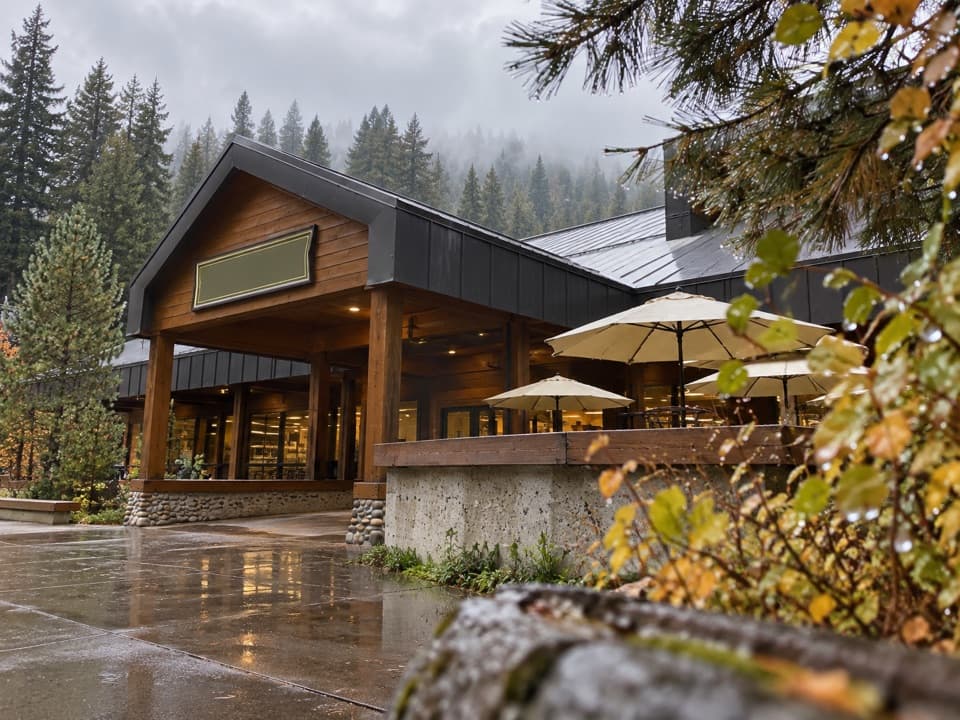
  • Parking and restrooms are at the Wolverton/Lakes Trailhead; summer parking fills early, and free park shuttles typically run in peak season.
  • Snow and ice can linger well into spring; roads or trail sections may close, and tire chains may be required during winter conditions.
  • Mosquitoes can be heavy early to mid-summer around meadows and shorelines—come prepared.

Best Time to Visit

Late spring through early fall offers the most reliable access and unfrozen lakes. For lighter crowds and cooler temps, start at sunrise and aim for weekdays. Photographers get flattering light on the granite in the morning; afternoons can bring harsh light and the chance of pop-up storms.

Pros

  • Spectacular granite cirque scenery on a classic high-alpine route
  • Designated wilderness campsites with bear boxes and a pit toilet
  • Two route options: airy Watchtower views or the safer Hump

Cons

  • Strenuous 10–11 mile round trip with significant elevation gain
  • Watchtower section has exposure and often closes when icy

Tips

  • Start at sunrise to snag parking and beat afternoon heat and storms.
  • Choose the Watchtower for views only when ice-free; take The Hump if snowy or if you dislike exposure.
  • Bring a water filter and carry plenty—there’s no potable water on the trail.
  • Pack insect repellent and a light layer; mosquitoes can be intense in early–mid summer.
  • Overnight spots at Emerald and Pear are limited; secure a wilderness permit early.
The Parkwolf tour guide sitting on a phone mounted in a car

Parkwolf Tour Guide

Like a tour guide in your car.

Save the places you found around Sequoia, then let Parkwolf guide the drive between them.Download Parkwolf on the App Store