Overview
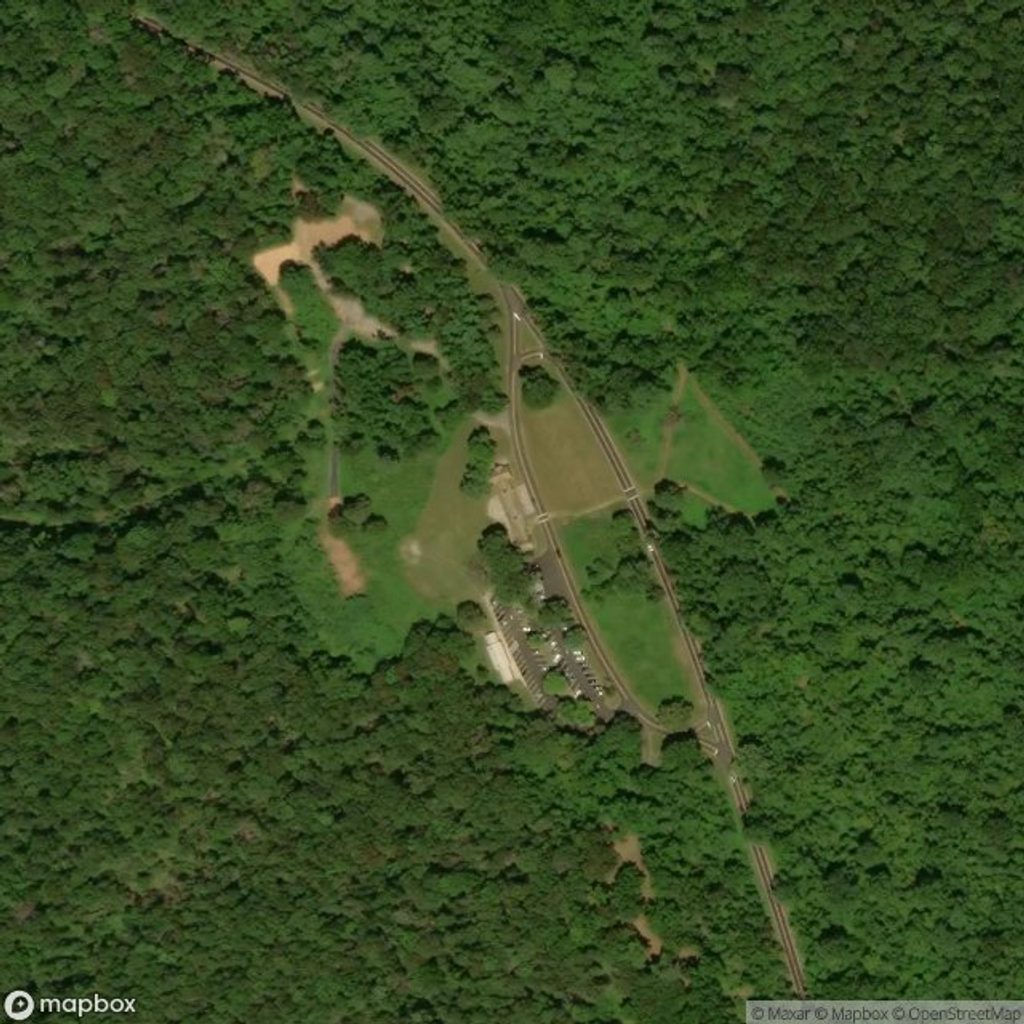
This is the park’s northern gateway at Skyline Drive mile 0, right by Front Royal. If you’re coming from the D.C. area, this is the easiest on-ramp to Shenandoah’s North District and the start of the 105-mile Skyline Drive. It’s a practical stop, not a scenic overlook—think fee booth and go—but the views kick in almost immediately once you’re rolling south.
Why start here
- You’re minutes from supplies, dining, and lodging in Front Royal.
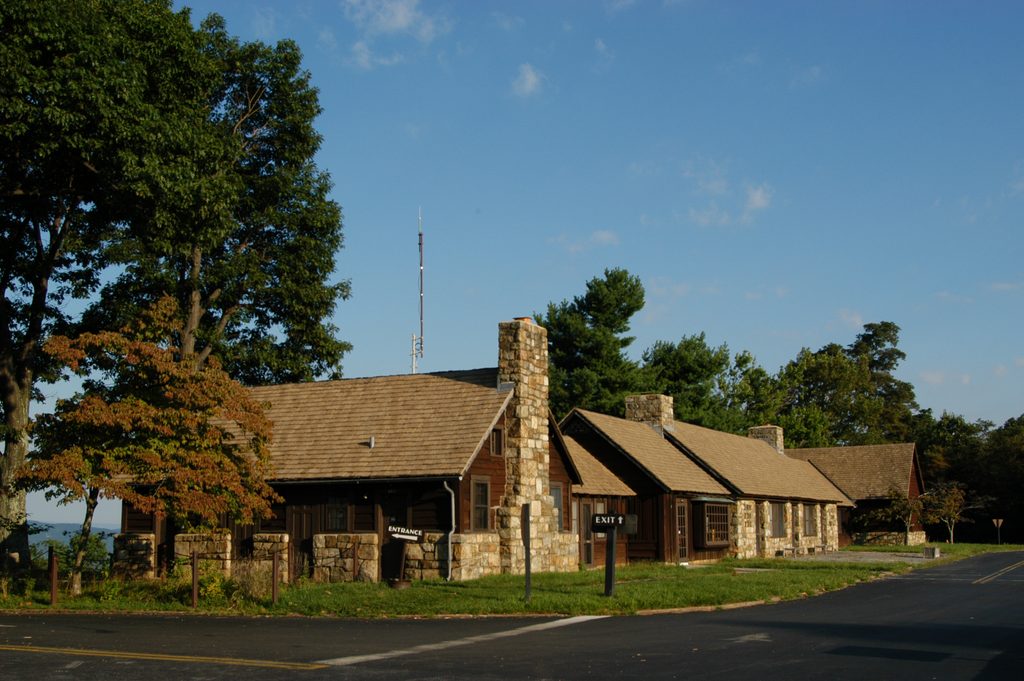
- Dickey Ridge Visitor Center sits just inside the gate, with exhibits, a park film, maps, a ranger desk, and a solid bookstore—ideal for planning your day before you get deep into the park.
What you’ll see first
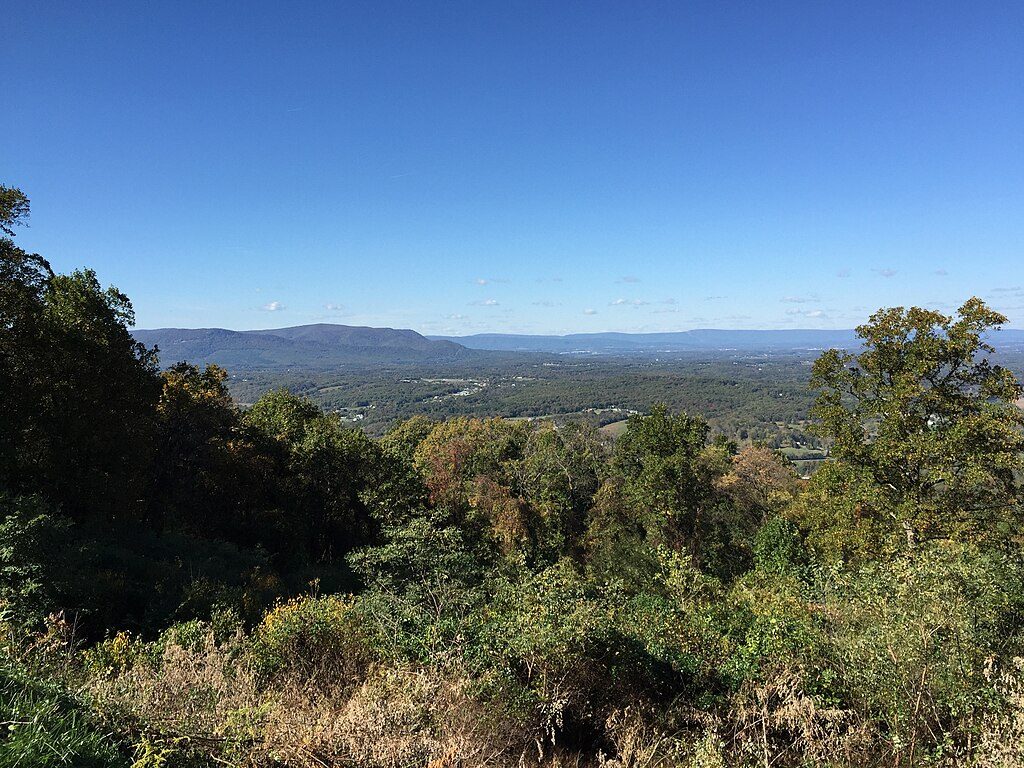
Within the first stretch are classic overlooks of the Shenandoah Valley and Blue Ridge as Skyline Drive climbs Dickey Ridge. Early stops (like Signal Knob Overlook) give quick payoffs without long drives.
Wildlife
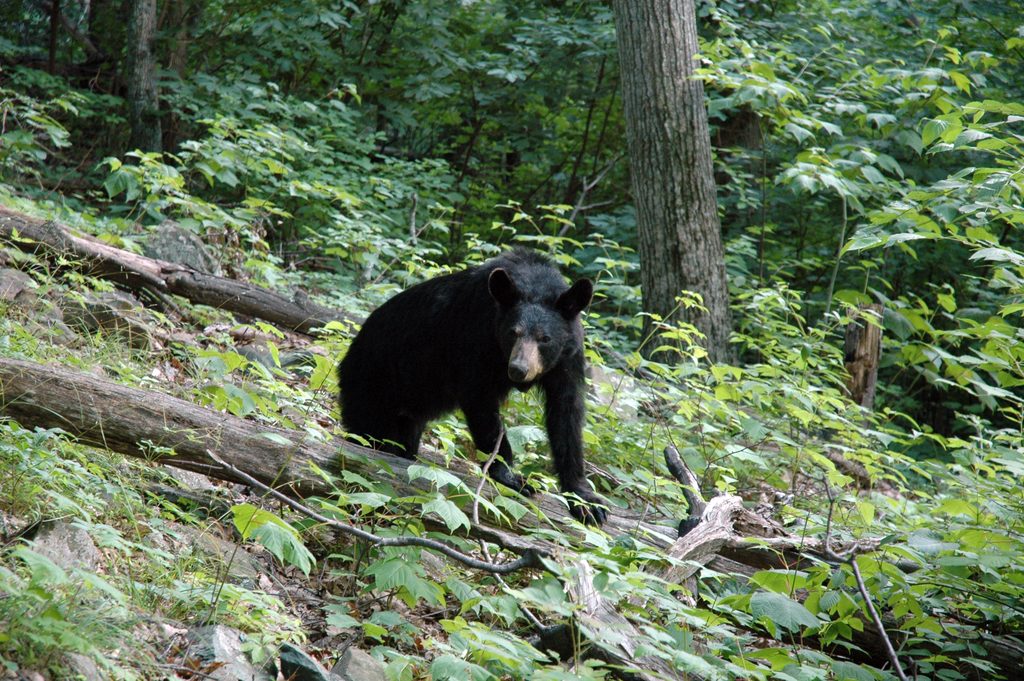
The North District is reliable for white‑tailed deer and wild turkeys along the roadside. Black bears are occasionally spotted—keep distance and never feed wildlife. Bring binoculars if you like watching raptors cruising ridge thermals.
Practicalities
- Standard park entrance fee is collected here.
- Services at the gate are minimal; plan food, fuel, and water in Front Royal before entering. Inside the park, facilities are spaced out.
- Skyline Drive’s speed limit is 35 mph, and it’s slow going by design—budget extra time for stops and occasional wildlife traffic jams.
Tips for a smoother visit
- Navigate by Skyline Drive mile markers; most overlooks and trailheads are keyed to them.
- Make Dickey Ridge Visitor Center your first stop for current conditions and recommendations.
- Expect heavier crowds on weekends and during peak fall color; arriving early helps.
Best time to visit
- Weekdays and early mornings are your best bet to skip entrance backups.
- Spring wildflowers and late-October foliage are stellar but busy—earlier in the day is better for parking and photos.
- For photographers, morning light favors valley views soon after you enter as ridges catch the first sun.