
Place · 0 mi away
Challenging
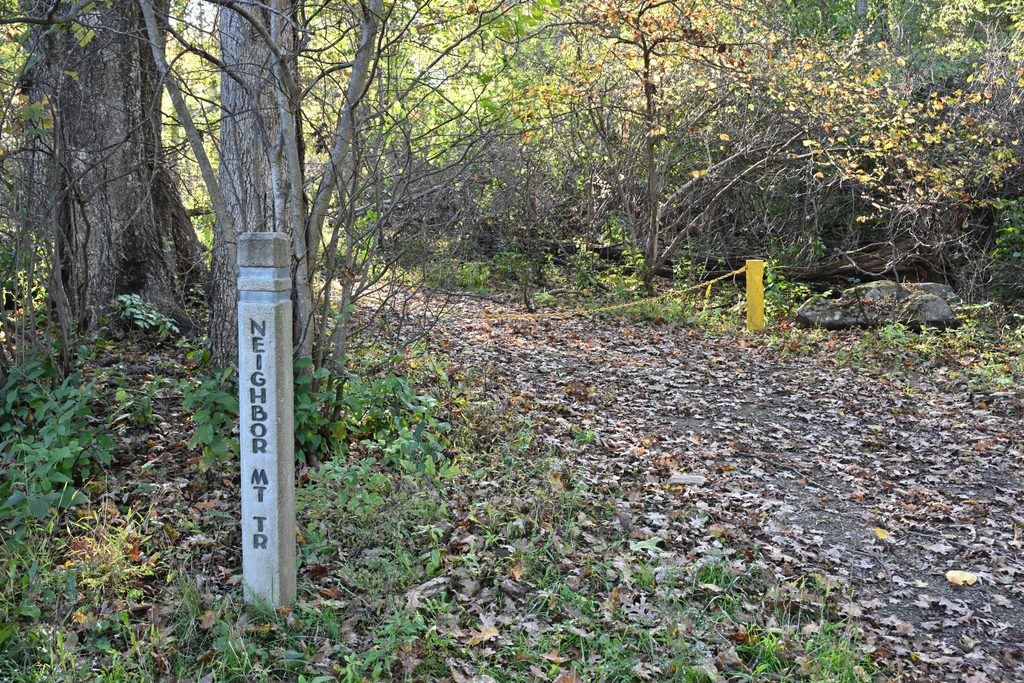
Neighbor Mountain is the quieter side of Shenandoah—woodsy ridge walking with peek‑a‑boo valley views and a real wilderness vibe. Most hikers experience it as the Neighbor Mountain–Jeremy’s Run Loop, a long, rewarding day that mixes airy ridgeline travel with a lush stream valley. Expect intermittent viewpoints on the ridge, not nonstop vistas.
Length and route options: The classic loop runs 14.1–14.7 miles total and typically takes 8–10 hours. The Neighbor Mountain Trail itself is roughly 4.6 miles one way off the Appalachian Trail, so you can sample the ridge as an out‑and‑back if you don’t want the full loop. Loop hikers descend to Jeremy’s Run, where the character flips to mossy banks, cascades, and a lot of rock‑hopping.
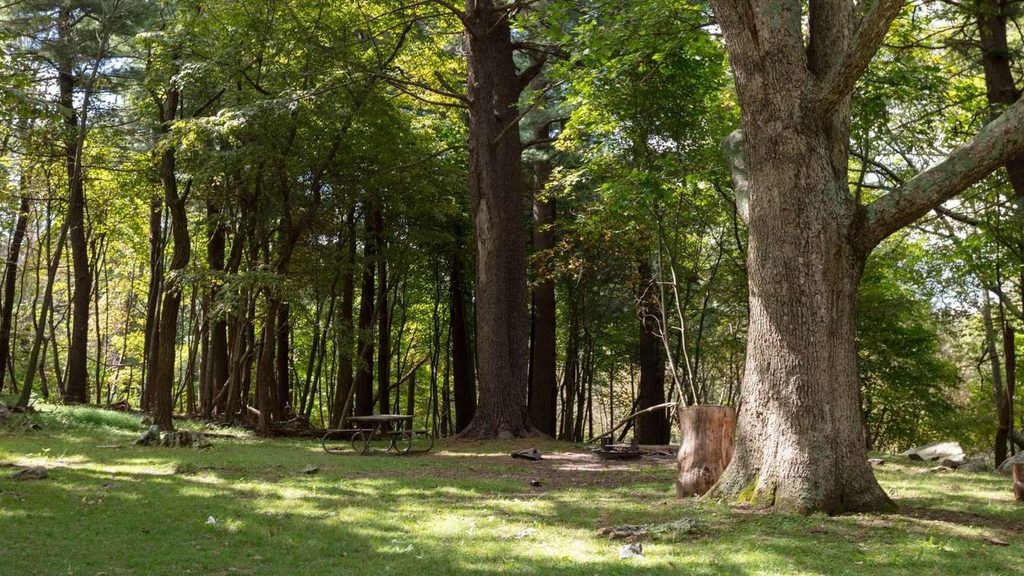
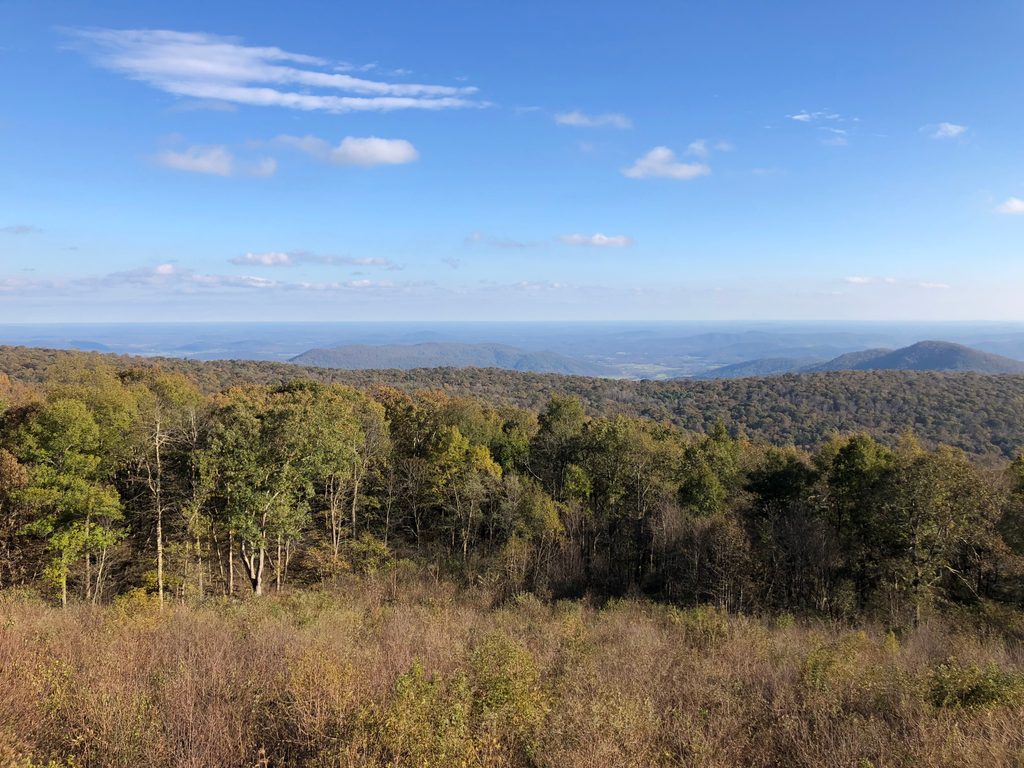
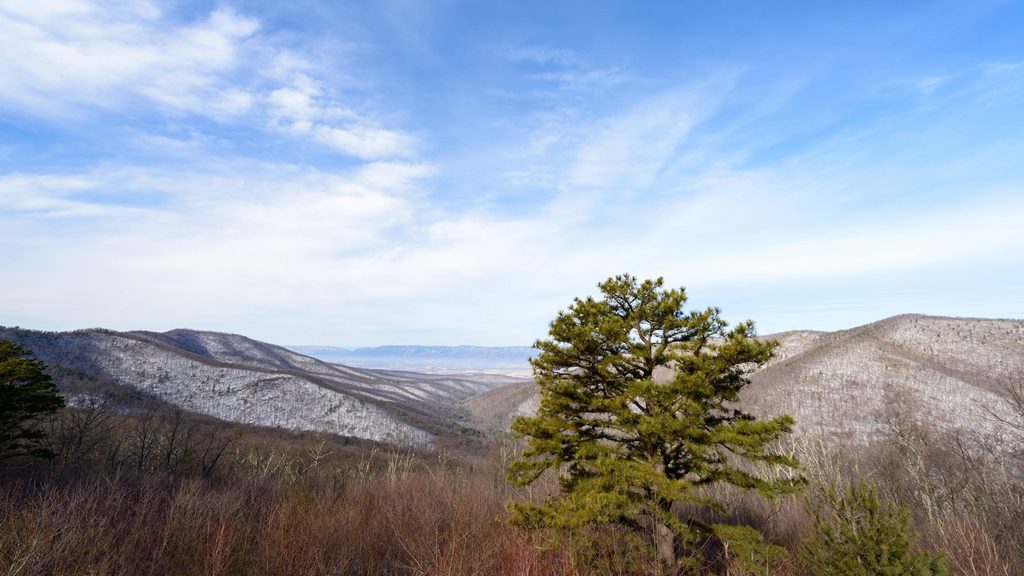
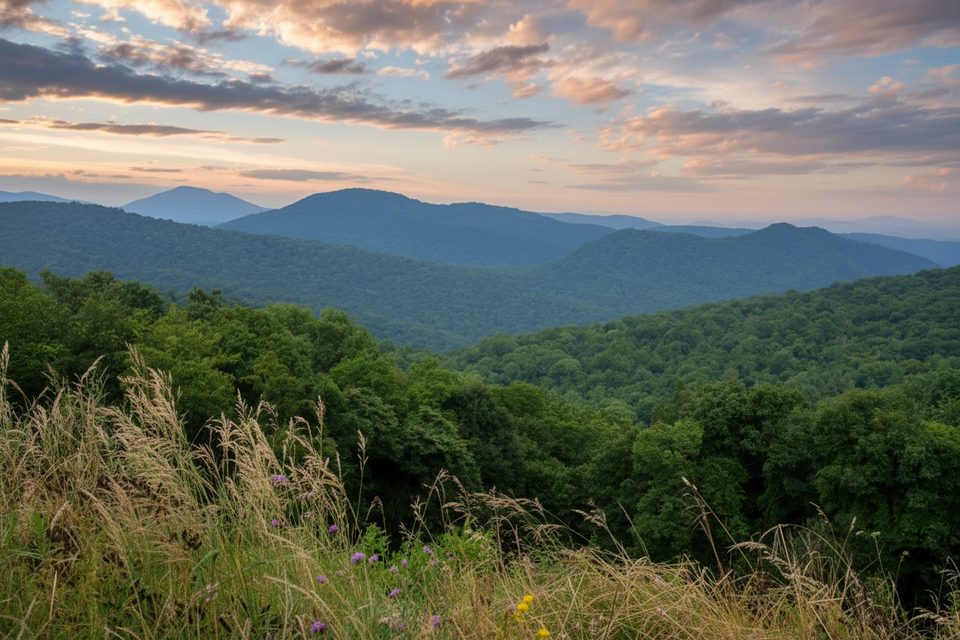
Scenery and feel: The ridge passes through classic mid‑Atlantic hardwood forest—oak, hickory, mountain laurel, with ferns and wildflowers in season. Views open west toward the Shenandoah Valley at occasional outcrops, especially when leaves are down. Down in Jeremy’s Run, the sound of water takes over; you’ll encounter clear pools, small cascades, and a photogenic little waterfall. Solitude is a standout here compared to the park’s busier central district.
What to know: Jeremy’s Run typically has many crossings—often cited as 14—and they can be tricky after rain or in spring runoff. Waterproof boots and trekking poles help a lot. Water is scarce on the ridge; reliable sources are along Jeremy’s Run (and an AT spring just south of the junction), so carry enough between refills. The tread is natural—dirt, rocks, and roots—with some uneven, rocky footing along the ridge.
Wildlife and natural notes: This is good country for white‑tailed deer, songbirds, and the occasional black bear. The stream supports native brook trout. Geology fans will notice ancient granitic and meta‑volcanic bedrock along the ridge, with scattered rocky outcrops underfoot.
Best time to hike: Spring brings flowers and lively water but tougher crossings. Summer is shaded and green with lower (but still numerous) fords. Fall delivers the best color and clearer views. Winter offers the most open vistas—just come prepared for cold, wind, and possible ice on the ridge.
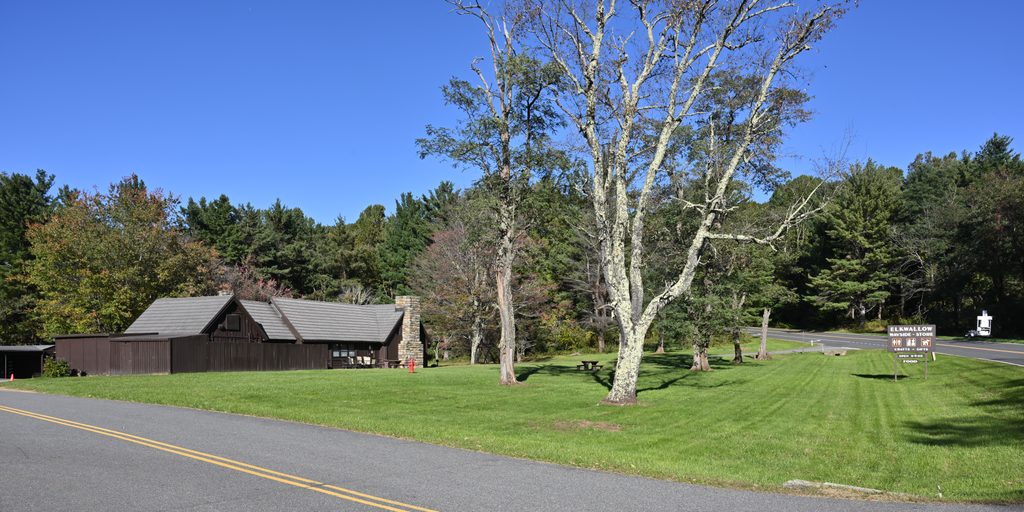
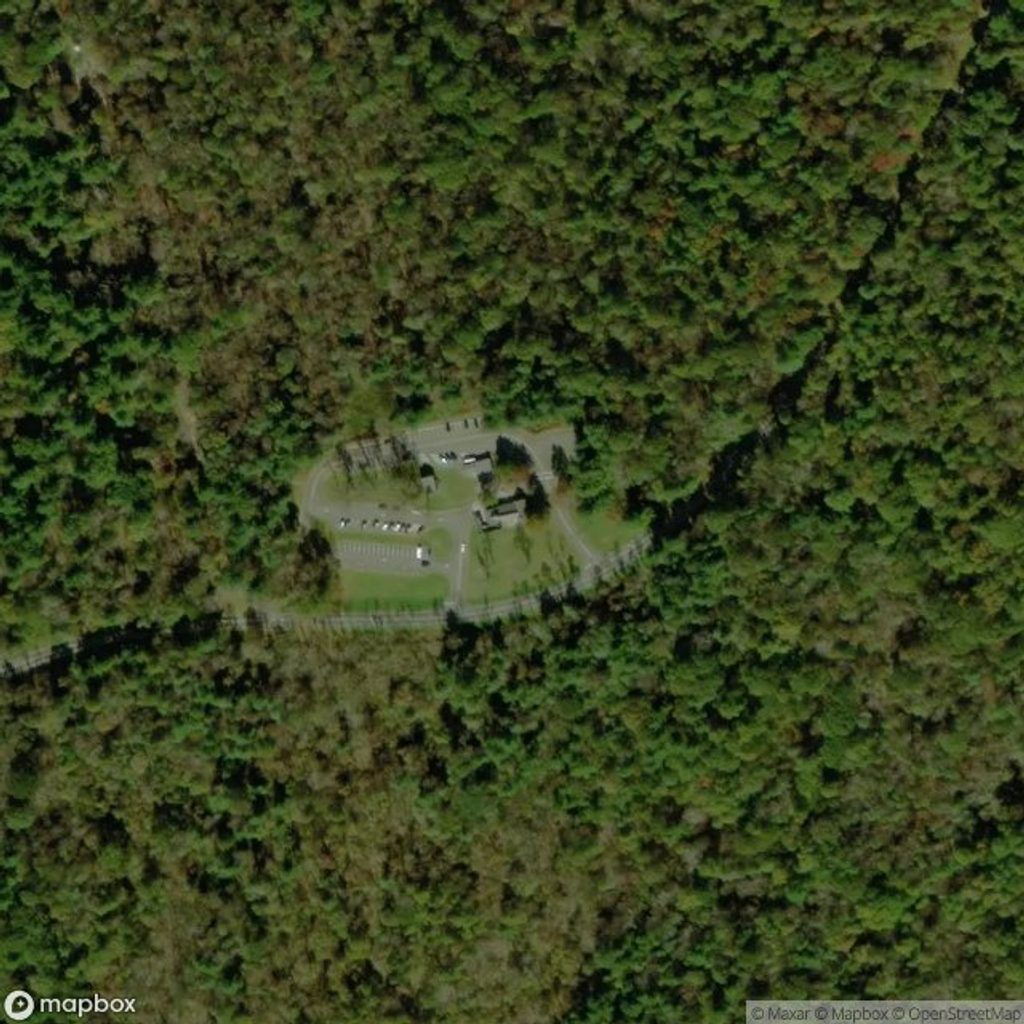
Getting started and logistics: Park at the Elkwallow Picnic Area off Skyline Drive (near milepost 24). The loop is well marked, but it’s long—bring a good map or GPS and give yourself enough daylight. Day hiking requires no permit; if you plan to camp, a free backcountry permit is required.
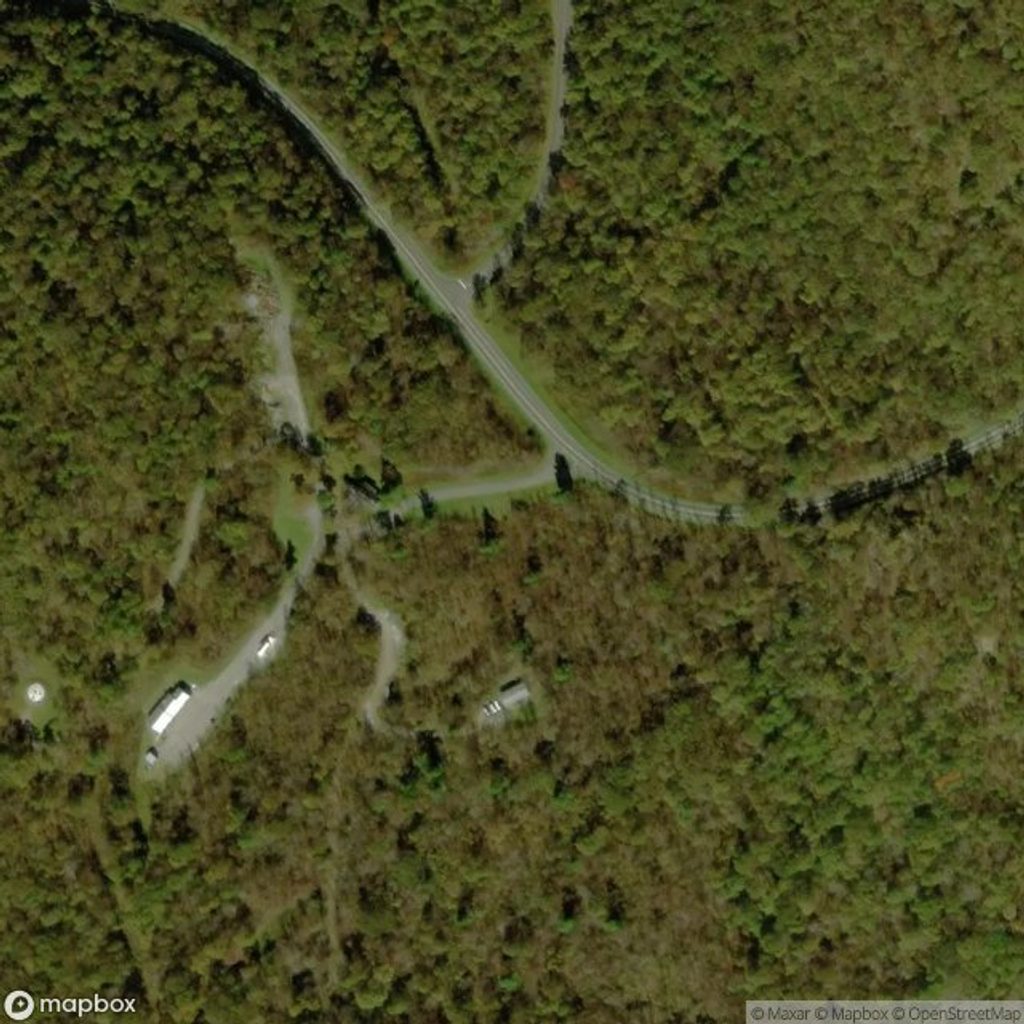
Elkwallow Picnic Area off Skyline Drive (near milepost 24); park in the picnic area lot.
Expect up to 14 stream crossings on Jeremy’s Run; they can be knee- to waist-deep after rain or in spring. Limited water on the ridge. Winter ice possible. Bears are present—give them space and store food properly.
Place · 0 mi away
Place · 0.2 mi away
Place · 1.5 mi away
Place · 1.8 mi away
Moderate · 0.2 mi away
Challenging · 0.2 mi away
Moderate · 1.1 mi away
Moderate · 1.3 mi away

Parkwolf Tour Guide
