
Place · 0 mi away
Easy
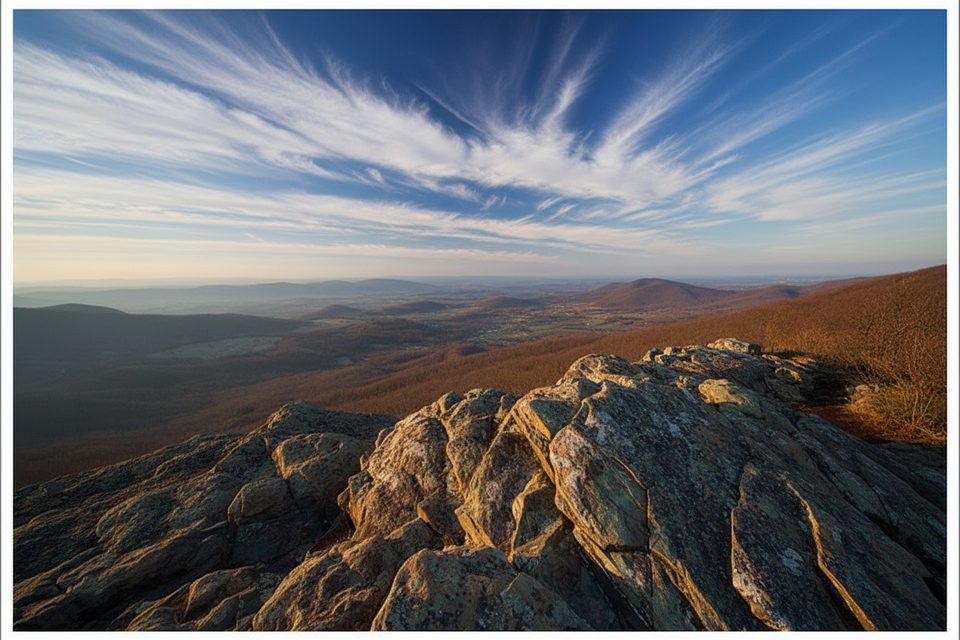
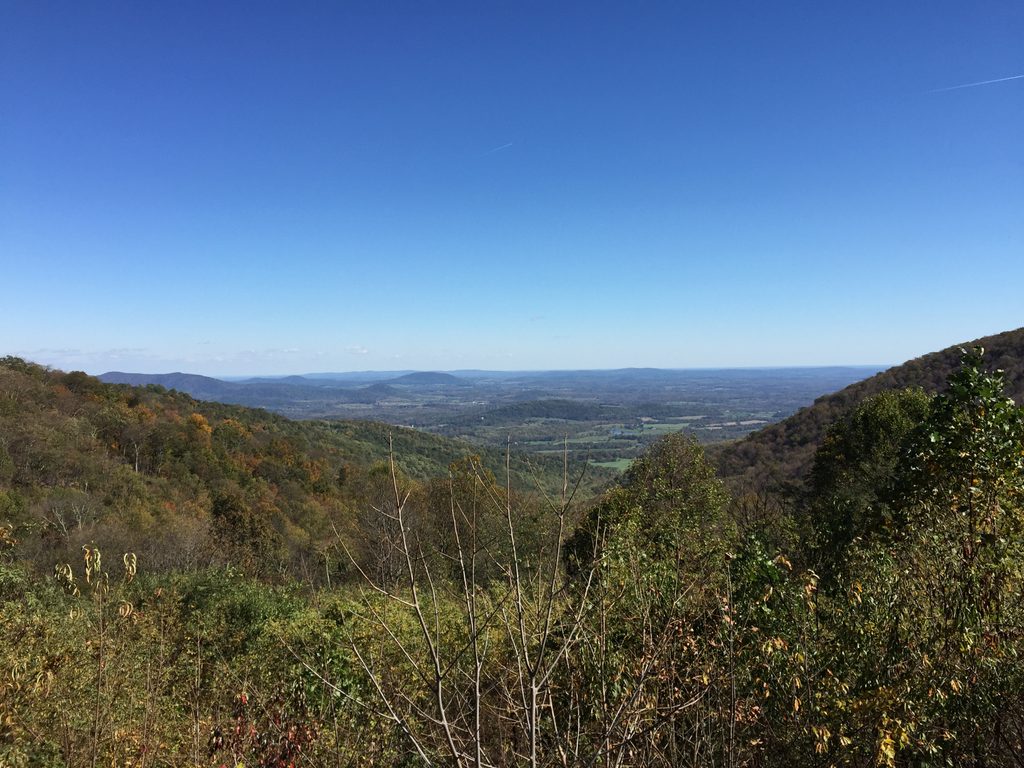
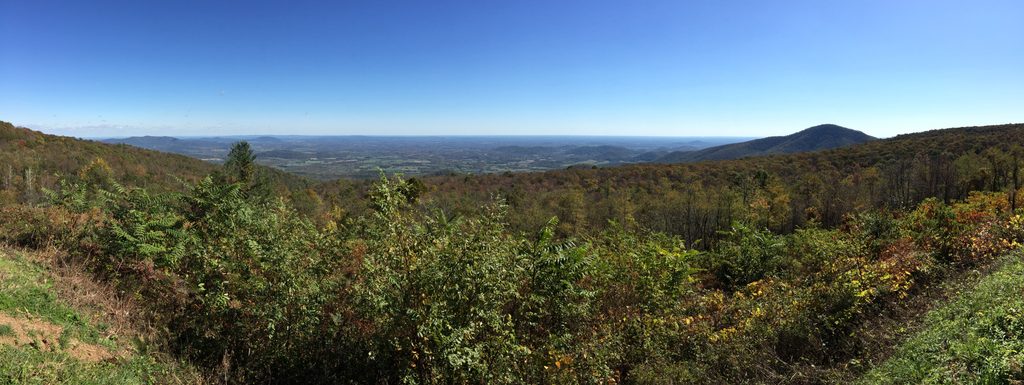
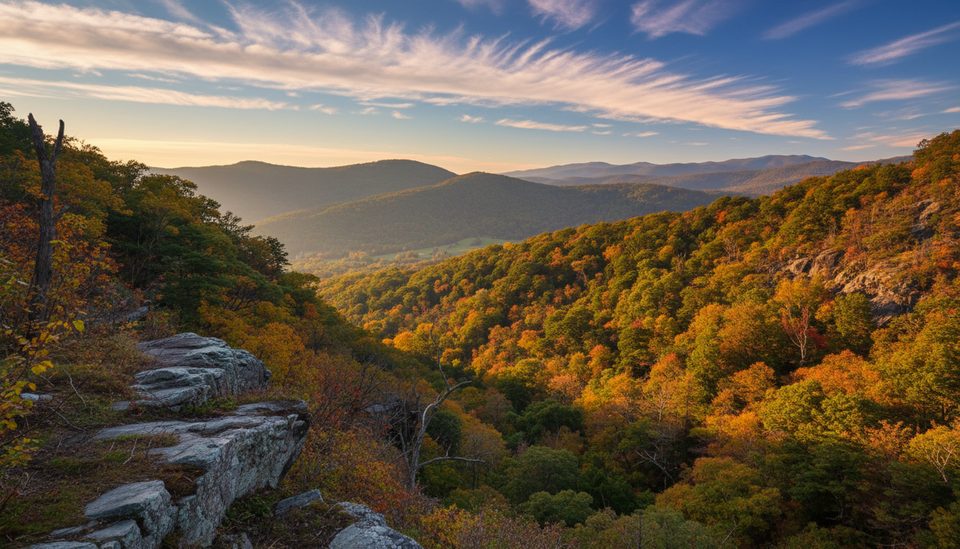
If you want Shenandoah views without a sufferfest, this one delivers. The South Marshall ridgeline serves up multiple west-facing overlooks with a mellow grade and classic Appalachian forest vibe. From Jenkins Gap, follow the white-blazed Appalachian Trail south; the first big viewpoint arrives in under a mile. Keep going along rocky ledges and hardwoods to tag South Marshall and continue to the prominent North Marshall overlook, then retrace your steps.
The hike is about 4.5 miles total (out-and-back) with roughly 900 feet of elevation gain. Most of that gain is gentle; expect just a brief steeper push near North Marshall. The trail tread is well maintained and easy to follow—just stick to the white blazes—though short side scrambles to overlooks can be uneven and slick when wet.
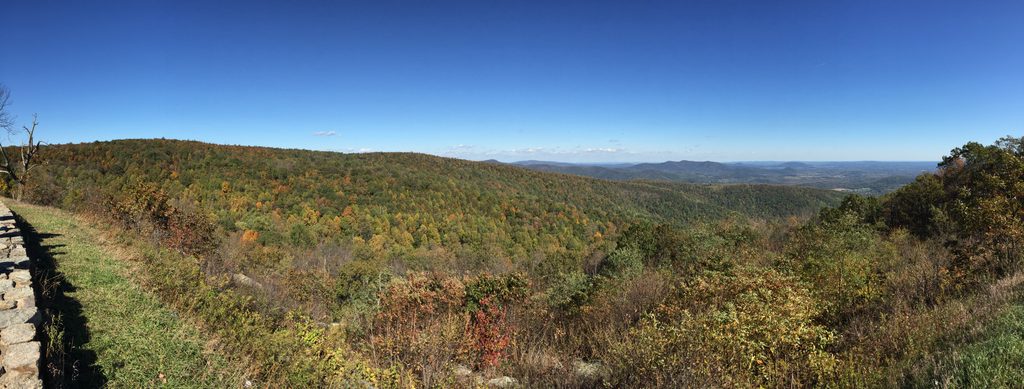
Scenery is the star: broad Shenandoah Valley panoramas from rocky perches, seasonal wildflowers in spring, and fiery foliage in fall. Those photogenic ledges are part of the park’s volcanic Catoctin Formation, a signature of the Blue Ridge. Wildlife tends to be low-key here—occasional deer and soaring birds—so bring binoculars if birdwatching is your thing.
Best time to hike: spring and fall for bloom and color; summer offers deep shade and cooler ridgeline temps; winter rewards with crystal-clear views but can be cold and windy. Start early for soft light and quieter overlooks—this North District stretch is typically less crowded than the park’s central hotspots.
Tips: there are no streams or taps on this segment—carry all your water. Wear sturdy shoes for the rocky viewpoints, especially after rain or in winter. Families and newer hikers will appreciate the easy navigation and frequent viewpoints. If you’re after a far longer day, there are bigger Marshall-area circuits, but this out-and-back concentrates the views without the mileage.
A bit of context: the Marshall peaks honor John Marshall, the fourth Chief Justice of the United States—this ridge was once known as Bluff Mountain.
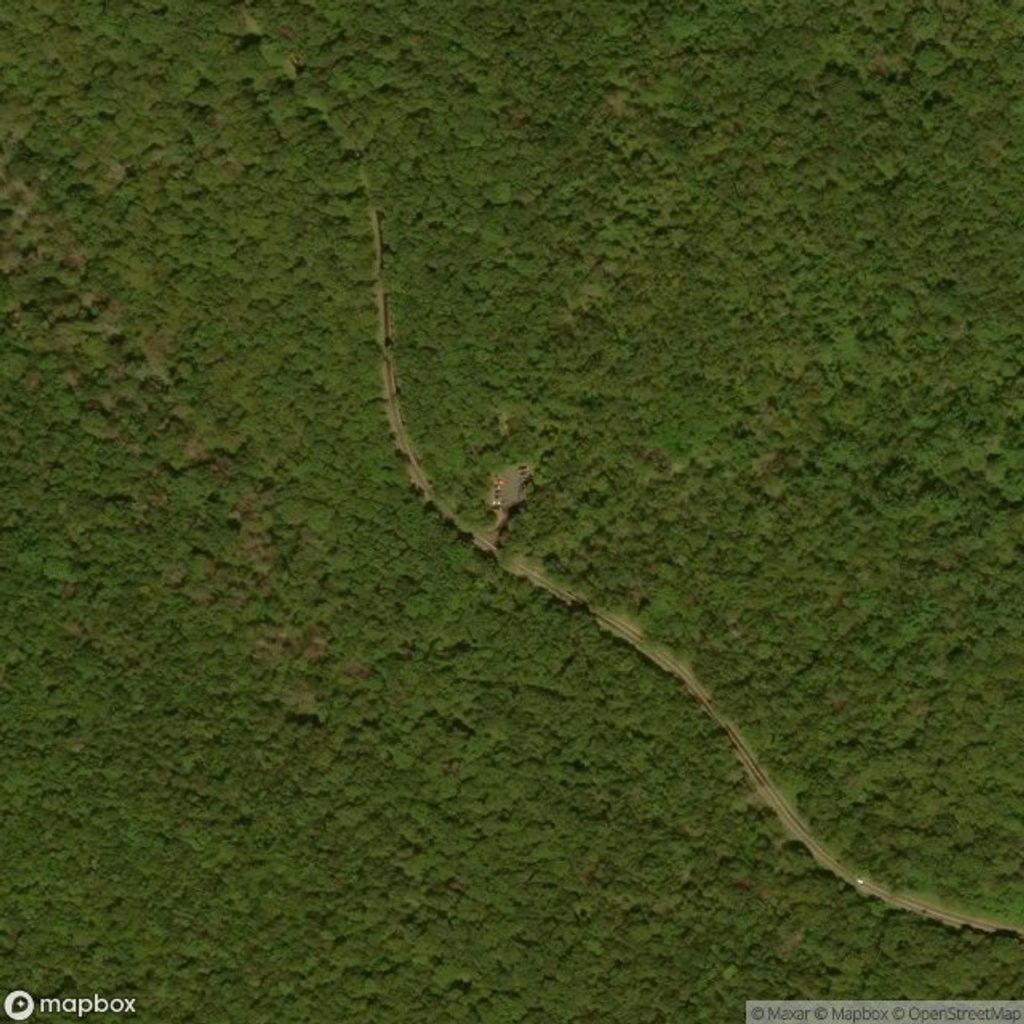
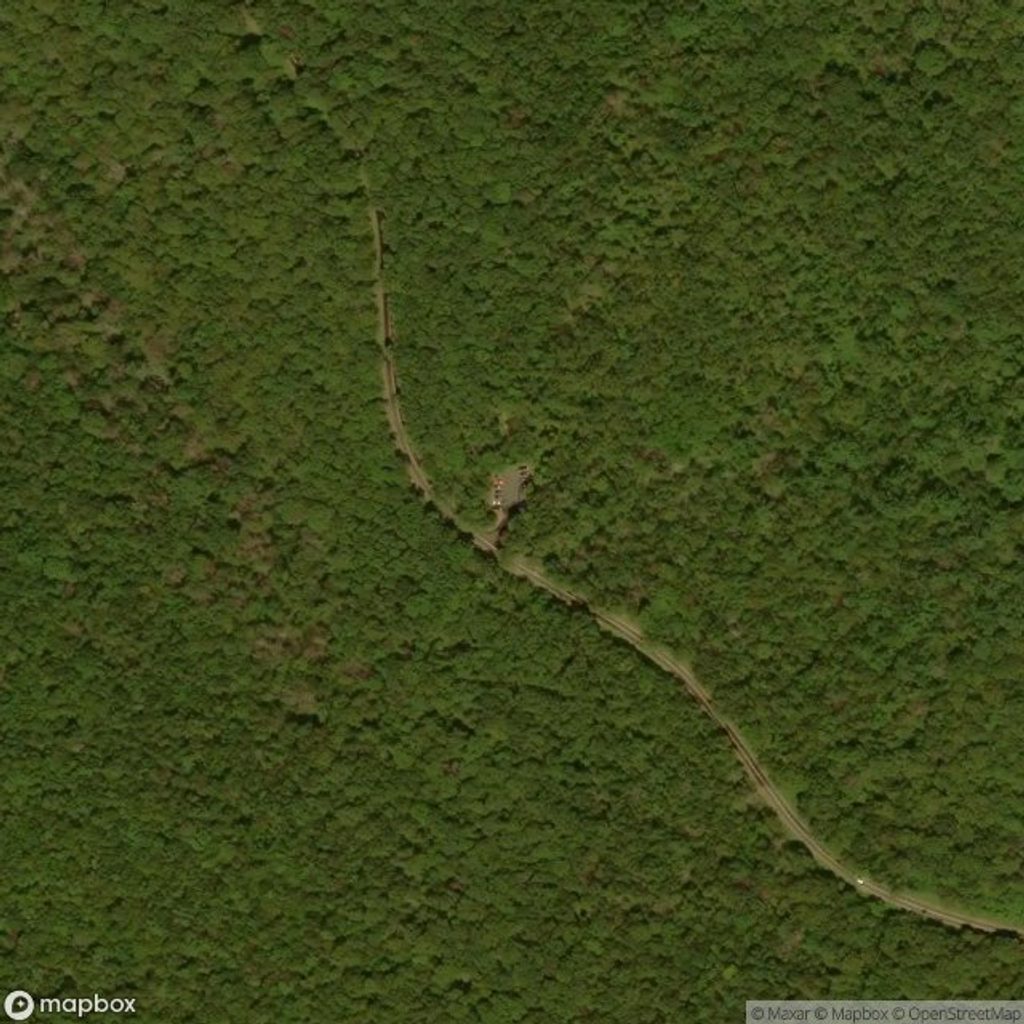
Park at Jenkins Gap on Skyline Drive; the Appalachian Trail crosses here for direct access.
Rocky overlook ledges can be slick when wet or icy; use care on short side scrambles off the main trail. No water on route—carry all you need.
Place · 0 mi away
Place · 1 mi away
Place · 1.4 mi away
Place · 1.6 mi away
Moderate · 1.4 mi away
Easy · 1.4 mi away
Easy · 2 mi away
Moderate · 3.9 mi away

Parkwolf Tour Guide
