
Place · 0.1 mi away
Easy
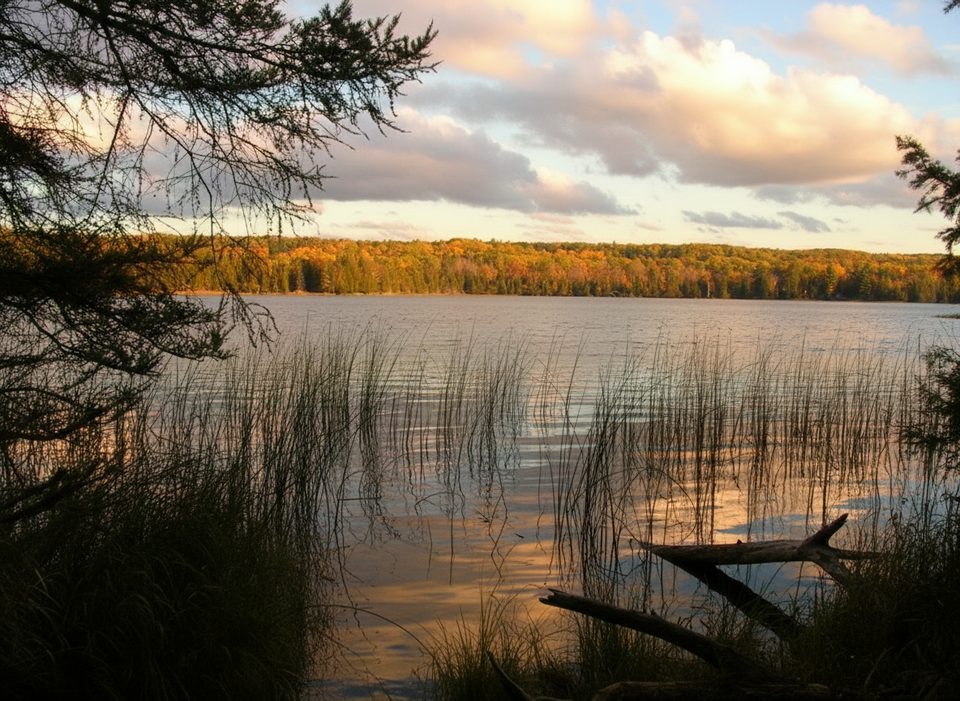
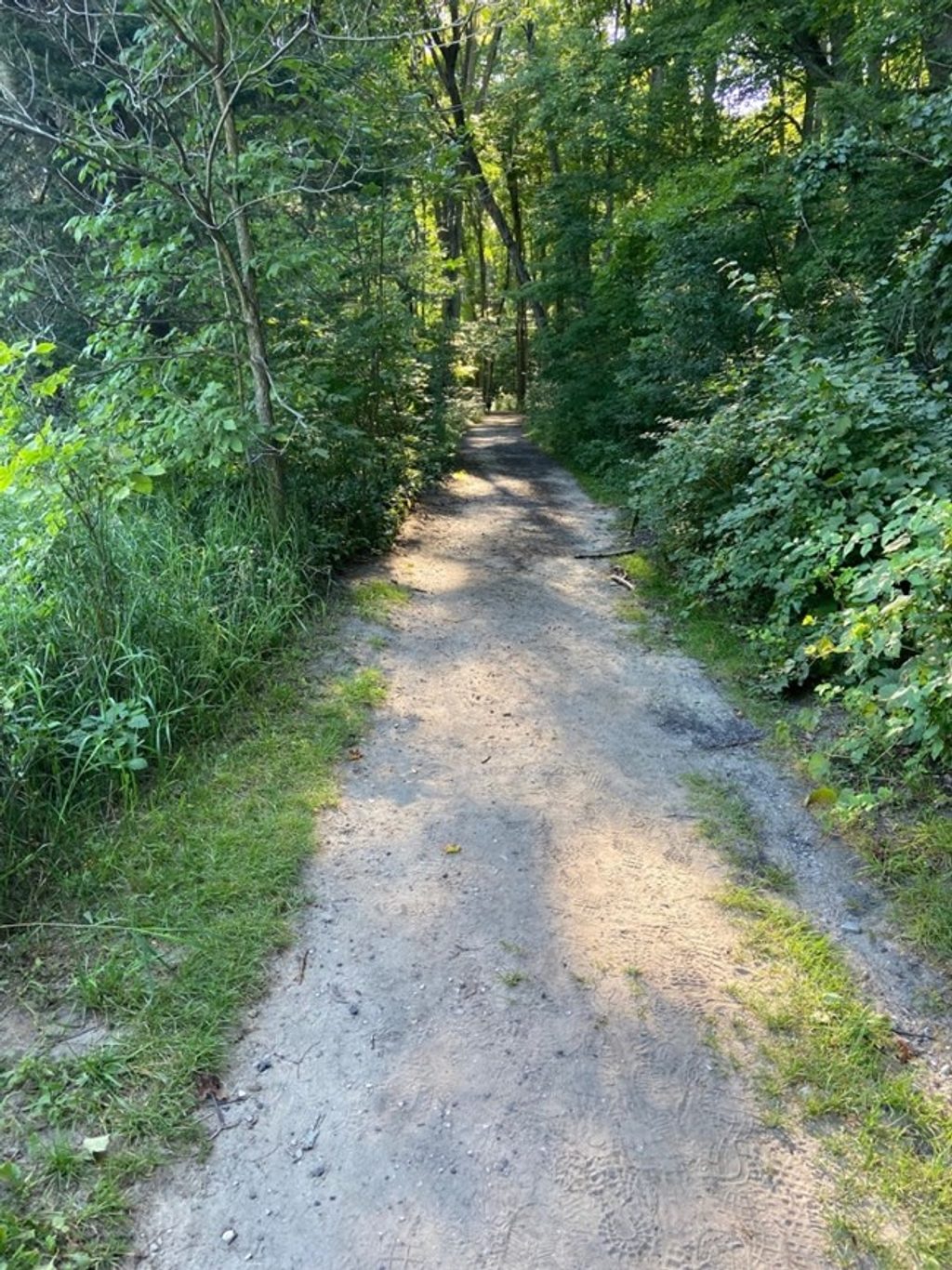
This mellow 4.6-mile loop winds through the Platte Plains network near the mouth of Otter Creek. Expect a soft, pine‑needle tread under a canopy of pine, oak, and aspen, with open meadows dotted by seasonal wildflowers and tranquil stretches along both Otter Creek and Otter Lake. It’s an easy, mostly flat circuit that trades big vistas for peace and variety—forest, water, and a dash of park history.
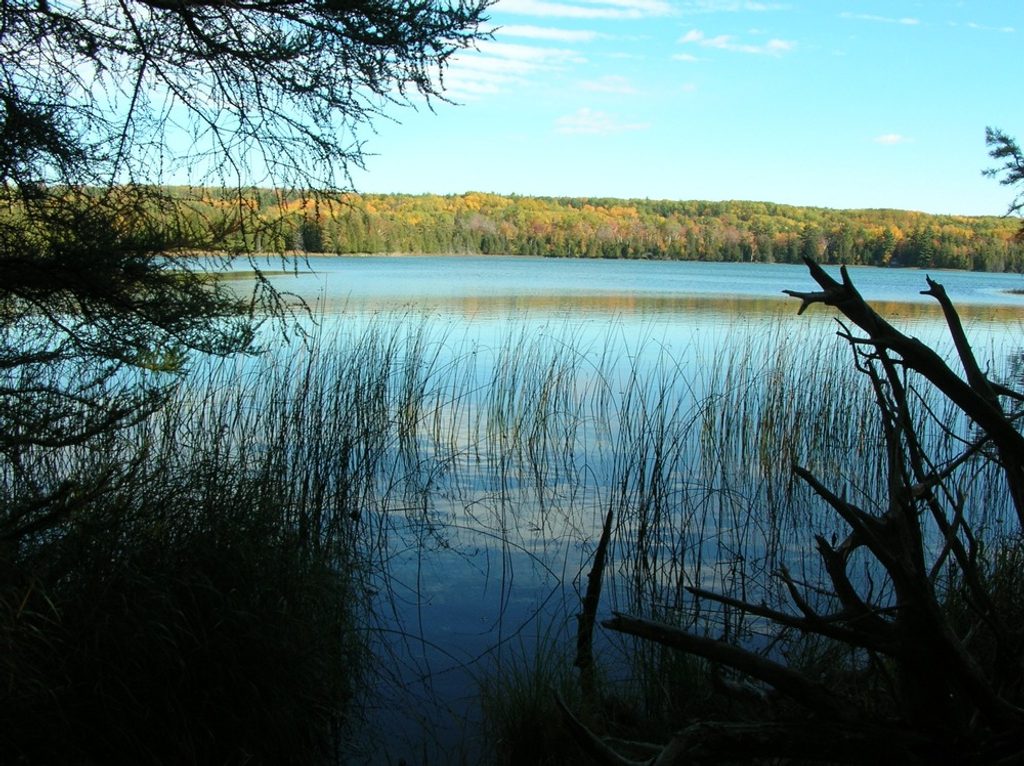
The path glides over ancient, now-forested dune ridges—relics from past high-water stands of the Great Lakes—before skirting creekside sections and lake margins. Keep your eyes out for white‑tailed deer, waterfowl cruising the quiet coves, and beaver sign along the creek. In summer, butterflies work the meadow edges, and much of the loop stays pleasantly shaded.
It’s well-marked overall, but a few intersections can be under-signed, so carry a map and pay attention at junctions. The tread is natural: dirt, pine needles, and occasional sandy patches. If you want more mileage, the loop links easily to the Bass Lake Loop and the broader Platte Plains network; there’s even a common 5.7‑mile variation that briefly uses short segments of Bass Lake Loop with seasonal two‑tracks for added variety.
Most hikers start from Esch Road: from M‑22, head west nearly to Lake Michigan, park on the wide shoulder, then walk south on the unpaved road to the trailhead. An alternate access is from Trails End Road, which also connects into the loop. There are no facilities on the loop itself—pack water and snacks.
Spring through fall is prime: wildflowers, lush woods, and wildlife activity make this a gentle, rewarding wander. In winter, the route doubles as a cross‑country ski and snowshoe area; note that pets are not allowed from December 1 to March 31 to protect winter wildlife and ski tracks. Year-round, bicycles are not permitted on these trails.
This loop shines when you want serenity without a slog, and it’s often quieter than the park’s famous dune climbs. Downsides? Bugs and ticks can be active in warm months—long pants and repellent help—and a few unsigned junctions can surprise the unprepared. If you’re craving big-lake sand-dune drama, pair your hike with nearby Esch Beach for a quick Lake Michigan cool‑down at the creek mouth. A park entry pass is required ($20/vehicle for 7 days; $40 annual at the lakeshore).
Aim for spring and fall for cool temps and active wildlife, or early/late summer days for softer light, fewer people, and friendlier photography along the water. Midday can feel flat light-wise and warmer, but the shade helps. Winter offers quiet skiing and snowshoeing—just leave the pup at home until April.
Esch Road trailhead: from M‑22, drive west nearly to Lake Michigan, park on the wide shoulder, then walk south on the unpaved road to the trailhead. Alternate access from Trails End Road.
Some junctions lack signage—carry a map. Expect ticks and summer mosquitos. No bikes. Pets allowed on-leash except Dec 1–Mar 31; plan winter visits accordingly.
Place · 0.1 mi away
Place · 1.7 mi away
Place · 1.9 mi away
Place · 2 mi away
Easy · 0 mi away
Easy · 1.8 mi away
Moderate · 2.3 mi away
Moderate · 4.8 mi away

Parkwolf Tour Guide
