
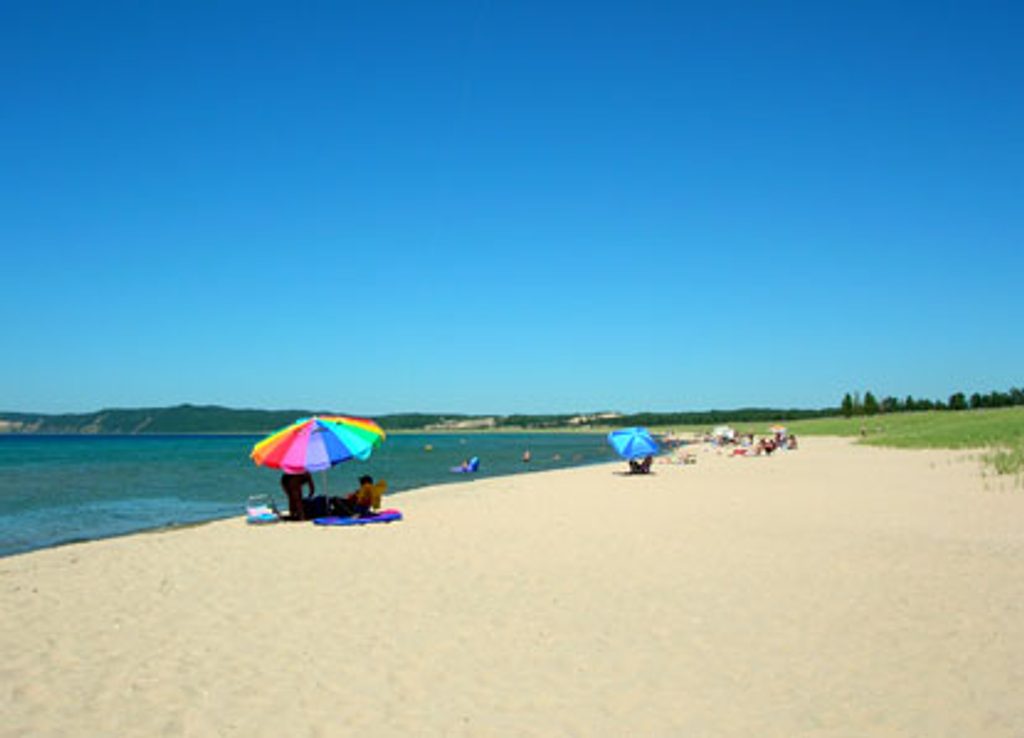
Place · 1.6 mi away
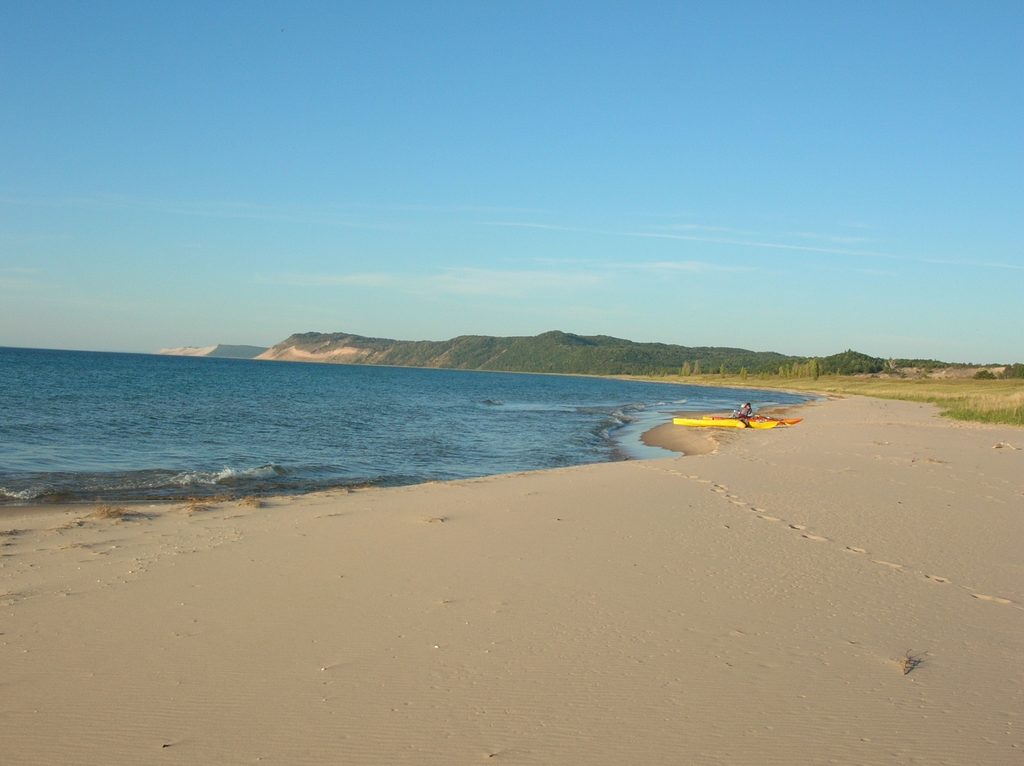
White Pine Backcountry Camp is a primitive, hike-in campground tucked inside the designated Wilderness in the park’s southern district. It’s reached via the Platte Plains trail system—about a 2-mile walk from the Trail’s End Road trailhead. With only about seven sites and minimal development, it delivers the solitude people hope for when they say “backcountry.”
Expect quiet pine forest, sandy stretches of trail, and an easy side trip to a broad Lake Michigan beach. The vibe is low-key and wild: night skies, wind in the pines, and the kind of stillness that’s getting harder to find.
This is a true pack-in spot: there’s a pit toilet, shared animal‑resistant food lockers, and shared fire rings. That’s it. There’s no potable water, no picnic tables, and no trash service—plan to carry in water (or treatment) and carry everything out. The small site count keeps things peaceful but also means permits go quickly.
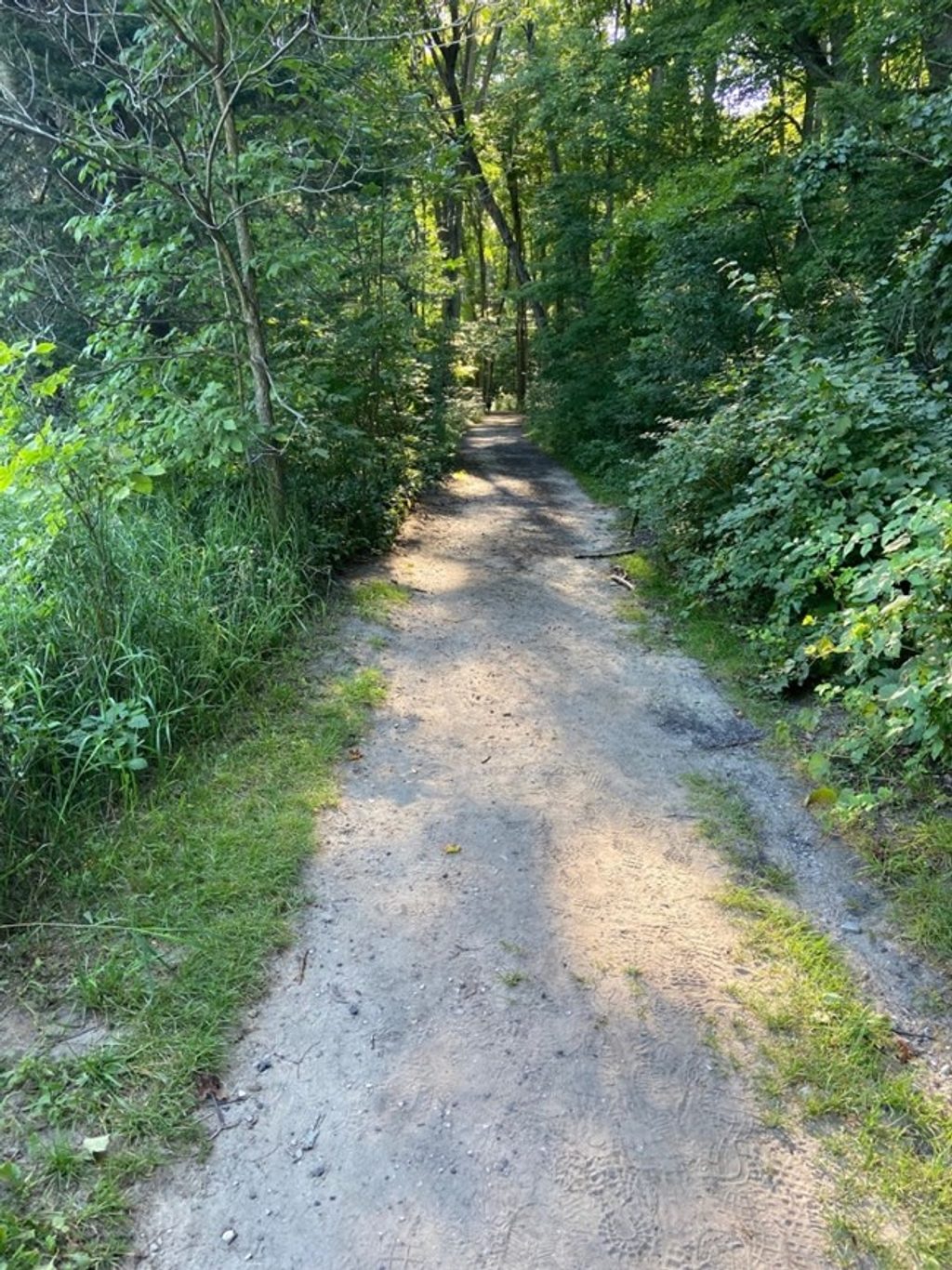
Park at the Trail’s End Road trailhead and hike roughly 2 miles on the Platte Plains trail to reach camp. Parts of the route are sandy, so give yourself time and start in daylight. The campground itself is not a trailhead; there’s no vehicle access or parking at the camp.
You’re likely to see (or hear) deer and plenty of birdlife in the pines. In warm months, mosquitoes and ticks are part of the deal—come prepared. The camp sits within the Platte Plains prescribed fire unit; in spring and fall you may encounter recent burns or smoke on certain days.
Overnights require a reservation/permit, and there’s also a park entrance fee. With only a handful of sites, weekends can be hard to snag—book early or monitor for cancellations.
If you want an easy-to-reach backcountry night with real quiet and a quick hop to Lake Michigan, this is a great, minimalist choice—so long as you’re comfortable being self‑sufficient.
Place · 1.6 mi away
Place · 1.8 mi away
Place · 2.2 mi away
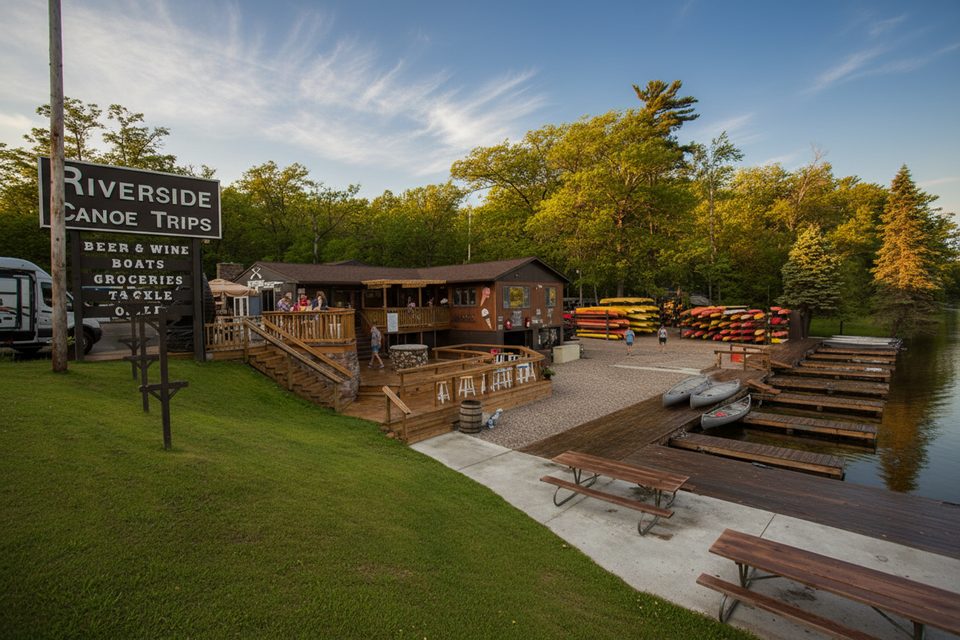
Place · 2.5 mi away
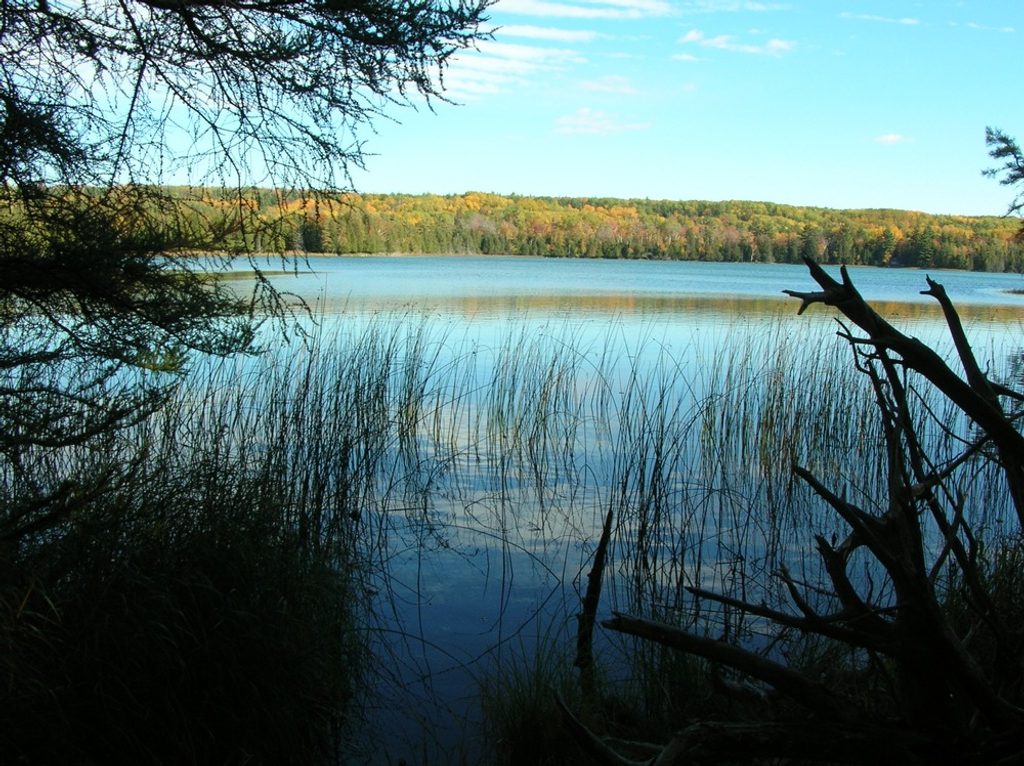
Easy · 1 mi away
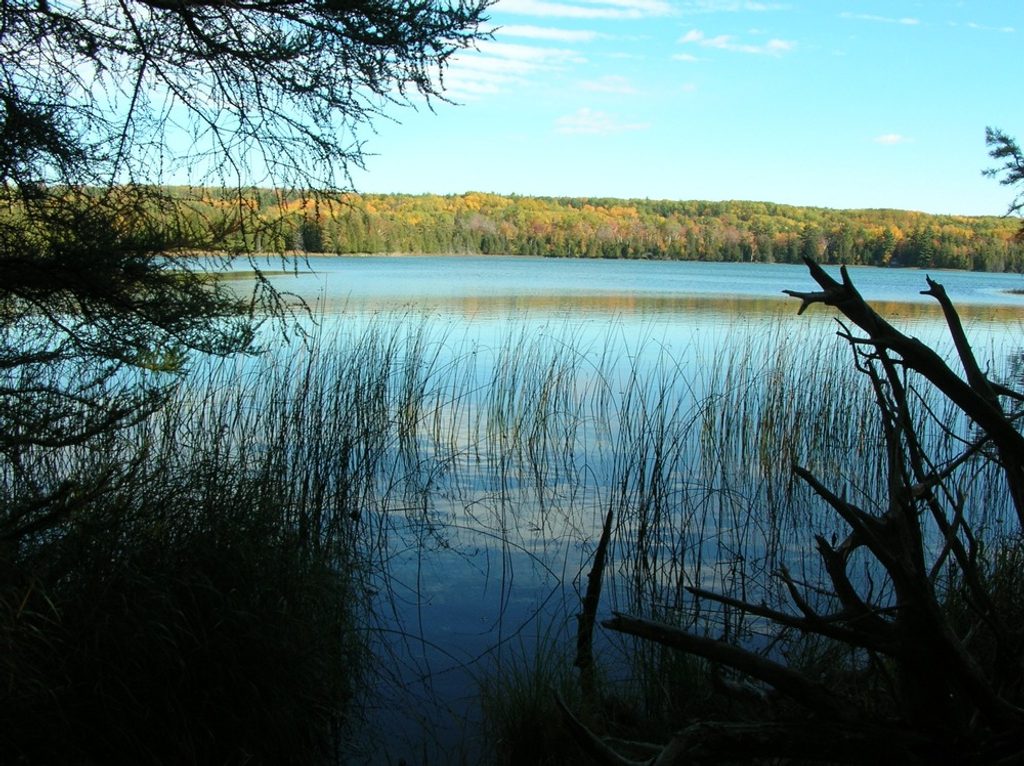
Easy · 1.7 mi away
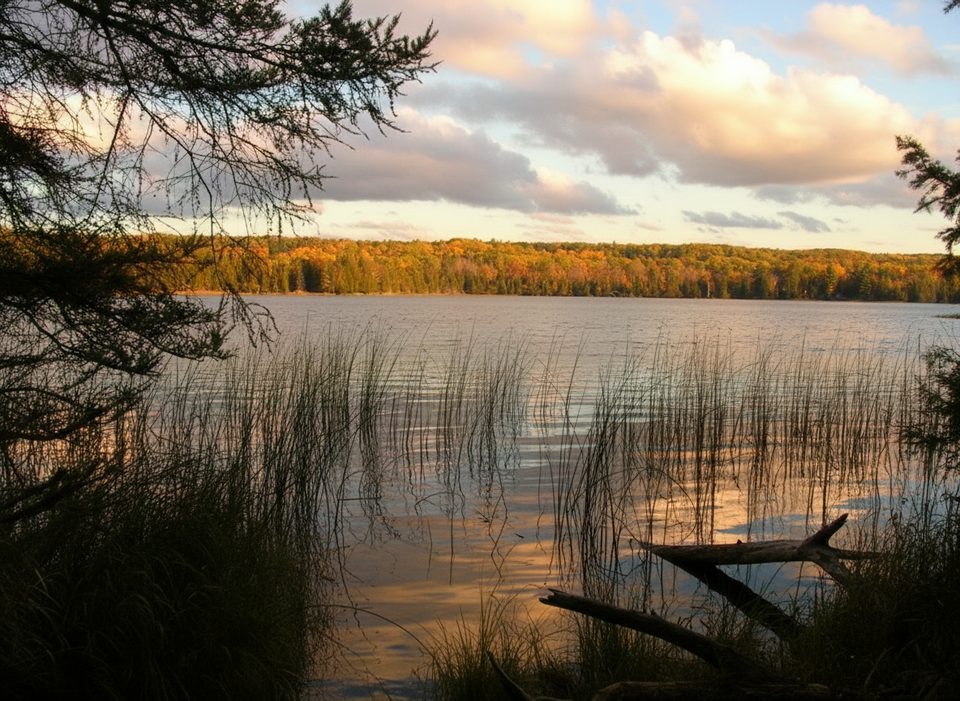
Easy · 1.7 mi away
Moderate · 4 mi away

Parkwolf Tour Guide
