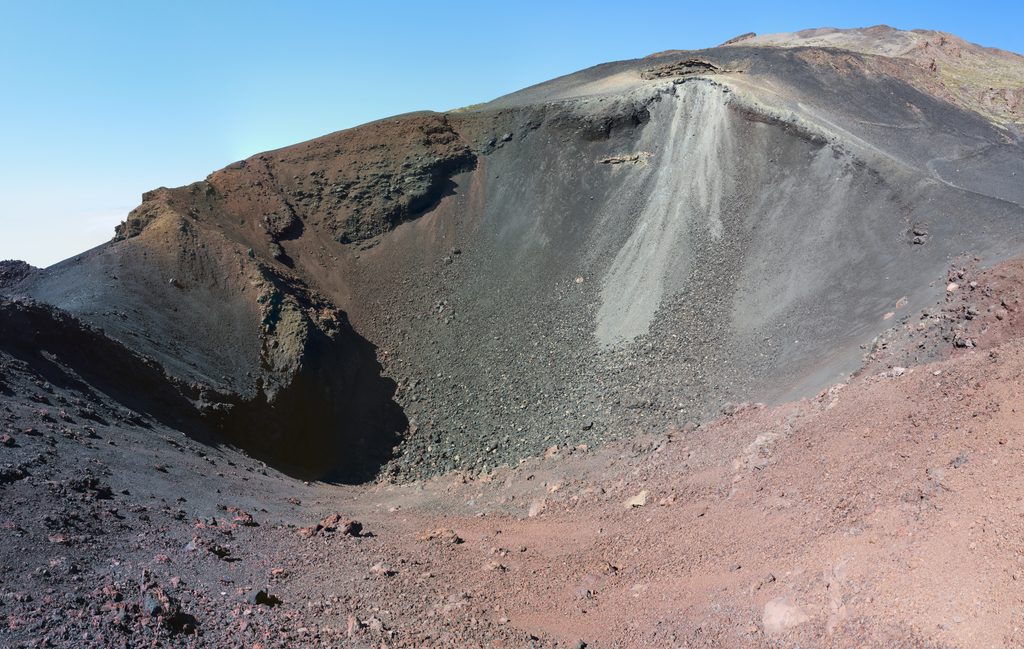
Narices del Teide

Roadside perch over Pico Viejo and the 1798 lava vents
Narices del Teide, Teide National Park
InsideTeide National Park

Overview

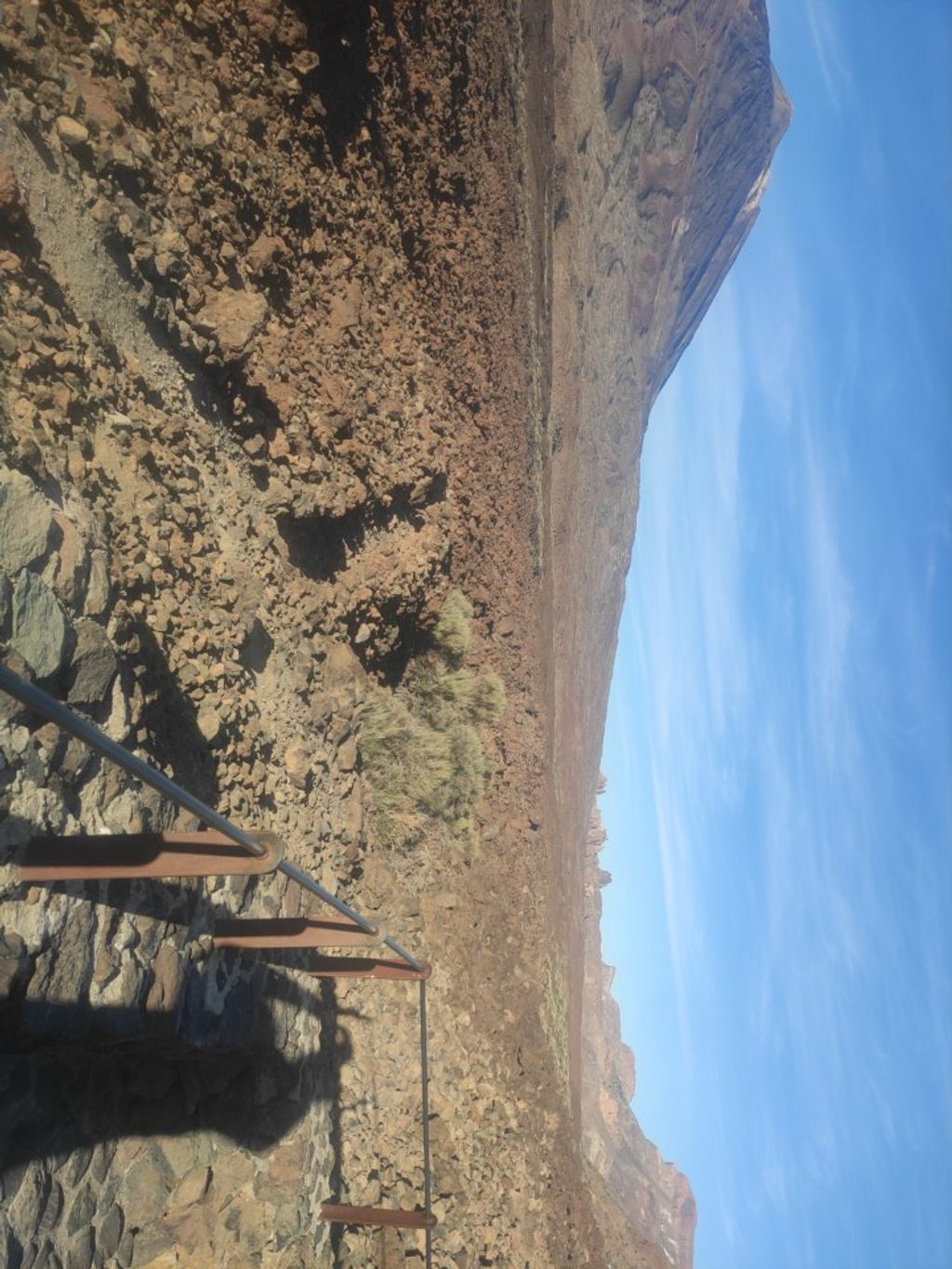
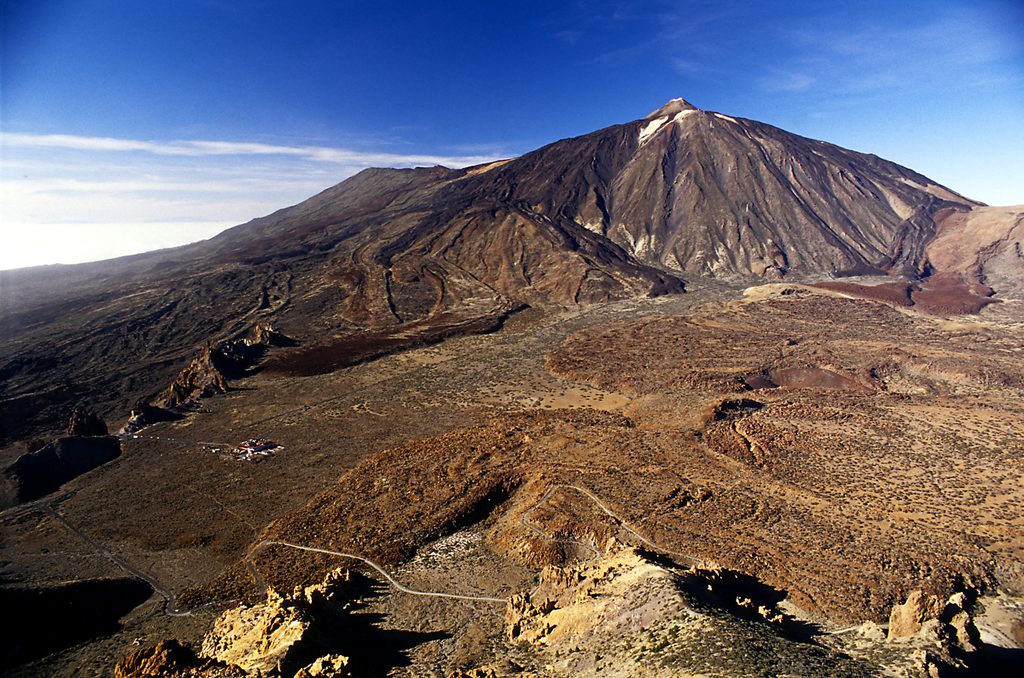
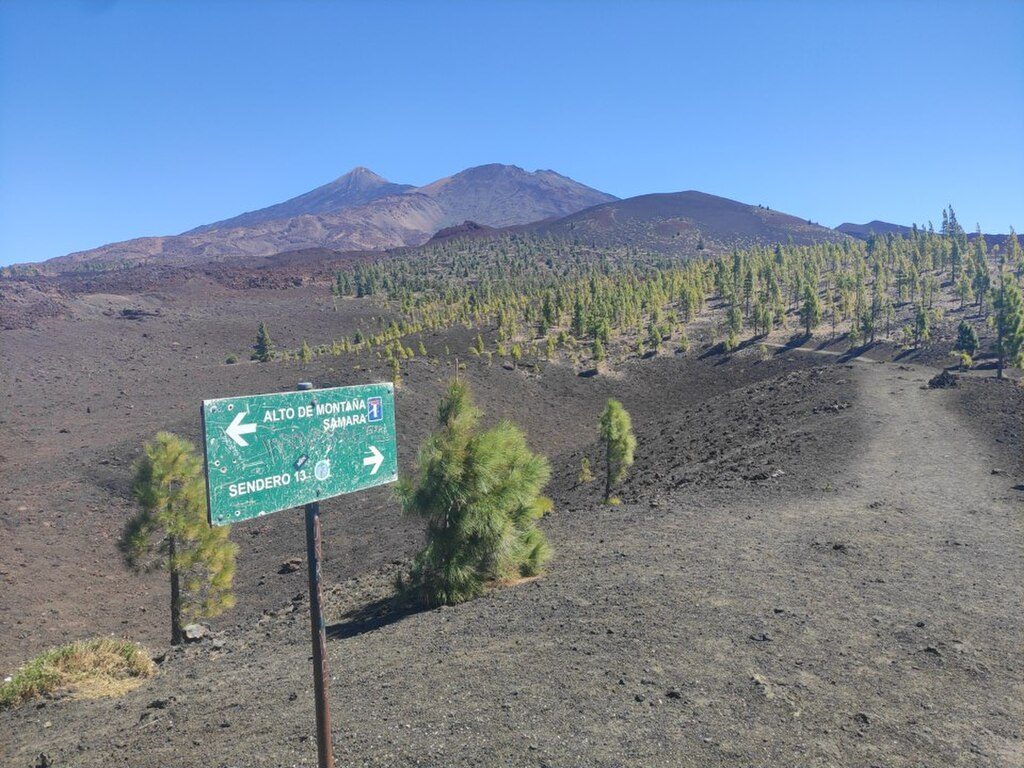
A quick stop with big drama. This simple roadside pull‑off looks straight across Pico Viejo to the aligned vents known as the Narices del Teide—scoria cones and dark “aa” lavas laid down in the 1798 fissure eruption. It’s open 24 hours, and most travelers spend 10–45 minutes soaking in the view before moving on.

Why it’s special

You’re staring at Tenerife’s most photogenic recent lavas: rough, jet‑black flows and small cones tearing across the west–southwest flank of Pico Viejo. Late light rakes the textures beautifully, and many evenings bring a sea of clouds below you—catnip for photographers and an easy win if you’re short on time.

Geology in brief

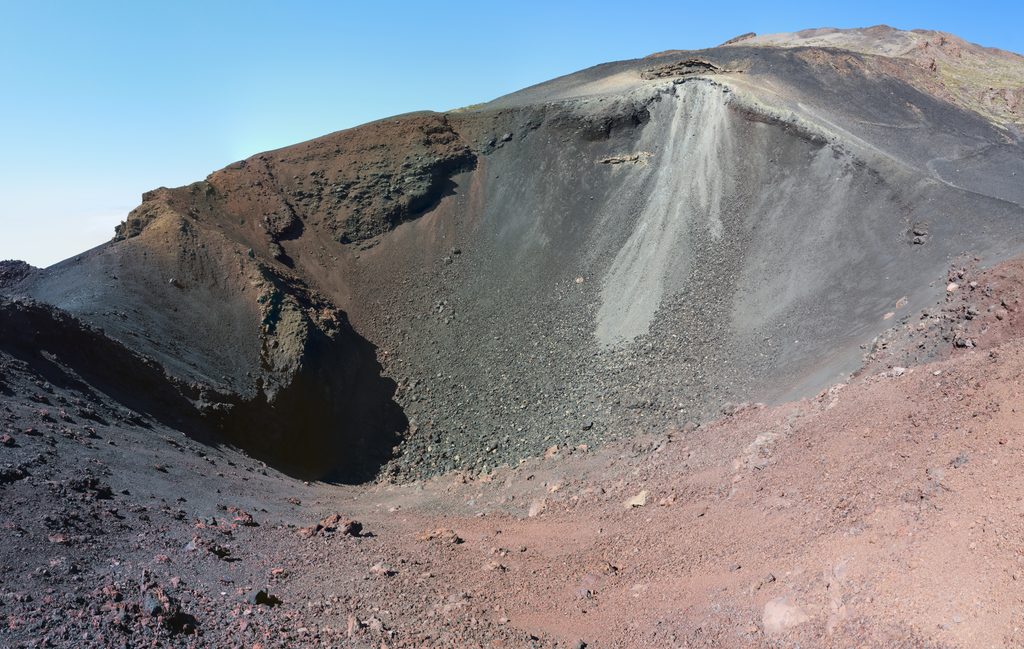
The Narices (“noses”) formed when a basaltic fissure opened in 1798, venting at multiple aligned outlets and sending rough, blocky lava downslope. These young lavas and scoria sit within the island’s central volcanic complex dominated by Teide and Pico Viejo.

What you’ll see

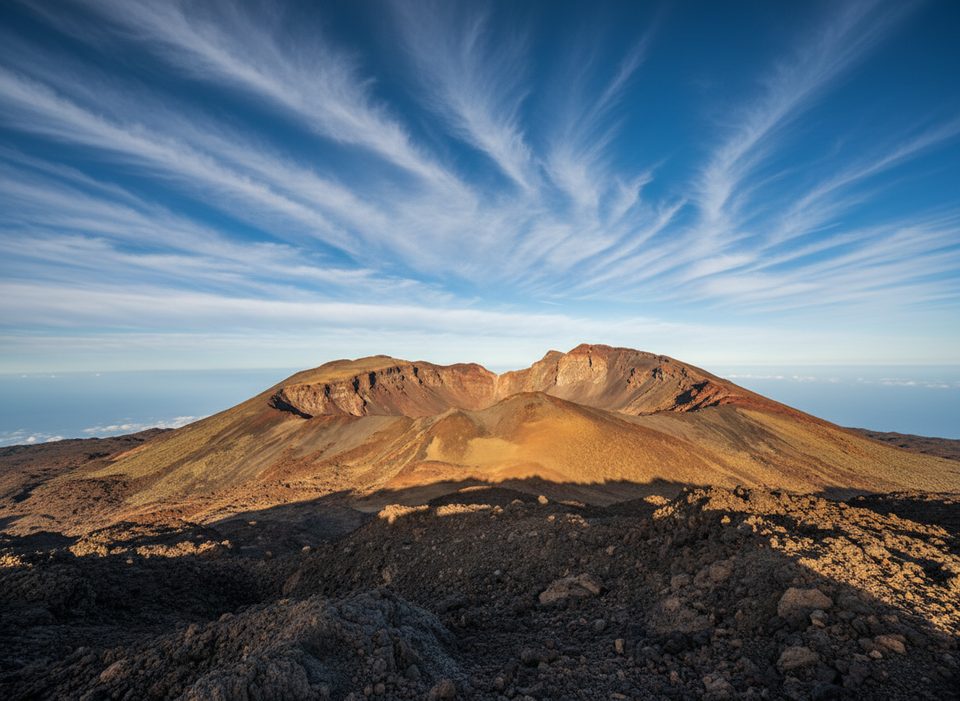
  • Panoramas of Pico Viejo’s broad crater and the Narices cones and lava fields.
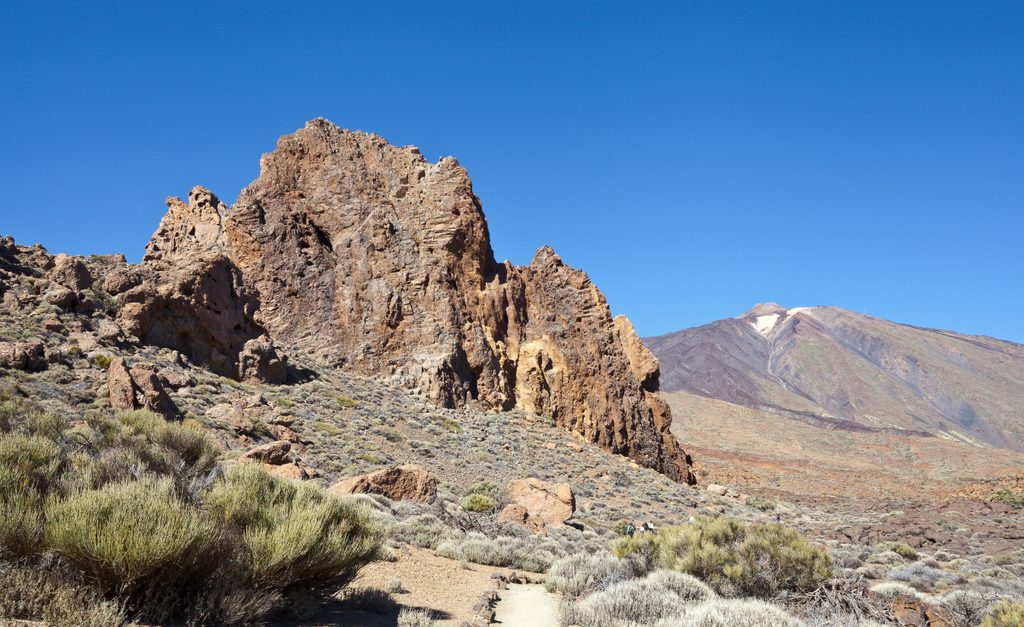
  • Harsh, high‑alpine lava desert dotted (in season) with hardy endemics like Teide broom; you’re likely to spot Tenerife lizards and birds such as ravens and kestrels cruising the thermals.

Visiting tips

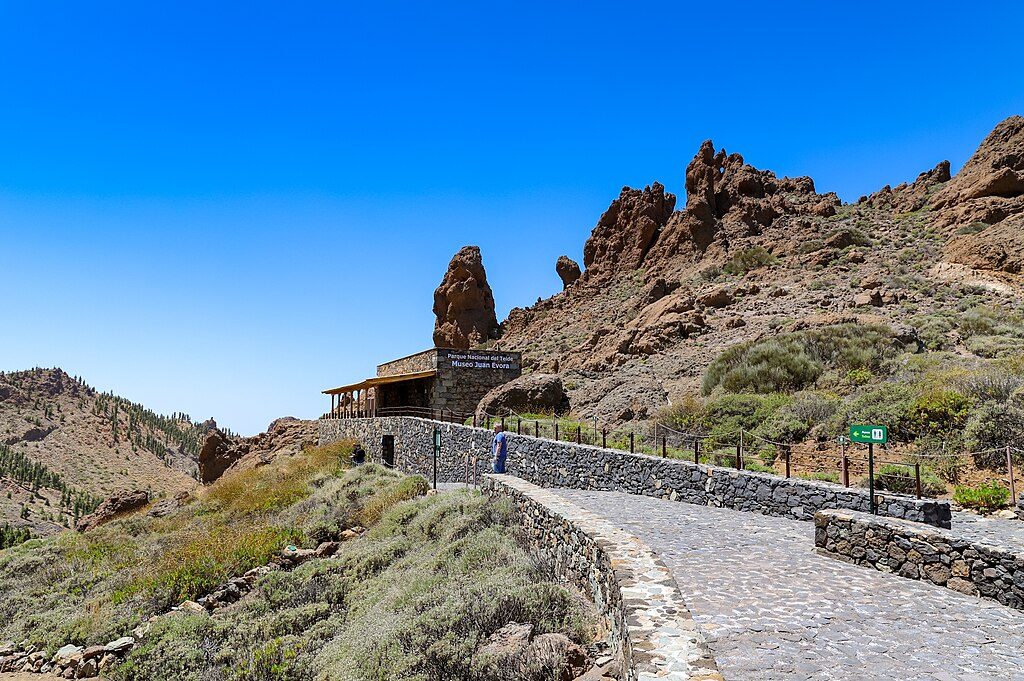
  • Parking is just a small pull‑off—space goes fast at golden hour. Arrive early, keep it tight, and be patient.
  • There are no facilities here. Bring your own water and snacks, and pack out everything.
  • Footing can be loose and sharp on scoria; stick to obvious paths near the viewpoint.
  • Weather turns on a dime at altitude: strong sun, cold wind, even snow or ice in winter. Layer up and wear sun protection year‑round.

Nearby and longer looks

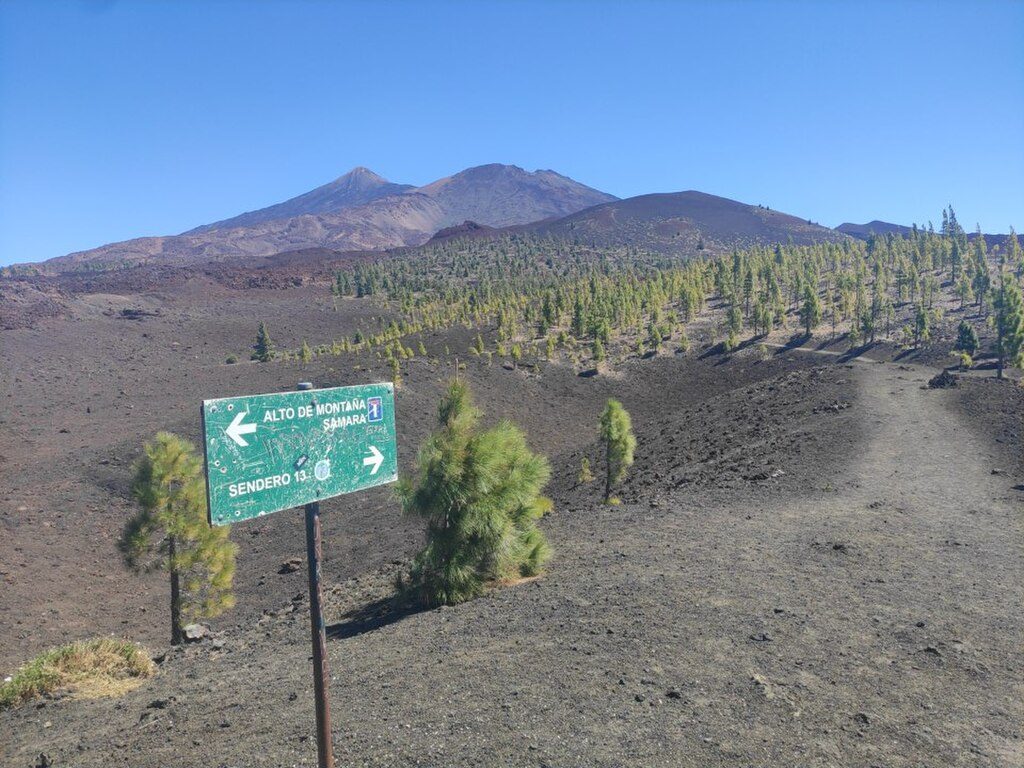
Trail 9 (Narices del Teide) starts in this area and wanders the young “black” lavas for closer views. For a killer overhead perspective, ride the cable car to La Rambleta and walk the signed path to Mirador de Pico Viejo (no summit permit needed for that viewpoint) to look back toward the Narices from above.

Best time to visit

  • Sunset is the headline—arrive 30–60 minutes early to secure a spot and stay through twilight for alpenglow and, on clear nights, excellent stargazing.
  • Mornings are typically quiet if you want solitude and crisp air.
  • Spring adds splashes of bloom among the lavas; autumn offers pleasant temperatures and fewer crowds.
  • Roads and the cable car can close for wind, ice, or snow—always check status before you drive.

Pros

  • Huge views of Pico Viejo and the 1798 Narices lava fields
  • Fantastic sunset and stargazing spot with easy roadside access

Cons

  • Very limited parking at a small pull‑off
  • No services—bring water and be ready for wind and temperature swings

Tips

  • Arrive 30–60 minutes before sunset to snag a parking spot.
  • Bring layers, sunglasses, and sunscreen—UV is intense at altitude.
  • Carry your own water and snacks; there are no services at the mirador.
  • For an overhead view, pair this stop with the walk to Mirador de Pico Viejo from the cable car.
  • Stay on obvious paths; fresh scoria is sharp and fragile.
The Parkwolf tour guide sitting on a phone mounted in a car

Parkwolf Tour Guide

Like a tour guide in your car.

Save the places you found around Teide, then let Parkwolf guide the drive between them.Download Parkwolf on the App Store