
Place · 0 mi away
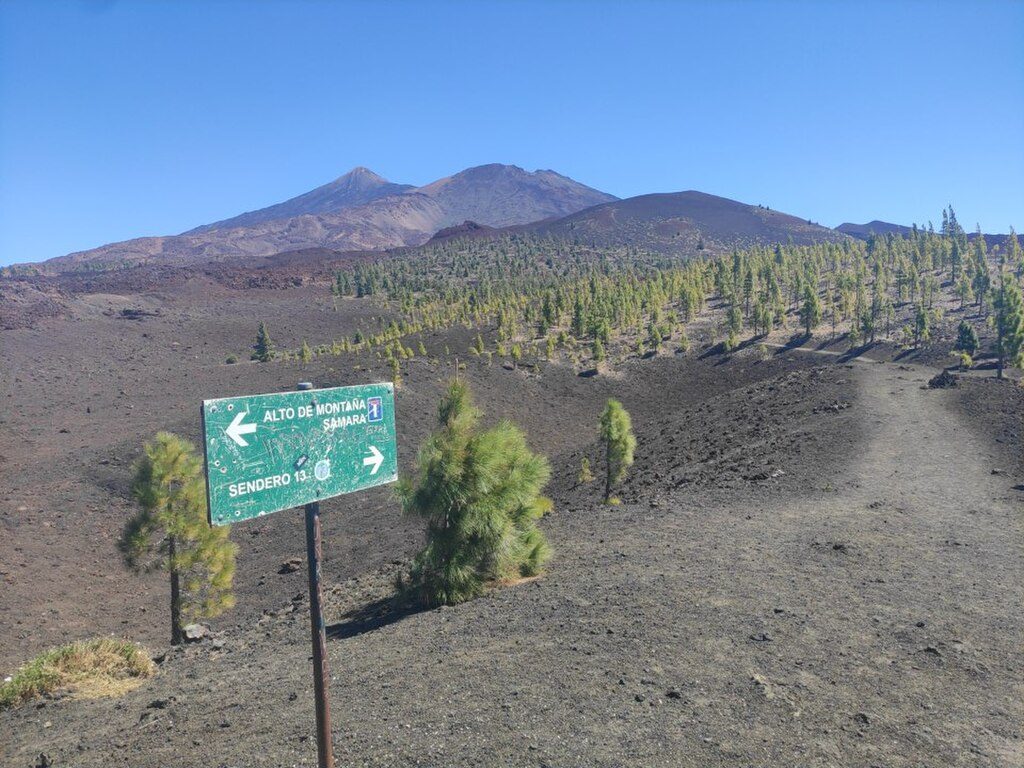
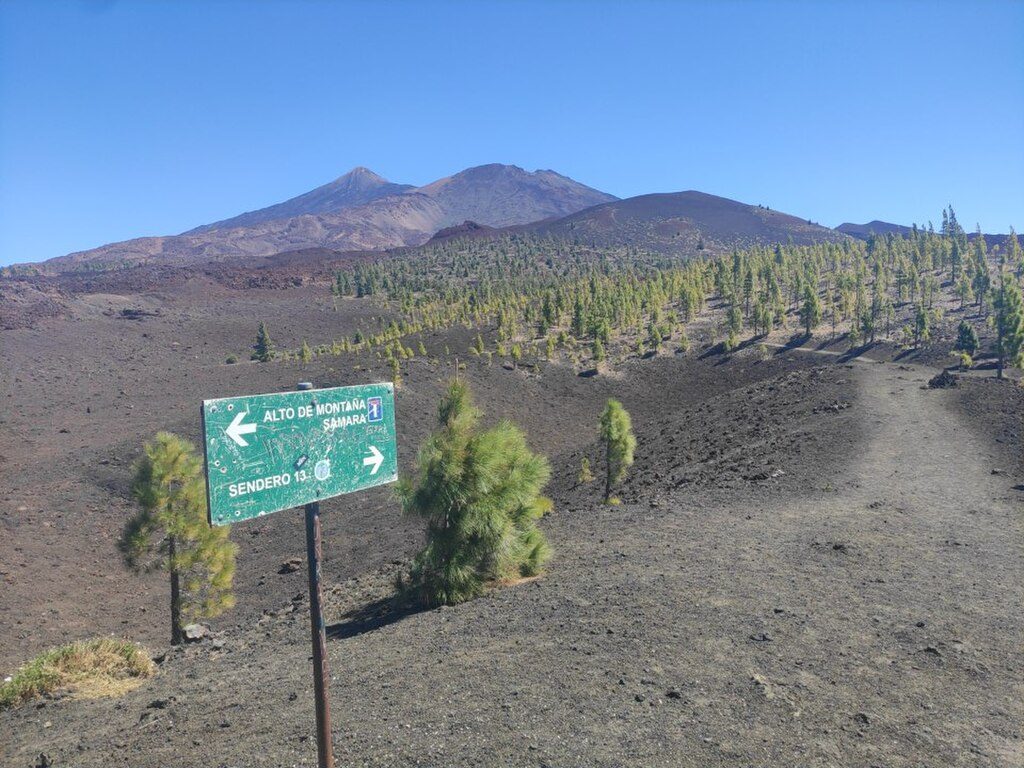
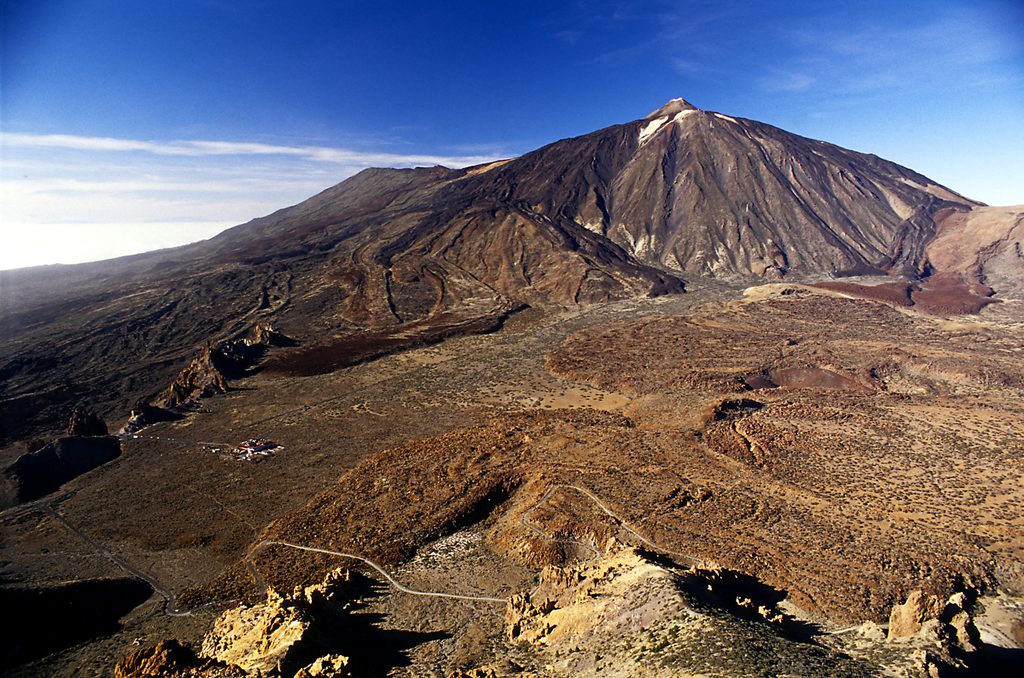
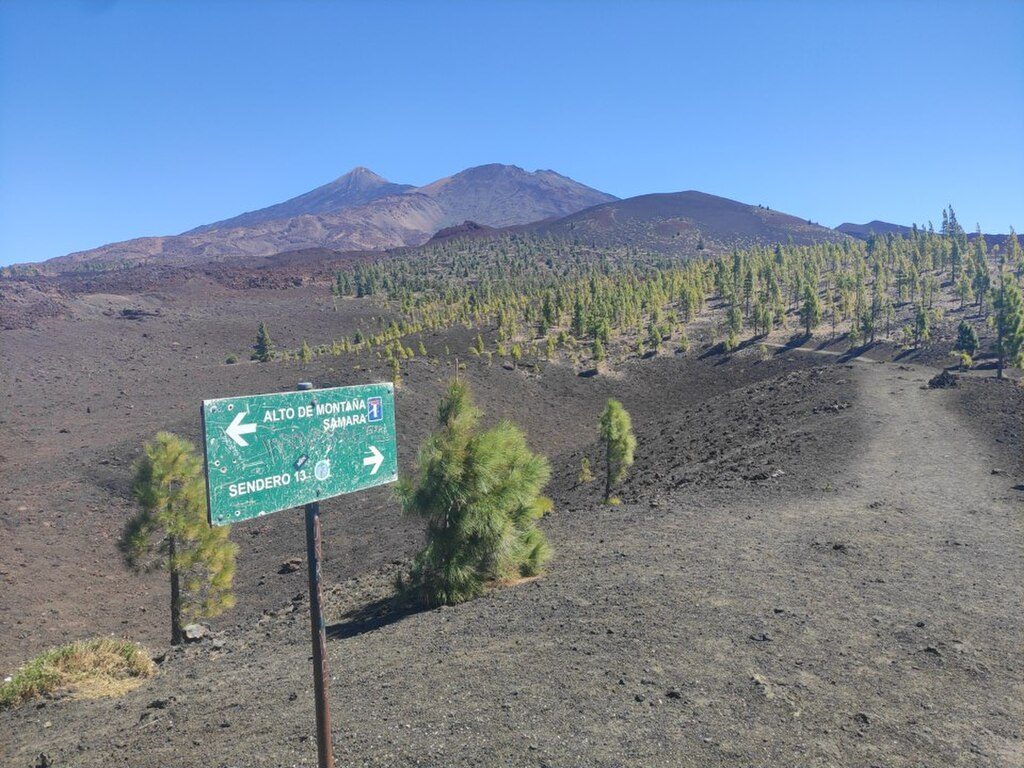
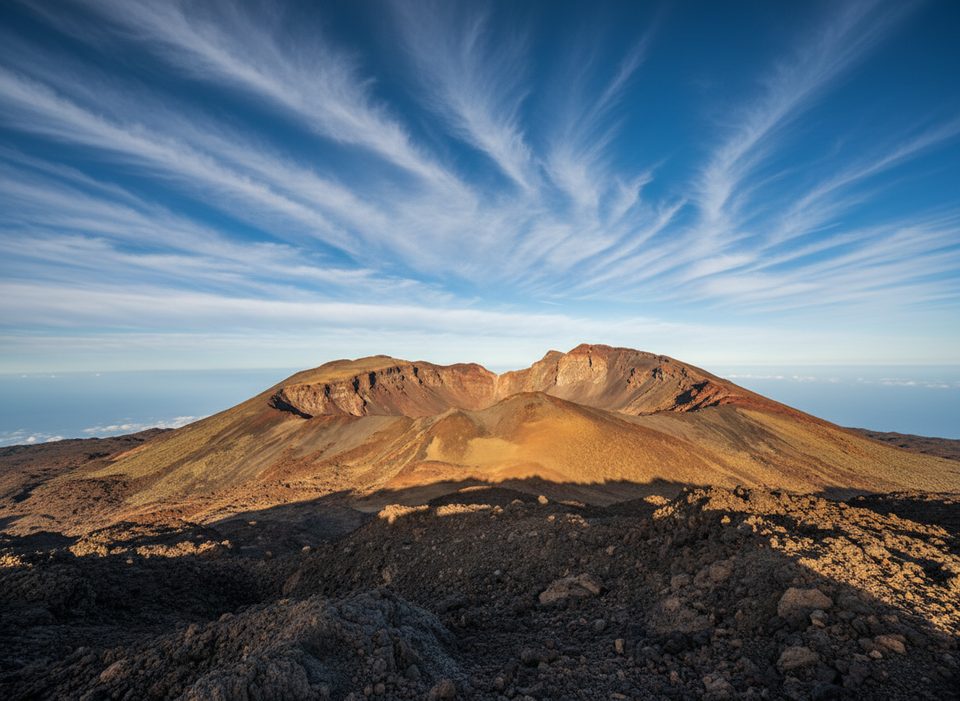
Mirador de Samara is a roadside viewpoint and trailhead off the TF‑38 with front‑row views of Mount Teide and neighboring Pico Viejo. The setting is classic Teide: black lava, ash slopes, and pockets of Canary Island pine, with frequent “sea of clouds” inversions below you. It’s a favorite spot for golden‑hour color and, after dark, reliably clear skies for stargazing.
From the parking pull‑off, Sendero 13 forms a loop around Montaña de Sámara and Montaña de la Botija. Expect about 5–5.5 km, 1–2 hours, and roughly 230 m of gentle gain. The path is firm volcanic ash/tephra—grippy but dusty—so sturdy closed‑toe shoes help. You can walk it in either direction, and confident hikers sometimes extend toward Pico de Viejo for even bigger panoramas if they start early.
Sunset is the headliner here—low light sculpts the lava textures and Teide’s cone. For easier parking, aim for early morning or arrive after 5 p.m. It’s open at all hours, and moonless nights are superb for stargazing. If you’re chasing a quick sunset angle, a short 10‑minute walk to the small hill just north of the lot pays off.
Parking is small and can crowd up around sunset. There are no services—no restrooms, no water—so come prepared with layers, sun protection, and plenty of water. Weather swings fast at ~2,000 m: cool with wind and low cloud one minute, warm sunshine the next. Dogs aren’t allowed on the park’s trails. Several visitor reports mention thefts from cars at this pull‑off; keep the interior empty and valuables on you.
Daytime wildlife is subtle but you’ll often spot Tenerife’s small lizards warming on rocks. Vegetation is sparse on the young lava, yet the area sits within one of the Canary Islands’ endemic hotspots: look for Canary Island pine near the start, and in late spring you may find the showy red tajinaste (Echium wildpretii) in suitable pockets.
Golden hour both ways is excellent; sunset usually wins for color and contrast. If clouds pool below, compose wide frames with the cones floating above the “mar de nubes,” then stick around as the stars emerge.
Place · 0 mi away
Place · 2.6 mi away
Place · 2.7 mi away
Place · 3.3 mi away
Easy · 0 mi away
Challenging · 2.6 mi away
Easy · 5.3 mi away
Easy · 5.3 mi away

Parkwolf Tour Guide
