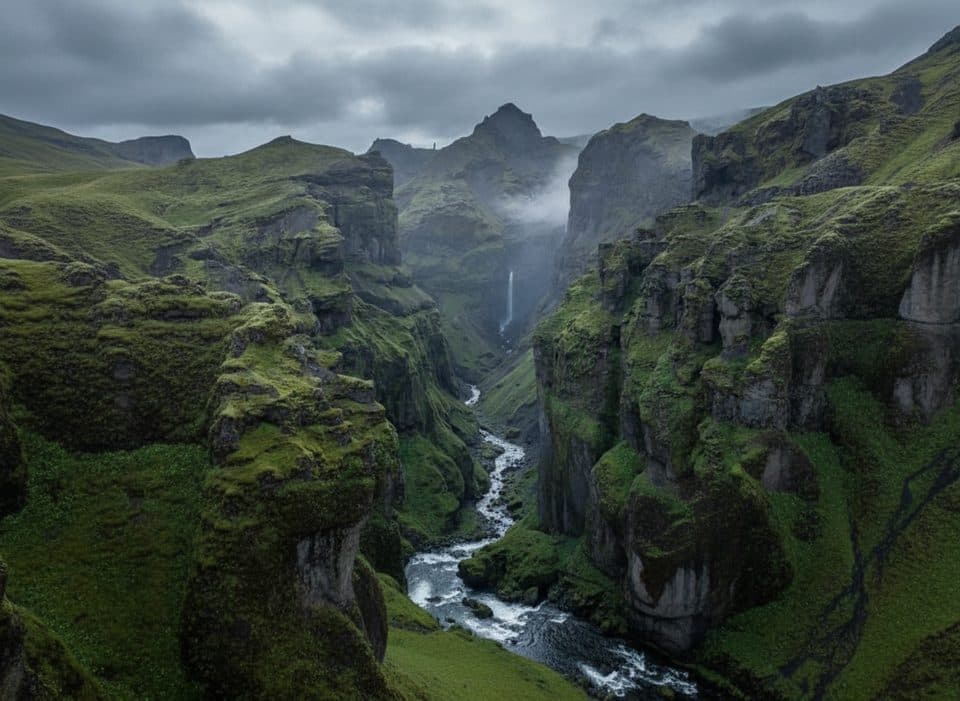
Breidamerkurjökull Glacier

Calving glacier feeding Iceland’s famous iceberg lagoon and ice caves
Breidamerkurjökull Glacier, Vatnajökull National Park
InsideVatnajökull National Park

Overview

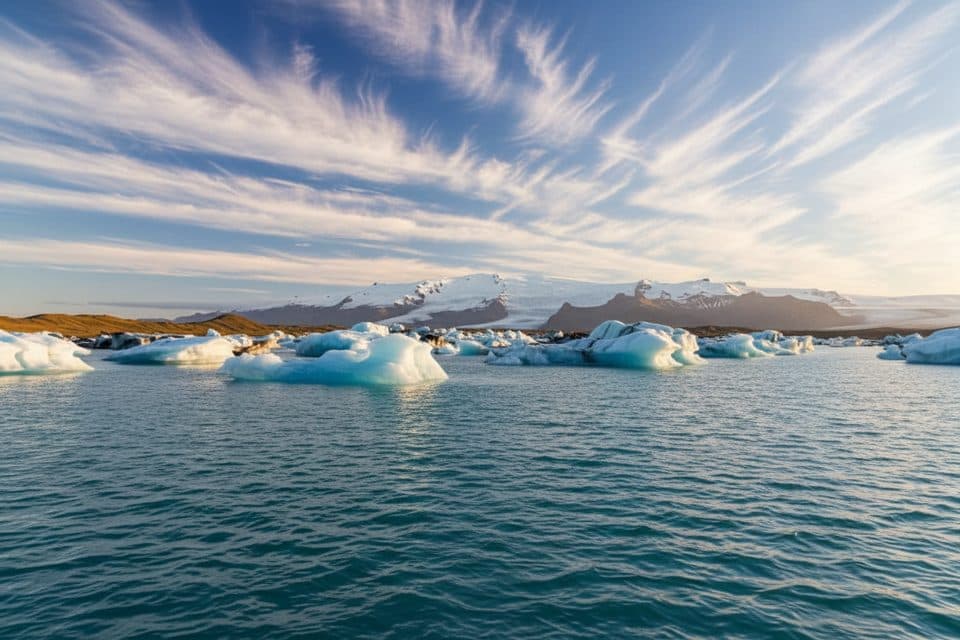
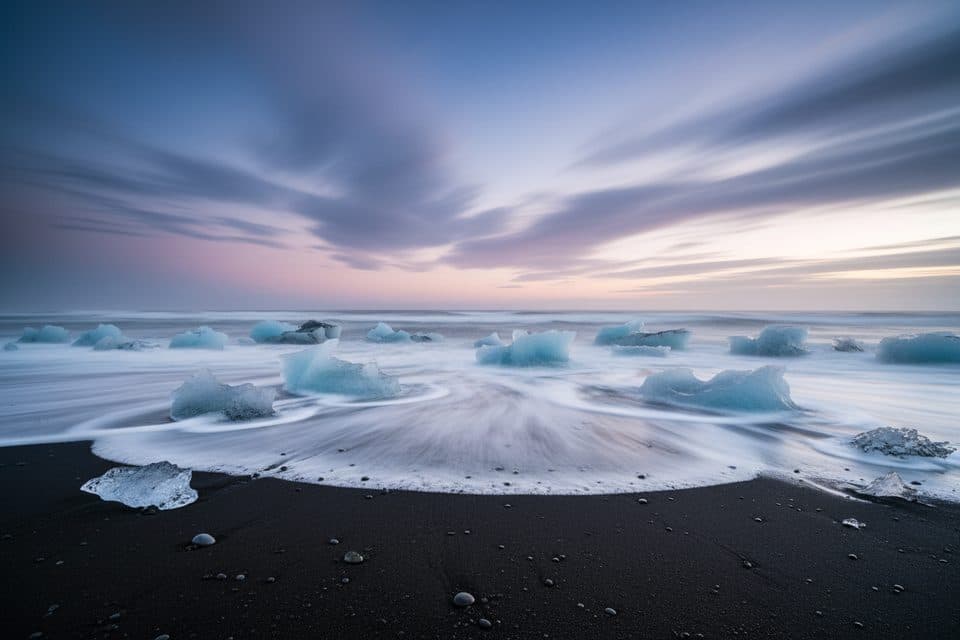
Breidamerkurjokull is a major outlet of the Vatnajökull ice cap, and it empties straight into Jökulsárlón—the country’s showstopper glacier lagoon. Icebergs constantly calve from the glacier front and drift out toward the ocean, and it’s common to spot seals lounging on the floes. If you want the classic south-coast glacier experience, this is it.

What Makes It Special

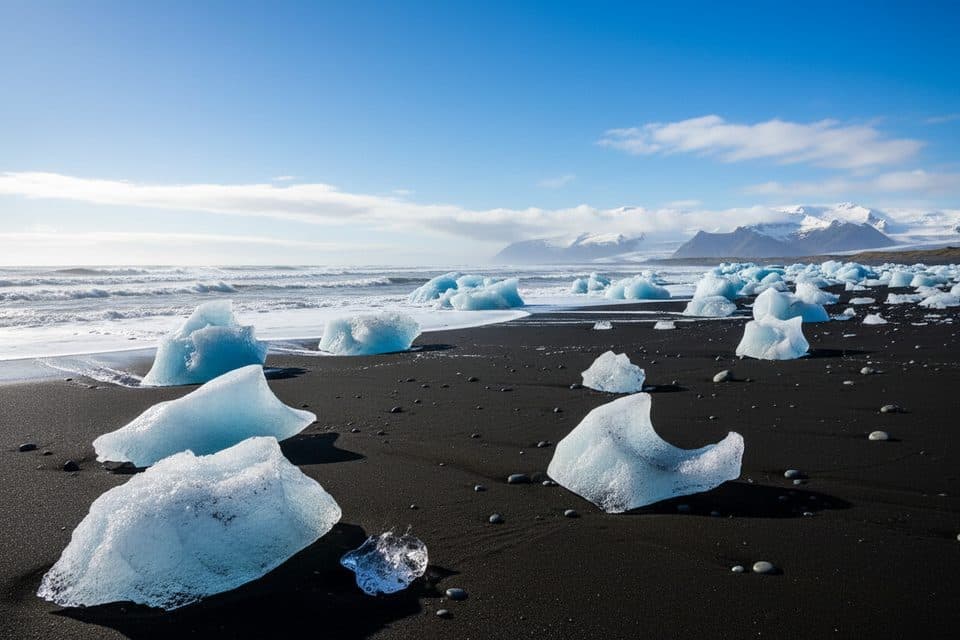
The combo of a calving glacier, an ever-growing lagoon, and stark black sands creates surreal, high-contrast scenery. Boat tours skim between icebergs for close views, while seasonal tours take you onto the ice and into naturally formed blue ice caves. South of the glacier, volcanic ash darkens the sands, amping up the blue-on-black drama you came for.

Geology and Change

Vatnajökull is a living laboratory where active volcanoes and massive ice interact. Beneath the ice lie powerful volcanic systems that can melt ice and trigger floods, constantly reshaping outwash plains and lagoons. As Breidamerkurjokull retreated in the 20th century, Jökulsárlón formed in the 1930s and has been expanding ever since. The surrounding Breiðamerkursandur outwash plain is a front-row seat to these ongoing changes.

Wildlife

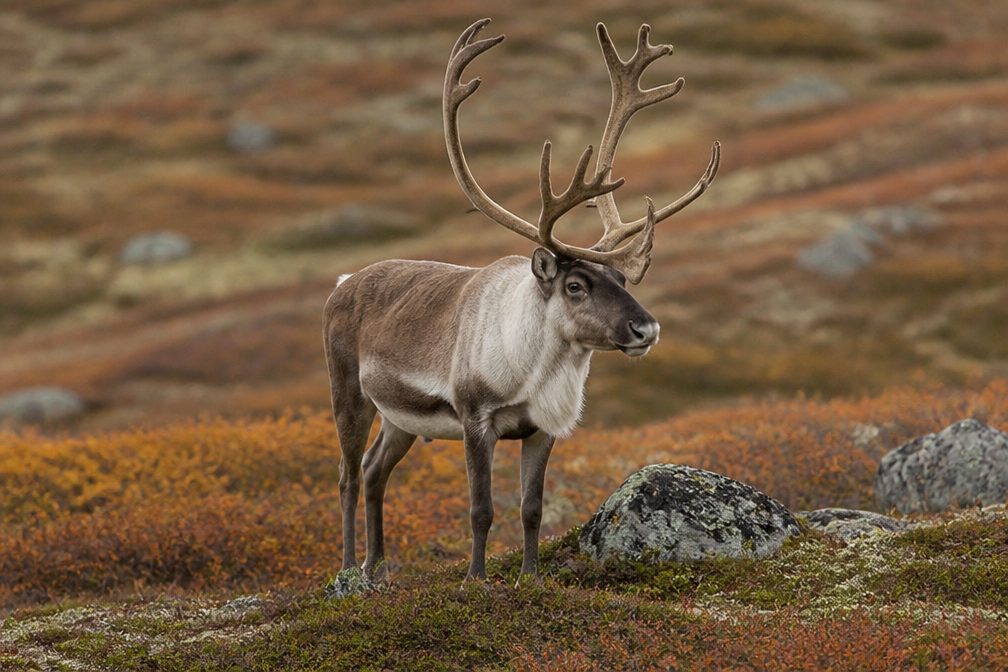
Seals are regularly seen on the lagoon’s ice. The wider Breiðamerkursandur area hosts important nesting birdlife, and in winter, reindeer can roam the eastern side of the region—keep an eye out when driving. Arctic foxes occur in the park but are elusive.

How to Visit

Jökulsárlón sits right off Route 1 between Skaftafell and Höfn, making access straightforward. Boat tours operate on the lagoon, and certified guides offer glacier hikes and seasonal ice-cave trips—essential if you plan to step onto the ice. For trail conditions and park updates, the Skaftafell visitor hub is your go-to.

Facilities

On the lagoon side, there’s a service area with a café and public toilets. Across the road at the ocean-side Breiðamerkursandur (Diamond Beach), facilities are minimal—plan your stops accordingly.

Safety Essentials

Keep a wide berth from the glacier front and the lagoon’s waterline—calving events can send surprising waves and ice tumbling. Weather flips fast; pack windproof, waterproof layers even in summer. If you want to touch ice or enter caves, book a guided tour—crevasses and unstable ice are no joke.

Best Time to Visit

Summer brings the most tours (and the most people). Shoulder seasons deliver fewer crowds and moodier light—great for photography. Winter is short on daylight but adds the possibility of northern lights over the lagoon and prime ice-cave conditions.

Pros

  • Calving glacier feeds Jökulsárlón with iceberg and seal viewing
  • Seasonal blue ice caves and guided glacier hikes available nearby

Cons

  • Summer crowds cluster around the lagoon
  • Few facilities on the ocean-side Diamond Beach; use lagoon services

Tips

  • Use the lagoon-side café and toilets; the beach side has very limited facilities.
  • Book a certified guide for any glacier or ice-cave visit and keep clear of the calving front.
  • Weather turns fast—bring windproof, waterproof layers even in summer.
  • Expect summer crowds; shoulder seasons offer fewer people and moodier light.
  • If Jökulsárlón feels busy, try nearby Fjallsárlón for a quieter lagoon vibe.
The Parkwolf tour guide sitting on a phone mounted in a car

Parkwolf Tour Guide

Like a tour guide in your car.

Save the places you found around Vatnajökull, then let Parkwolf guide the drive between them.Download Parkwolf on the App Store