Dettifoss West Viewpoint

Easiest access to Europe’s most powerful waterfall
Dettifoss West Viewpoint, Vatnajökull National Park
InsideVatnajökull National Park

Overview

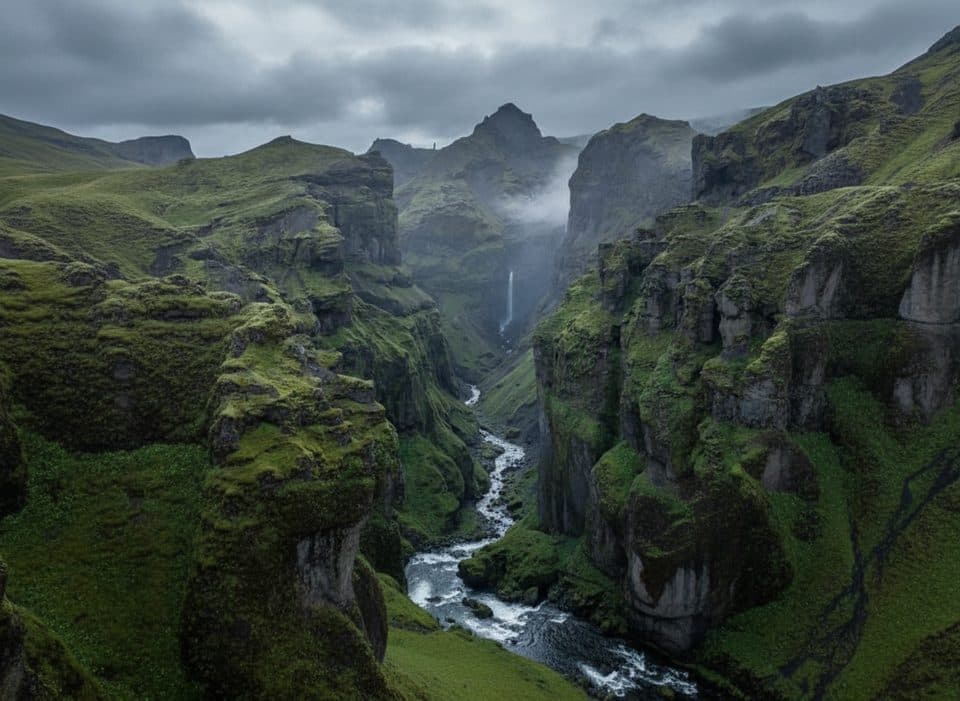
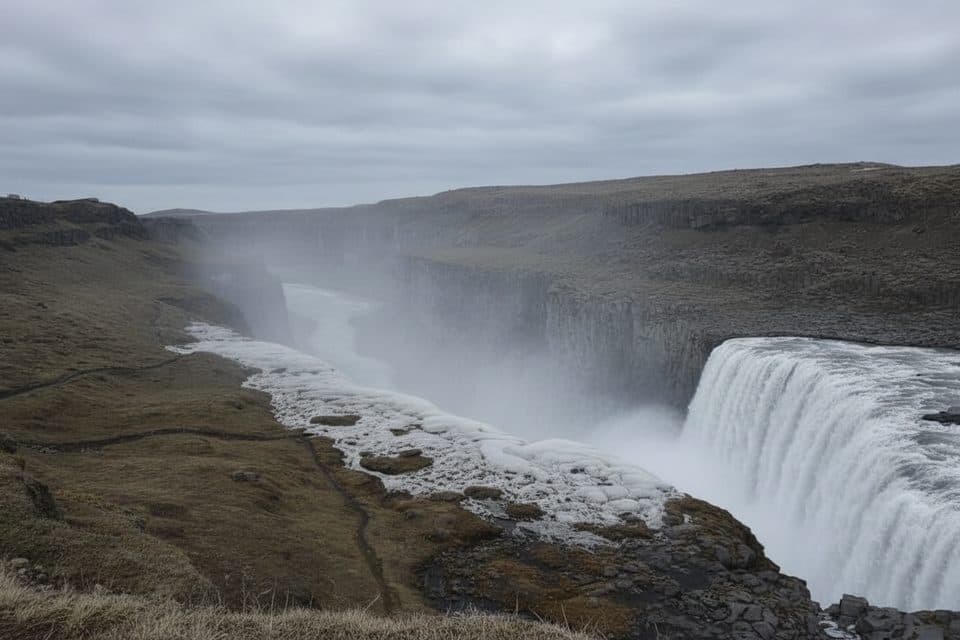
Standing at the Dettifoss West Viewpoint puts you face to face with raw power. Dettifoss is often called Europe’s most powerful waterfall, where the Jökulsá á Fjöllum river roars 45 meters down through Jökulsárgljúfur canyon. From the west bank you’ll hear the thunder, feel the vibration underfoot, and watch a churning wall of water framed by black lava landscapes.

Getting There & What to Expect

Access the west side via paved Route 862, suitable for all vehicles. From the large parking area, it’s an easy 10–15 minute walk on marked paths to the viewpoints and viewing decks. Expect lots of spray—this side gets the brunt of the mist—so bring a rain layer and something to wipe lenses. Facilities here are basic but practical: parking and toilets at the lot.

Why Choose the West

If you only pick one side, this is the practical choice: the west has the best road, the biggest lot, and maintained paths. In many shoulder and winter months, it’s the side that’s more likely to be accessible, making it the reliable option for most travelers without specialized vehicles.

Pair It With Selfoss

Don’t stop at just one waterfall. From the same trail network on the west side you can continue upstream to Selfoss, a wide, elegant curtain fall that contrasts nicely with Dettifoss’s brute force. Budget a bit more time if you add this detour.

Safety Notes

The combination of constant spray, slick rock, and strong winds can be treacherous. Stay behind barriers, keep clear of cliff edges, and mind signed closures—lower paths sometimes close due to cracks or landslides. In winter, services are limited and snow can pile up near the canyon rim.

Wildlife

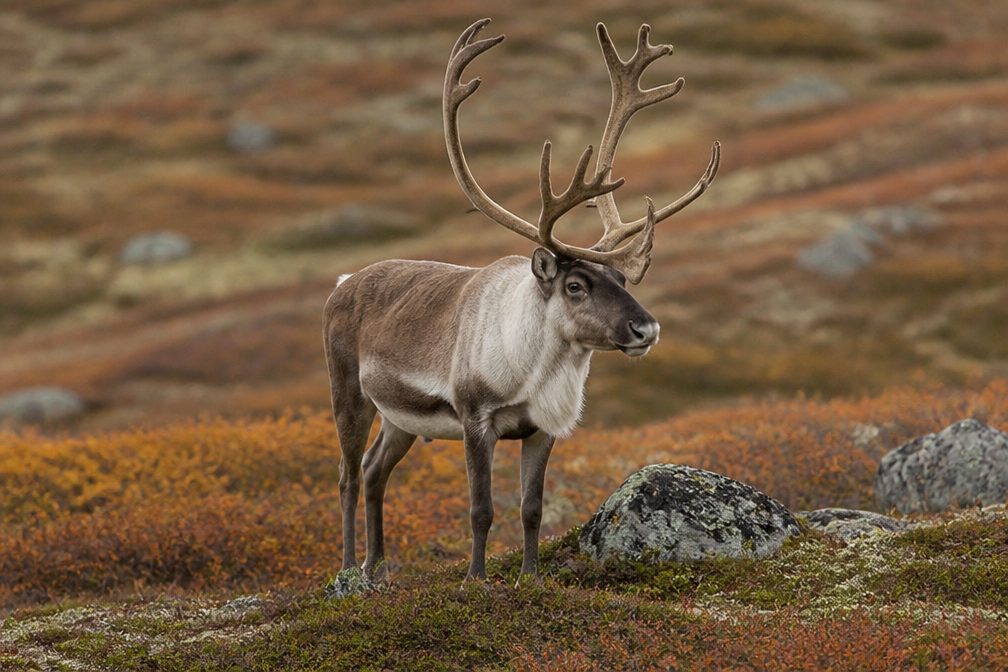
Keep an eye out for birdlife along the canyon—arctic terns and ptarmigan are common, with the occasional falcon sighting. Foxes and even reindeer are possible in the wider region, though they’re rare.

Practicalities

There’s no entrance fee. Drones require a special permit within the national park. A quick west-side visit typically takes 1–2 hours; adding Selfoss brings it to 2–3.

Best Time to Visit

  • Light and crowds: Early morning offers softer light and fewer people; midday is brightest but busiest. Late afternoon can also be pleasant with thinning crowds.
  • Season: June–September is the sweet spot for road access and safer trails. Winter can be gorgeous but unpredictable—always check road conditions before you go.
  • Hours: Effectively open at all hours; aim for early or late in the day for a calmer experience.

Pros

  • Paved access via Route 862 with large parking and toilets
  • Short 10–15 minute walk to sturdy viewing platforms

Cons

  • Heavy mist can soak clothes and cameras; paths get slippery
  • Seasonal closures and limited winter service; check conditions first

Tips

  • Drive Route 862 for the paved, most reliable access to the west side.
  • Pack a rain layer and lens cloths; the west side’s mist is relentless.
  • Add Selfoss from the same trail network and budget 2–3 hours total.
  • Arrive early for softer light and thinner crowds.
  • Obey barriers and signed closures—spray, wind, and slick rock are no joke.
The Parkwolf tour guide sitting on a phone mounted in a car

Parkwolf Tour Guide

Like a tour guide in your car.

Save the places you found around Vatnajökull, then let Parkwolf guide the drive between them.Download Parkwolf on the App Store