Diamond Beach (Breiðamerkursandur)

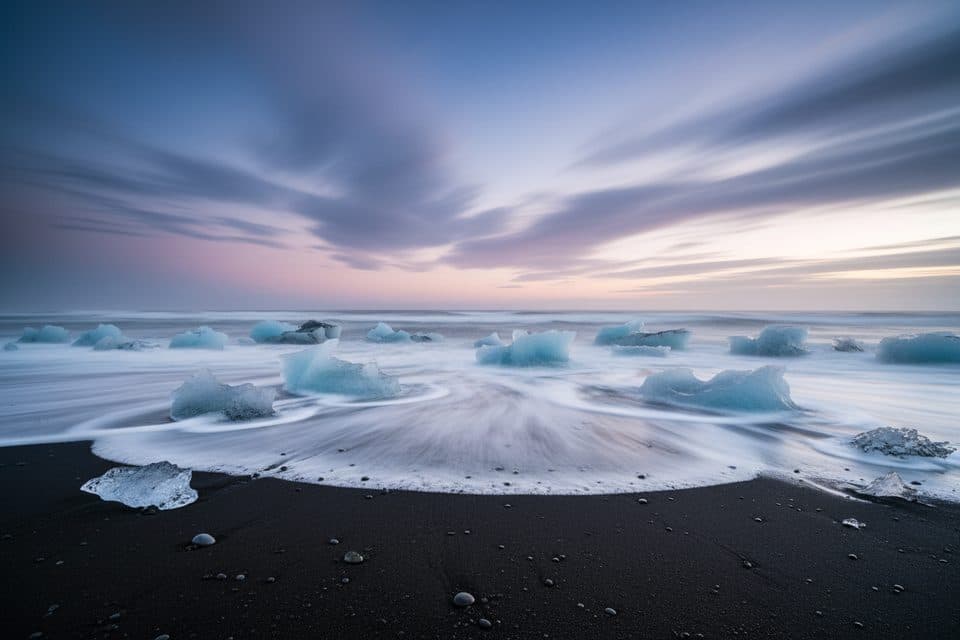
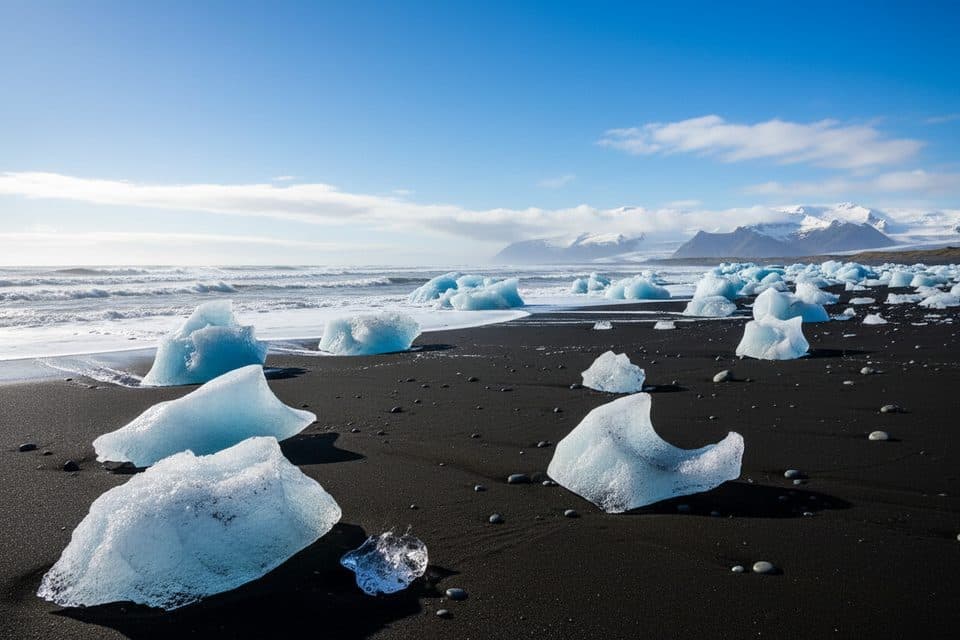
Black sand strewn with glacier ice shards from Jökulsárlón
Diamond Beach (Breiðamerkursandur), Vatnajökull National Park
InsideVatnajökull National Park

Overview

Across the road from the Jökulsárlón Glacier Lagoon, Diamond Beach is a stretch of jet‑black sand strewn with glittering pieces of glacier ice. It’s one of the South Coast’s most photogenic stops and part of the Vatnajökull National Park area. A short walk connects the lagoon and the beach (you can pass under the bridge), so it’s easy to experience both in one stop.

Why it’s special

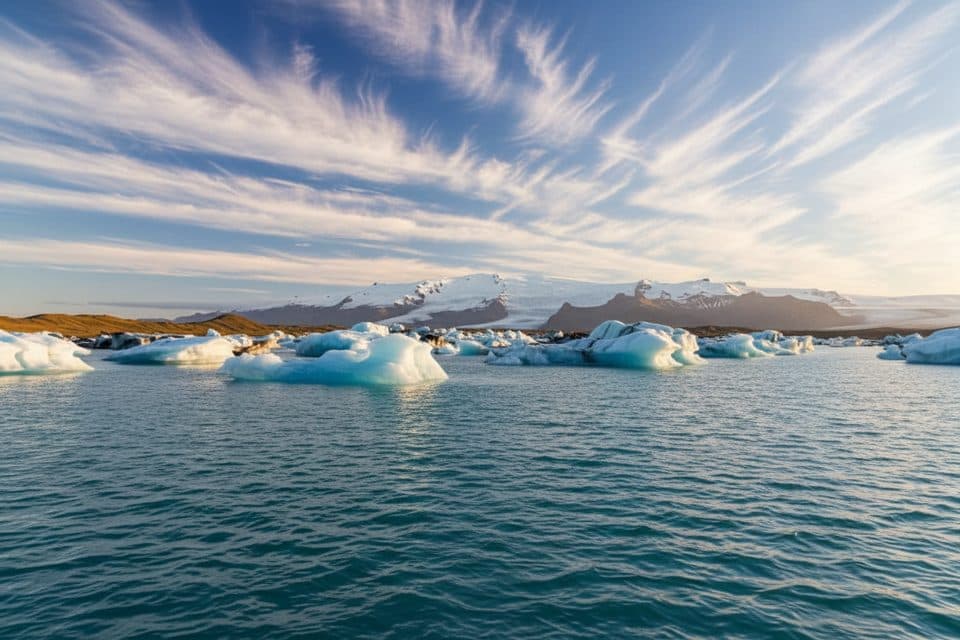
Icebergs calve from Breiðamerkurjökull (an outlet of the Vatnajökull ice cap), float through Jökulsárlón, then slip out to the Atlantic and wash back onto shore. The clear and blue‑tinted ice on volcanic sand gives that “diamonds on velvet” look—and the scene changes constantly with tides and weather, so no two visits are the same.

Geology in a nutshell

Iceland sits astride diverging tectonic plates and a volcanic hot spot, so fire and ice literally shape this coast. Geothermal and volcanic forces feed and melt the massive Vatnajökull ice cap, while the ocean and tides sculpt what you see on the beach day to day.

Wildlife

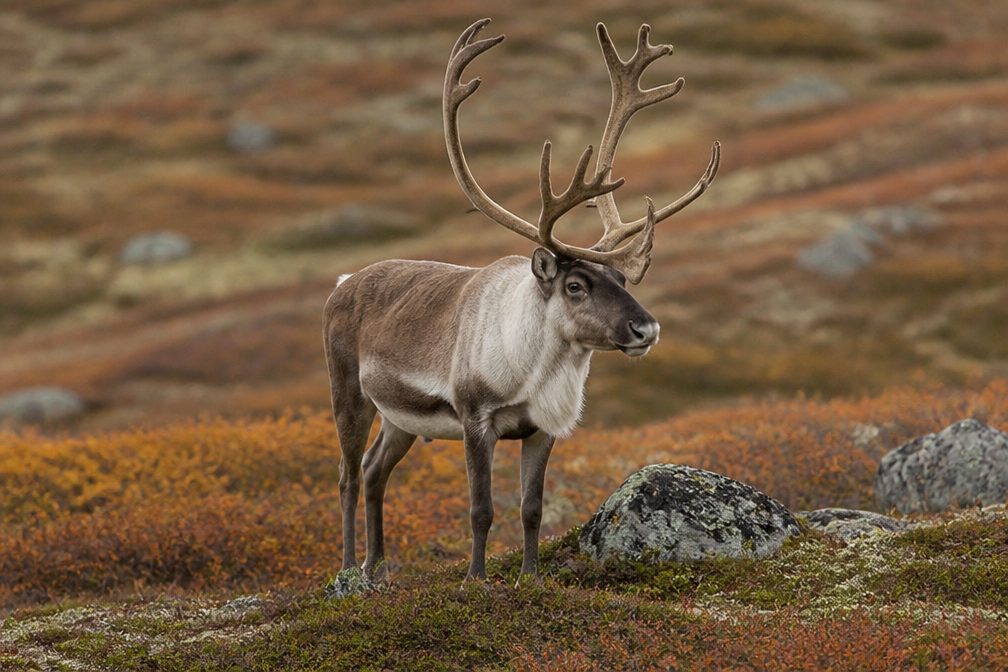
Seals are frequently spotted around the lagoon and occasionally near the beach, sometimes lounging on ice. Keep your distance and a long lens ready if you’re here for wildlife shots.

Logistics & amenities

  • Parking: Large lots on both the beach side (Breiðamerkursandur) and the lagoon side; it’s a short walk to the sand.
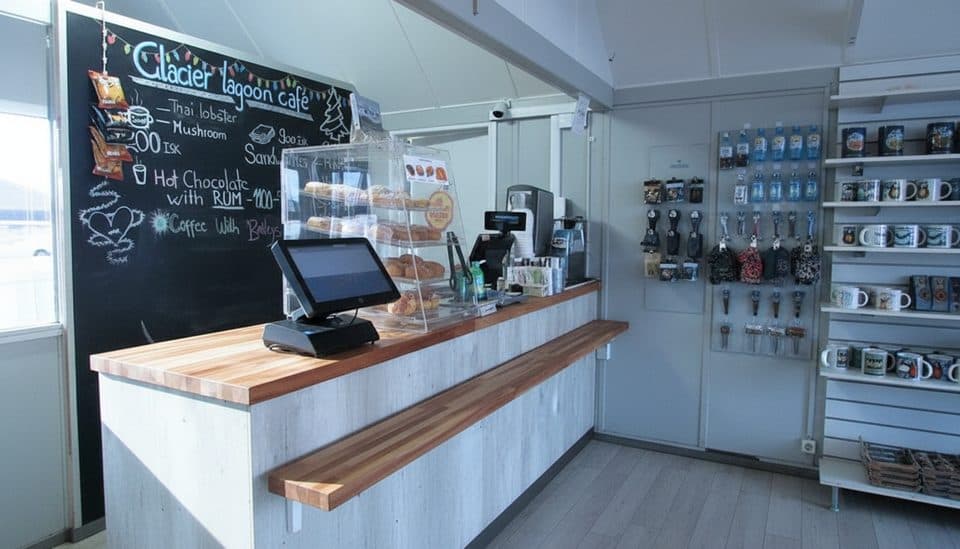
  • Restrooms/food: Toilets and a cafe/snacks are at the Jökulsárlón lagoon area; there are no facilities directly on the beach.
  • Fuel/Wi‑Fi: No gas at the beach or lagoon; refuel in towns along Route 1. Expect no public Wi‑Fi on the beach and spotty coverage in places.

Safety

This coastline is gorgeous but not gentle. Do not climb onto the ice—chunks can flip without warning. Stay well back from the surf; sneaker waves are real here and can knock you down or pull you in.

What to bring

Windproof, waterproof layers, warm base layers, and sturdy closed‑toe shoes. Photographers: a small tripod and hand warmers help, especially in winter.

Pair it with

  • Jökulsárlón boat tour among the bergs
  • Guided ice‑cave tour on Vatnajökull in winter

Best times to visit

Crowds peak from late morning into the afternoon; early mornings and evenings are much quieter. Typical visits run up to about 30 minutes, but photographers often linger. Summer brings long golden hours; sunrise/sunset light makes the ice pop. In winter, come after dark for a chance at the Northern Lights dancing over the “diamonds.”


Pros

  • Glacier ice washes ashore on black sand for surreal photos
  • Easy access off the Ring Road with large parking nearby
  • Free, open year-round; winter can bring aurora over the ice

Cons

  • Often crowded midday; parking fills during peak tour hours
  • Sneaker waves and shifting ice make the surf zone hazardous

Tips

  • Park on either side of Route 1; it’s a short walk to the sand.
  • For fewer people, try the west side of the beach.
  • Use the under-bridge path to hop between the lagoon and beach.
  • Stay well back from the surf and never climb the ice.
  • Hit sunrise or late evening for softer light and smaller crowds.
The Parkwolf tour guide sitting on a phone mounted in a car

Parkwolf Tour Guide

Like a tour guide in your car.

Save the places you found around Vatnajökull, then let Parkwolf guide the drive between them.Download Parkwolf on the App Store