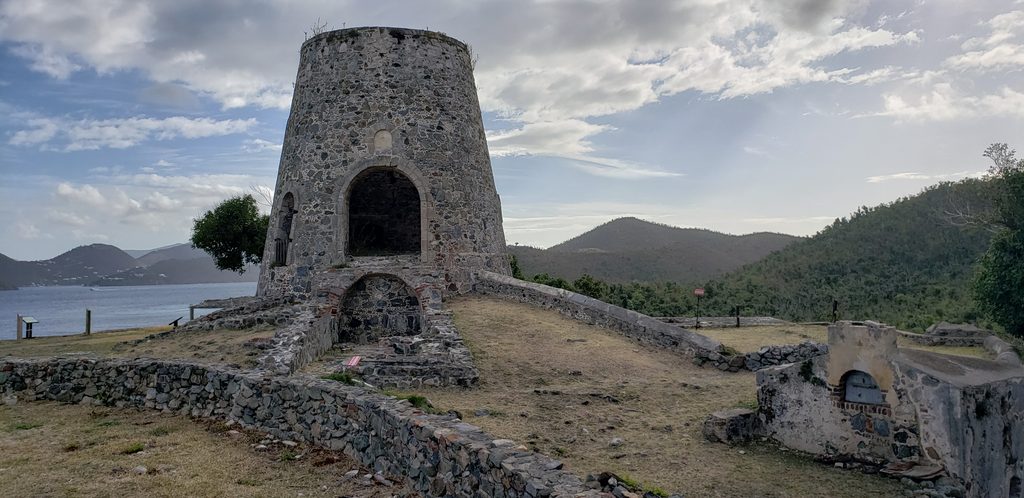
Annaberg Plantation Ruins

Windmill and sugar mill ruins with sweeping bay views
Annaberg Plantation Ruins, Virgin Islands National Park
InsideVirgin Islands National Park

Overview

Annaberg Plantation Ruins is the park’s signature historic site, a compact complex of windmill, animal mill, boiling house, and factory remains that tells the story of St. John’s sugar era and the people forced to power it. Expect evocative ruins perched above bright-blue water—beautiful scenery wrapped around a hard history.

What You’ll See

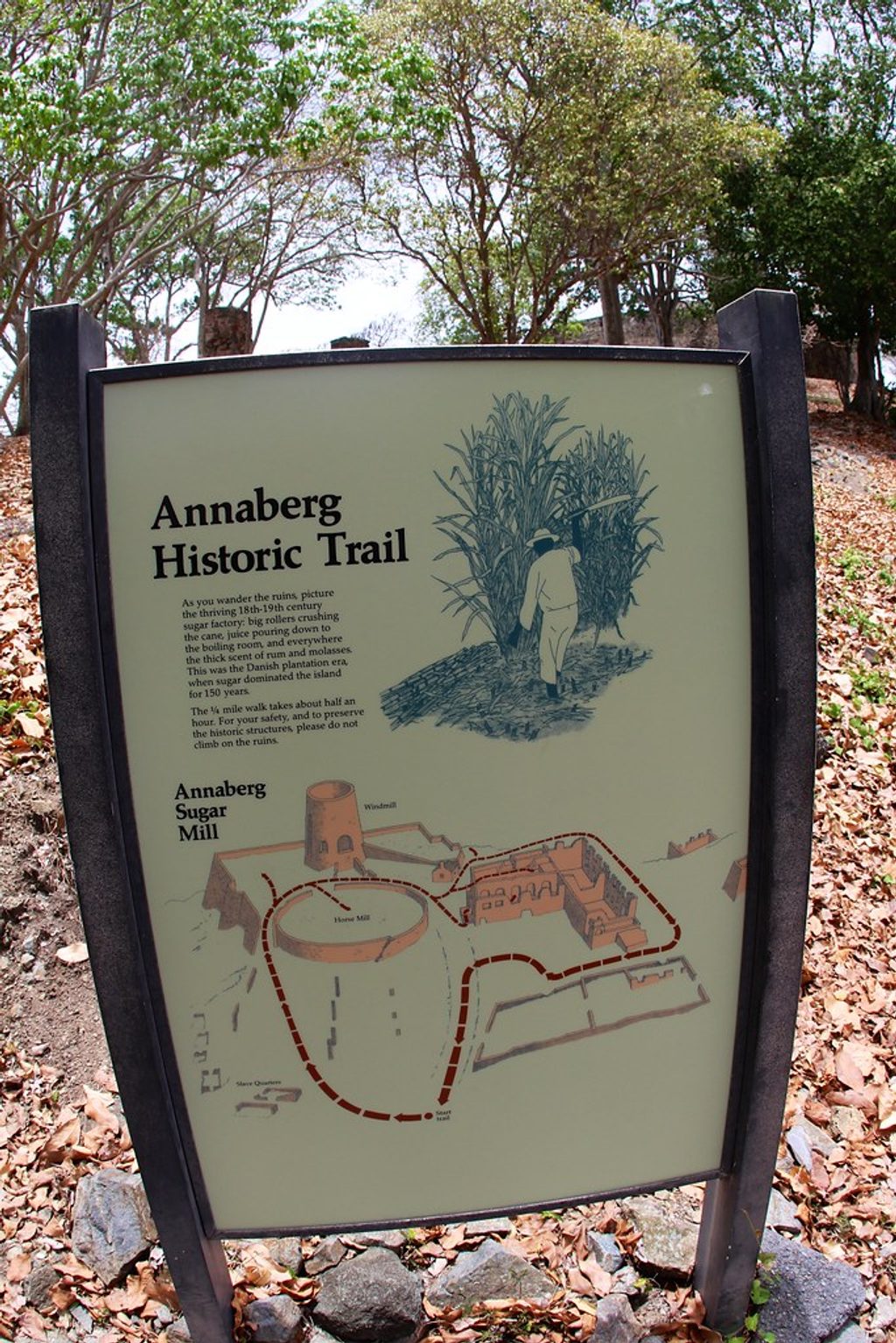
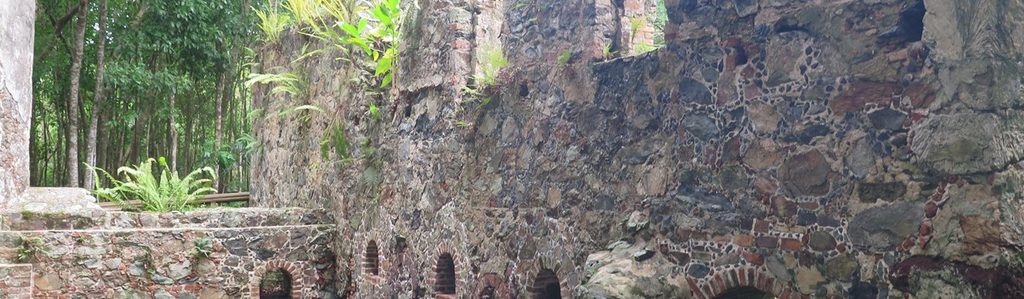
  • The towering windmill and millworks, foundations and rooms from the sugar factory, and remains of living quarters.
  • Clear, self-guided signage throughout that explains how cane became sugar, molasses, and rum, and centers the experiences, resistance, and culture of the enslaved.
  • Construction details—local stone with brick and coral masonry accents—typical of island sugar works.
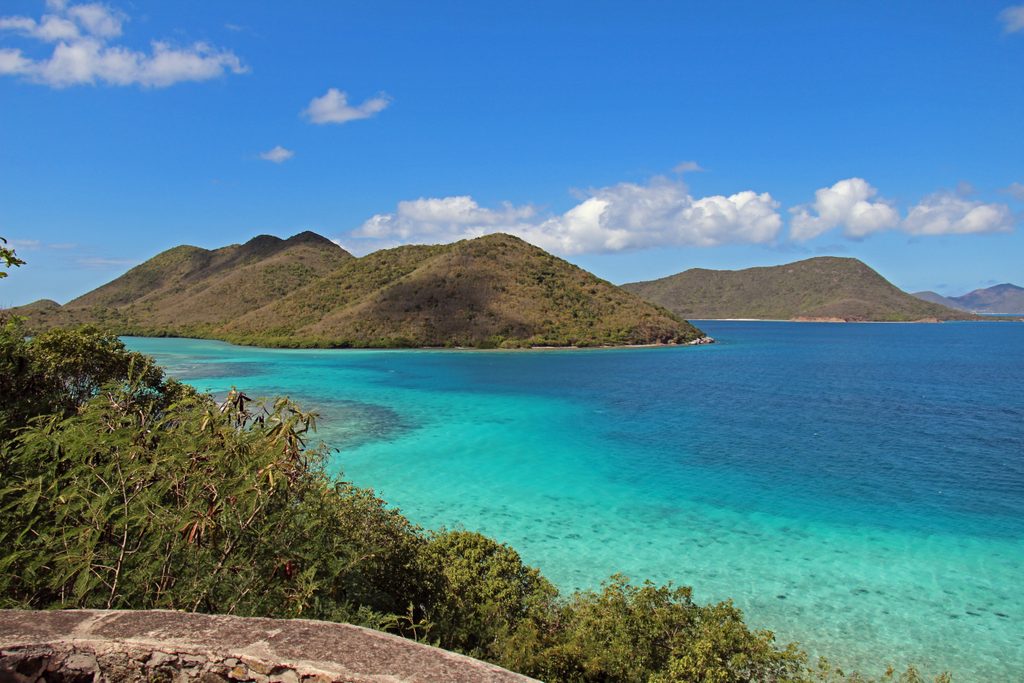
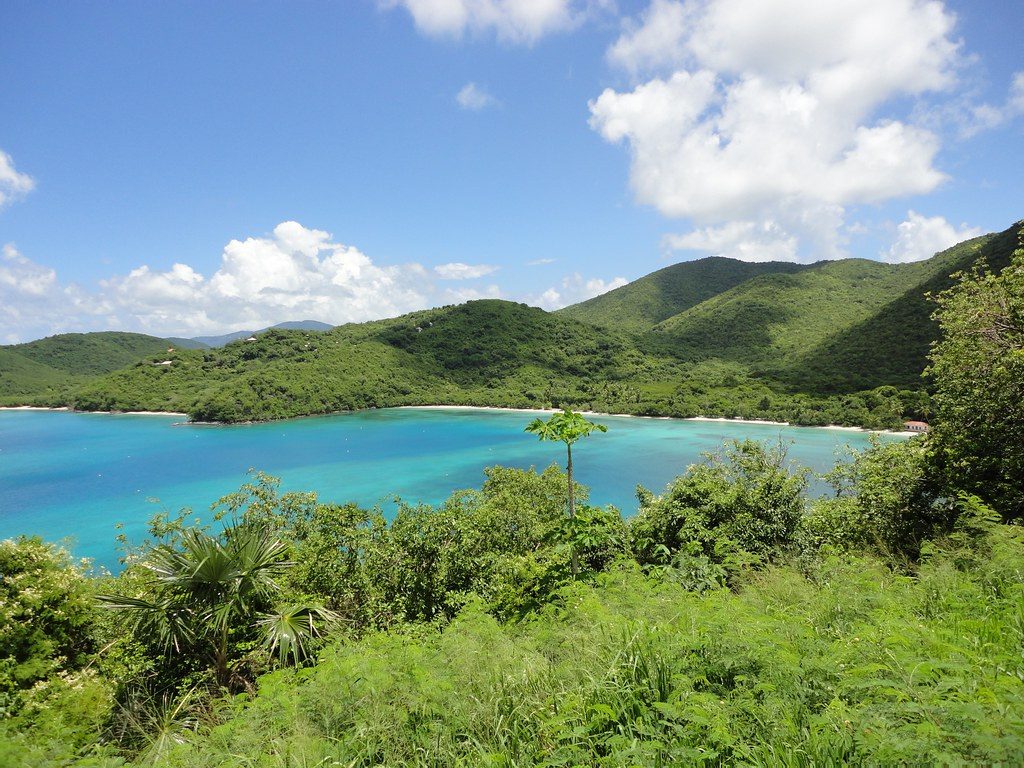
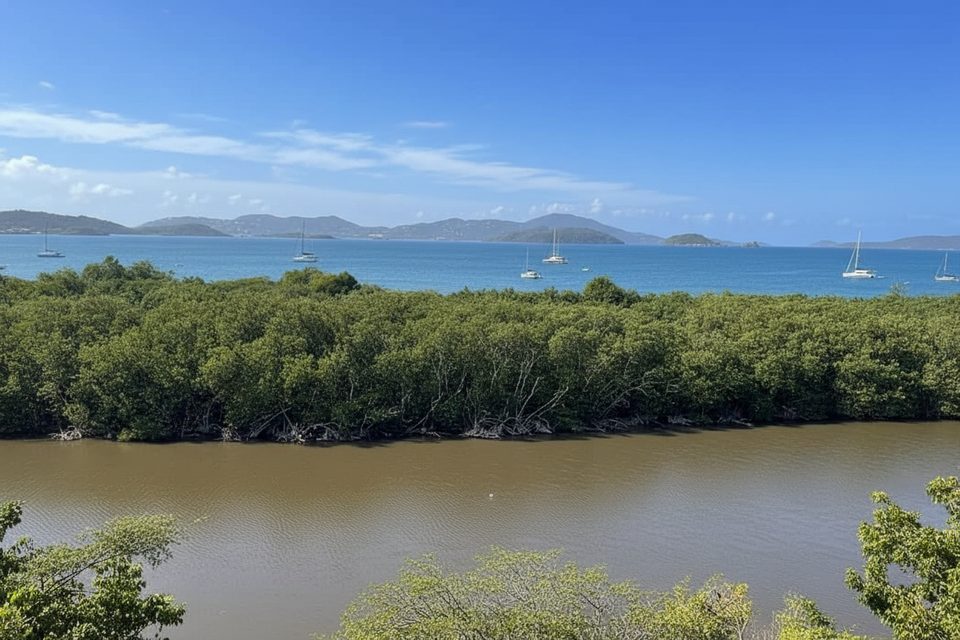
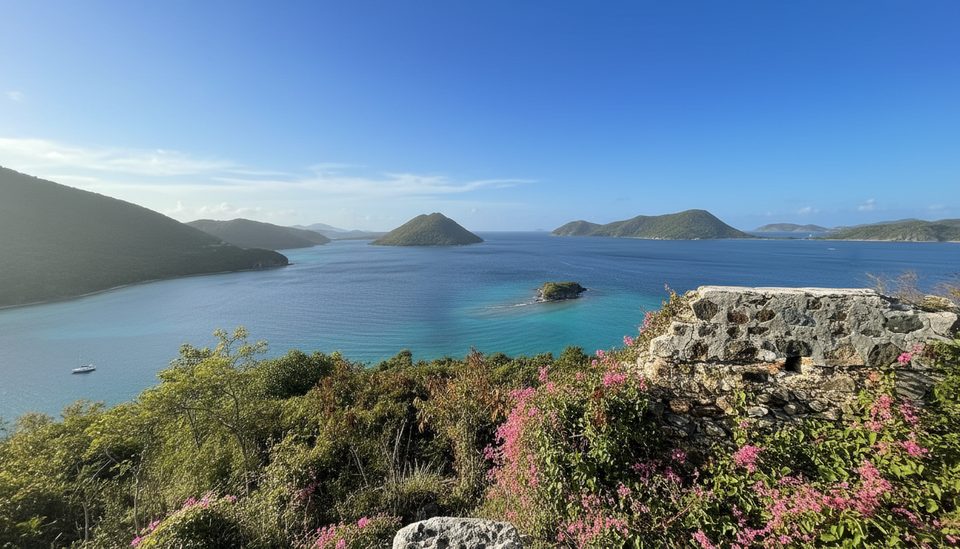
  • Big coastal vistas over Leinster/Waterlemon Bay and out toward the British Virgin Islands.

History, Straight Up

Established in the 18th century, Annaberg became one of St. John’s major sugar operations, running on the forced labor of over 600 enslaved Africans. The ruins today are preserved to confront that reality head-on—this is a place for reflection as much as sightseeing.

Logistics and How Long

Plan 30–60 minutes for a thoughtful wander. There’s a parking lot below the ruins and restrooms on-site. Paths and a short set of steps lead uphill to the complex; once among the buildings, the walking is generally easy. On some days, interpreters in the cookhouse or garden offer demonstrations and tastings (think coconut bread, sorrel tea, or sugarcane).

Wildlife and Setting

Around the ruins you may spot birds, lizards, and occasionally goats or deer. Bring insect repellent—shade and vegetation can mean mosquitoes, especially after rain. Please observe wildlife from a distance.

Pair It With

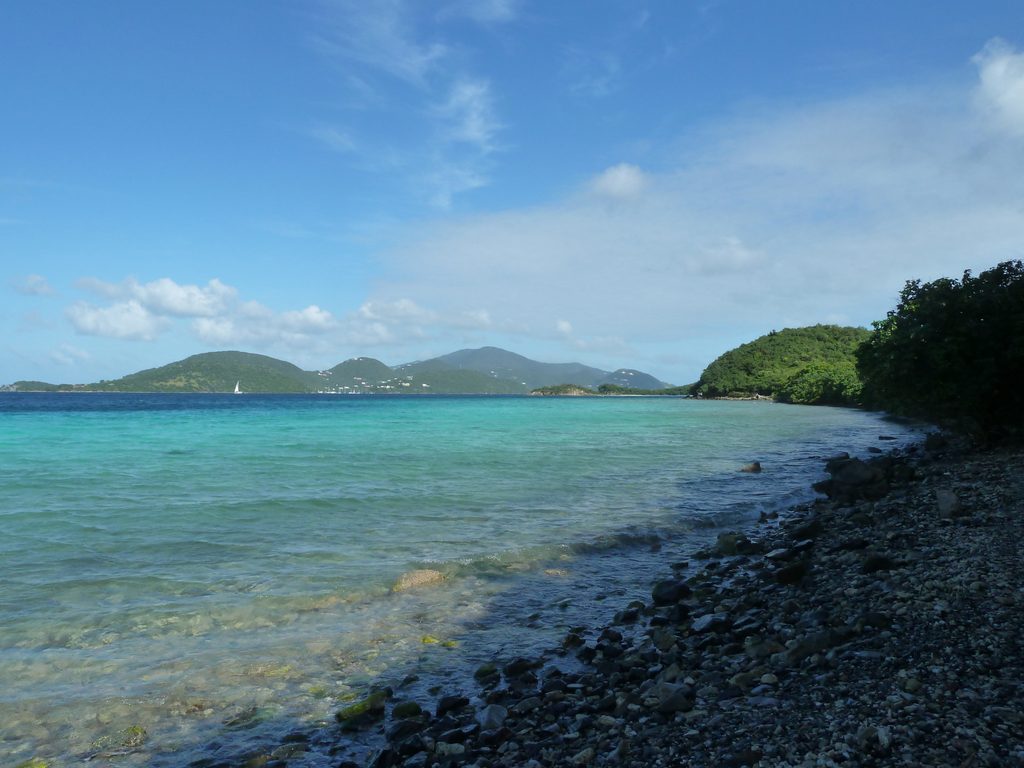
Combine Annaberg with the short, scenic stroll along Leinster Bay to Waterlemon Cay for views (and stellar snorkeling if you’re geared for it). History buffs might add nearby plantation sites for a fuller picture of the island’s past.

Best Time to Visit

  • Aim for opening hours in the morning (8–10 am) for cooler temps, softer light, easier parking, and quieter paths.
  • Midday (late morning to mid‑afternoon) is the busiest and hottest window.
  • Late afternoon (after 3 pm) can also be pleasant before the 5 pm close.
  • Weekdays and cruise‑heavy days see more mid‑day visitors; early is your friend any day.

What to Bring

Sun protection, water, sturdy shoes, and bug spray. A camera for those windmill-and-bay panoramas, and a reflective mindset for the history presented.

Pros

  • Powerful, well-signed sugar mill ruins and history
  • Gorgeous views toward Leinster Bay and the BVIs
  • Free, quick stop with parking and restrooms

Cons

  • Hot, exposed site—bring water and sun protection
  • Short uphill walk from parking with steps
  • Midday crowds can bunch up at popular spots

Tips

  • Arrive at opening (8 am) for cooler temps, easy parking, and fewer people.
  • Wear sturdy shoes and bring water, sunscreen, and insect repellent.
  • If stairs bug you, walk up the road or arrange a drop‑off closer to the top.
  • Set aside 30–60 minutes, then add the Leinster Bay walk to Waterlemon Cay.
  • Check current park conditions—occasionally areas close after storms.
The Parkwolf tour guide sitting on a phone mounted in a car

Parkwolf Tour Guide

Like a tour guide in your car.

Save the places you found around Virgin Islands, then let Parkwolf guide the drive between them.Download Parkwolf on the App Store