
Place · 0.1 mi away
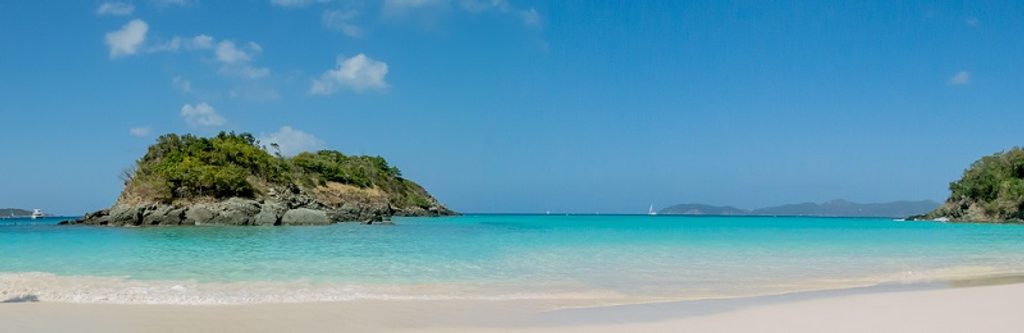
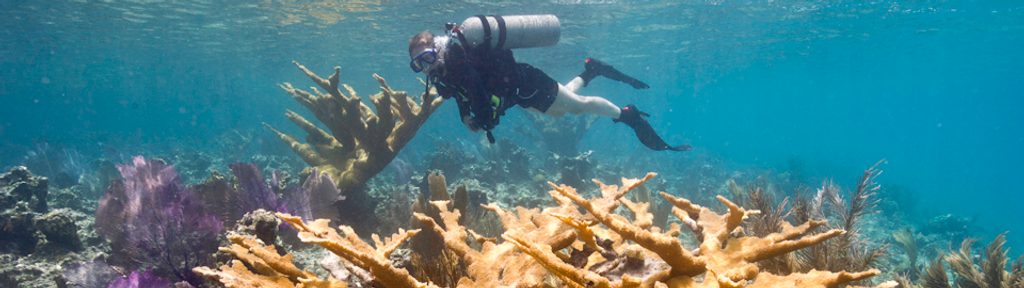
Trunk Cay is the little rocky islet just offshore of Trunk Bay, squarely inside Virgin Islands National Park. It’s famous for the self-guided underwater snorkel trail that circles the cay—think clear water, coral heads, and fish with interpretive plaques along the way. The cay itself is undeveloped; everything you’ll use (parking, restrooms, food, rentals) is on Trunk Bay Beach.
Expect reef fish and living corals along the flanks of the cay, with occasional sea turtles and rays cruising by. Above the water, seabirds often work the shoreline. The cay is an erosional remnant of St. John’s volcanic bedrock, so you’ll notice hard rock and bouldery pockets with reef growth where conditions allow.
Enter from Trunk Bay’s sandy beach and follow the marked underwater trail that loops around Trunk Cay. Conditions matter: wind and swell can create current and surge on the outside of the cay. If it’s choppy, stick to the lee side and consider skipping the far outside. Fins make the light current far easier. Newer snorkelers should start inside the bay, assess the water, then decide whether to circle the cay.
Use mineral/reef-safe sunscreen, keep your fins off the bottom, and never touch coral or wildlife—everything here is protected. Give turtles and rays space and look, don’t chase.
All the conveniences are back on the beach: restrooms and showers, a snack bar/concession (typically mid-day), picnic tables, gear and flotation rentals, lifeguards, and a parking lot that fills fast. Trunk Bay charges an expanded amenity fee (per person, 16+). Some federal passes offer discounts.
Go early morning or late afternoon for clearer water, lighter crowds, and easier parking. Try to avoid days when cruise ships are in port on nearby St. Thomas. Calm-weather days (especially without a north swell) make the circuit around the cay far more enjoyable.
Virgin Islands National Park was established in 1956 to protect St. John’s beaches, reefs, and cultural sites. The “trunk” in Trunk Bay references the leatherback sea turtle—an occasional visitor to these waters.
Place · 0.1 mi away
Place · 0.2 mi away
Place · 0.4 mi away
Place · 0.4 mi away
Easy · 0.6 mi away
Easy · 0.6 mi away
Moderate · 1.1 mi away
Moderate · 1.2 mi away

Parkwolf Tour Guide
