Place · 3.9 mi away

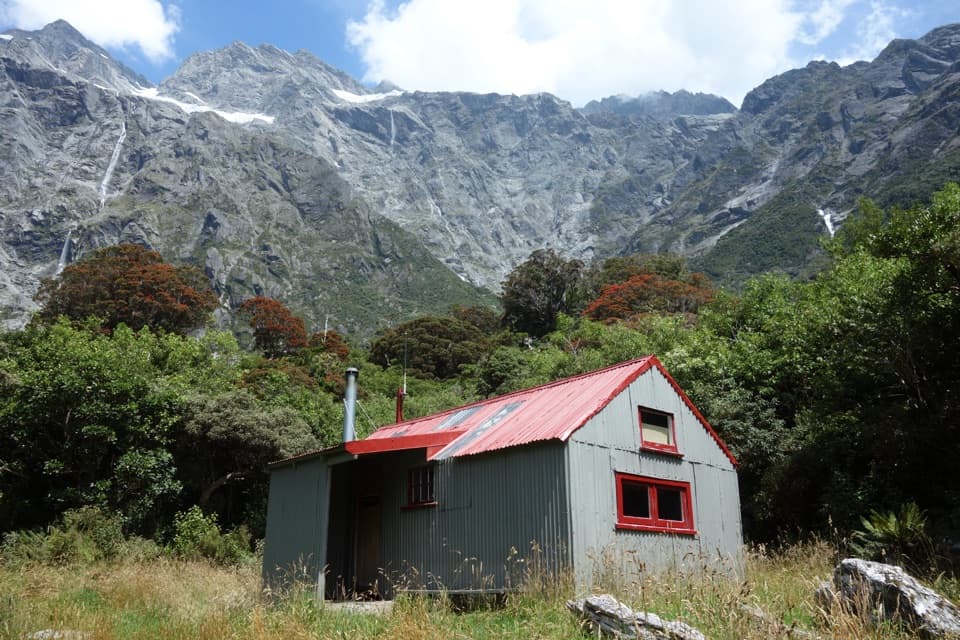
Douglas Rock Hut is a small, standard 8‑bunk backcountry hut tucked high in the upper Copland Valley. It’s a sweet payoff for experienced trampers: close-up Southern Alps scenery, with views toward the Navigator Range, Mount Sefton and the Footstool. For most parties, this hut is the end of the maintained route; beyond here the terrain rapidly turns alpine and serious.
Follow the Copland Track to Welcome Flat Hut (about 18 km, typically 7 hours), then continue another ~7 km (around 3 hours) to Douglas Rock Hut. From Welcome Flat you cross the Copland River and trend up-valley on the south side, passing grassy flats, side-stream crossings (including Scott Creek), forested climbs and scree traverses. A swing bridge crosses Tekano Creek en route.
It’s a standard DOC hut: 8 bunks with mattresses, a wood stove/closed fire for heating, a rainwater tank and a basic (non‑flush) toilet. No bookings—bring hut tickets or a Backcountry Hut Pass and use the honesty system. Facilities are simple; plan to be self‑sufficient.
Best in summer–autumn. The upper Copland is notorious for flooding, rockfall and avalanches; rivers and side streams can become impassable during or after rain. Expect slower travel beyond Welcome Flat due to rougher ground and numerous unbridged crossings.
Do not treat Copland Pass as a tramping route. Multiple fatalities have occurred here. Only highly experienced mountaineers with full alpine kit should consider it, and west‑side access is especially hazardous. For most visitors, Douglas Rock Hut is the sensible turnaround.
Standard hut fees apply: Adult NZ$10/night; Youth (5–17) NZ$5; 0–4 free. No bookings for Douglas Rock Hut; first‑come, first‑served. Carry the correct hut tickets or a Backcountry Hut Pass.
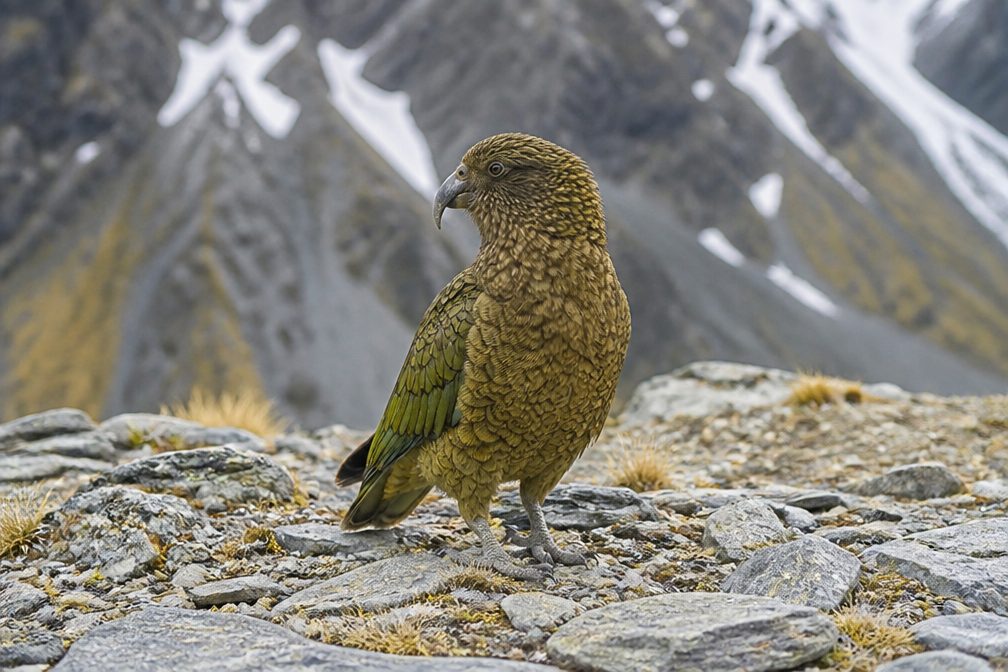
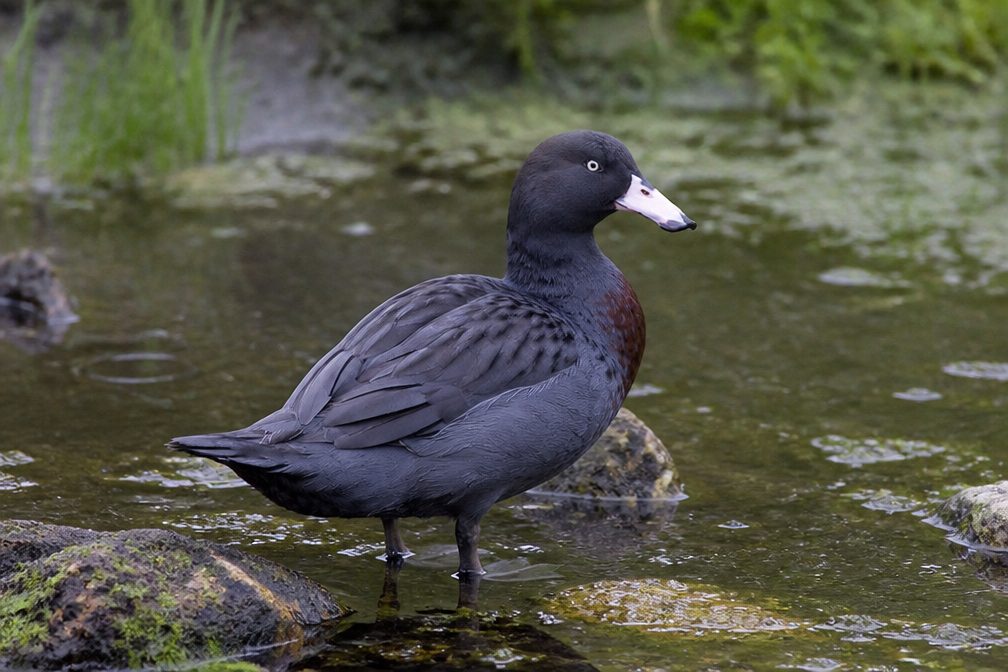
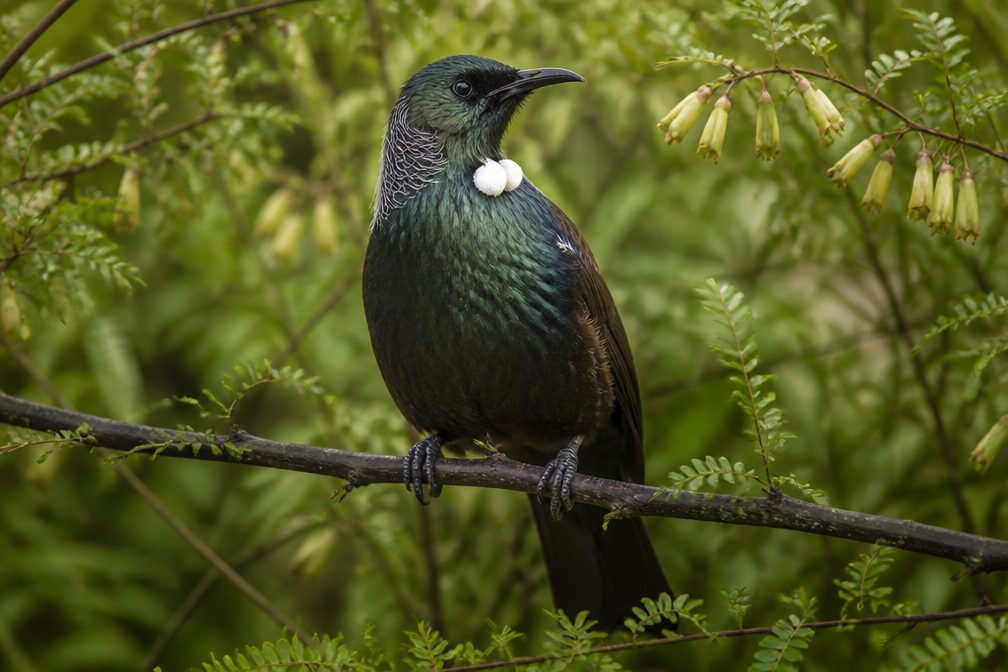
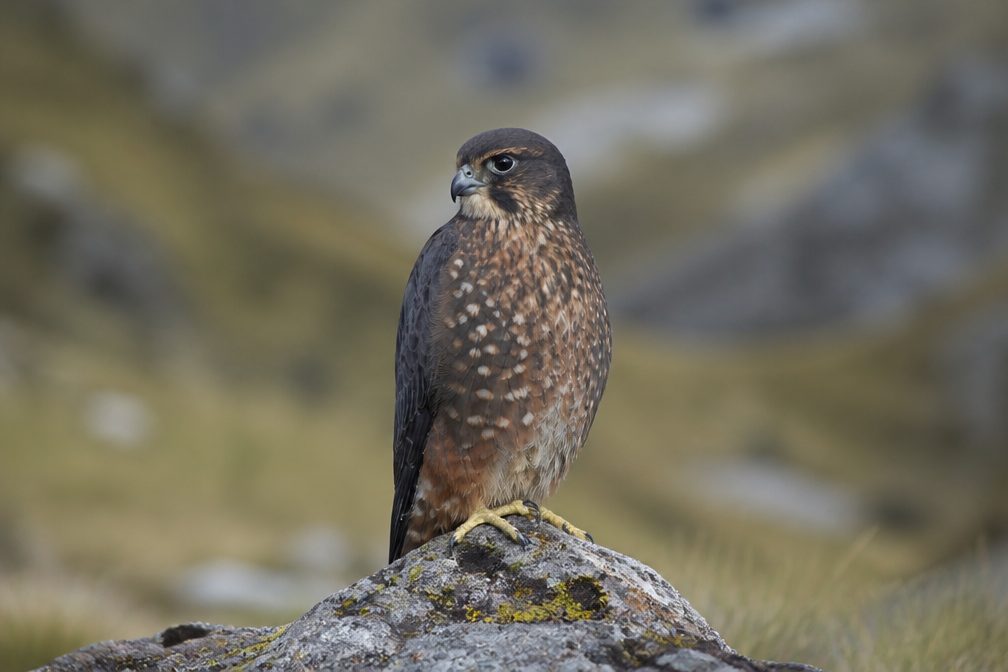
You’re in classic West Coast river‑terrace and beech/scree country. Expect typical forest birdlife and big mountain drama as the valley narrows and the headwalls loom.
November–April offers longer, more stable days. Start early to beat afternoon stream rises. Weekdays see fewer people vying for just eight bunks. Photographers get kinder light in the morning and late afternoon as peaks pick up warm tones; midday is harsher and flatter.