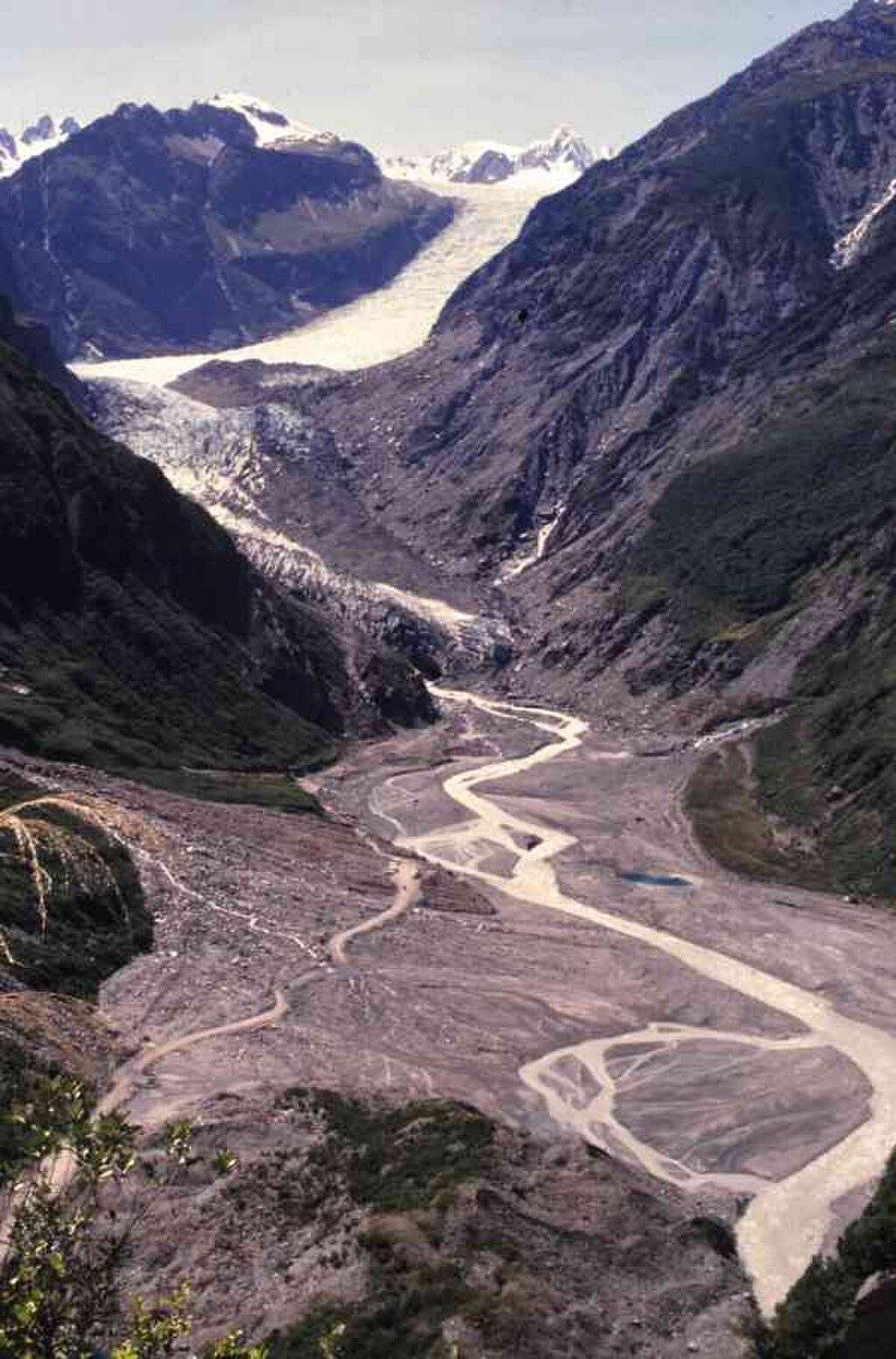
Fox Glacier / Te Moeka o Tuawe

A rare low-elevation glacier best seen by heli or valley viewpoints
Fox Glacier / Te Moeka o Tuawe, Westland Tai Poutini National Park
InsideWestland Tai Poutini National Park

Overview

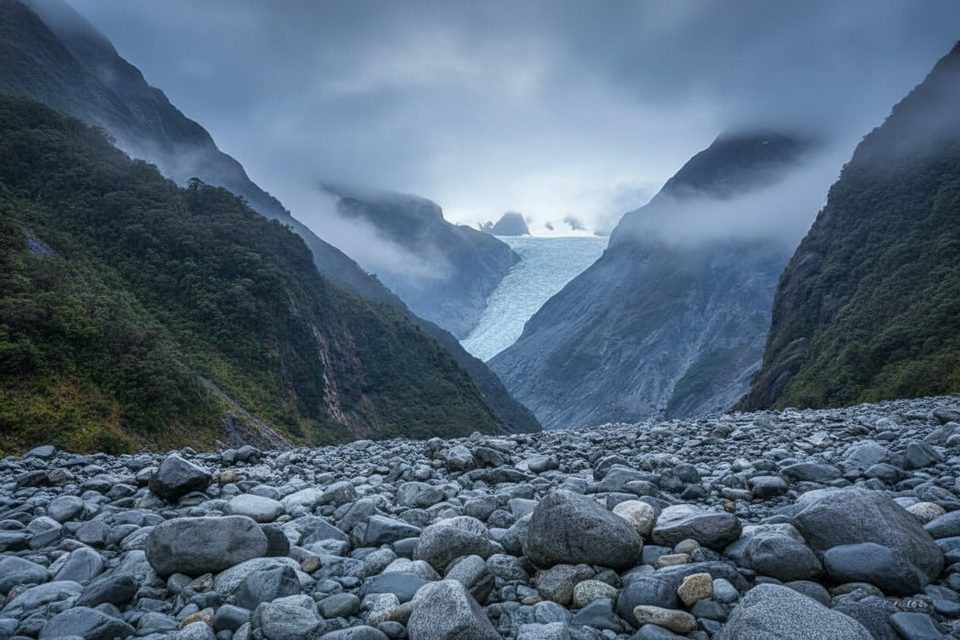
Fox Glacier / Te Moeka o Tuawe is a fast, wet, temperate glacier plunging from the high neve of the Southern Alps to near sea level in a short 13 km run. That rare low altitude, plus a valley carved by ice and torrential West Coast weather, makes this one of the most dramatic sights in the region. The Māori name recalls the legend of Hine Hukatere and Tuawe, and today the glacier’s official dual name reflects that heritage.

What makes it special

Few glaciers get this close to the coast and a township. You can see the ice and its valley scars from short, easy walks, broader viewpoints, or by getting onto the glacier itself with a heli‑hike or scenic flight. It’s a living, shifting system—ice here has been measured moving quickly, and the glacier has generally retreated since its historical advances, so views and access points change over time.

How to see it now

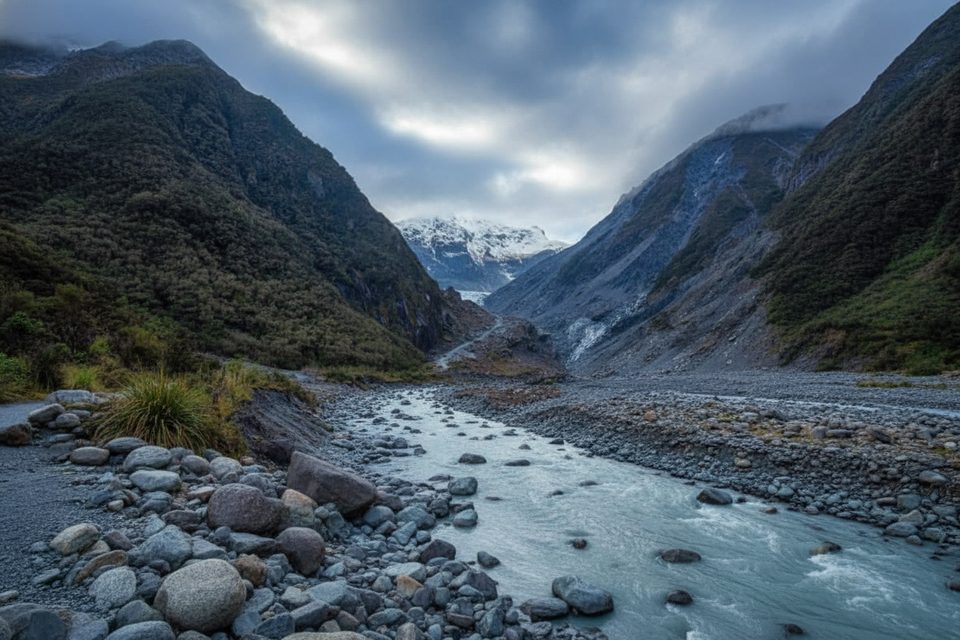
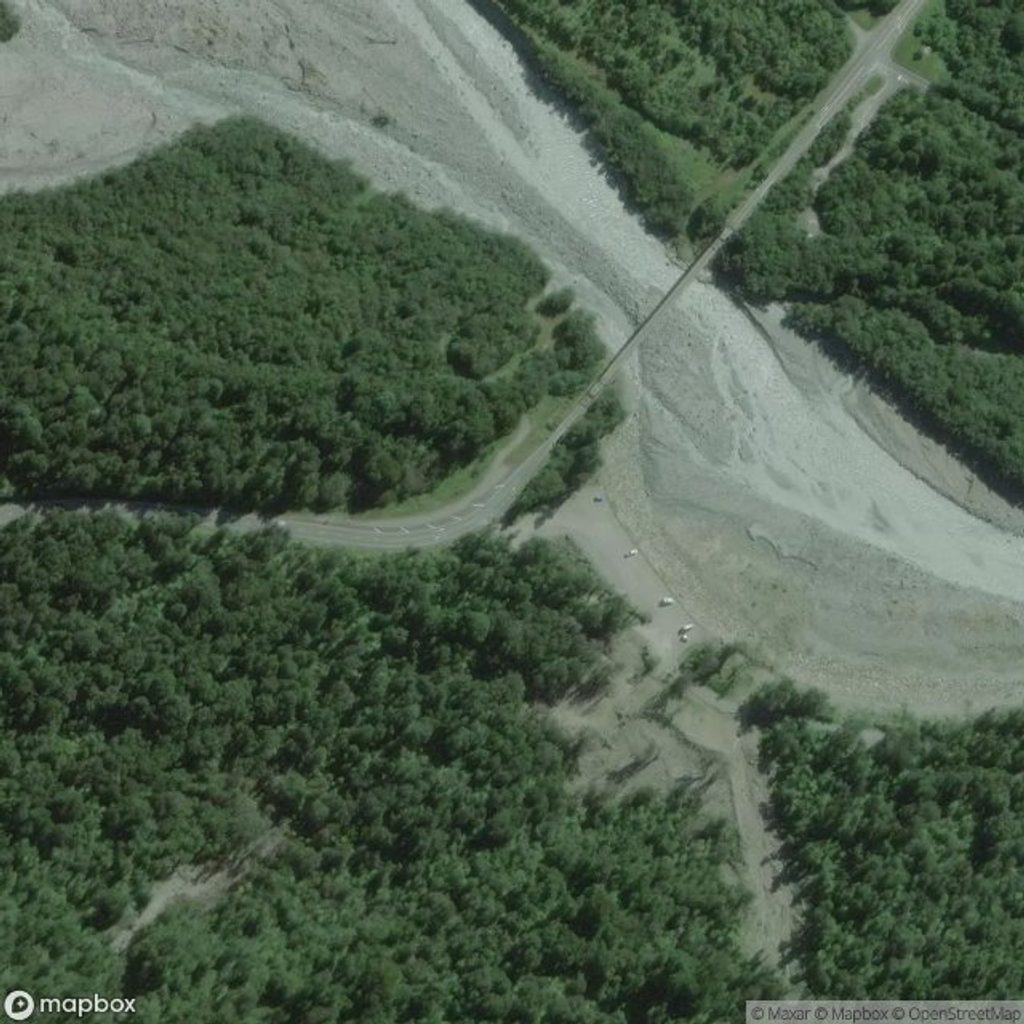
  • Fox Glacier Valley: A short drive from the township puts you among rainforest, river flats, and clear views up‐valley toward the ice.
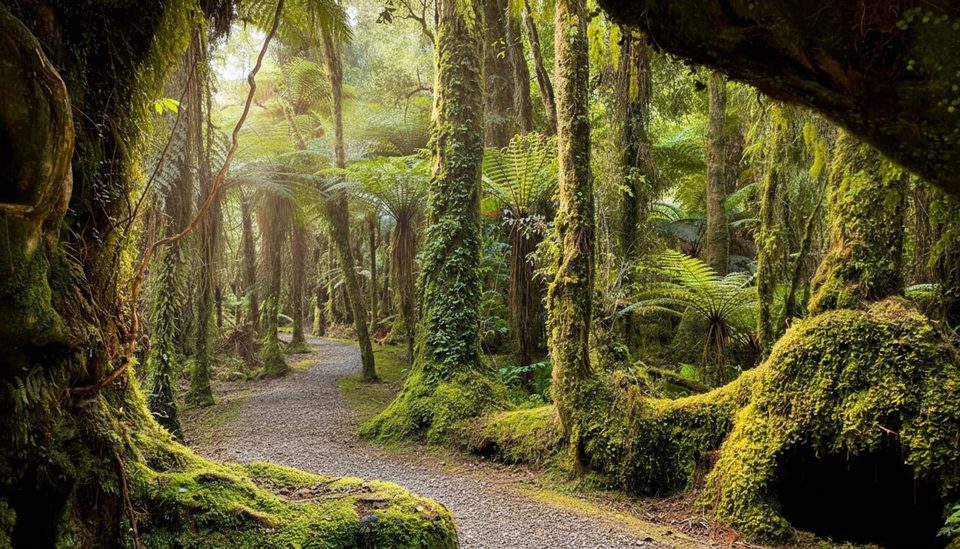
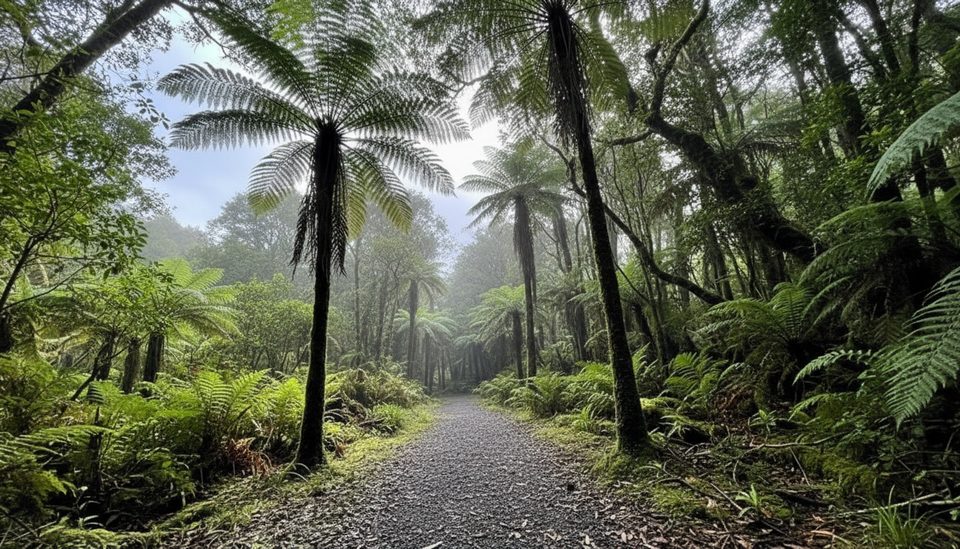
  • South Side Walkway/Cycleway (6.4 km return): An easy track along the Fox River’s south bank through ancient forest to a signed viewpoint. Bikes are only allowed to an old car park; the last stretch is on foot. Obey closures—rockfall and flood surges are real hazards.
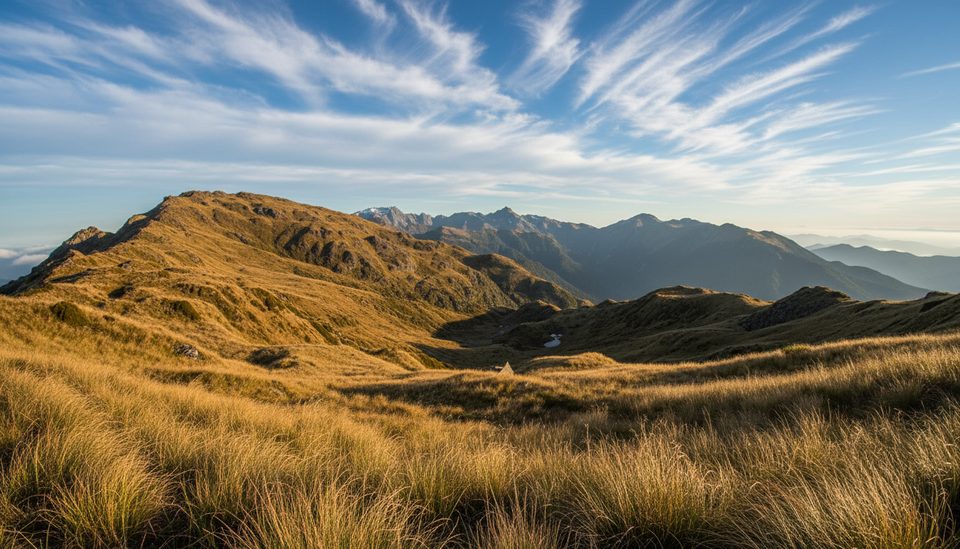
  • Peak Viewpoint: A quick detour toward the coast gives big‑sky looks to the neve and Southern Alps—particularly lovely on a clear evening.
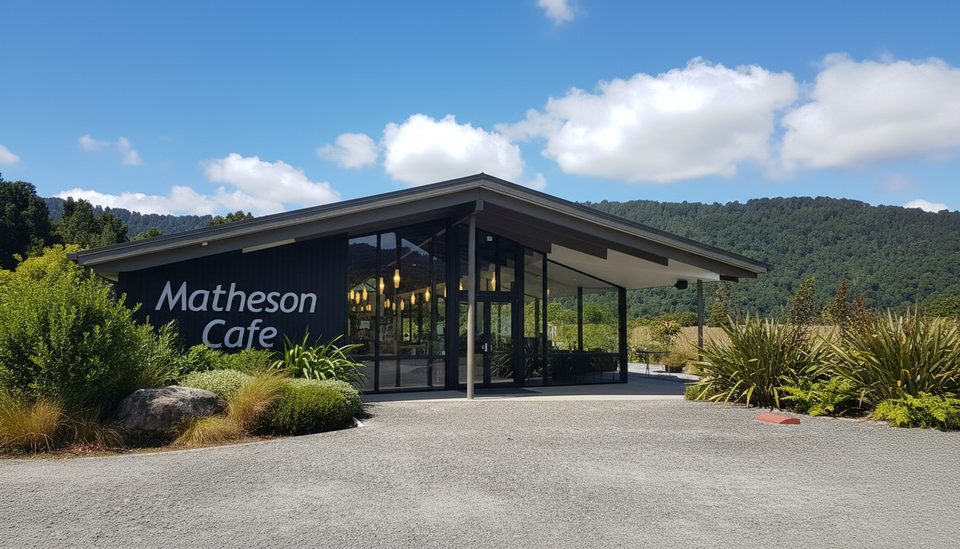
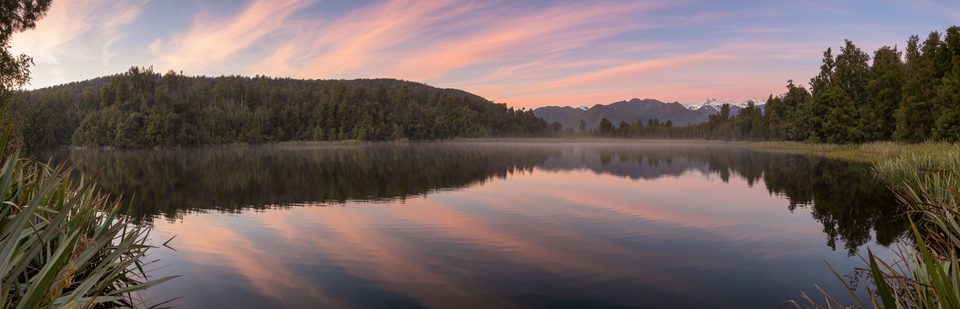
  • Nearby classics: Lake Matheson’s loop track can deliver mirror‑calm reflections of Aoraki/Mt Cook and Mt Tasman on still, clear mornings; Lake Gault offers a quieter forest tramp with mountain views in good weather.

Safety and practicalities

Weather flips fast here. Stay on marked tracks, heed barriers, and don’t approach the terminal face or go on the glacier without qualified guides. River levels can surge from icefall‑fed floods. Drones need a Department of Conservation permit. In the valley you may encounter kea—don’t feed them.

Geology in a nutshell

The Alpine Fault relentlessly lifts the range while ice and rain carve it down. The glacier drops roughly 2,600 m from source to terminus, scouring greywacke and schist along the way. It’s a showcase of rapid glacial erosion, fresh rockfall scars, and ever‑moving ice.

Best time to visit

  • Early morning: Calmer air for Lake Matheson reflections and softer light in the valley.
  • Late afternoon to sunset: Peak Viewpoint often delivers warm side‑light on the neve when skies cooperate.
  • Any day with a clear window: This coast gets a lot of precipitation—grab the blue‑sky breaks when they appear and check current track statuses before you go.

Services and info

Base yourself in Fox Glacier township for toilets and supplies. For the latest track, weather, and permit information, the Westland Tai Poutini National Park Visitor Centre in nearby Franz Josef is the go‑to.

Pros

  • Rare low-elevation glacier with multiple ways to experience it
  • Dramatic viewpoints via short valley walks and scenic flights

Cons

  • Road to the terminal face is closed; most on-ice access is by helicopter
  • Tracks and viewpoints can close without notice due to rockfall or flooding

Tips

  • Check DOC track alerts the morning you go—closures happen after heavy rain or rockfall.
  • On the South Side Walkway, you can cycle only to the old car park; walk the final minutes to the viewpoint.
  • For reflections at Lake Matheson, arrive early on a calm, clear morning.
  • Sunset light can be excellent from Peak Viewpoint on clear days.
  • Don’t feed kea and leave drones at home unless you have a DOC permit.
The Parkwolf tour guide sitting on a phone mounted in a car

Parkwolf Tour Guide

Like a tour guide in your car.

Save the places you found around Westland Tai Poutini, then let Parkwolf guide the drive between them.Download Parkwolf on the App Store