
Place · 0.1 mi away
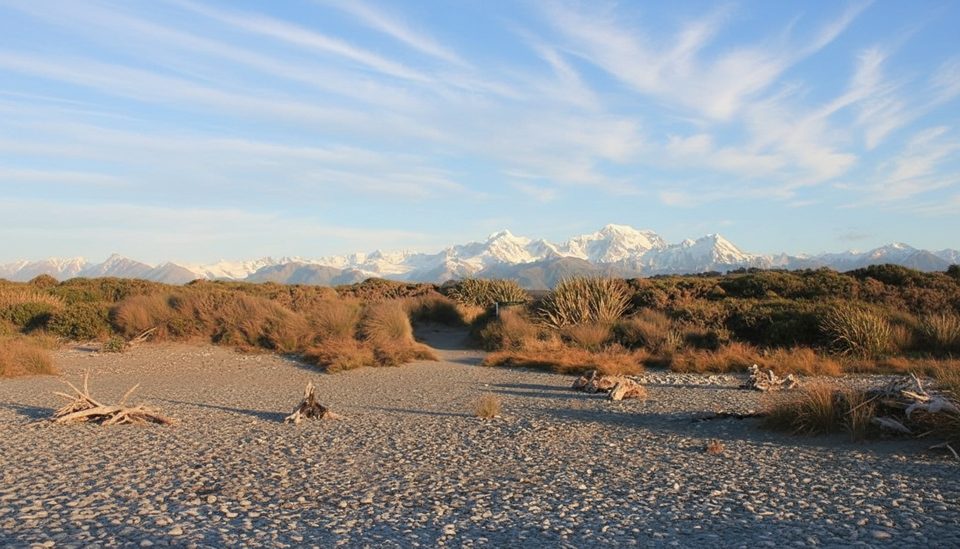
Gillespies Point is the rugged headland at the northern end of Gillespies Beach, where shingle shore, glacial moraine cliffs, and big Tasman Sea swells collide. It’s a wild, end‑of‑the‑road spot: dramatic views to the Southern Alps Kā Tiritiri o te Moana (including Aoraki on clear days), thundering surf, and a dose of West Coast history.
This point is a time capsule of the gold‑rush era. Miners once carved a tunnel through the headland to create an all‑tide route along this notoriously bluff‑bound coast. The tunnel’s seaward end is now closed by erosion, but reaching the headland via the Miners’ Tunnel Track still delivers the feel of that frontier coastline.
The point is built from glacial moraine—mainly greywacke—pushed out from the high country. Erosion gnaws at these deposits, creating sheer coastal cliffs that run northeast toward the Waikūkūpa River. Inland, you’ll notice a mix of young hardwoods with taller kahikatea, rimu, and miro, all toughing it out against salt spray and wind.
Known to Māori as Waikōhai, this coast supported settlement, urupā (burial places), and mahinga kai (food‑gathering). The clean sightline to Aoraki carries cultural weight within Ngāi Tahu traditions. In 1866, James Edwin Gillespie’s gold find set off a local rush—hence the place names—and the tunnel you’re walking toward is a direct artifact of that era.
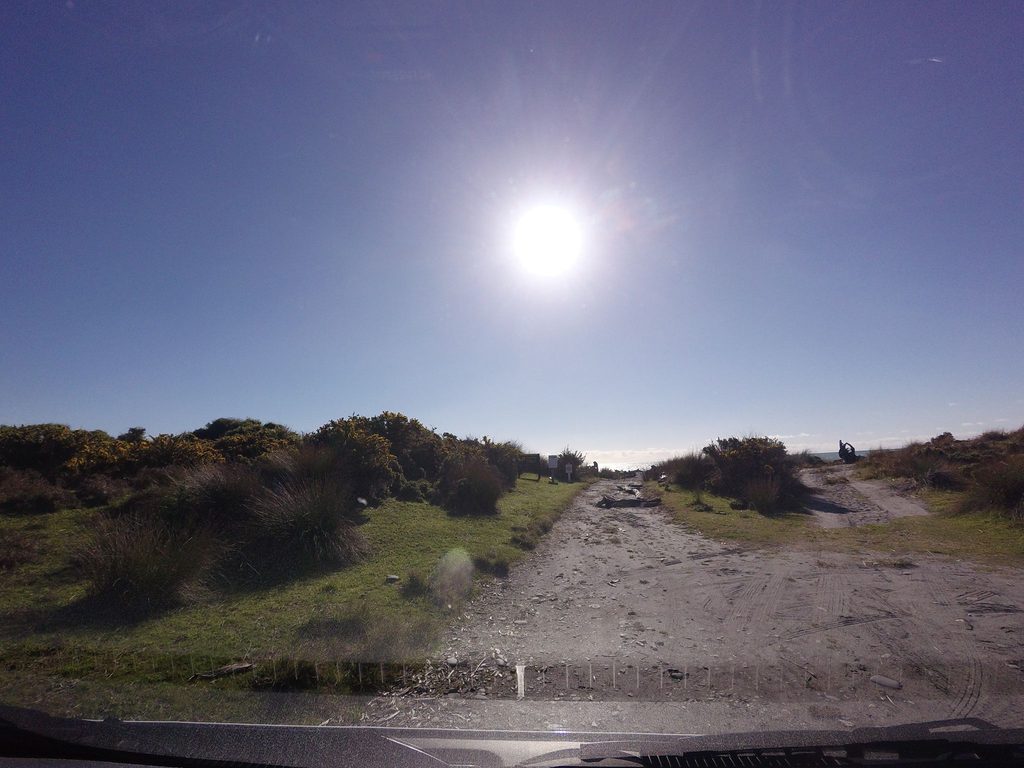
From Fox Glacier/Weheka, it’s about 21 km: head west on Cook Flat Road past Lake Matheson, then 11 km along Gillespies Beach Road. Roughly half the drive is narrow, unsealed, and winding, and it’s not suitable for towing vehicles. Take it slow.
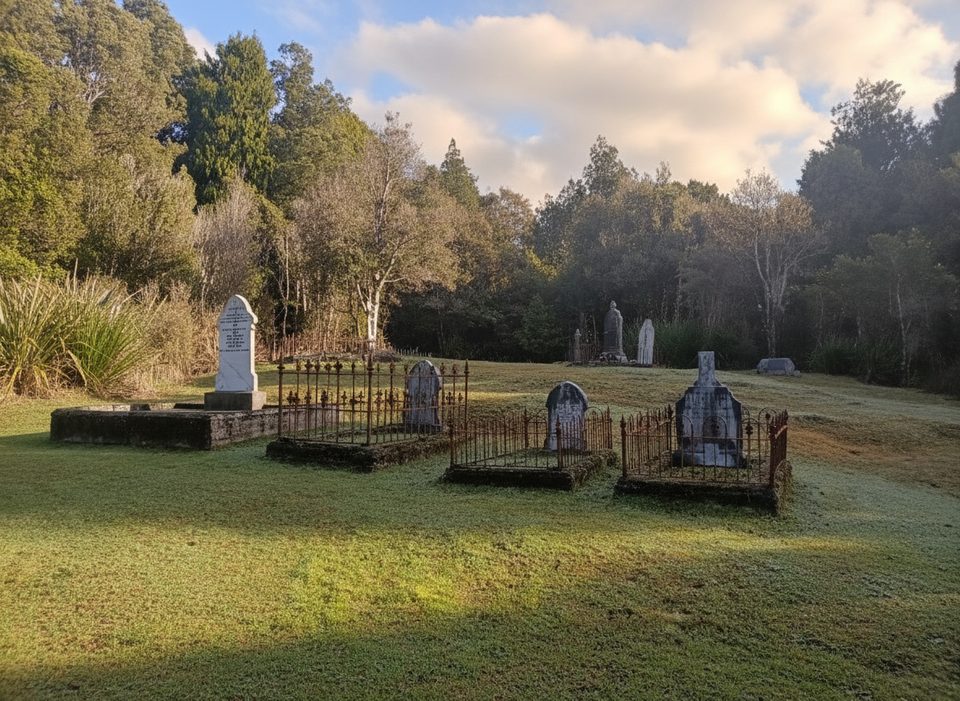
If you’re lingering at the car park/campsite, there are several short historic loops (cemetery, suction dredge, bucket dredge) and a longer tramping track to Galway Beach. Beyond the tunnel, the route continues toward Galway Beach, where there’s a winter haul‑out for New Zealand fur seals—do not pass through any colony; turn back if needed.
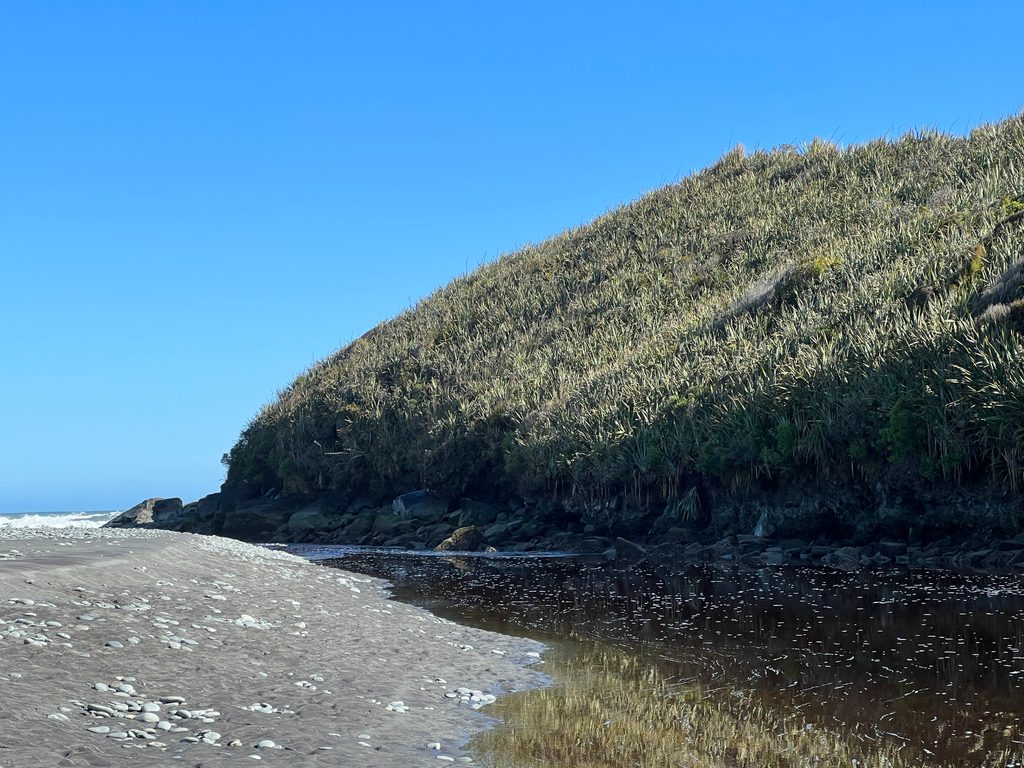
This coast is relatively undisturbed and important for native habitats. New Zealand fur seals use haul‑out sites nearby (notably at Galway Beach). Keep your distance, never feed wildlife, and give river mouths and drift logs a wide berth when seas are running.
Clear early mornings or late afternoons bring softer light on the Alps and fewer people on the track. Beach travel is tide‑dependent—plan around the tide, and avoid high surf days. Winter offers a better chance of seeing seals at Galway Beach, but conditions are wilder—pack layers and rain gear year‑round.
Place · 0.1 mi away
Place · 0.2 mi away
Place · 0.6 mi away
Place · 0.7 mi away
Easy · 0.1 mi away
Easy · 7.6 mi away
Moderate · 7.6 mi away
Challenging · 9.7 mi away

Parkwolf Tour Guide
