
Place · 1.3 mi away
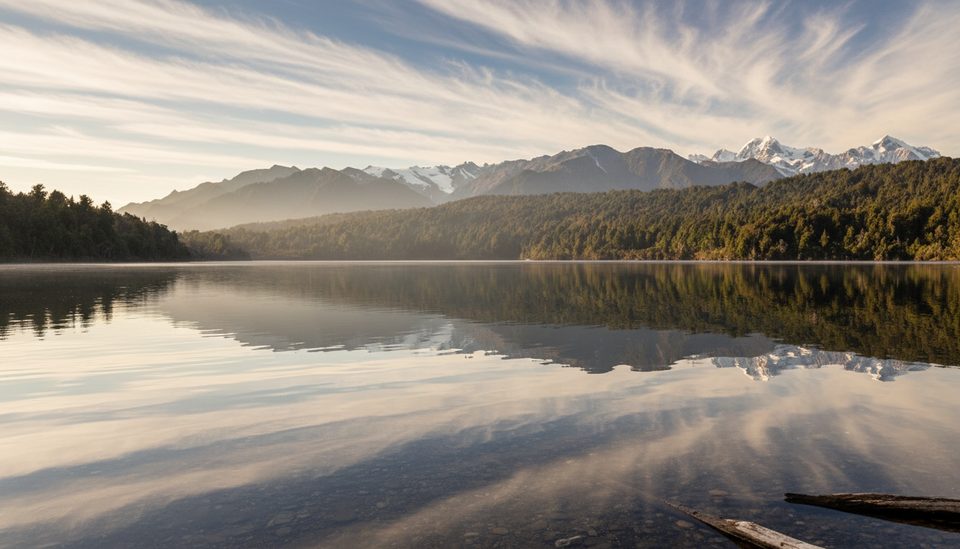
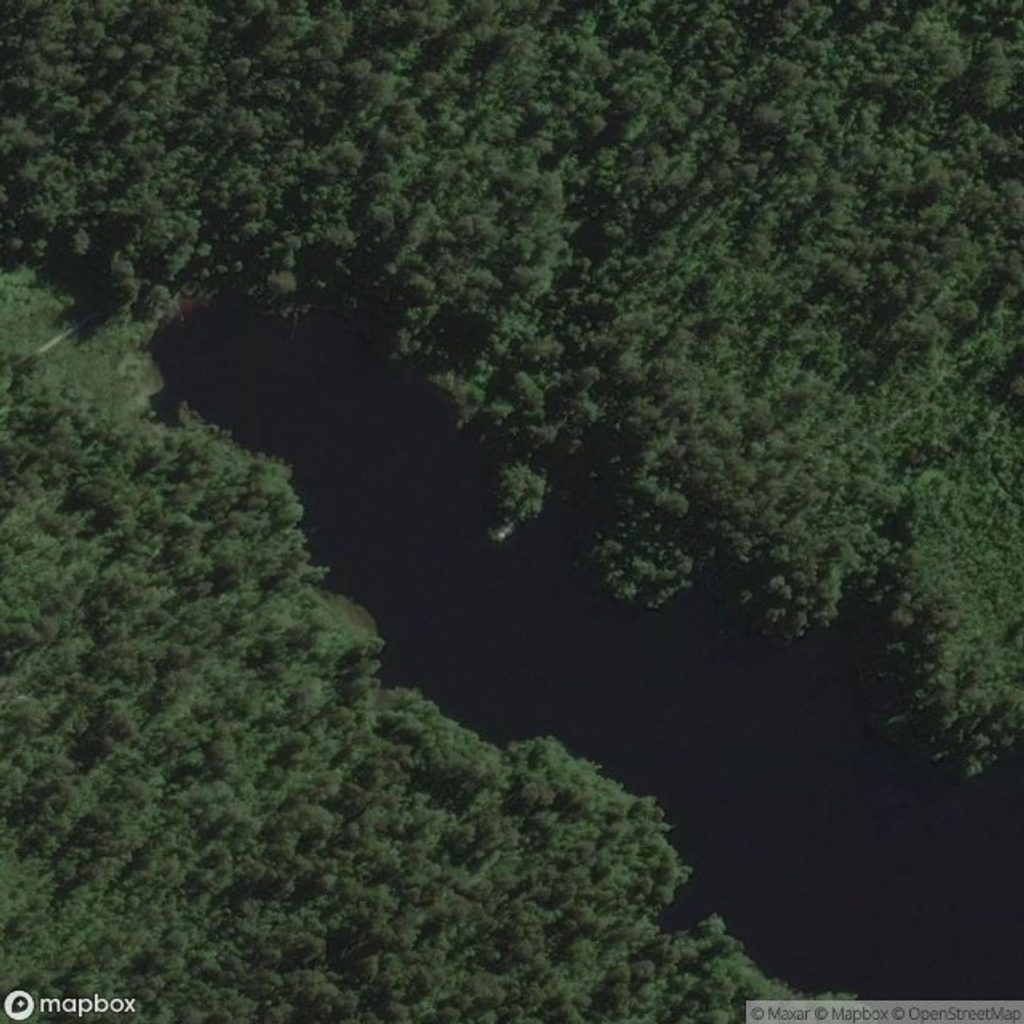
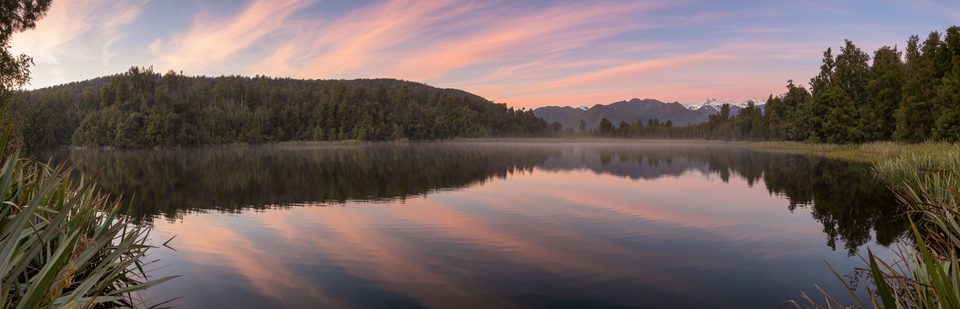
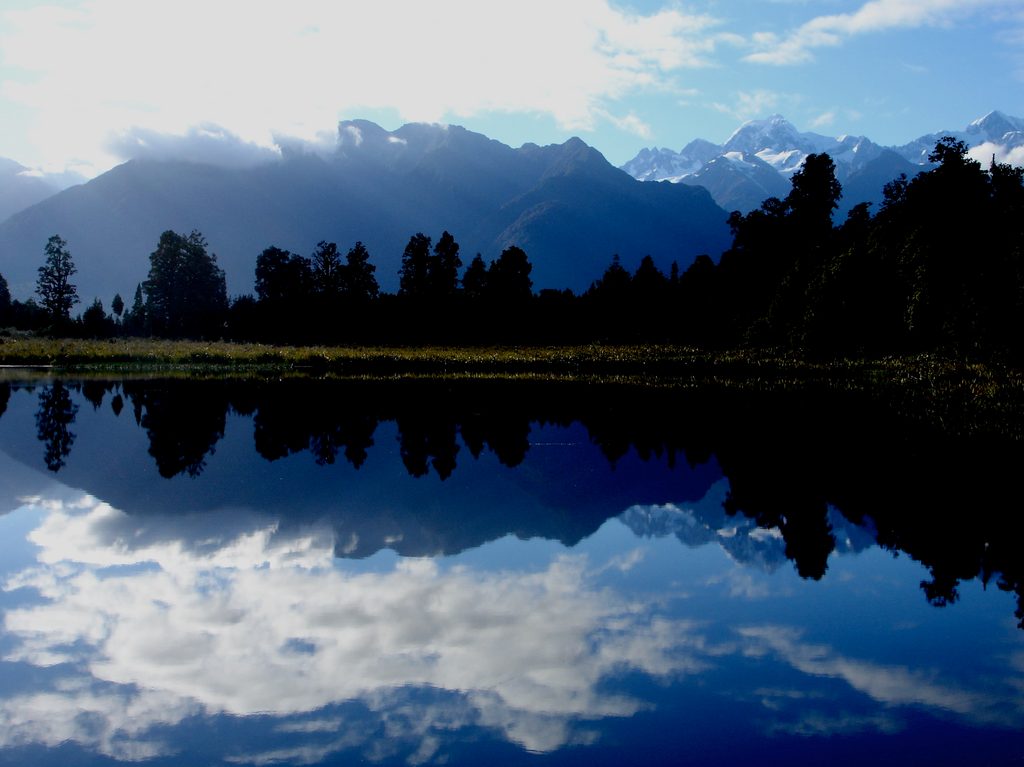
Lake Gault is the quieter, longer alternative to the famous Lake Matheson reflections. When the air is still, the lake turns into a dark mirror for the Southern Alps/Kā Tiritiri o te Moana, including Aoraki/Mt Cook and Mount Tasman. It’s a satisfying half‑day outing if you like big views earned by a gentle climb through lush rainforest.
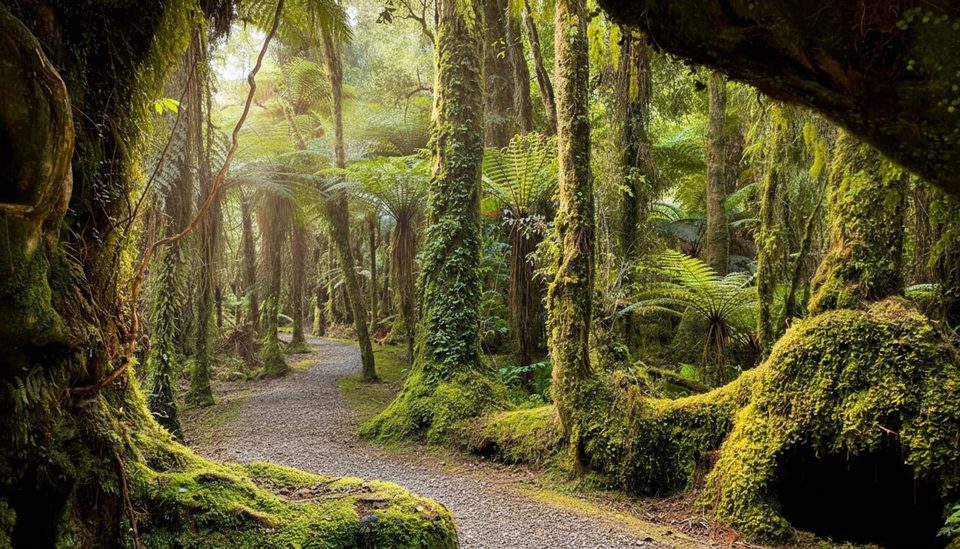
It’s an 8 km return track taking about 3 hours, with a gradual ~200 m climb through ancient podocarp forest. Start from the Lake Matheson carpark and walk the loop anti‑clockwise to the signed Lake Gault turnoff. The path is well formed but can be muddy and rocky in places. A midpoint lookout offers a breather over the river flats before you continue to the lakeside viewpoint and shelter.
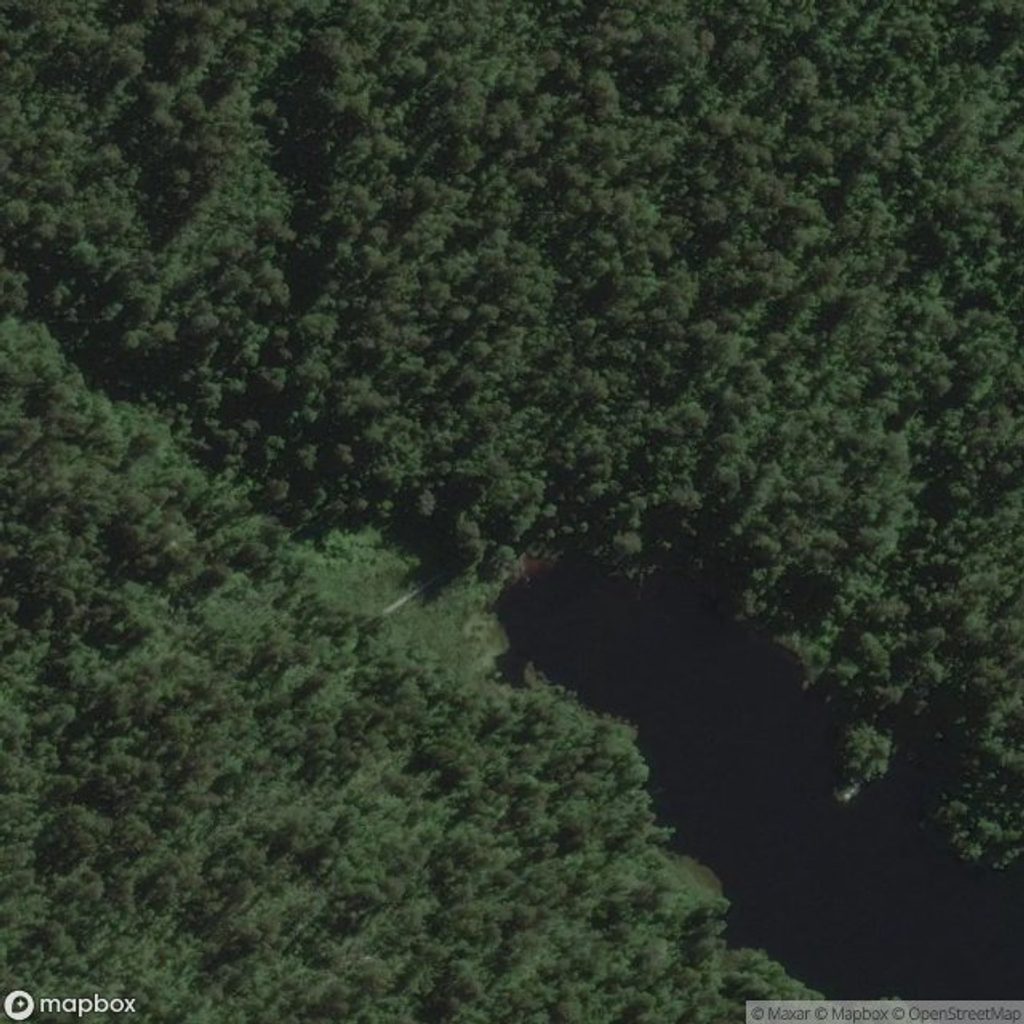
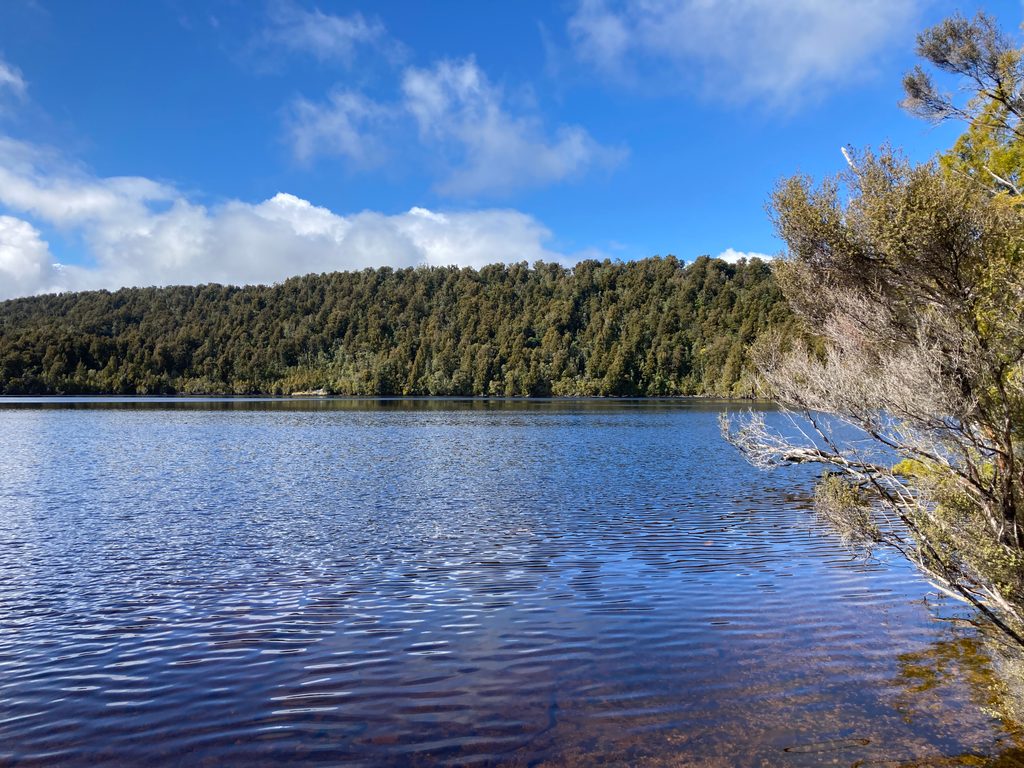
At the end, a lakeside lookout and shelter sit right on the water’s edge. On calm, clear mornings, the tannin‑dark surface perfectly reflects the high peaks. Information panels help you make sense of the skyline, nature, and history around you.
This forest is part of a conservation area for the critically endangered rowi (Ōkārito kiwi). You’re unlikely to spot one by day, but keep an ear out for native birds like tomtit, grey warbler, and fantail flitting through the canopy.
The original track was cut in the 1930s to pipe water from Lake Gault to a hydro station powering a gold‑mining dredge at Gillespies Beach. After roughly two decades closed, it reopened in 2019 and saw further upgrades in 2020. The lake itself is a small glacial basin at about 333 m elevation, likely formed around 16,000 years ago as meltwater filled a hollow left by trapped ice. Its tea‑colored, nutrient‑poor waters come from tannins leached by the surrounding rainforest of rimu, southern rātā, and kāmahi.
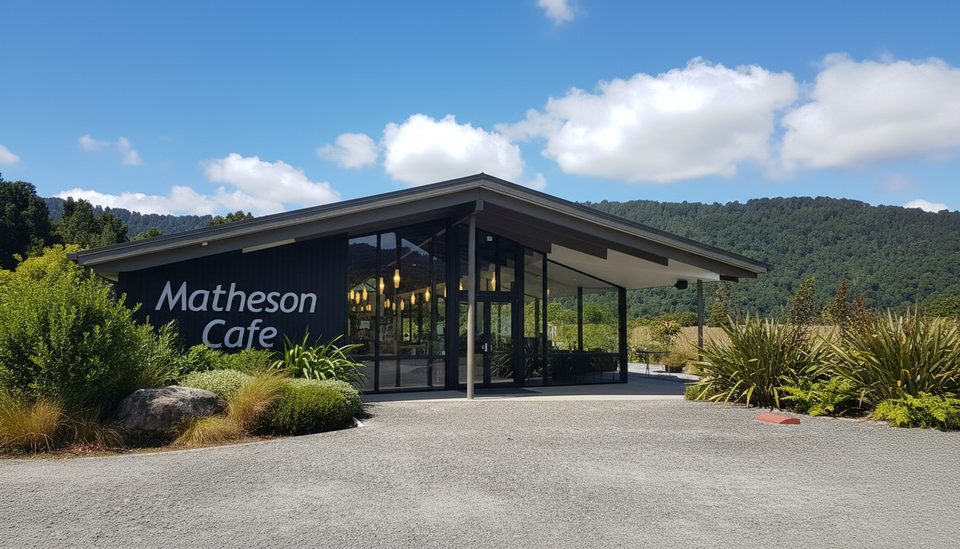
You’ll find flush toilets at the Lake Matheson carpark, and a composting toilet plus a shelter with two picnic tables at the Lake Gault lookout. There’s parking at the carpark and a café by the trailhead for a pre‑ or post‑walk treat. Drone use requires Department of Conservation authorisation.
Go early. Dawn to mid‑morning gives you the best chance of glassy water and unobscured peaks before wind ruffles the surface and cloud builds over the Alps. Weekdays are typically quieter than weekends, and soft morning light suits photography.
If you want the classic mirror image without the crowds and don’t mind earning it, this track is a rewarding pick. If the weather’s clagged in, save it for a clearer morning—this spot shines when the sky does.
Place · 1.3 mi away
Place · 1.3 mi away
Place · 1.5 mi away
Place · 1.5 mi away
Easy · 1.5 mi away
Moderate · 1.5 mi away
Easy · 3 mi away
Challenging · 3.5 mi away

Parkwolf Tour Guide
