
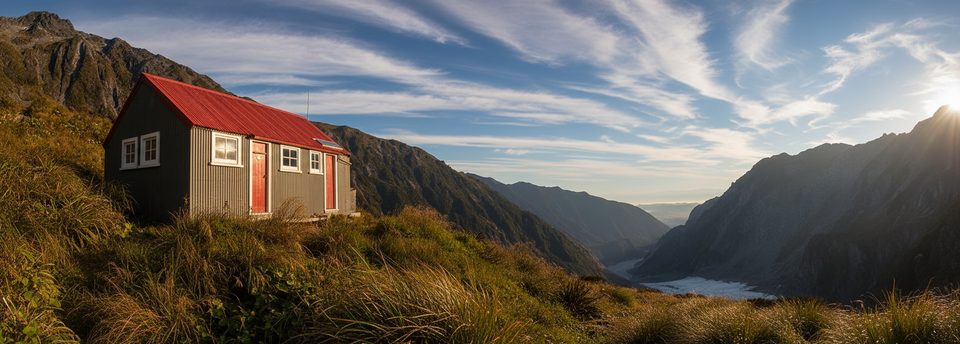
Place · 4.4 mi away
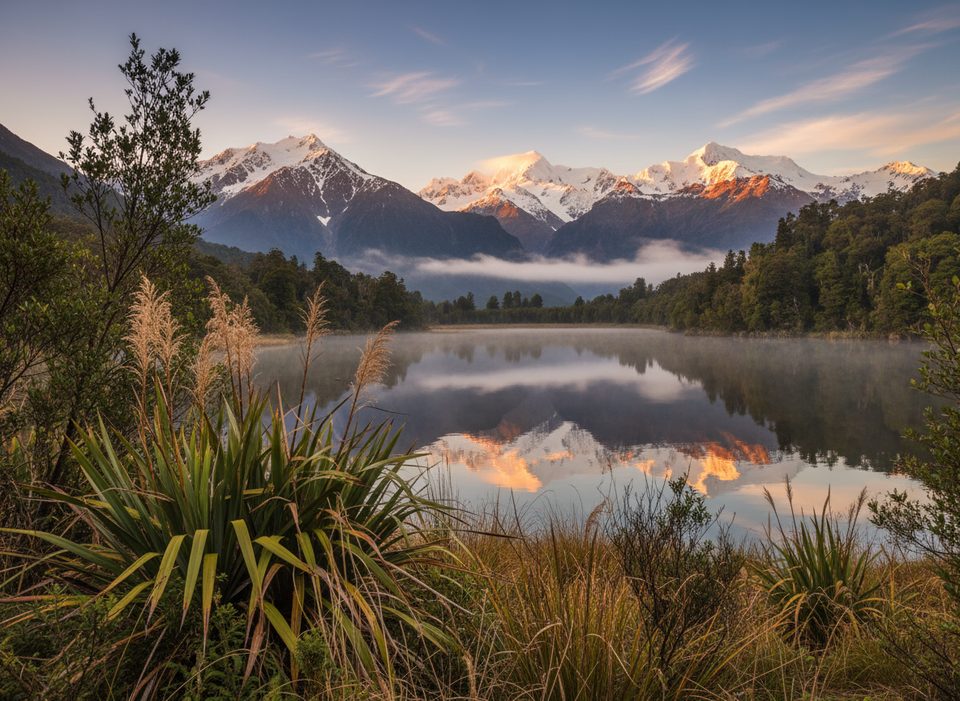
Mount Tasman (Horokoau) is the highest point in Westland Tai Poutini and New Zealand’s second‑highest peak, rising to 3,498 m on the Main Divide of the Southern Alps. It’s a rugged, glaciated giant—spectacular to see, but only realistic to climb for skilled alpinists or those with professional guides.
Treat it as a major, crevassed, avalanche‑prone climb requiring strong snow and ice skills, glacier travel, and objective hazard management. Most people go with an IFMGA/NZMGA guide, staging from high huts selected to suit current glacier conditions, serac risk, and weather windows. Late spring into summer generally offers longer, more stable windows, but plans should stay flexible around the forecast and avalanche advisories.
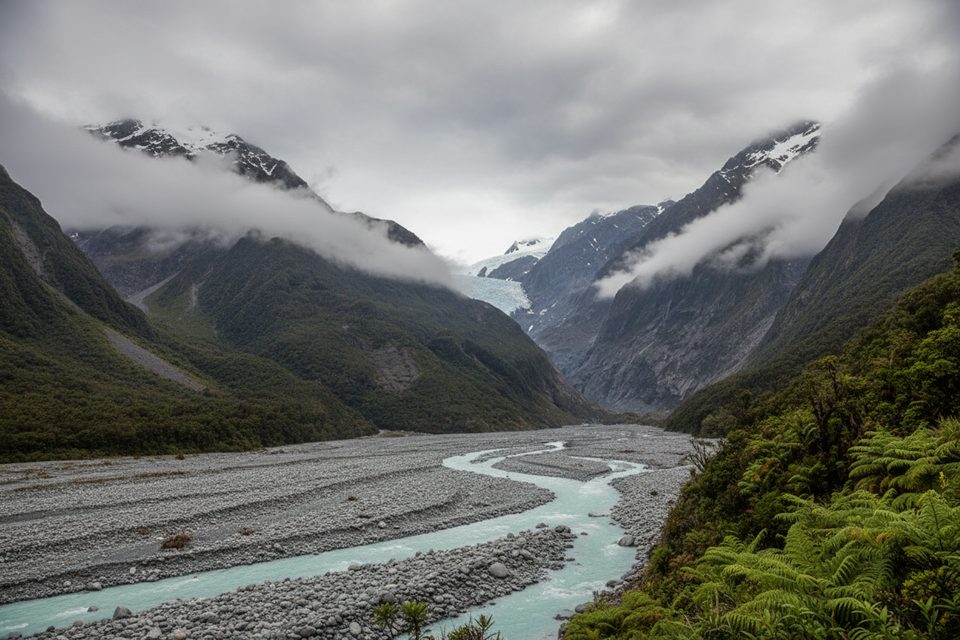
Expect changeable conditions year‑round. As of November 2025, the Glacier View Track on the Franz Josef side was closed after river changes, with Sentinel Rock offering only distant ice views; helicopter activity can be frequent and noisy in these valleys. Always check current notices before heading out.
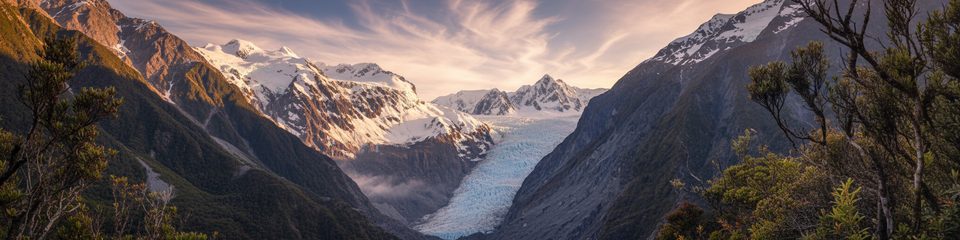
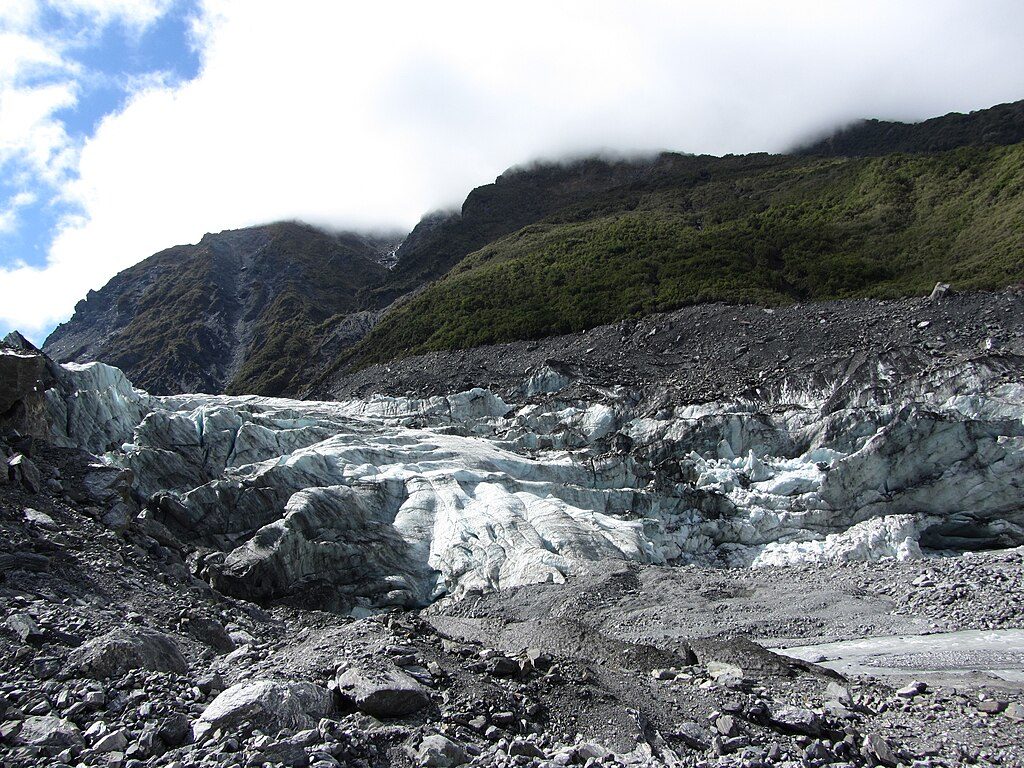
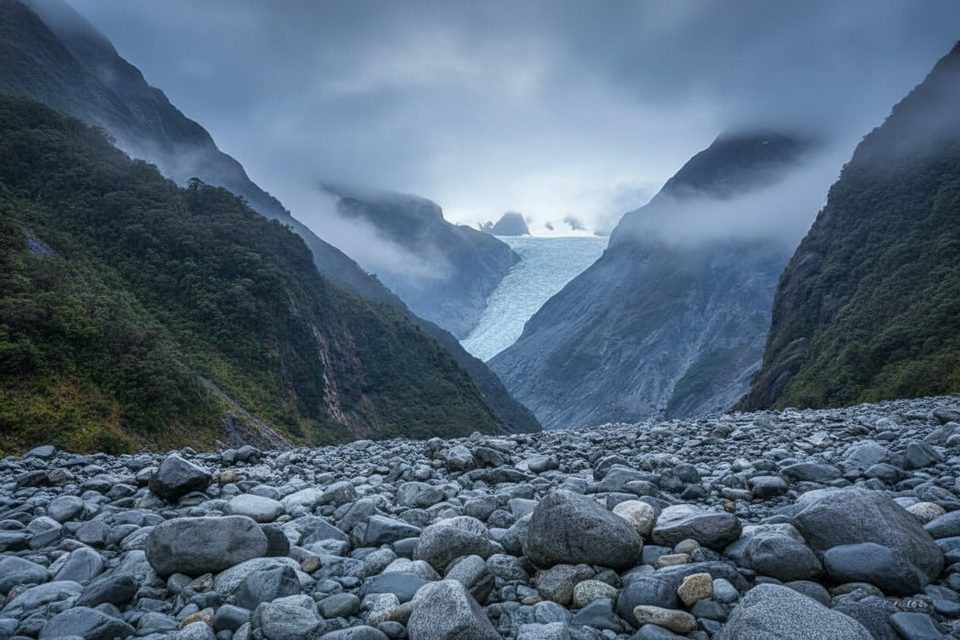
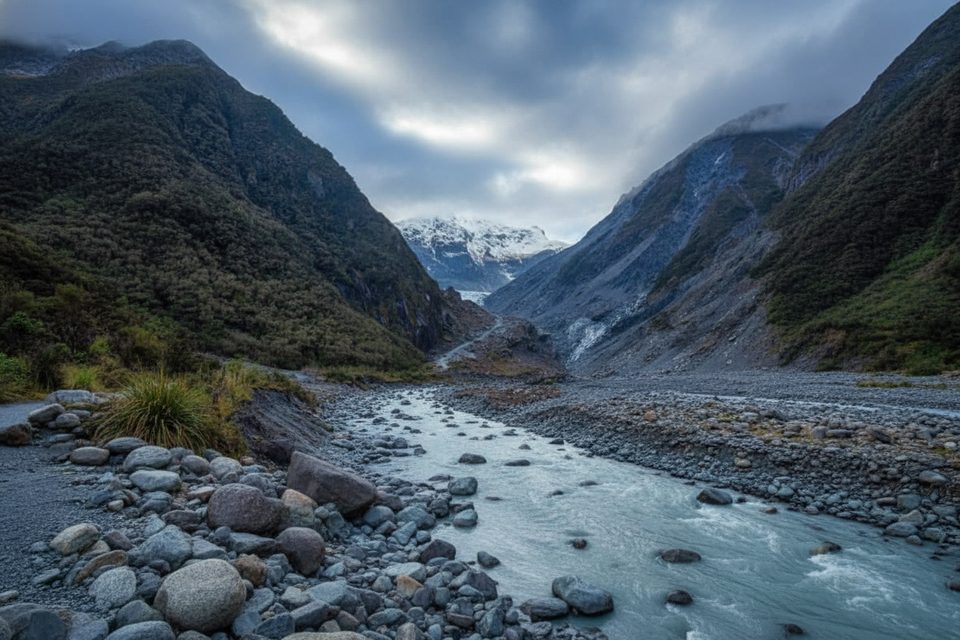
You’re looking at a landscape shaped by rapid uplift along the Alpine Fault and intense glaciation—U‑shaped valleys feeding the Fox and Franz Josef glaciers. This is Ngāi Tahu rohe; pounamu (greenstone) and local species are taonga. Follow local tikanga and Leave No Trace principles.
Around alpine and bush edges: kea (guard your gear), weka, and kārearea (NZ falcon). On the coast, watch for Hector’s dolphins and, in the right season and spots, tawaki/Fiordland crested penguins; fur seals breed at Gillespies Beach. Wetlands and lagoons host notable birdlife, including kōtuku and other waders.
Base yourself in Fox Glacier/Weheka or Franz Josef/Waiau. The park visitor centre in Franz Josef provides up‑to‑date safety, weather, and track information, plus details on commercial activities. Road travel involves single‑lane bridges and occasional storm closures—keep fuel topped up and check road updates.
Even for short viewpoints, pack waterproofs, warm layers, sturdy footwear, insect repellent, and a headlamp. Flight and glacier operators will advise on any extra kit.
Place · 4.4 mi away
Place · 6.9 mi away
Place · 7 mi away
Place · 7.1 mi away
Easy · 9.4 mi away
Easy · 9.4 mi away
Easy · 9.4 mi away
Easy · 9.6 mi away

Parkwolf Tour Guide
