Overview
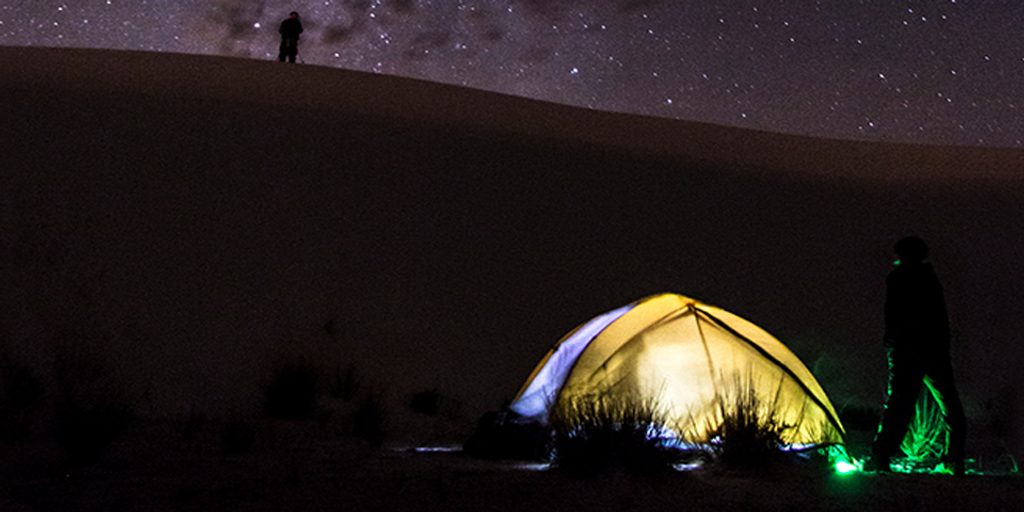
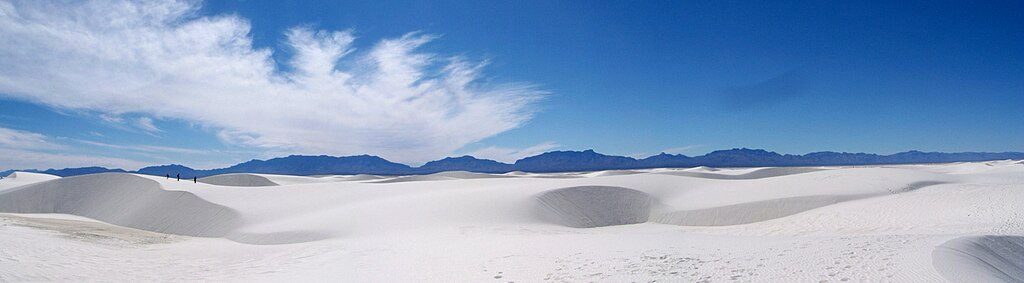
Backcountry camping here is the park’s most immersive way to experience the world’s largest gypsum dunefield—silent dunes, brilliant stars, and a true sense of desert solitude. However, it is currently closed for site rehabilitation and no reopening date has been announced. When it is available again, expect a primitive, pack-it-in, pack-it-out experience that rewards careful planning and respect for the elements.
What to Expect (when open)
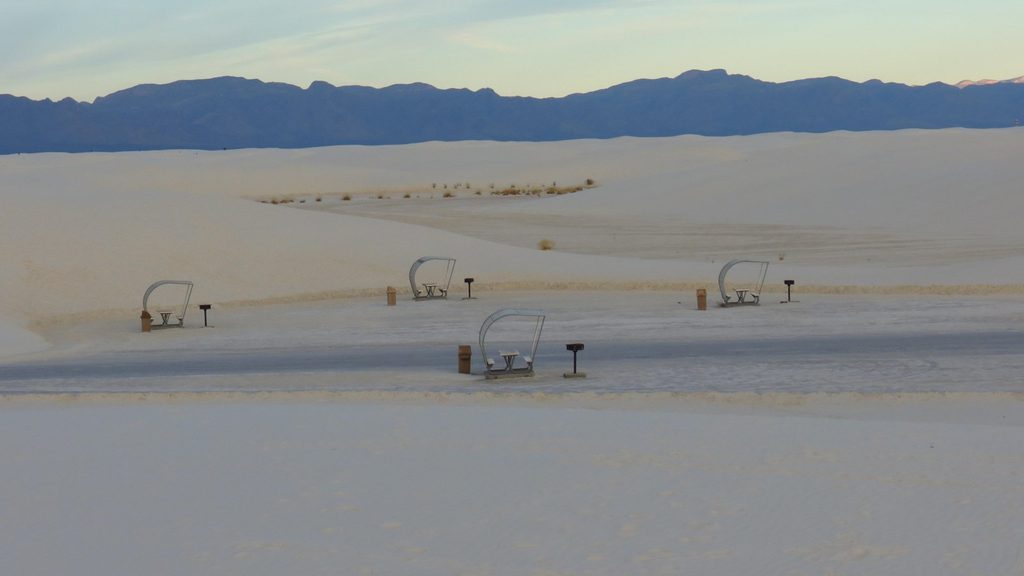
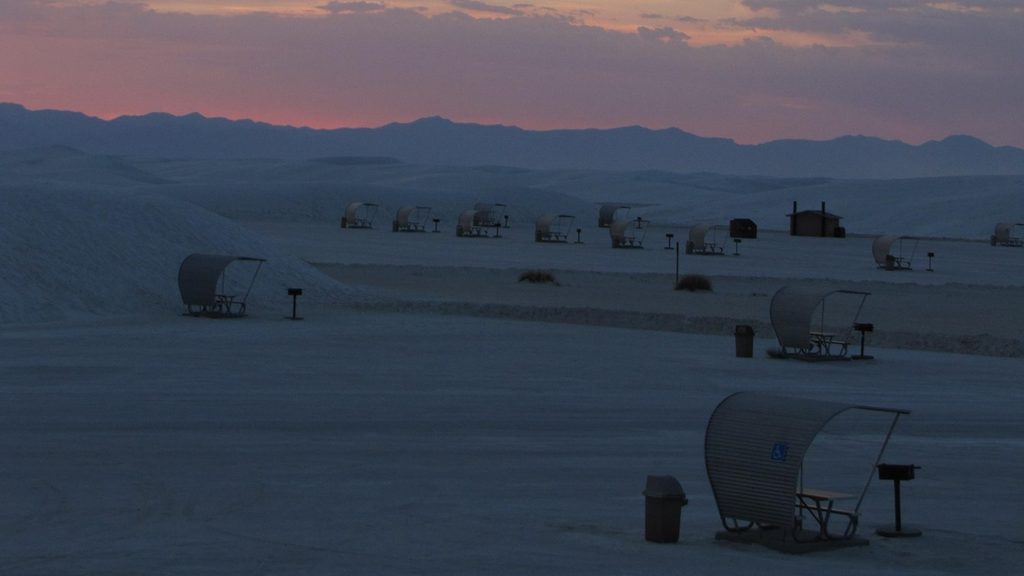
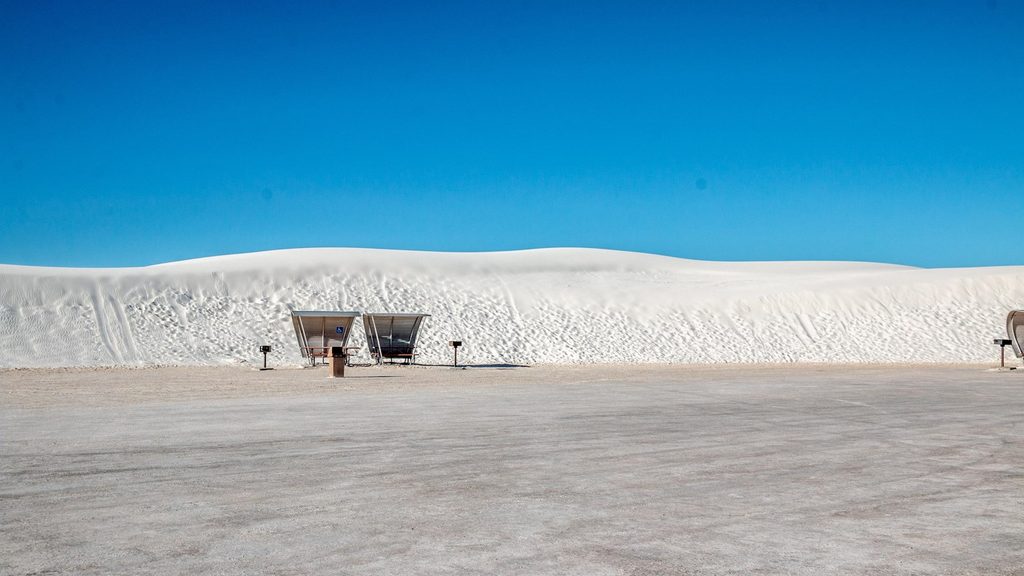
- Primitive sites in the dunes with no shade, tables, or water.
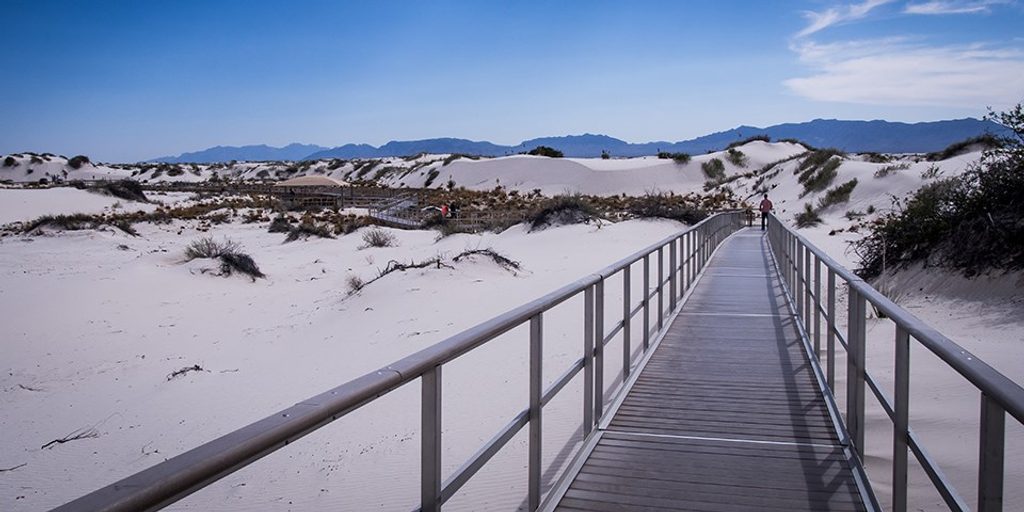
- The nearest vault toilet is about one mile away at the trailhead; once you leave the visitor center there’s no water in the dunefield, and the visitor center is six miles from the backcountry parking lot.
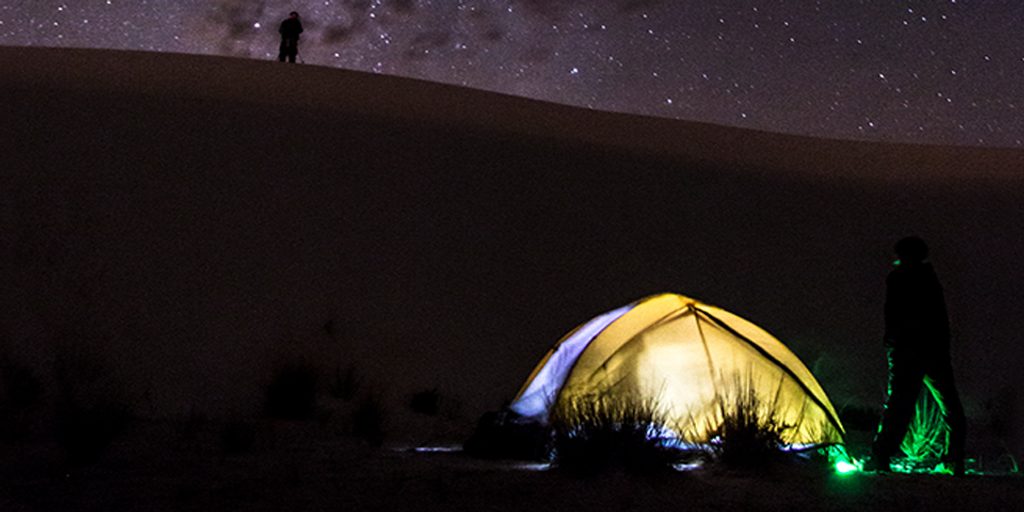
- Absolutely stellar night skies and quiet mornings with fresh animal tracks after calm nights.
Permits & Logistics
- Same-day, in-park permits only when camping is available—plan to arrive early.
- Park gates lock about one hour after sunset; you cannot exit until morning. Be at your campsite before dark and do not wander at night—it’s easy to get disoriented.
- No campfires. Camp stoves are allowed only if elevated at least six inches above the sand.
Safety Essentials
- Heat is the big risk: summer highs often exceed 100°F, and you should not start a hike at or above 85°F. Winter nights frequently dip below freezing.
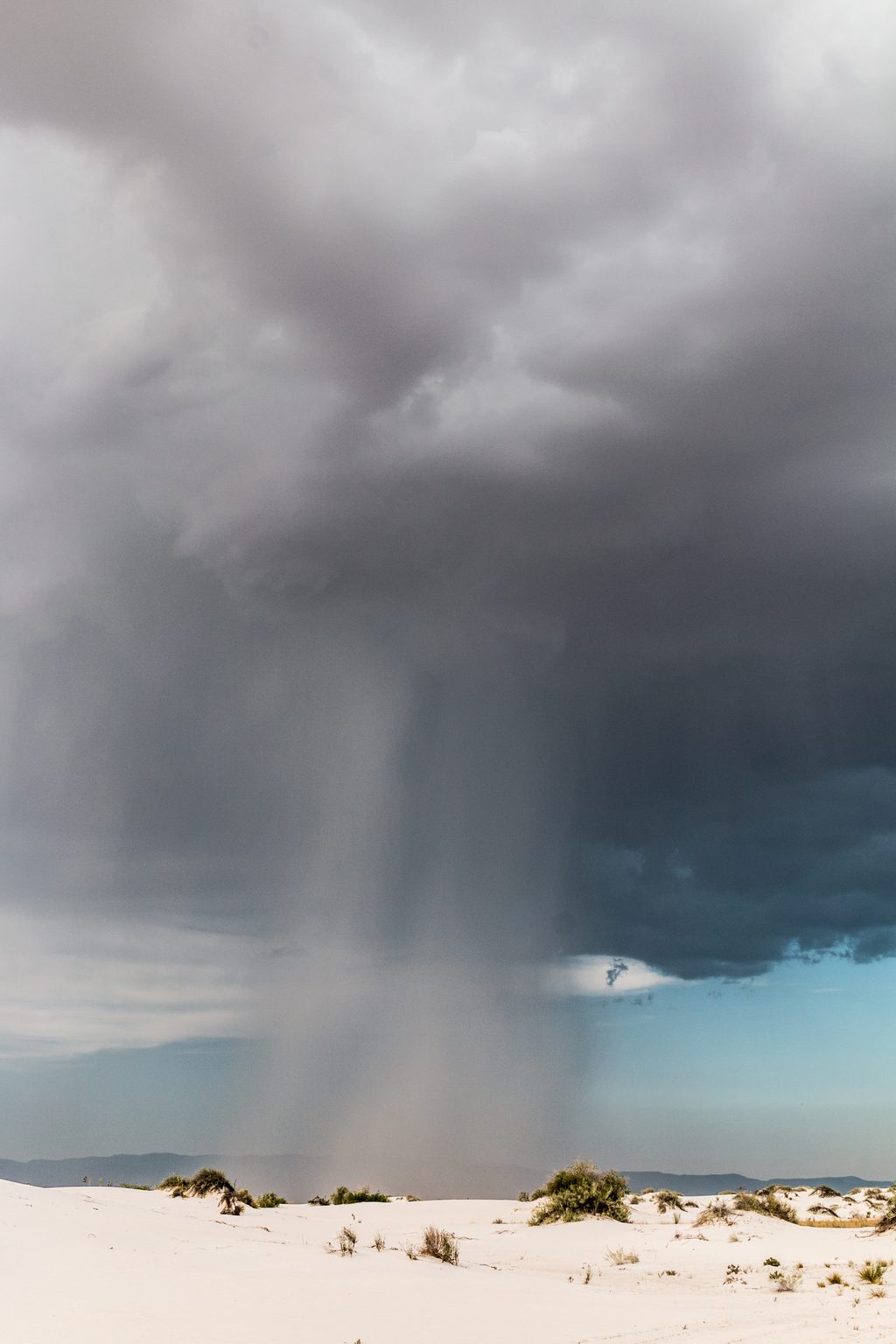
- Spring winds can create white-out conditions; summer thunderstorms are common and tents offer no protection from lightning.
- Bring at least one gallon (4 liters) of water per person per day; there is no water in the dunes.
- GPS can be unreliable—carry the permit map, a park map, a compass, and know how to use them.
- The park sits beside an active missile range. If you find any strange objects, don’t touch them; note the location and inform a ranger. Open/close times can occasionally be delayed for range activity.
- It gets truly dark—carry a headlamp/flashlight with extra batteries.
Wildlife & Night Experience
Dawn and dusk are when the dunes feel most alive—look for fresh tracks etched into the sand. On calm, clear nights the sky is remarkably dark, and you’ll hear more of the desert’s nocturnal life.
Best Time to Visit
While backcountry camping is closed, consider ranger-led night experiences (like moonlight hikes or Lake Lucero tours) as a safe alternative. When camping returns, target cooler seasons and plan your hiking for early morning or late afternoon for gentler temps and better photography. Avoid starting hikes in midday heat, and build flexibility into your plans in case of weather or missile range delays.