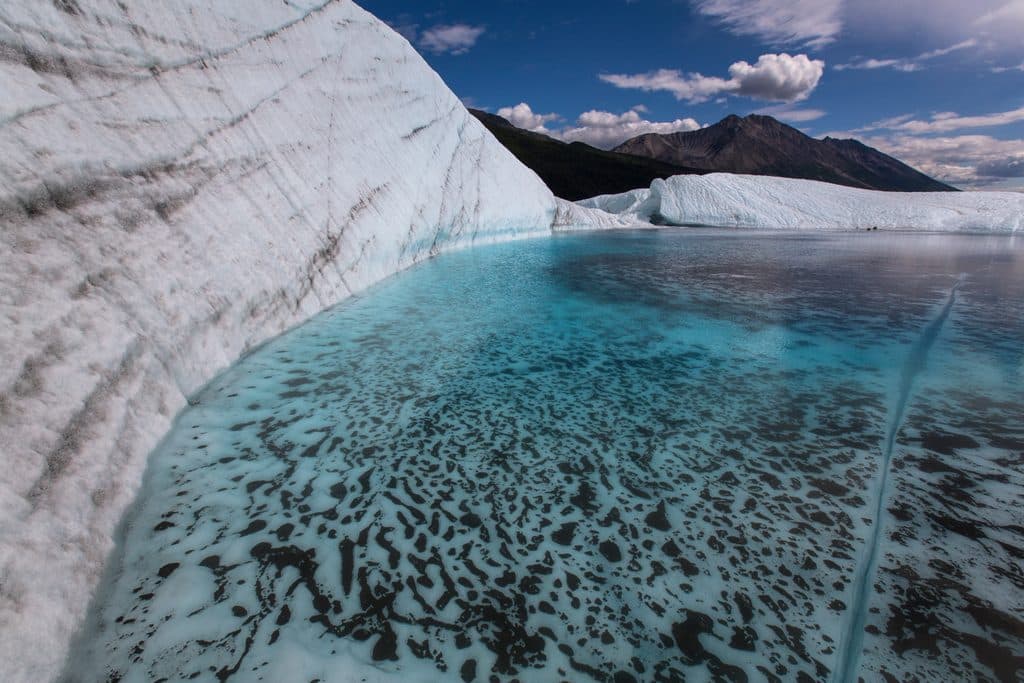
Nabesna Mine

Abandoned gold mine under cleanup; best admired from afar
Nabesna Mine, Wrangell-St. Elias National Park
InsideWrangell-St. Elias National Park

Overview

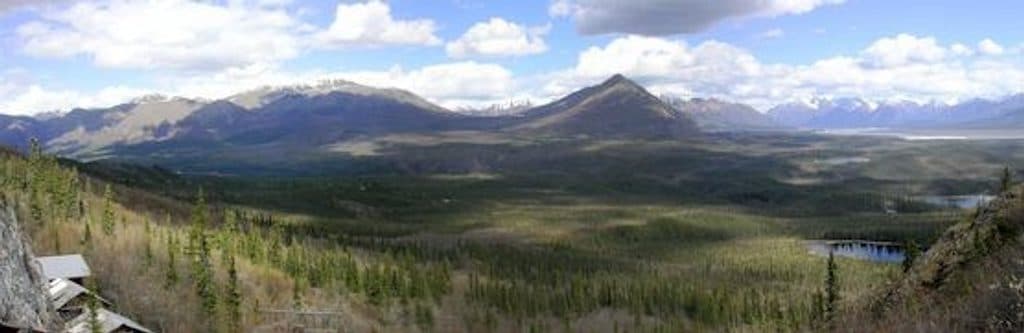
Nabesna Mine is the ghost of a gold and silver operation tucked into the mountains above the Nabesna Road. It’s historically fascinating—and currently hazardous. The National Park Service warns against visiting due to contamination from acidic tailings and heavy metals in nearby surface waters. If you’re looking for a casual stop along the road, this isn’t it.

Safety & Access

The big headline: avoid the site. Contaminants of concern include arsenic, cadmium, mercury, and lead, and acidic tailings extend onto surrounding lands. Do not walk on tailings, do not drink surface water in the area, and if you’ve been nearby, wash hands thoroughly before eating or touching your face. There are no restrooms, water, trash services, or any facilities at the mine.

Getting there isn’t trivial either. Nabesna Road is a 42‑mile unpaved spur off the Glenn Highway. High‑clearance 4WD and a full‑size spare are recommended, there’s no fuel in Slana, and cell service is sparse. Land ownership along the corridor is a patchwork—respect private property and know exactly where you’re standing. For current conditions and seasonal details near the start of the road, check in at the Slana Ranger Station.

What’s here (and why to think twice)

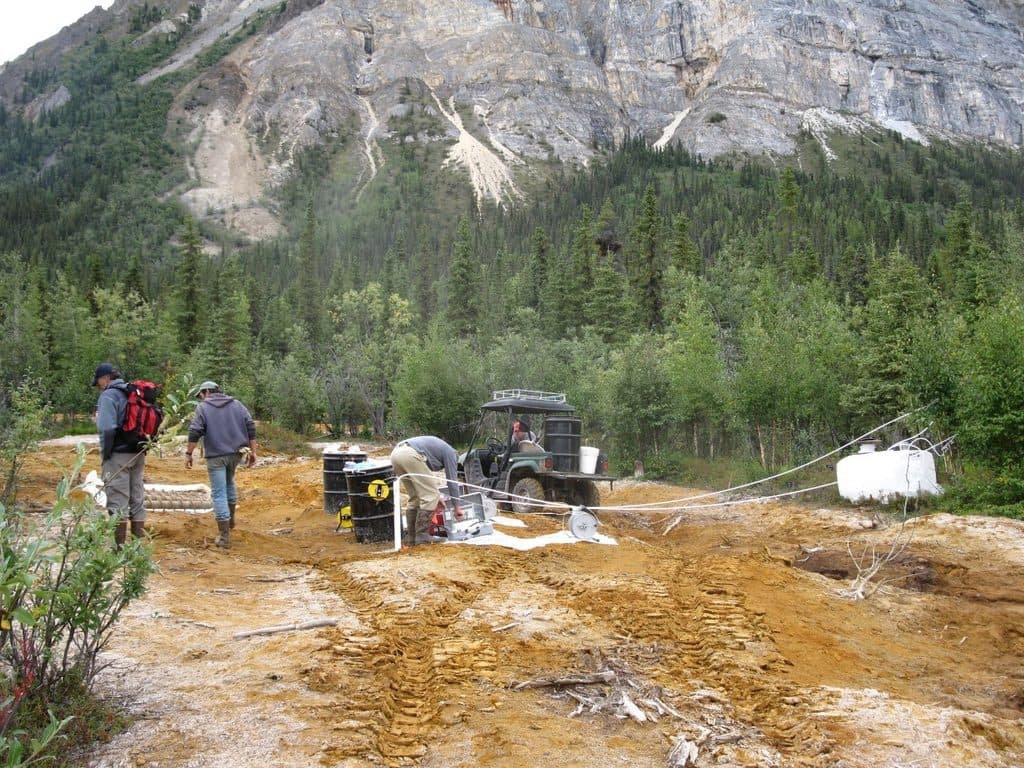
You’ll find abandoned mining structures and tailings, but this is an active environmental investigation and cleanup area under federal authority. It’s not managed as an attraction, and the combination of structural instability and contamination makes lingering a bad idea. If you’re exploring the Nabesna side, enjoy the scenery and trails away from the mine and treat this one as a look‑but‑don’t‑touch chapter of park history.

A quick history

The deposit was worked extensively between 1925 and 1940, spearheaded by developer Carl F. Whitham. Early crews cut local spruce for the mill, hauled in equipment over long, rugged routes, and steadily expanded operations through the early 1930s. A key upgrade in 1934—pumps and a 2,600‑foot pipeline from a spring—boosted water supply and allowed winter milling, with crews of roughly 40 at peak. Colorful lore surrounds the discovery, including the “Bear Vein” tale and the role of an Upper Tanana local known as Nabesna John.

Best time to visit

Short answer: this site is best avoided year‑round. If you’re traveling the Nabesna Road more broadly, the standard season is June–September. Build in time to check road conditions at the Slana Ranger Station, and plan as if services are nonexistent.

Bottom line

Historically rich, but not a place to poke around. Treat it as context for your Nabesna Road trip rather than a destination.

Pros

  • Evocative historic gold and silver mine (1925–1940)
  • Tangible slice of Nabesna Road’s mining past

Cons

  • Contaminated site under investigation; NPS advises avoiding the area
  • No amenities; remote access on a rough, service‑limited road

Tips

  • Skip entering the site and do not walk on mine tailings.
  • Do not drink or filter surface water anywhere around the mine.
  • Check in at the Slana Ranger Station for current advisories and road conditions.
  • Bring your own water; there are no services and cell coverage is sparse.
  • High‑clearance 4WD and a full‑size spare are recommended; there’s no fuel in Slana.
The Parkwolf tour guide sitting on a phone mounted in a car

Parkwolf Tour Guide

Like a tour guide in your car.

Save the places you found around Wrangell-St. Elias, then let Parkwolf guide the drive between them.Download Parkwolf on the App Store