
Place · 0.1 mi away
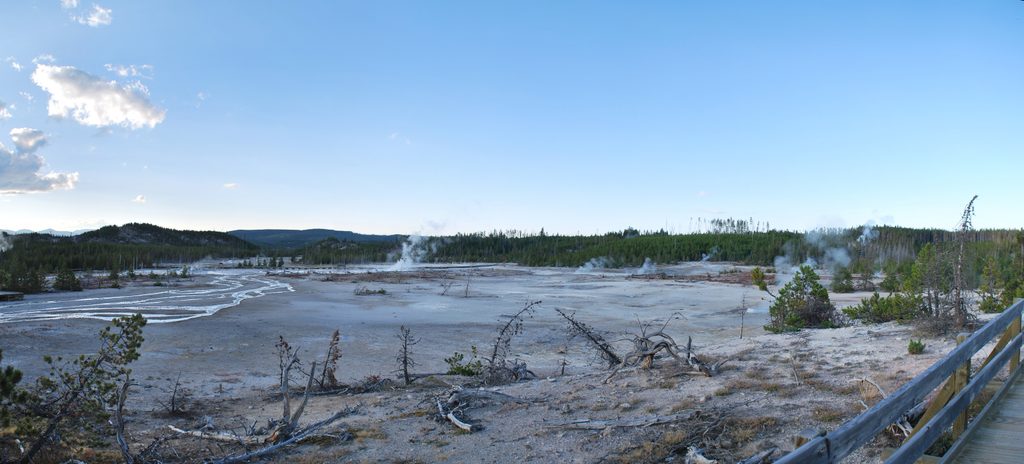
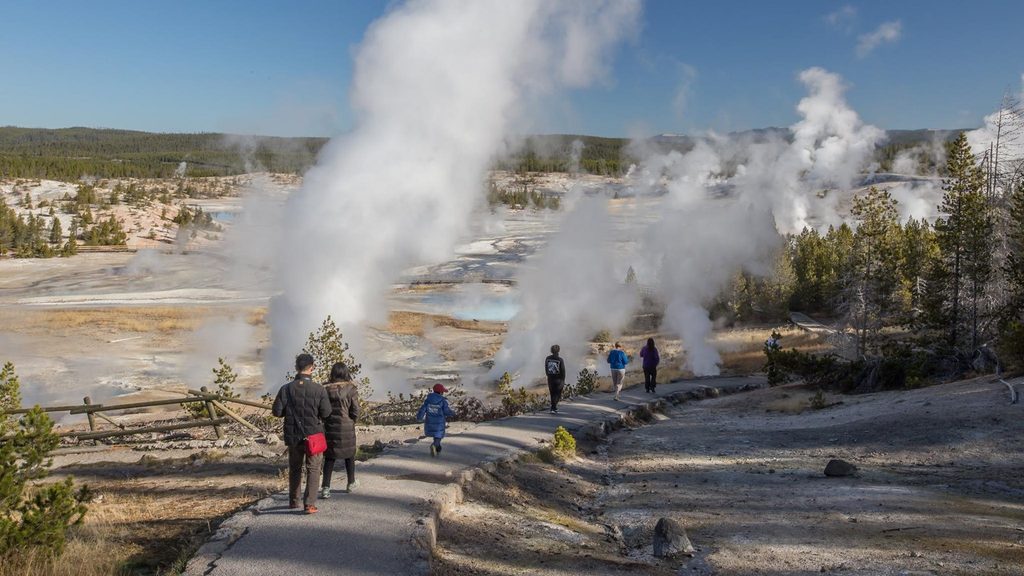
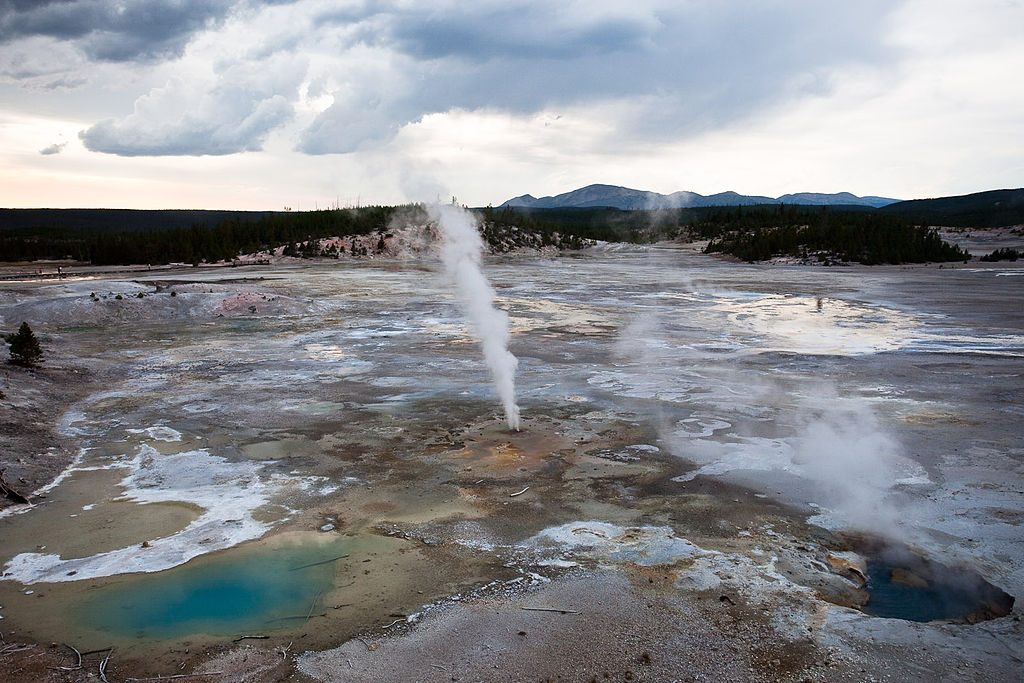
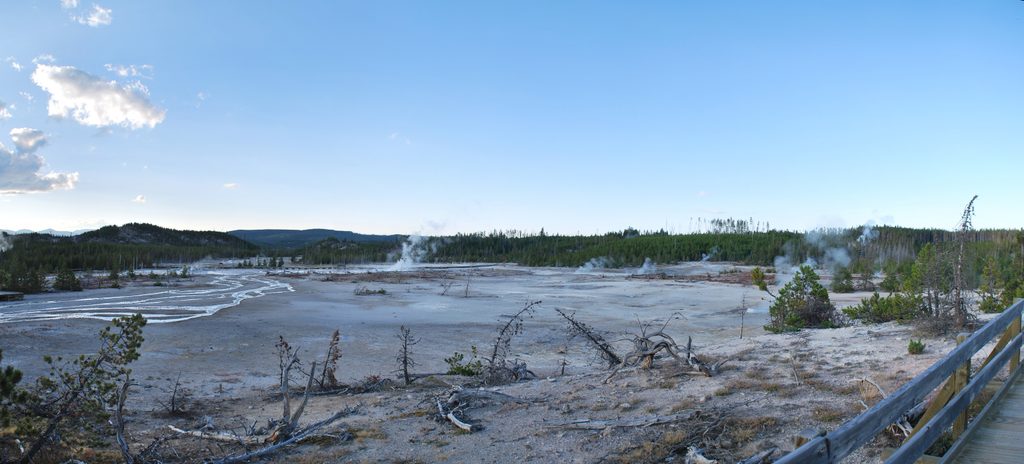
Back Basin is the woodsy half of Norris Geyser Basin, a looping network of boardwalks that threads through an otherworldly mix of geysers, hot springs, and mud pots. It’s a little less hectic than some of the park’s marquee stops, and it rewards slower, curious walkers with frequent steam, color, and sound.
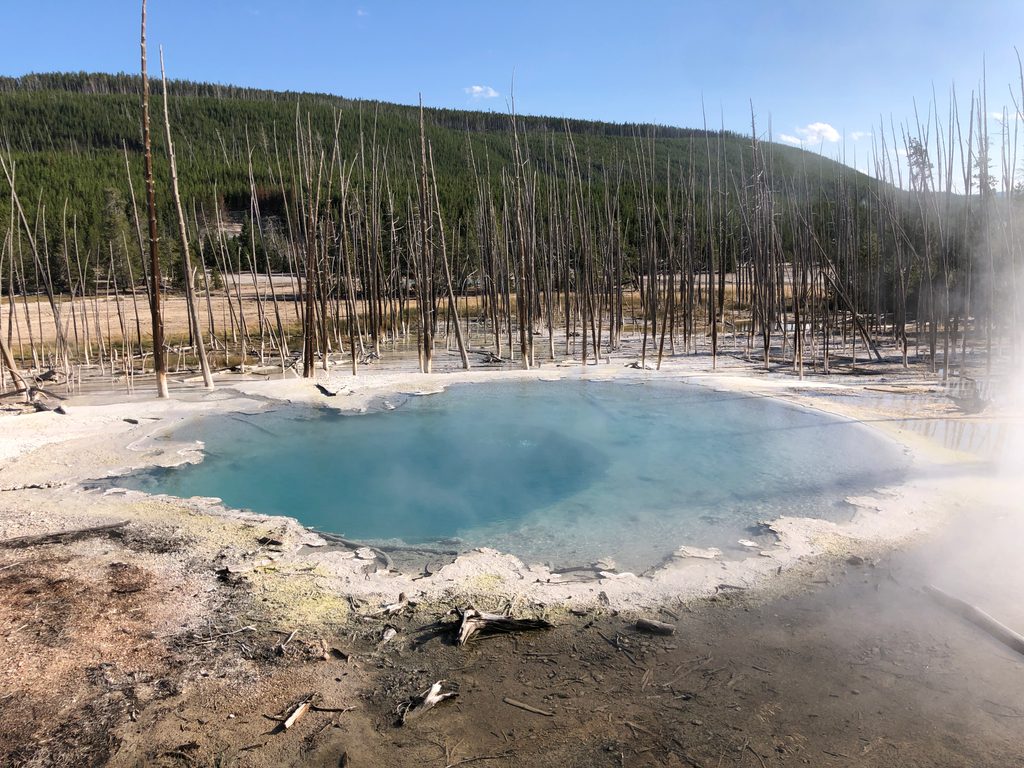
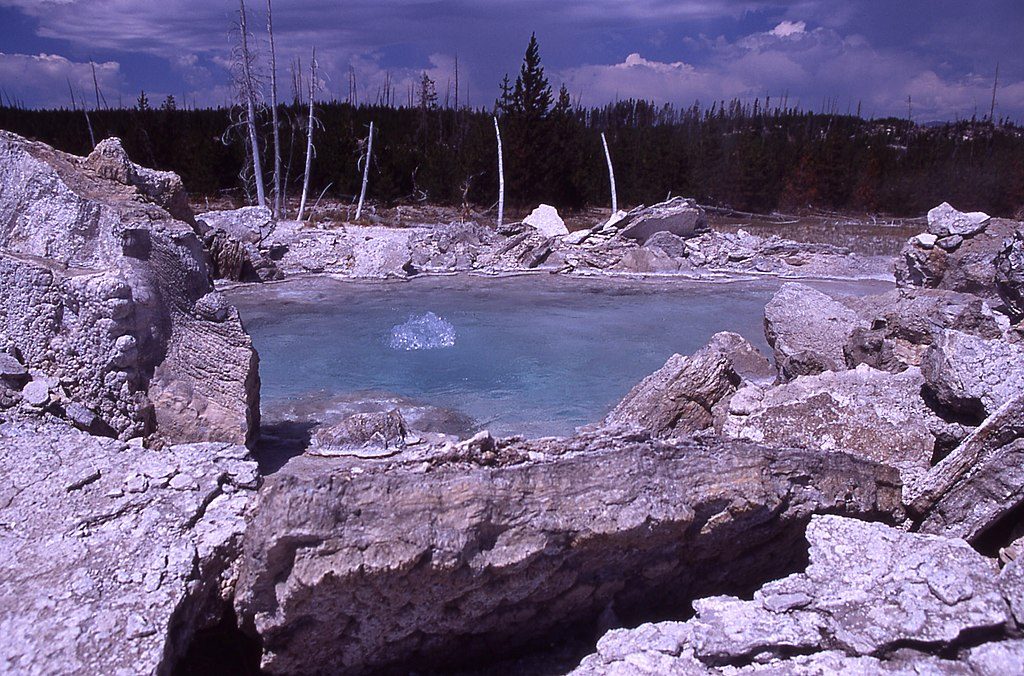
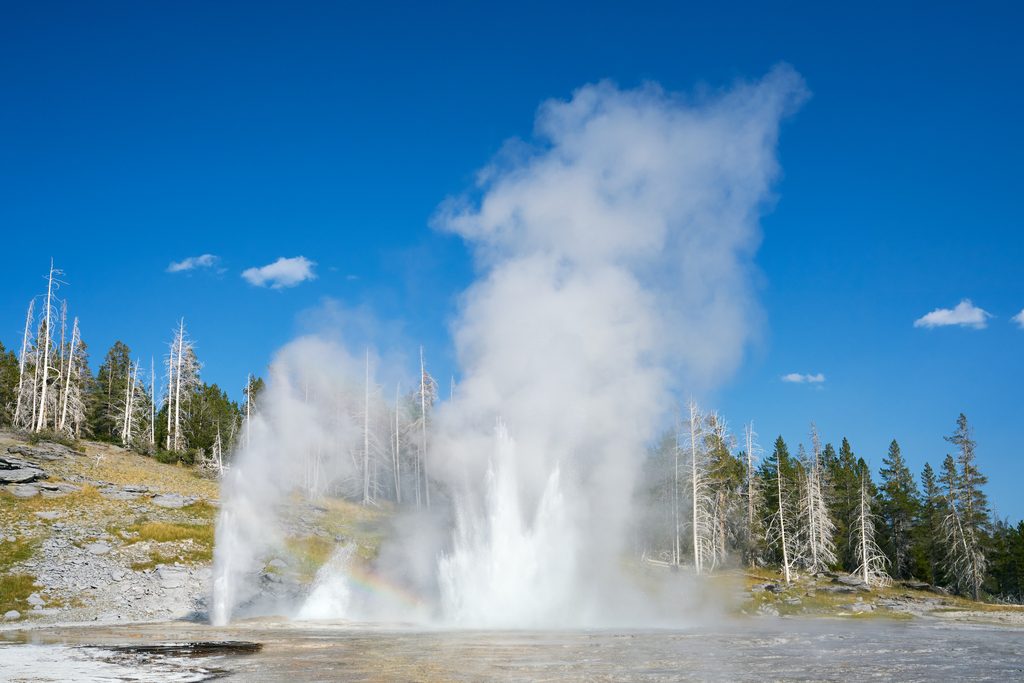
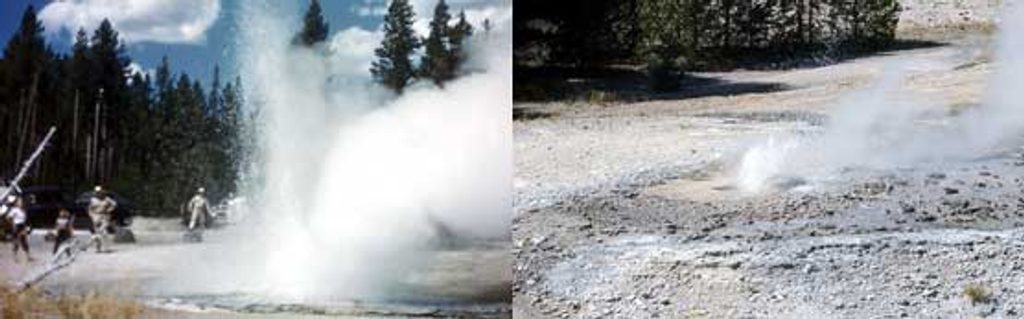
Start at the Norris Geyser Basin Museum and follow the signed Back Basin boardwalks as a loop (about 1.5–1.9 miles with ~100 feet of gain). A popular clockwise flow hits Emerald Spring and Dr. Allen’s Paintpot first, then swings by the star of the show—Steamboat Geyser—before passing Cistern Spring, Vixen Geyser, Porkchop Geyser’s 1989 blast crater, and the Minute/Veteran Geyser area.
Small quakes and shifting underground plumbing can trigger short-lived “thermal disturbances” here—clear pools can murk up, new vents can open, and geyser behavior can change for days or weeks before settling down. It’s part of the intrigue.
Plan 35–60 minutes for the loop, but budget extra time to linger at the features. Restrooms and a sizable parking lot serve the trailhead at the Norris Geyser Basin Museum, yet spaces still fill fast in peak season; overflow parking may mean a half-mile walk. Boardwalks are straightforward and junctions are signed; grab the free trail guide at the museum to decode what you’re seeing.
May–October is the most reliable window. Go early or after 6 pm in summer to dodge crowds and heat. Cooler air makes steam pop for photography, and late-day light is flattering across the basin. Always check current road, trail, and any temporary hydrothermal closures before you go.
Bison and elk sometimes favor the warm ground, especially in winter—give them space. Swallows, killdeer, and dragonflies work the open skies and steamy margins. Most important: stay on the boardwalks, keep kids close, obey any closures (especially near Steamboat during activity), and leave drones and pets out of the equation.
Absolutely. Back Basin pairs headline drama (Steamboat) with a deep bench of quirky, colorful features and an ever-changing cast of vents and springs. If you only do one loop at Norris, make it this one.
Place · 0.1 mi away
Place · 0.1 mi away
Place · 0.2 mi away
Place · 0.2 mi away
Easy · 0 mi away
Easy · 0.3 mi away
Easy · 1.1 mi away
Easy · 1.1 mi away

Parkwolf Tour Guide
