Steamboat Geyser

The world’s tallest active geyser, spectacular but unpredictable
Steamboat Geyser, Yellowstone National Park
InsideYellowstone National Park

Overview

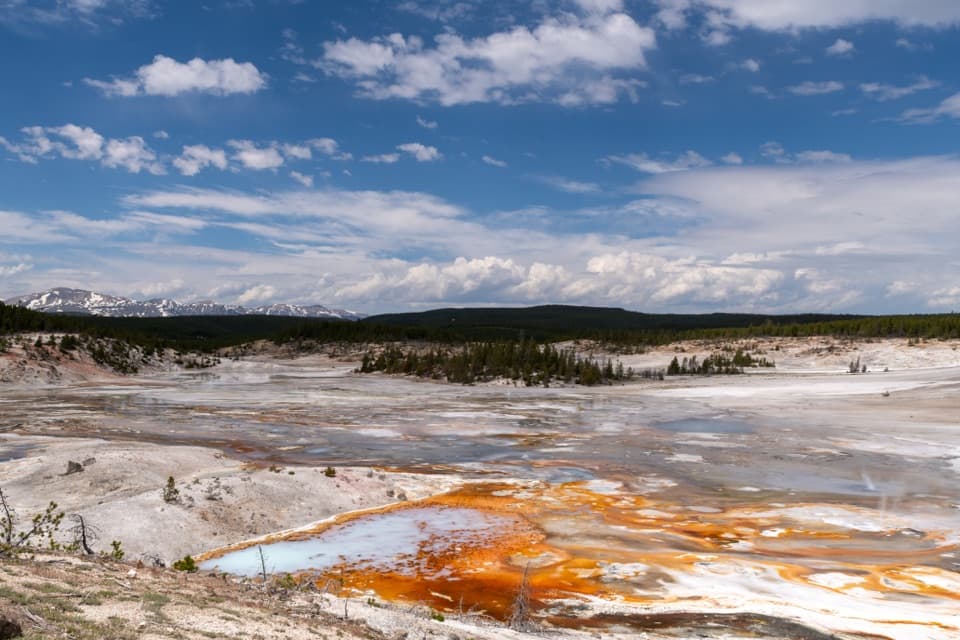
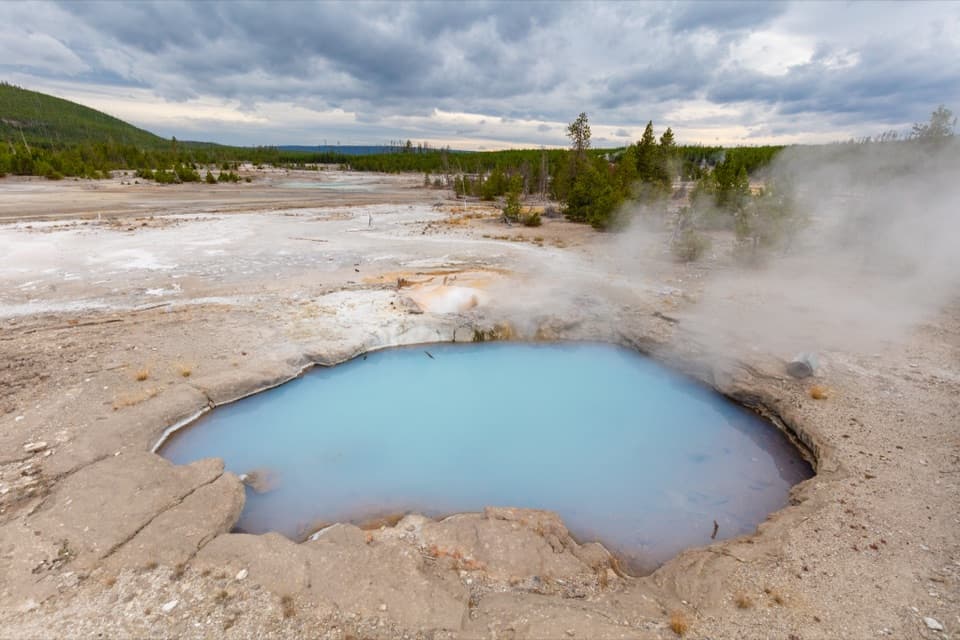
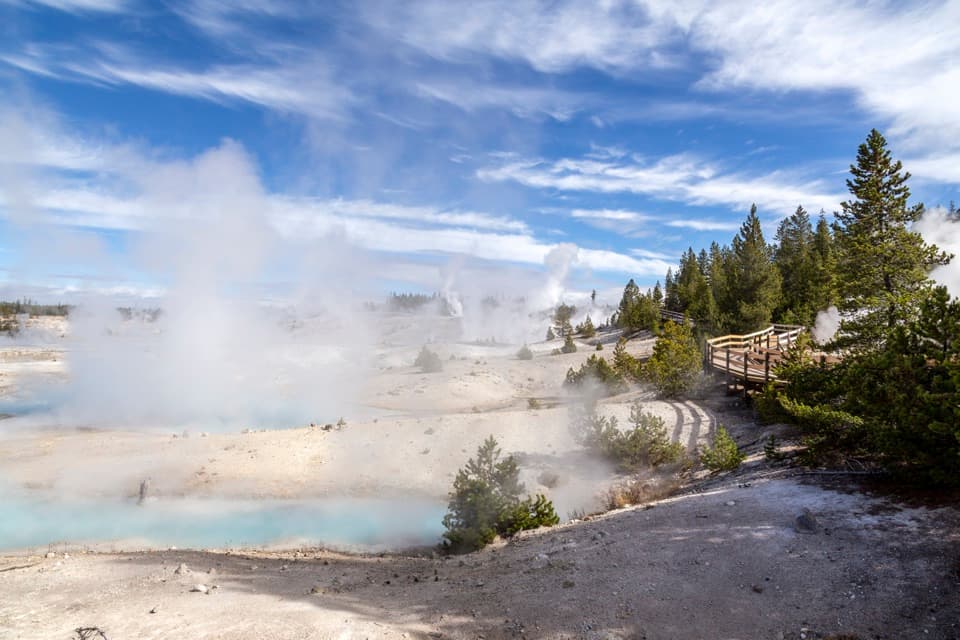
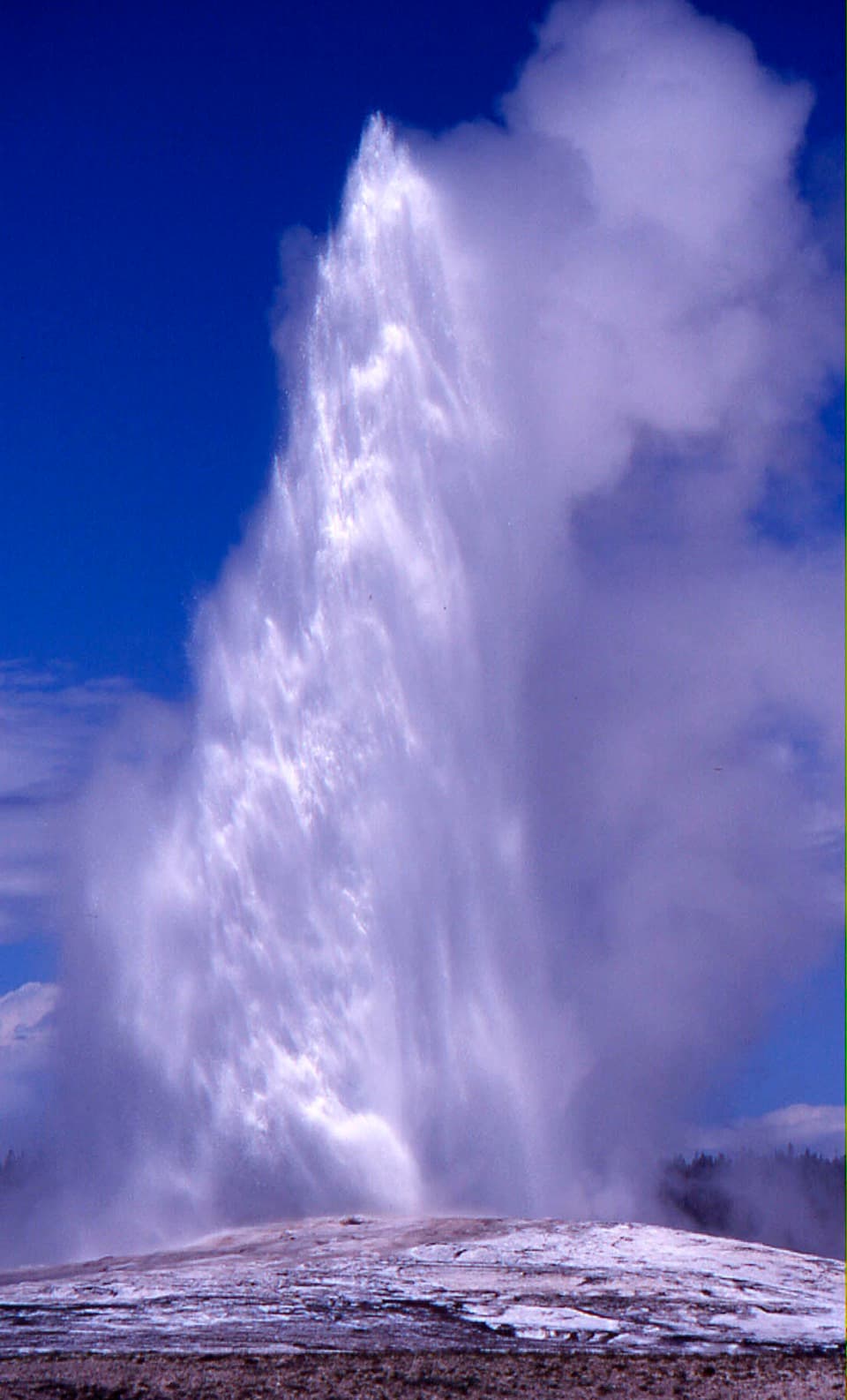
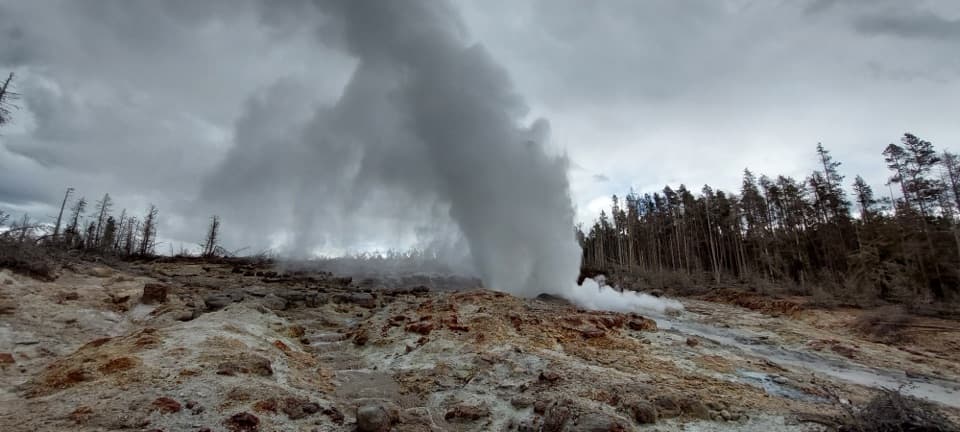
Steamboat Geyser sits in the Back Basin of Norris Geyser Basin and holds the title of the world’s tallest active geyser. When it lets loose, the water column can soar well over 300 feet, followed by a roaring steam phase that can rumble for hours or even days. Even if you don’t catch a major, Steamboat often throws frequent minor bursts that still make it a compelling stop.

What You’ll See

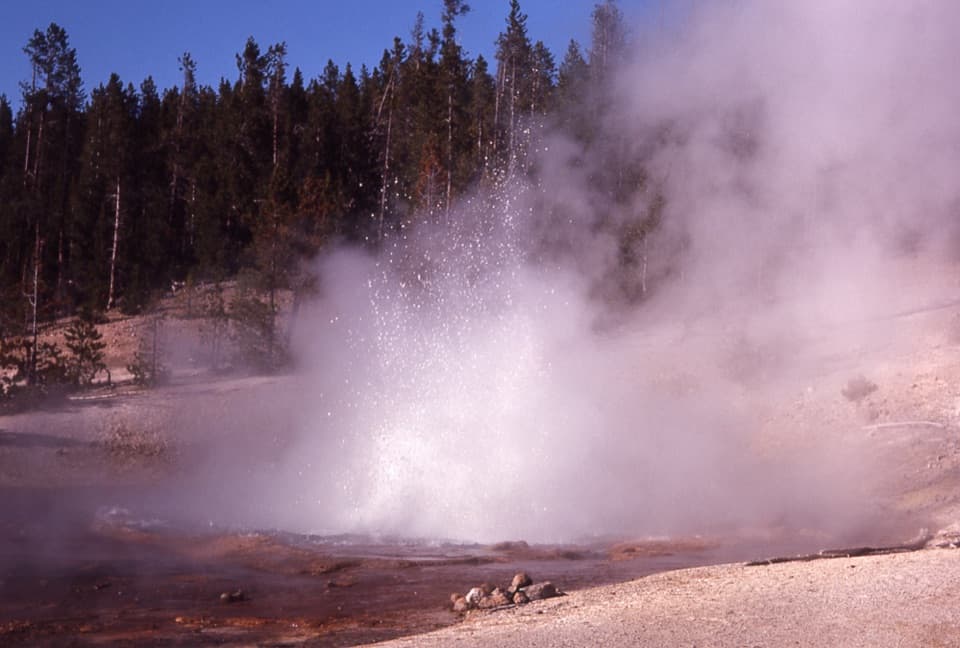
  • Major eruptions: A powerful water phase (about 3–40+ minutes) that transitions into a deafening steam phase lasting hours to days.
  • Minor eruptions: Shorter splashes, typically 6–40 feet high and 1–4 minutes long, occurring much more frequently.
  • Collateral splash zone: Downwind boardwalks and even the parking area can be drenched with silica-rich water and occasional debris during active periods.

Eruptions and Timing

Steamboat is famously unpredictable. Intervals between majors can be days, months, or years. It entered a notably active phase in March 2018, with record annual counts in 2019 and 2020. Recent years remain variable. If a major just happened, expect a dramatic steam show for many hours, but the next big water eruption could be days to months away. Minor activity does not reliably predict a major.

Geology & Oddities

Norris is one of Yellowstone’s hottest, most acidic hydrothermal areas, perched near intersecting faults. Steamboat’s plumbing has constrictions and a deep “bubble trap” that stores pressurized water—fuel for those extraordinary jets. It’s also linked underground to nearby Cistern Spring, which often drains during or after Steamboat’s major eruptions.

Planning, Safety, and Practicalities

  • Boardwalks only: Thermal ground is thin and dangerous. Expect wet, slick surfaces near Steamboat during active periods.
  • Vehicle caution: Dissolved minerals and spray during big events can coat and potentially damage paint and glass in the lot.
  • No facilities at the feature: Use restrooms at the Norris Geyser Basin parking area and bring your own water.
  • Wildlife: Animals frequent Norris—observe from a distance and never approach.

Best Time to Visit

You can’t schedule Steamboat, but you can outsmart the crowds. Parking at Norris is extremely limited; arriving early or later in the day helps. Summer has sometimes shown slightly shorter intervals on average, but Steamboat remains unpredictable year-round. If you hear a distant roar, you may already be in the steam phase—still impressive and worth the detour.

Photo & Viewing Tips

Stand upwind during active periods to stay dry and protect cameras from mineral spray. Give yourself time to linger, and if Steamboat is quiet, the Back Basin loop offers plenty of fascinating thermal features to explore while you wait.

Pros

  • Tallest active geyser on Earth with towering, rare major eruptions
  • Frequent minor bursts and a long, thunderous steam phase keep it lively

Cons

  • Totally unpredictable; you could wait hours and miss a major eruption
  • Parking at Norris is very limited and mineral spray can affect vehicles

Tips

  • Arrive early or later in the day; Norris parking fills fast.
  • Park farther back or upwind during active periods to avoid mineral spray.
  • Bring water; there are no services on the boardwalk by the geyser.
  • If a major just happened, expect hours of steam but no guaranteed repeat soon.
  • Protect cameras and lenses from silica-rich spray when the wind shifts.
The Parkwolf tour guide sitting on a phone mounted in a car

Parkwolf Tour Guide

Like a tour guide in your car.

Save the places you found around Yellowstone, then let Parkwolf guide the drive between them.Download Parkwolf on the App Store