Parking
Norris Geyser Basin lot off Grand Loop Road at Norris Canyon Road; the museum and Porcelain Basin Overlook are beside the trail start. Visitor reports mention the lot can fill during busy periods.
#11 of 167 trails in Yellowstone
Yellowstone National Park, WY · MT · ID
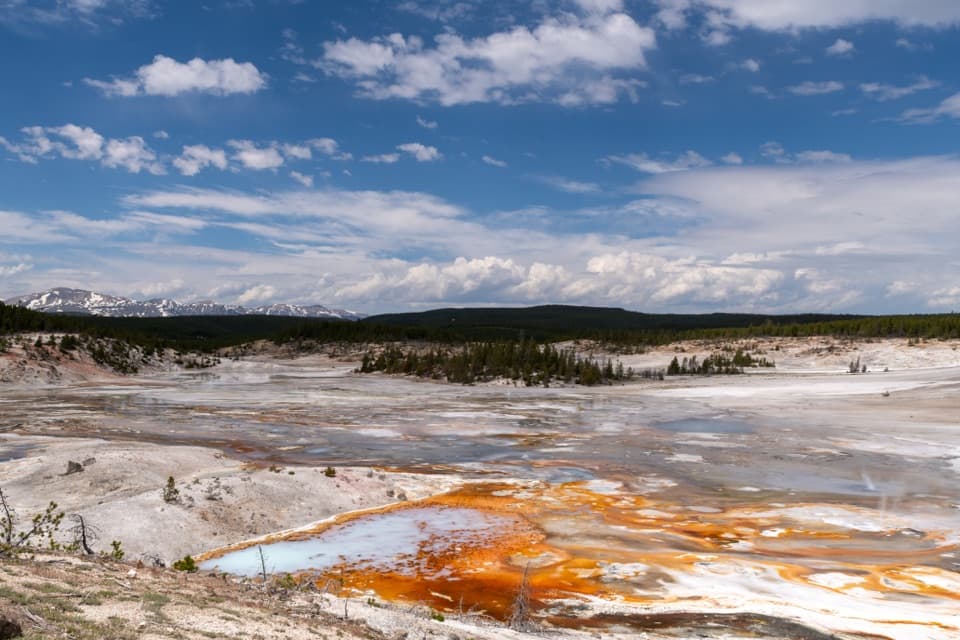
Loop past steaming geysers and vivid runoff in a pale basin.
Overview
Map & elevation
Plan your hike
The highest, rockiest slopes around here are a summer buffet for grizzly bears.
Yellowstone Tour Guide
Parkwolf is a GPS audio tour guide for Yellowstone National Park. As you drive, it chimes in with what’s ahead: hidden gems, upcoming stops, history, geology, and wildlife, right through your car’s speakers.
See the Yellowstone audio tourRecorded for this trailhead
Norris Geyser Basin“You're coming up on the entrance to Norris Geyser Basin, where I'd allow about an hour to explore on foot. For a shorter visit, choose Porcelain Basin, an open sweep of pale ground, blue pools and hissing vents.”
Plays as you drive up to this trailhead in the Parkwolf Yellowstone Tour Guide.
More stories near here in the app
“First time driving through a national park. We used the Yellowstone tour on grand loop Road and it’s just like having a tour guide in your car with you.”


Trail guide
Porcelain Basin Trail is a 1.0-mile museum-to-museum loop through an open thermal basin. Most of the walk is boardwalk; the basin circuit itself maps to about 0.6 mile, with the short museum approach repeated on the return. Allow 45–60 minutes if you stop to look at the features. Published distances vary: one park description gives three-quarters of a mile, while the full mapped route here includes the approach and return. The separate eastern loop to Porcelain Springs Overlook makes a longer visit.
Start beside the Norris Museum and Porcelain Basin Overlook, then head north to the basin circuit. The route drops beside Ledge Geyser into the pale basin, passes Sunday Geyser, Constant, Whirligig and Pinwheel geysers, then Crackling Lake, and returns toward Ledge before climbing back to the museum. Expect a steep, uneven descent at the start and a mix of boardwalk, paved path and bare ground. The basin floor is exposed, with little shade.
Norris sits near the meeting of three major faults, and its hydrothermal system shifts with changes in water and seismic activity. Pools can cloud over and geysers change their behavior, so the named features may look different from one visit to the next. The hottest temperature recorded at Yellowstone, 459°F, came from a scientific drill hole more than 1,000 feet below the surface; it is not a surface reading from the trail.
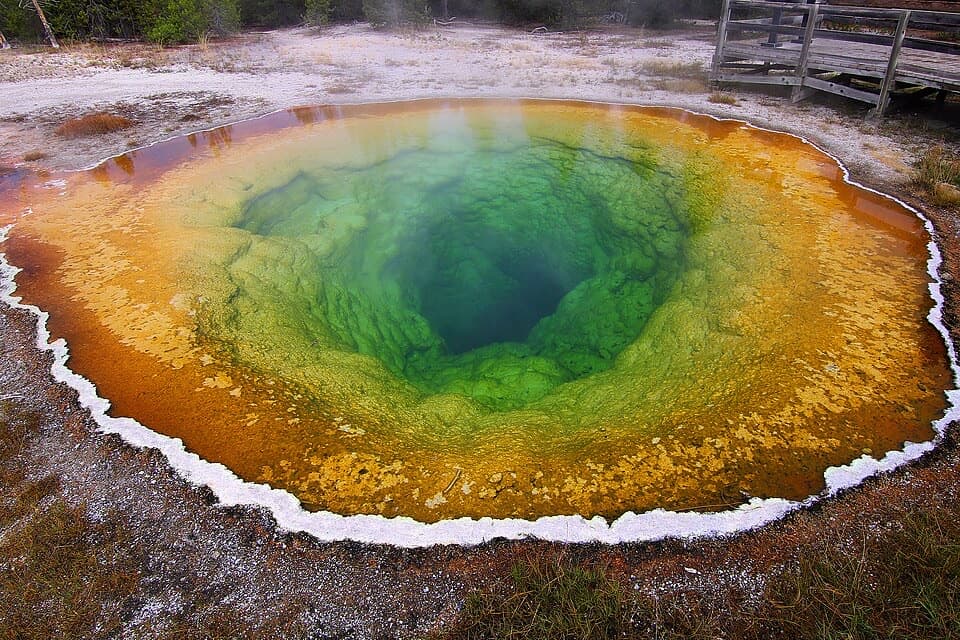
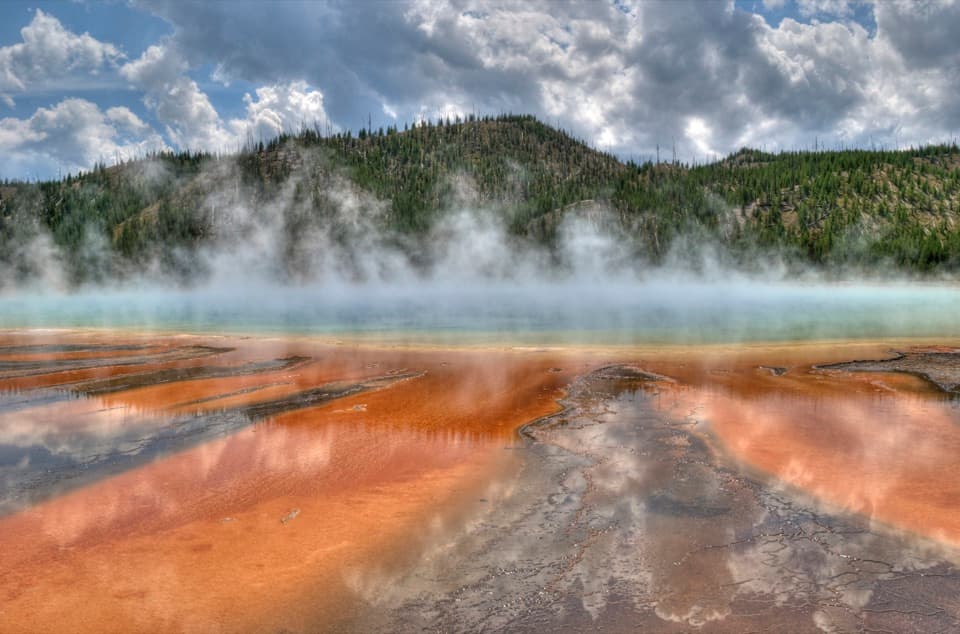
The pale basin is coated with silica and clay. Orange runoff gets color from cyanobacteria; warm acidic water can support bright green Cyanidium algae, while cooler patches may hold dark mats of Zygogonium. Look for the transitions along runoff channels rather than expecting every pool to keep the same color.
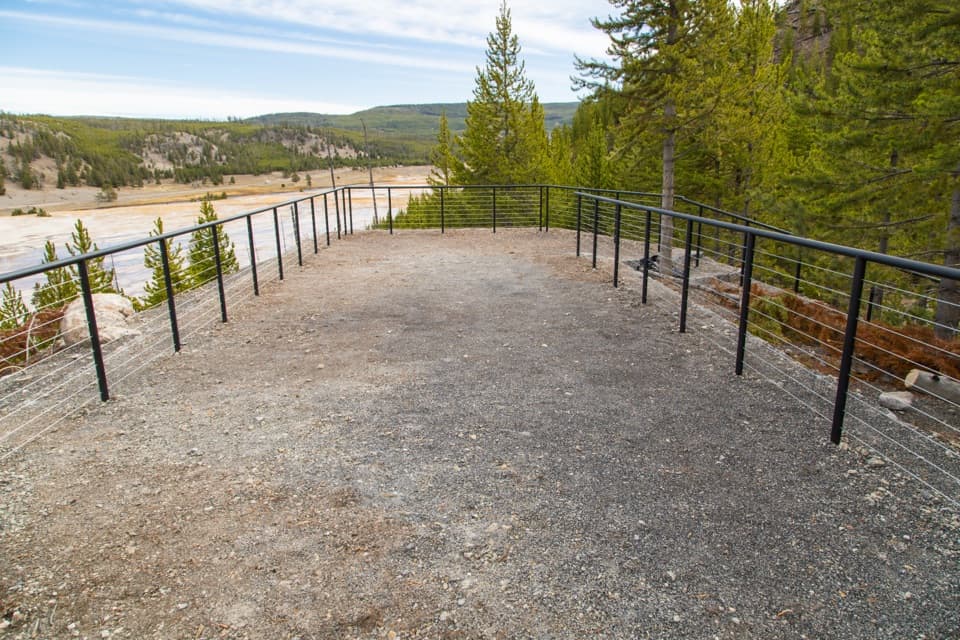
From the overlook, frame the boardwalk curves against the pale basin to show the scale of the thermal flats. On the loop, look back toward Ledge Geyser for its steam plume when it is active. The Porcelain Springs Overlook on the optional eastern loop has a separate view across blue pools toward the Gallatin Mountains.
The Norris Museum beside the start is one of Yellowstone’s original trailside museums, built in 1929–30 and now a National Historic Landmark. Park in the Norris Geyser Basin lot at Grand Loop Road and Norris Canyon Road; no separate trail permit or reservation is required, though the park entrance fee applies. The listed hiking season is spring through fall; in winter Norris is accessible only by snowmobile. Pets are not allowed on thermal-area boardwalks or trails. Stay on marked paths: some pools are above boiling temperature, and the ground beside them is unsafe.
Wildlife
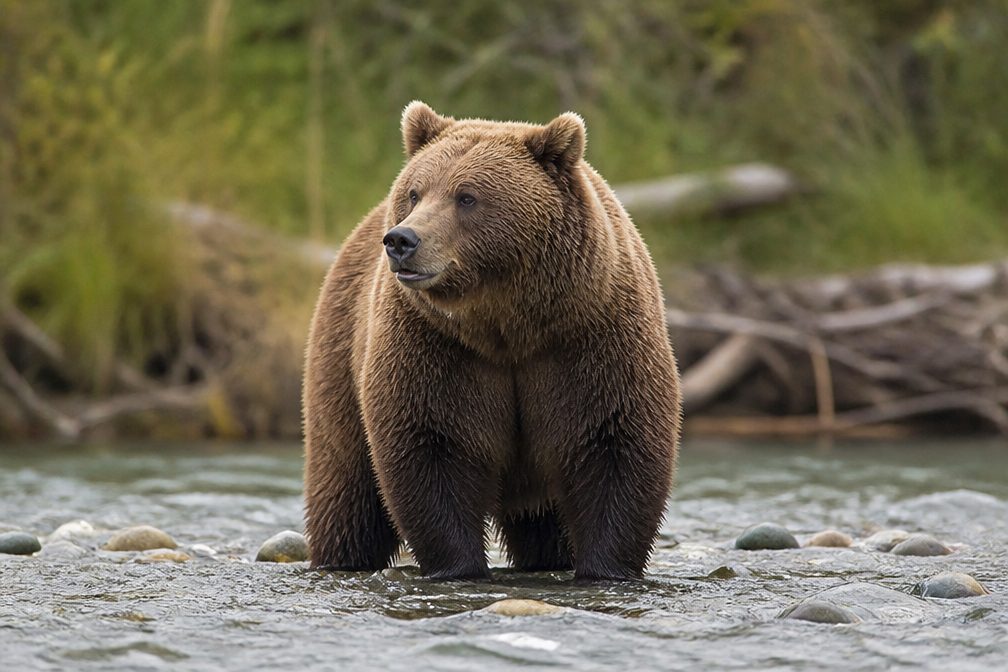 713 sightingsGrizzly BearMost seen around 6 AMSighting map
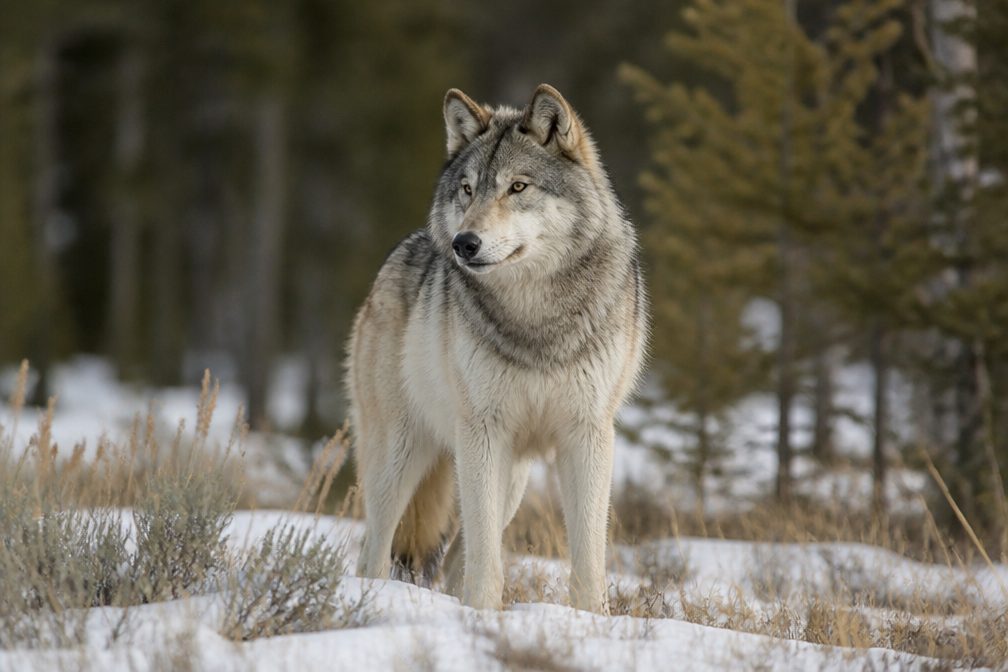 743 sightingsWolfMost seen around 6 AMSighting map
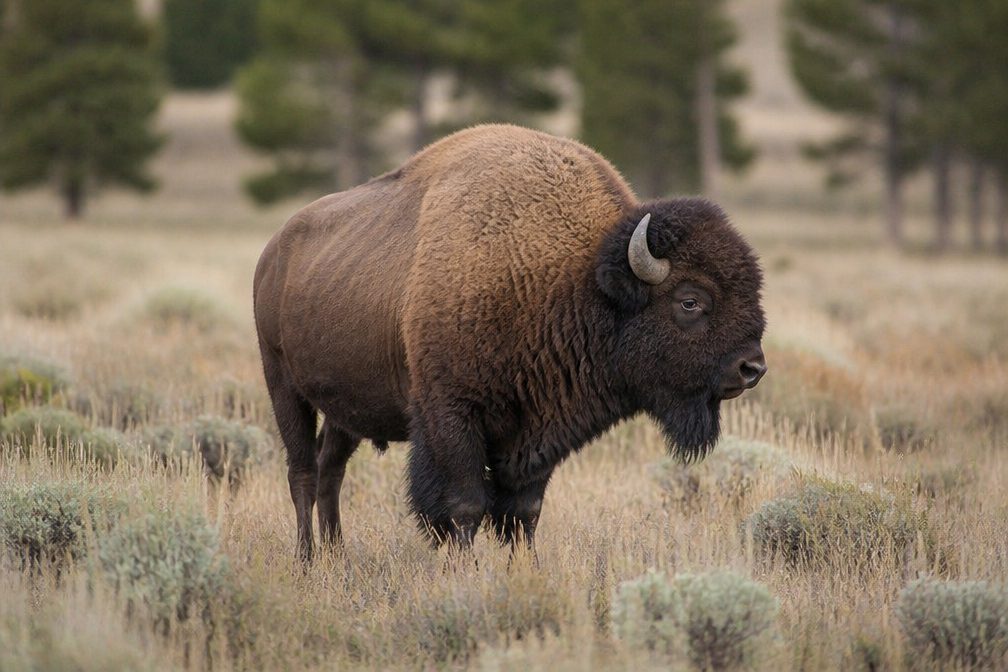 5,273 sightingsBisonMost seen around 7 AMSighting map
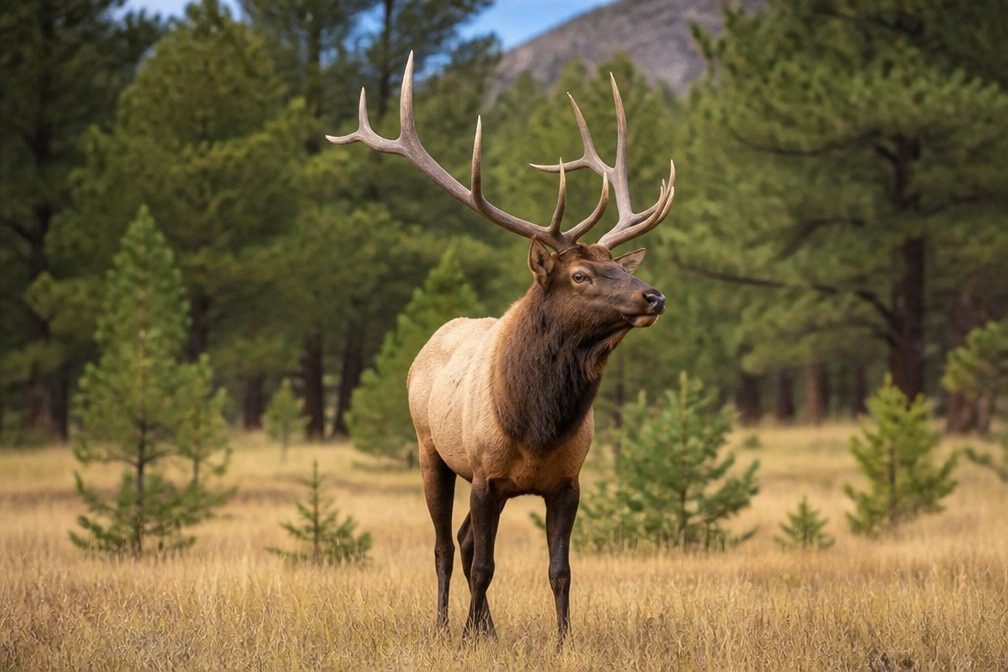 3,258 sightingsElkMost seen around 7 PMSighting map
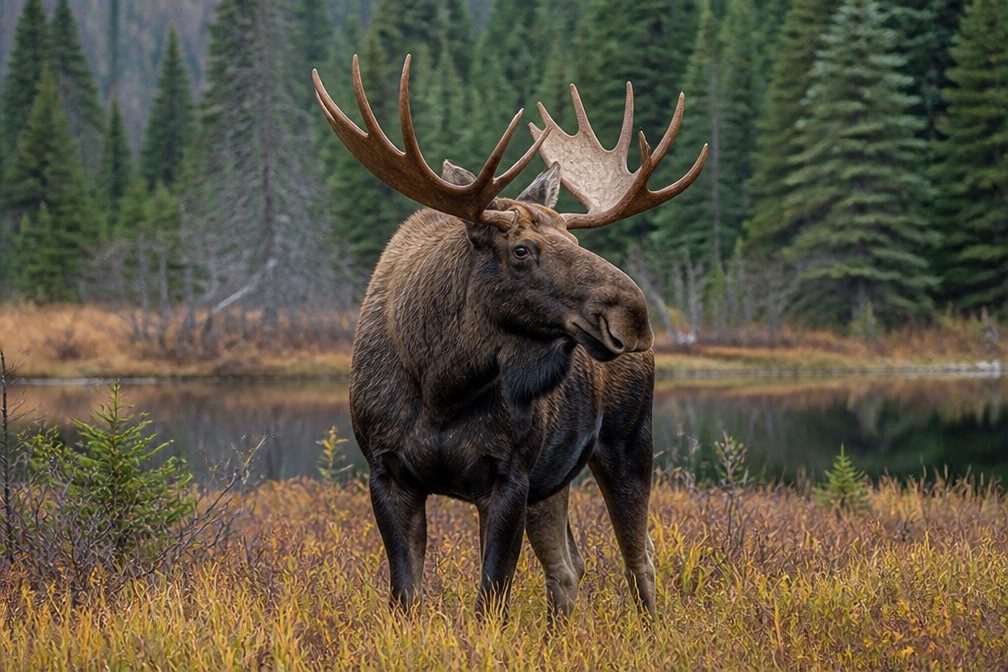 397 sightingsMooseMost seen around 7 PMSighting map
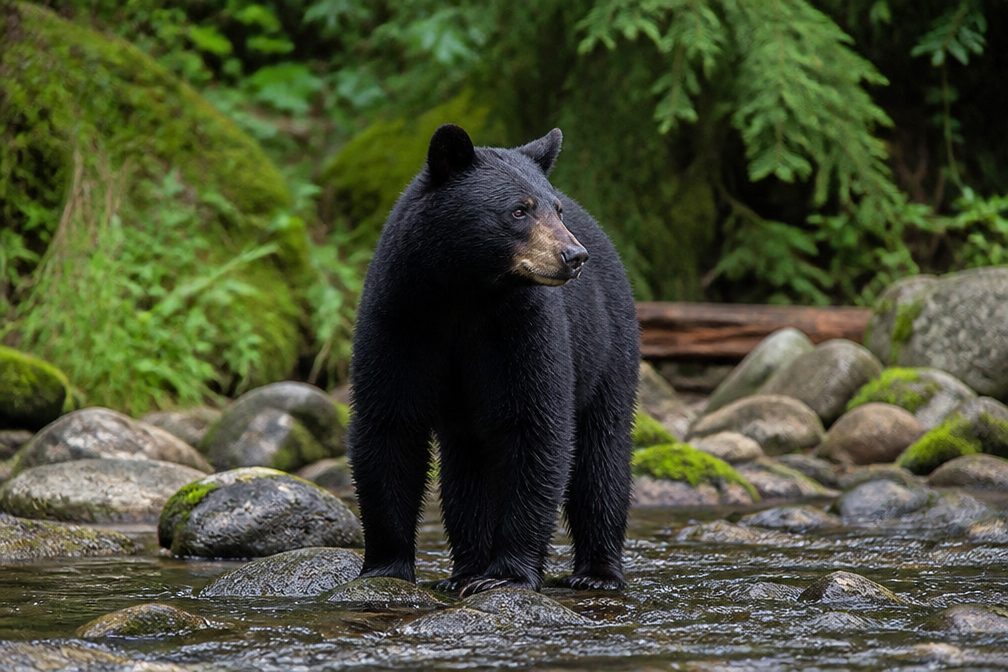 1,494 sightingsBlack BearMost seen around 7 PMSighting map
Sighting maps show where each species has been reported across Yellowstone. Wildlife moves, so no sighting is guaranteed.
Keep exploring
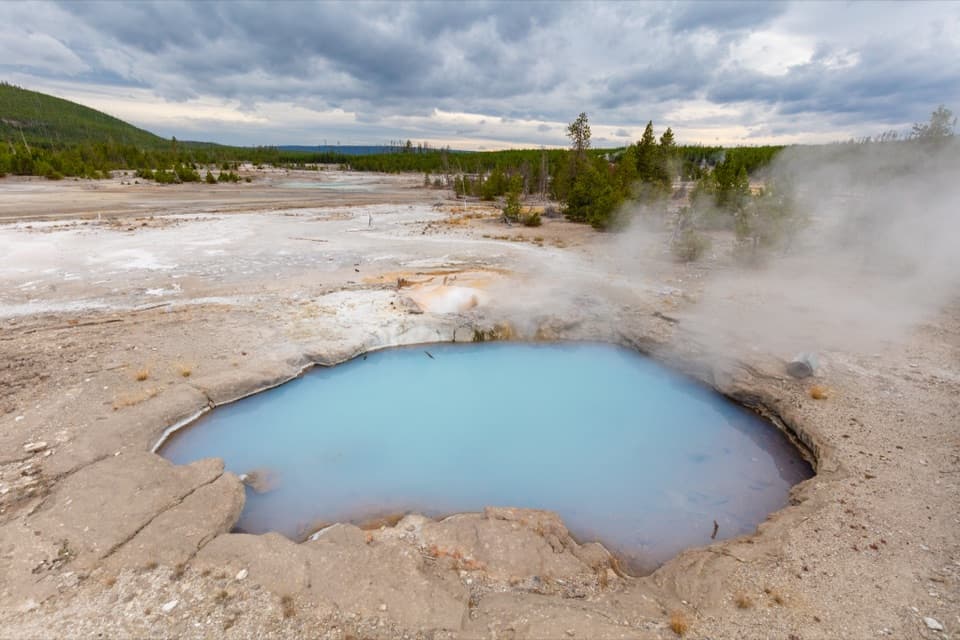 EasyBack Basin Trail1.5 mi · 1.3 hr · At the trailheadA wooded thermal loop with geysers scattered through the pines.
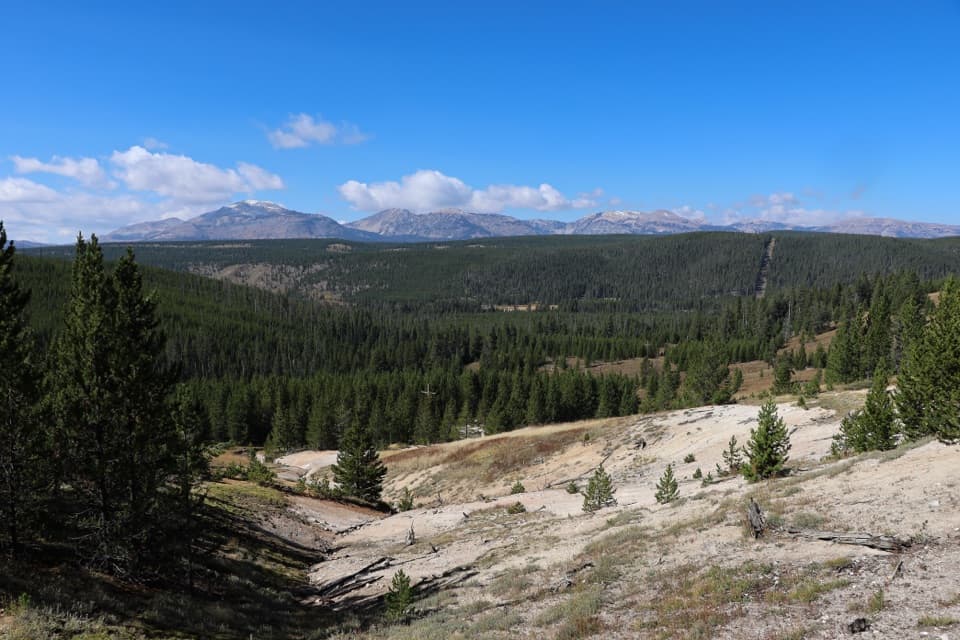 ModerateSolfatara Creek Trail6.3 mi · 3.5 hr · 1 mi awayA long thermal creek walk through forest, meadows, and hot springs
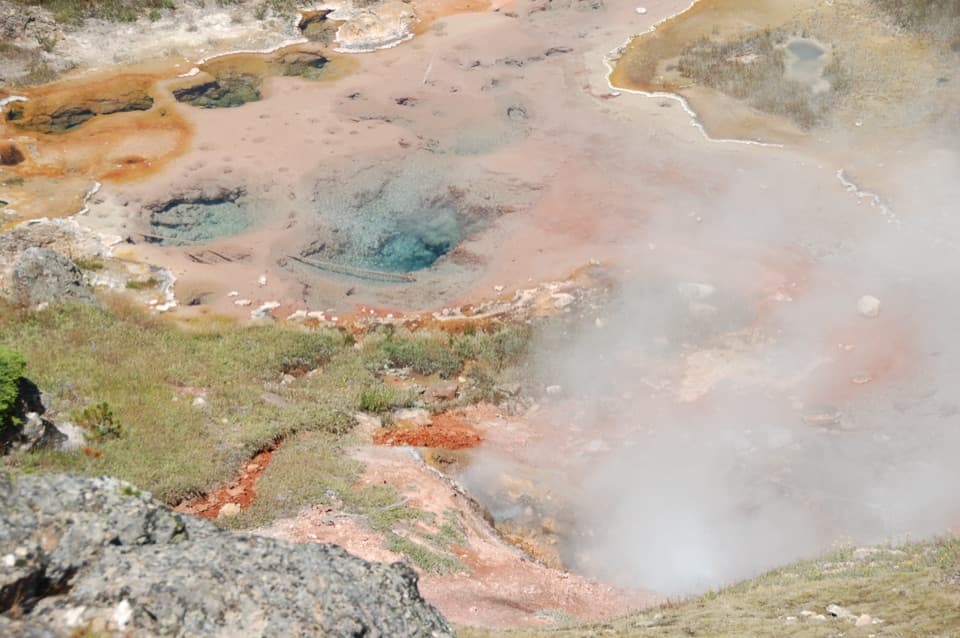 EasyArtists Paintpots Trail1 mi · 45 min · 2.8 mi awayA short loop past bubbling mud and a steep climb.
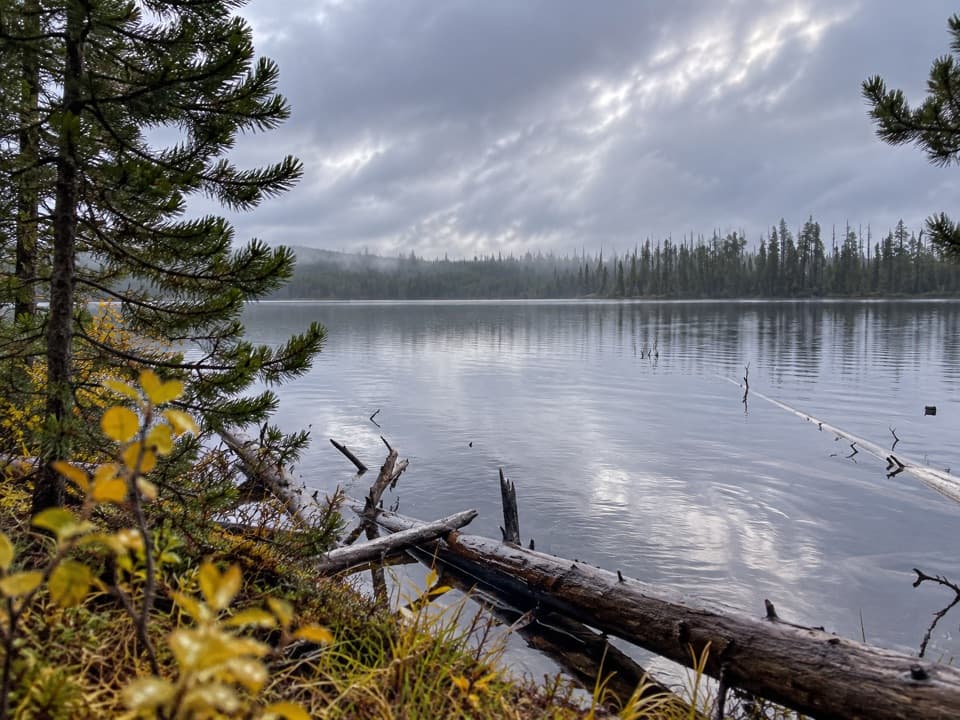 EasyIce Lake Trail1 mi · 45 min · 3.5 mi awayA short forest walk to the western edge of Ice Lake.
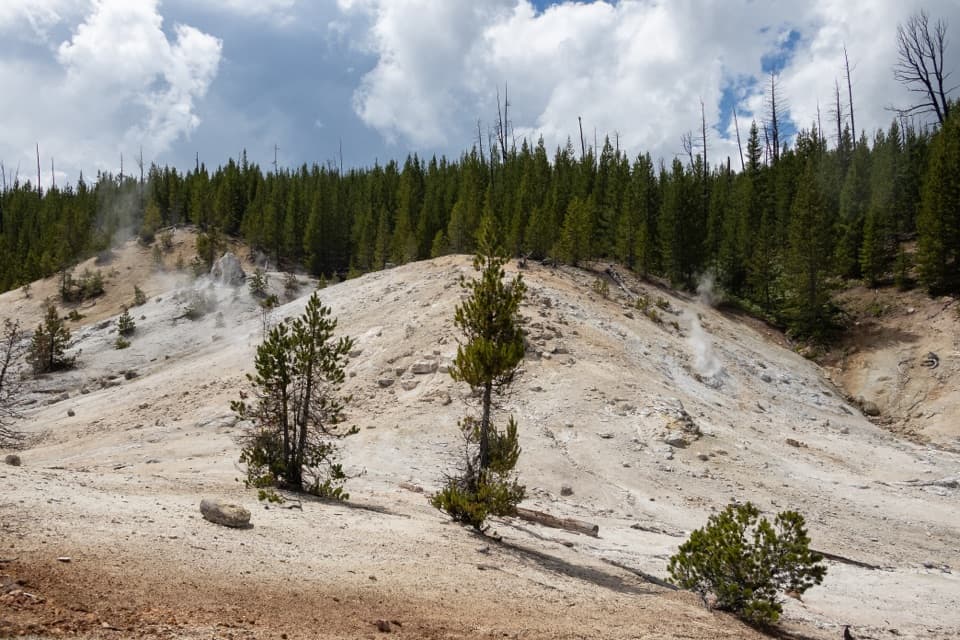 ModerateMonument Geyser Basin Trail2.4 mi · 2 hr · 3.6 mi awayA steep climb from the Gibbon River to a pale thermal basin.
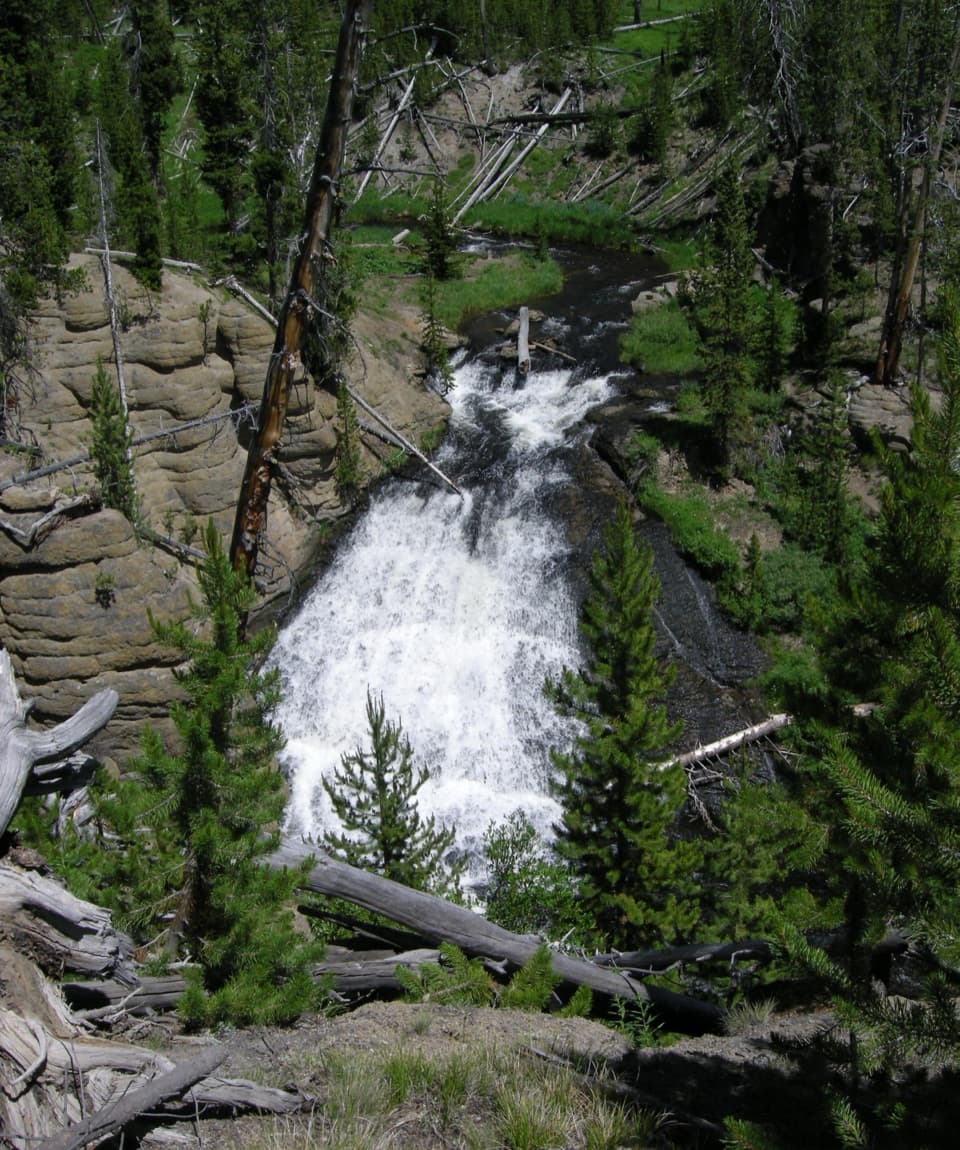 EasyWolf Lake Trail2.4 mi · 1.5 hr · 3.9 mi awayA short waterfall walk through Yellowstone's forest and wet meadows.
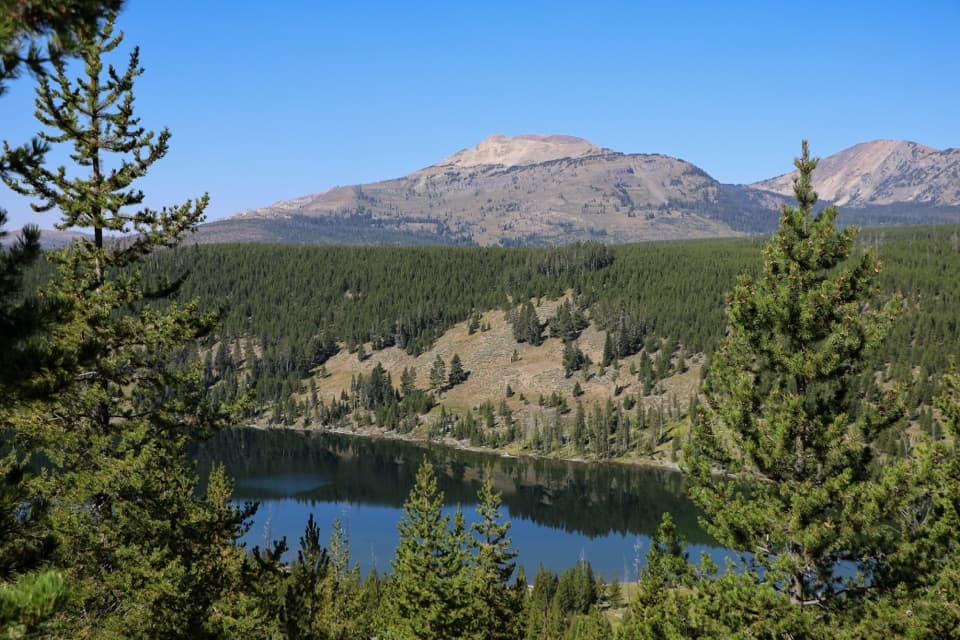 ModerateGrizzly Lake Trail4.2 mi · 3 hr · 5.4 mi awayA creek bridge, steep fire-scarred climb, and lake between ridges.
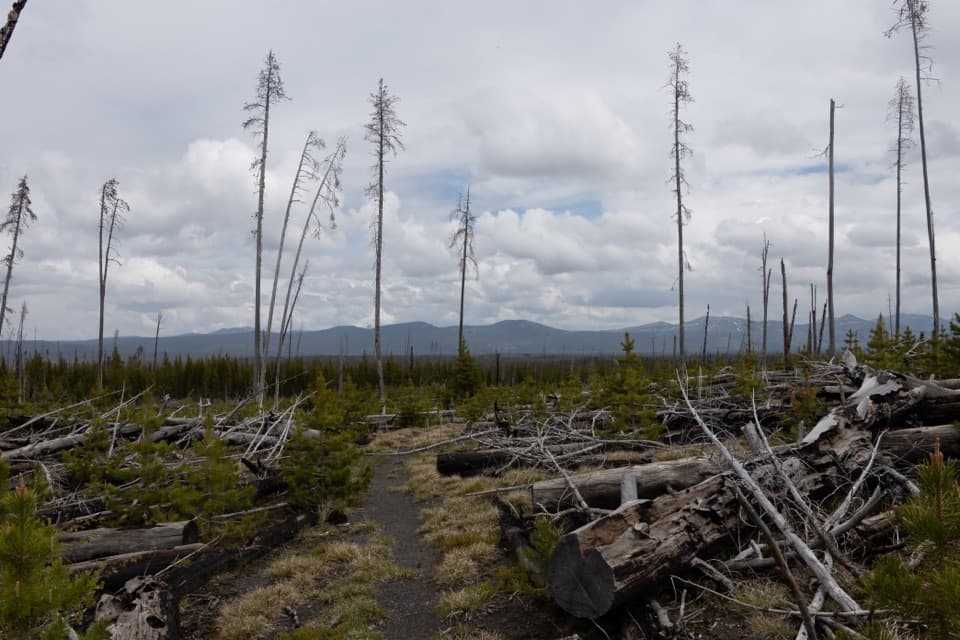 ModerateCygnet Lakes Trail8.2 mi · 3.5 hr · 6.6 mi awayAn exposed lodgepole walk reaches a marshy meadow with waterfowl.
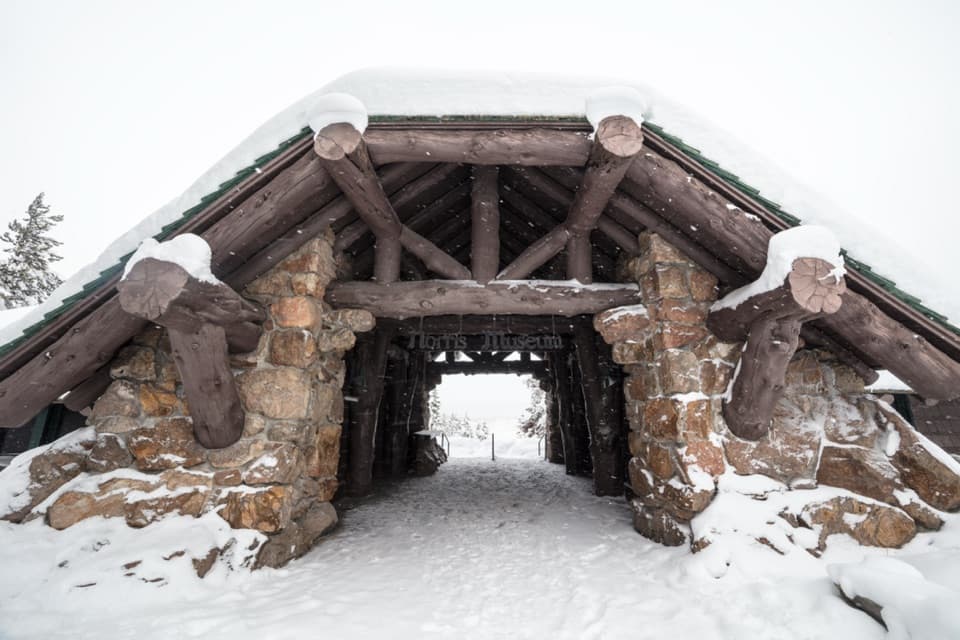 Sight · At the trailheadNorris Geyser Basin Museum and Information StationA 1930 stone and log museum opens onto Norris’s geothermal story.
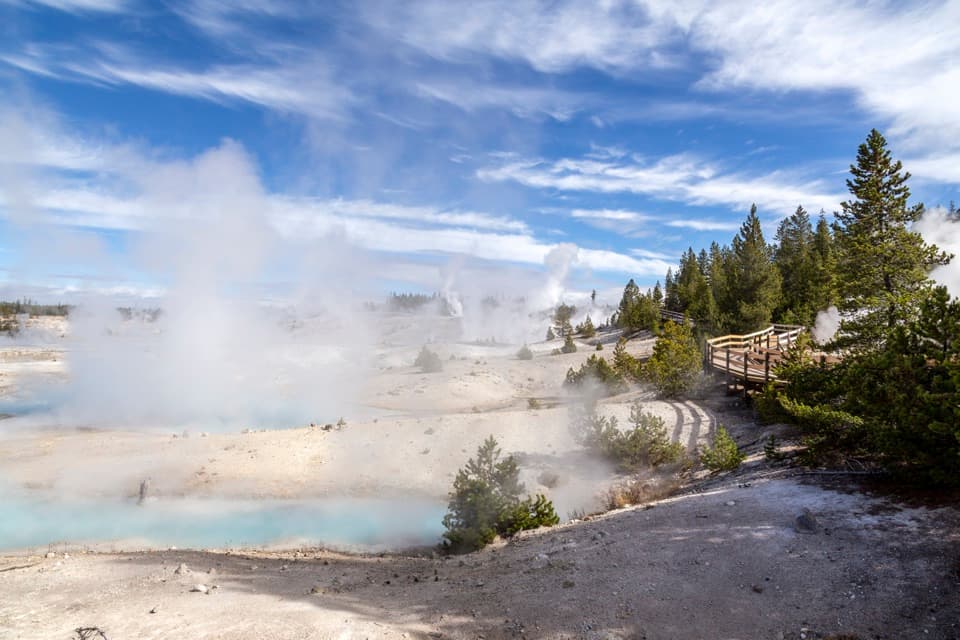 Sight · At the trailheadPorcelain Basin OverlookA short boardwalk reveals changing colors across a thermal basin.
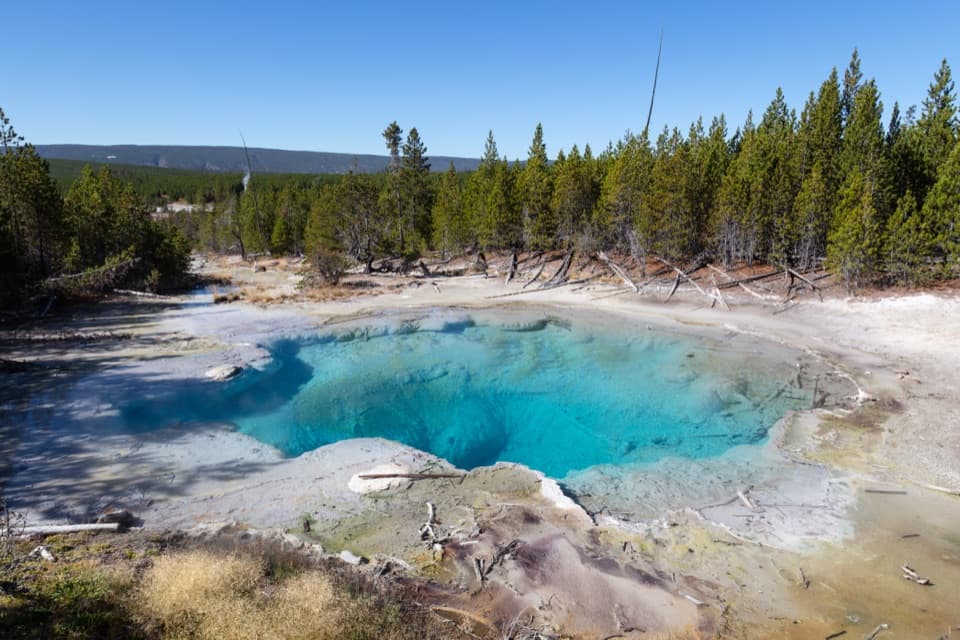 Sight · 0.1 mi awayEmerald SpringSulfur yellow and reflected blue light make this hot spring emerald.
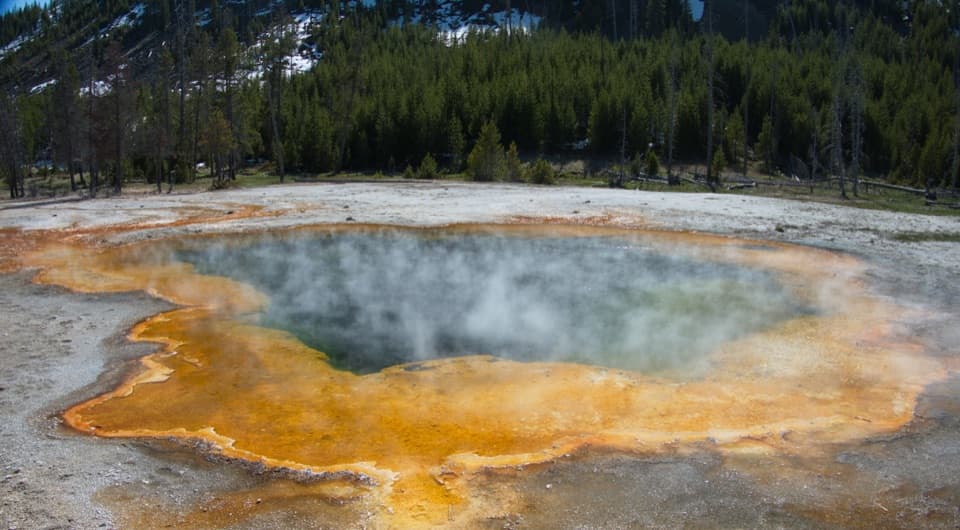 Sight · 0.2 mi awayMinute GeyserA low spout and a cautionary story about visitor damage.
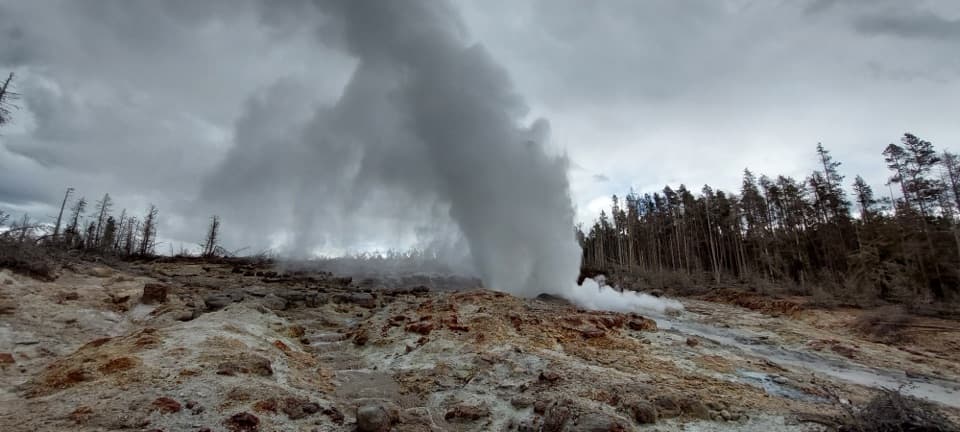 Sight · 0.2 mi awaySteamboat GeyserThe world’s tallest active geyser—and you can’t plan its eruptions.
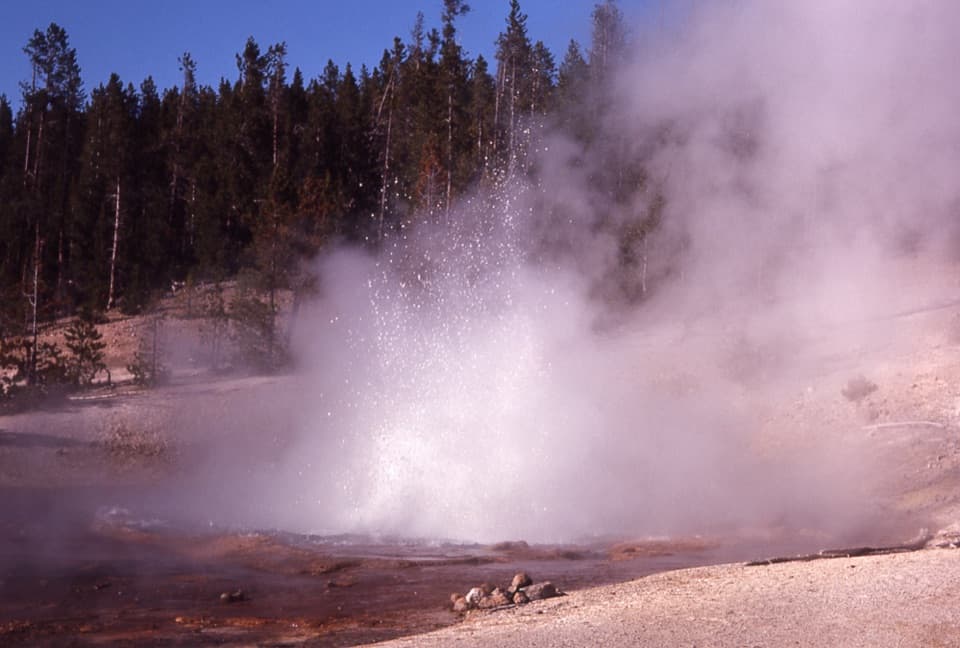 Sight · 0.3 mi awayEchinus GeyserA 66-foot acidic geyser with sea-urchin spines around a red rim.
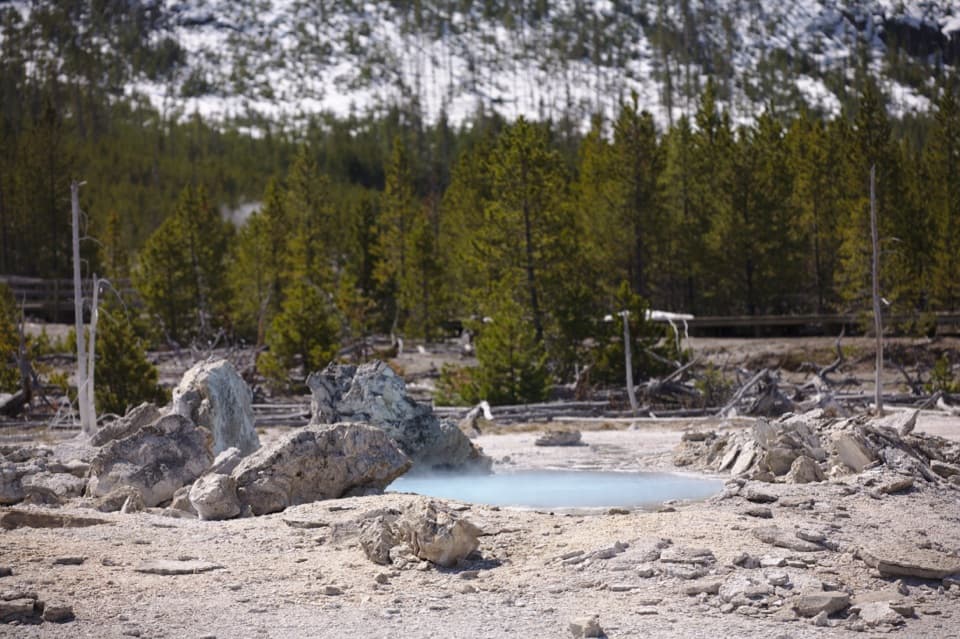 Sight · 0.4 mi awayPorkchop GeyserA quiet pool with a very loud history.
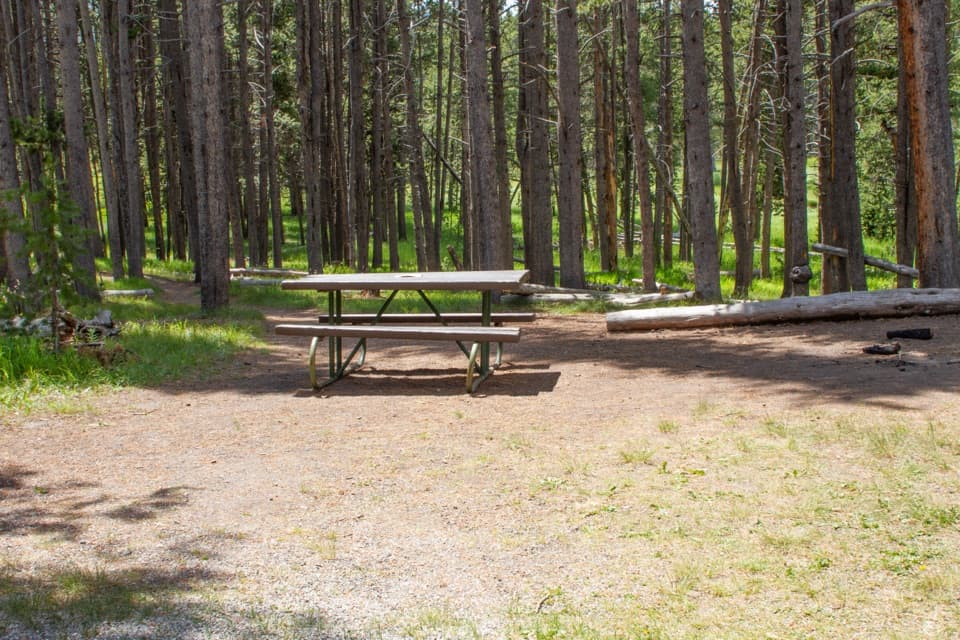 Picnic area · 0.8 mi awayNorris Meadows Picnic AreaA quieter riverside lunch stop near Norris Basin
Parkwolf’s Yellowstone ranking

The audio tour guide for the drive, plus offline maps, trails, and wildlife heatmaps for when the signal drops.