Place · 0.1 mi away

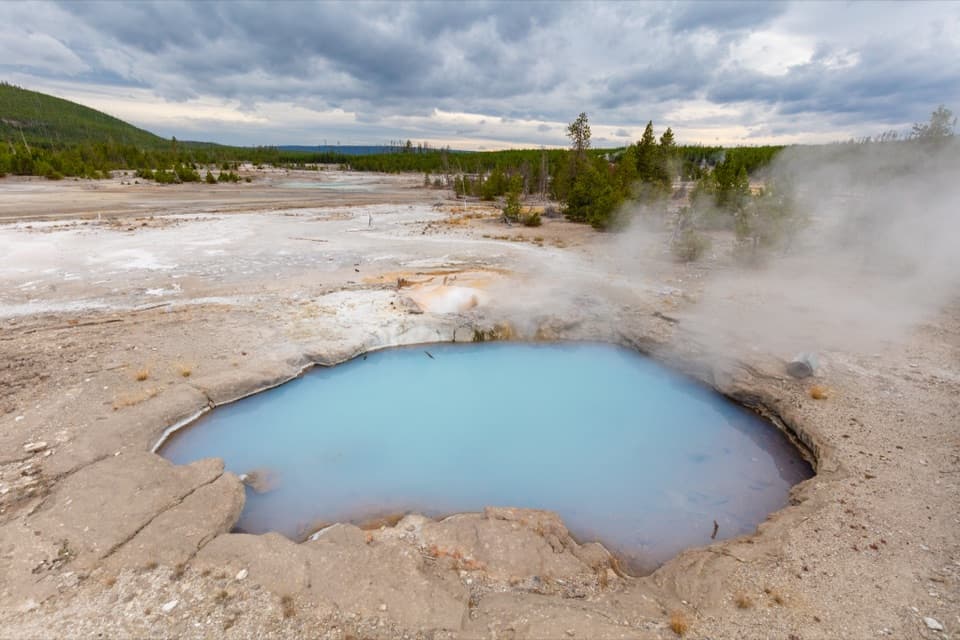
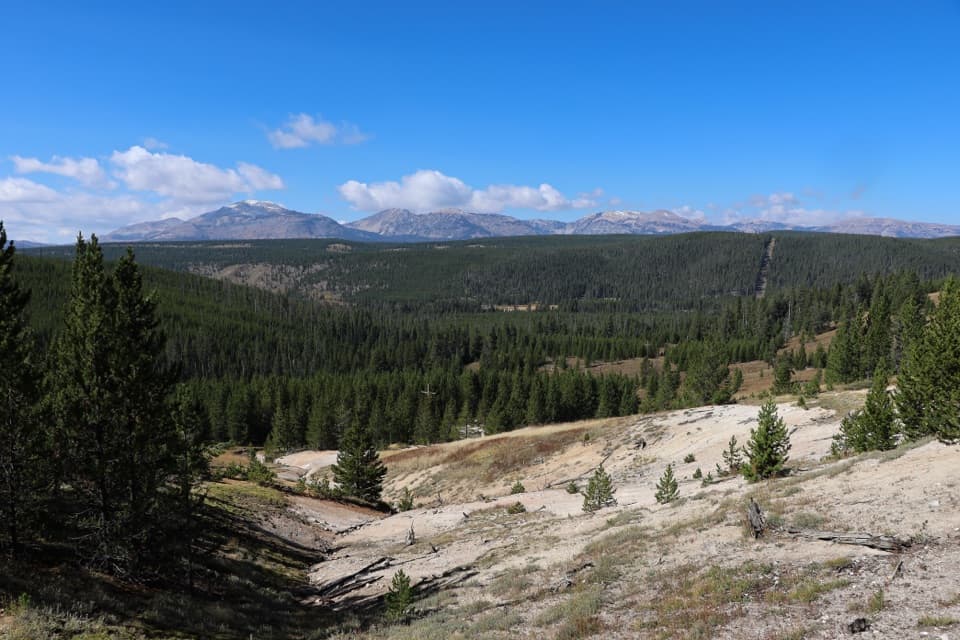
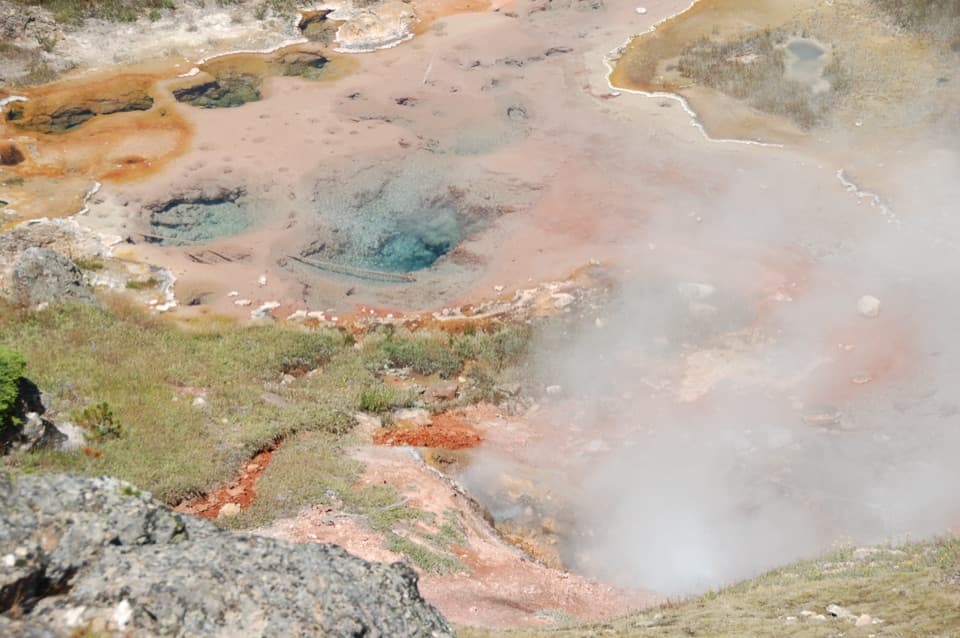
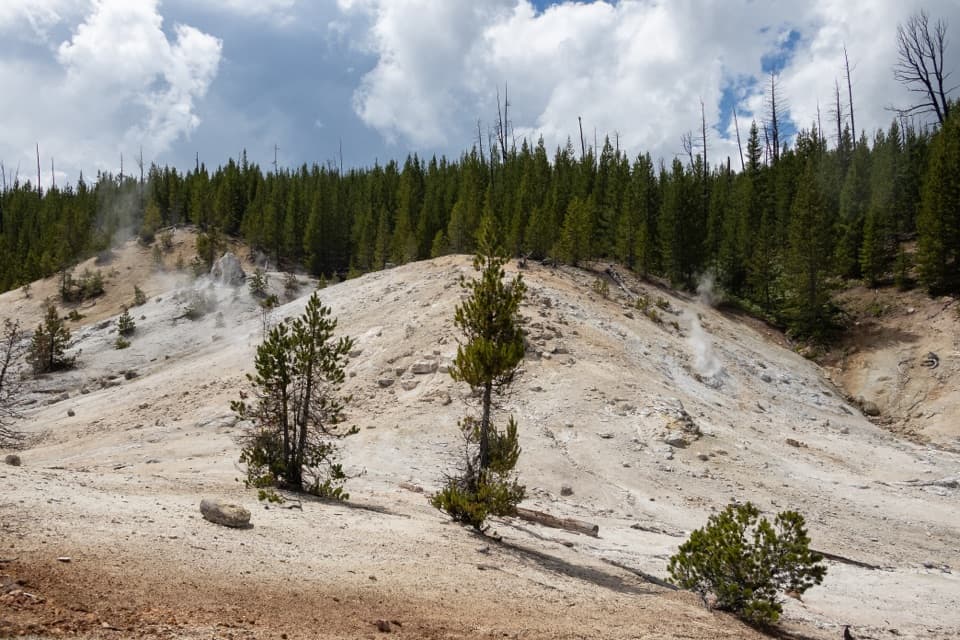
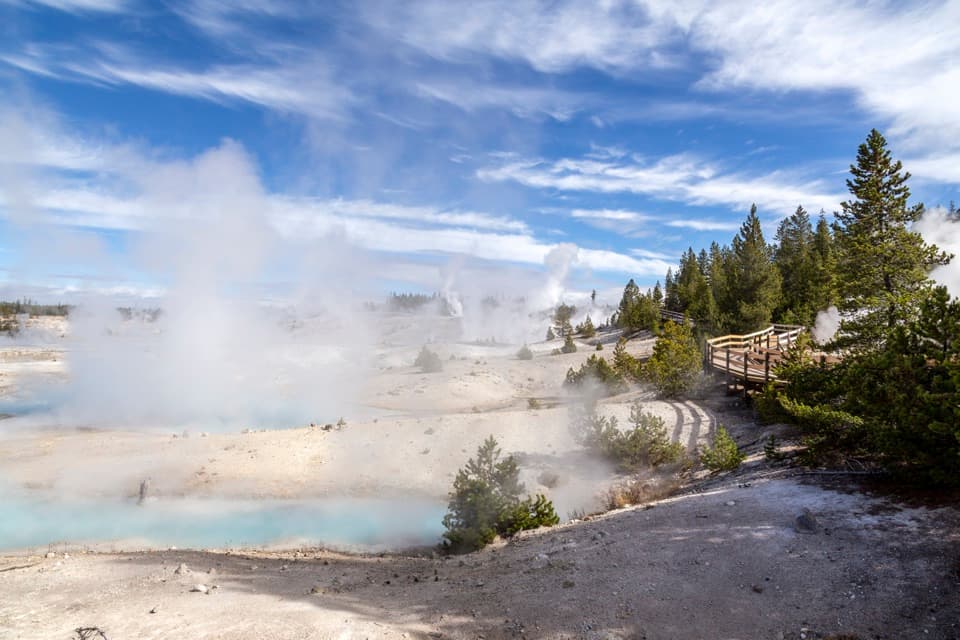
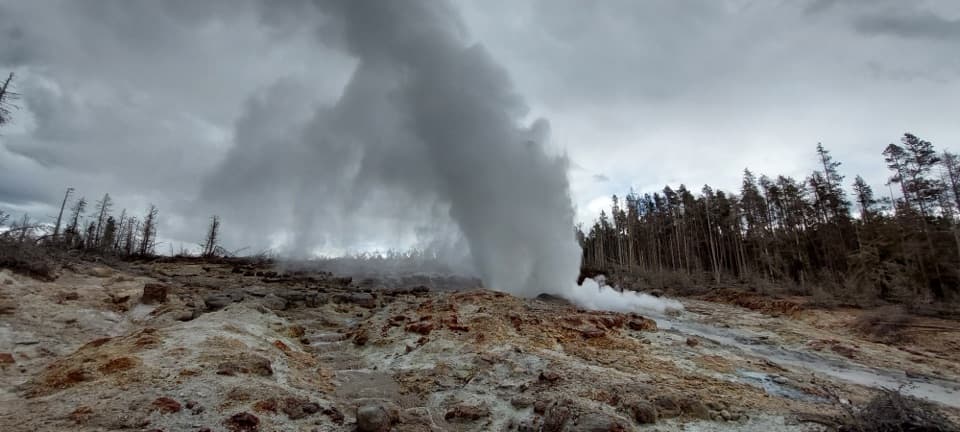
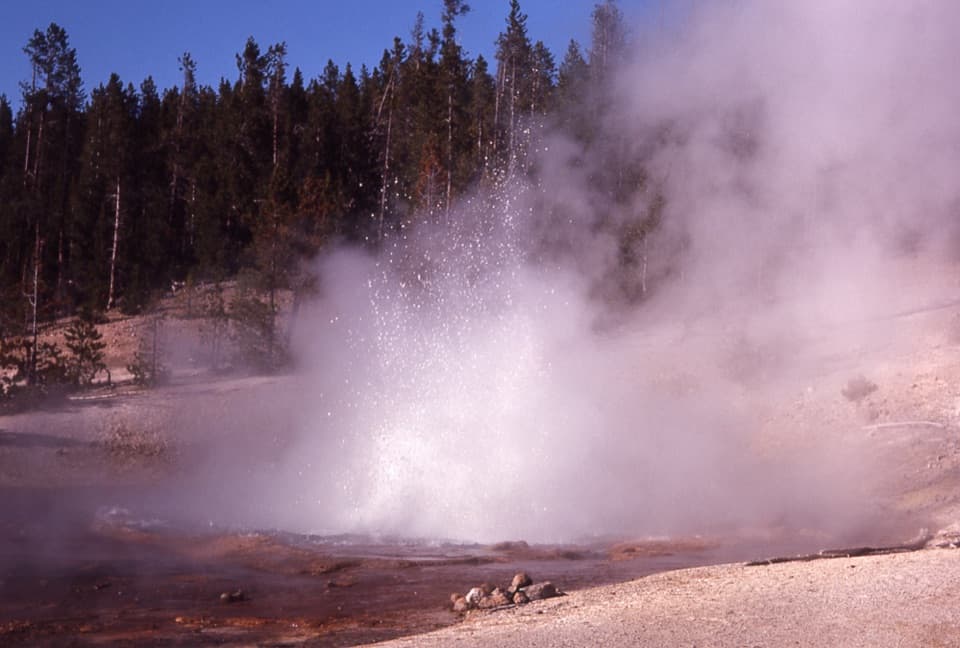
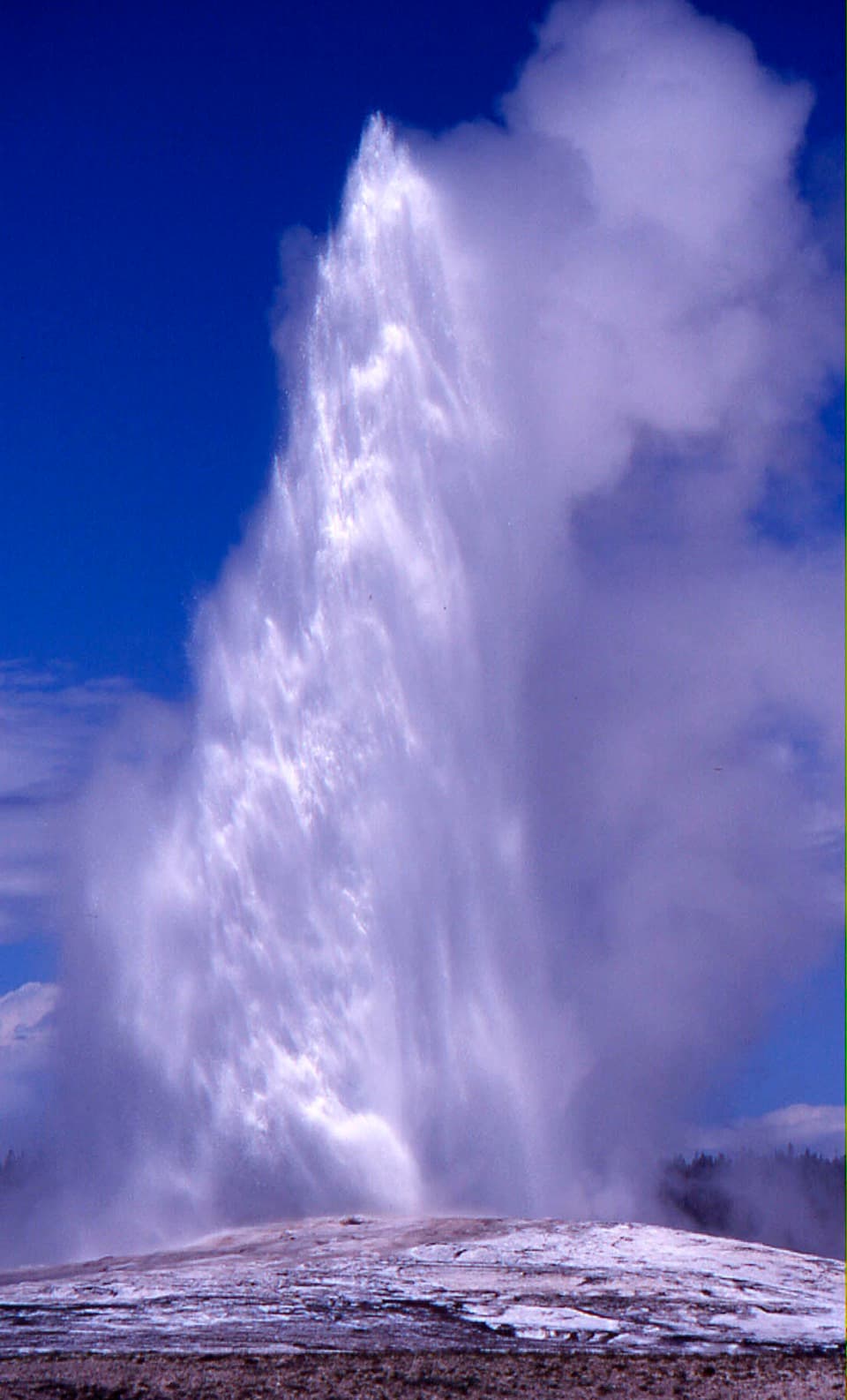
Minute Geyser used to live up to its name—erupting every 60 seconds and blasting 40–50 feet high. Today it’s a subdued spouter, best appreciated for its story rather than spectacle. If you’re walking the Norris Geyser Basin boardwalks, it’s a worthwhile pause; if you’re chasing big eruptions, keep expectations in check.
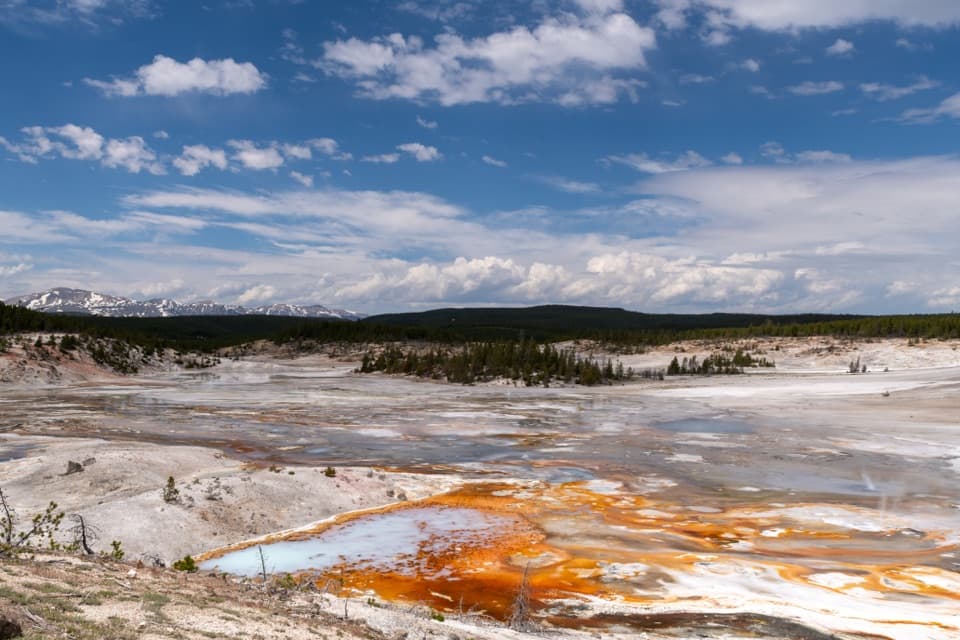
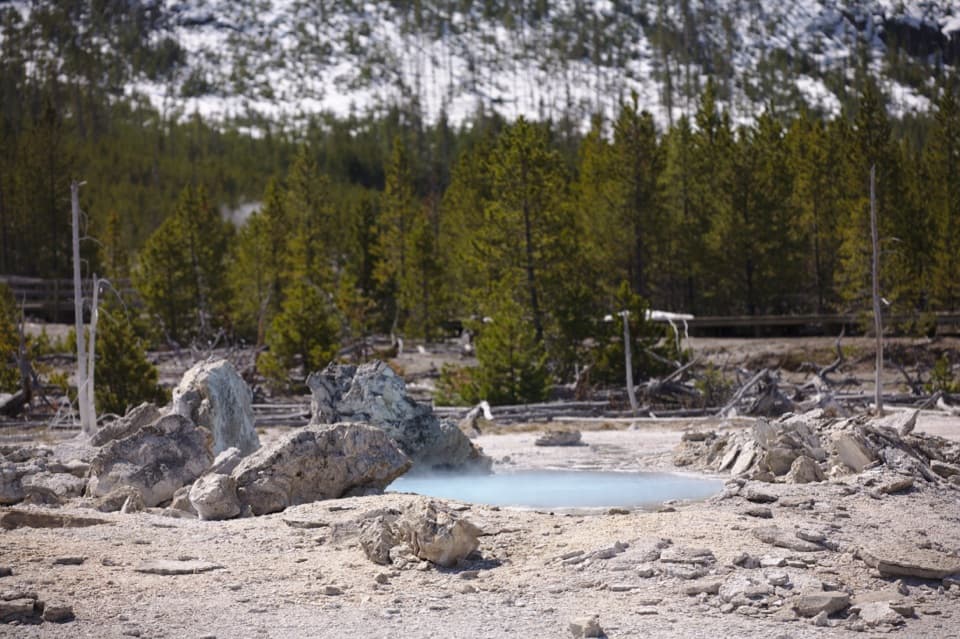
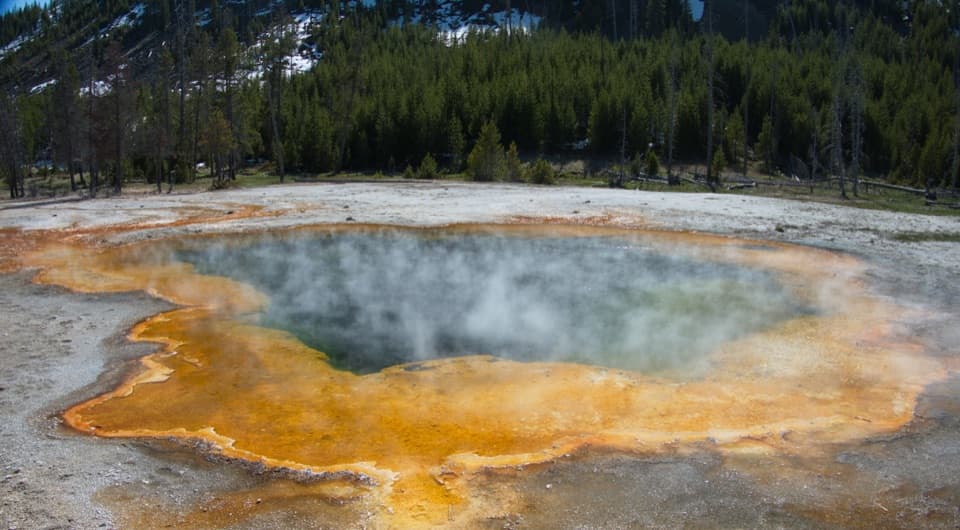
You’ll find a small vent putting up low, irregular plumes—about a foot high—from the active east vent. It’s near other Norris highlights (like Porkchop Geyser), so plan to enjoy the broader loop rather than treating this as a standalone stop.
Early visitors threw rocks into the larger west vent—back when the road passed uncomfortably close—clogging it and effectively silencing the powerful eruptions. What remains is a modest, intermittent spurt from the smaller east vent. It’s a quiet, sobering reminder that small acts of carelessness can permanently alter these features.
Yellowstone’s hydrothermal system is dynamic. Geyser behavior can shift with time, earthquakes, and even wet vs. dry years. Minute Geyser’s decline was human-caused, but variability is part of the story across the basin.
Fold Minute Geyser into a full Norris boardwalk circuit. It’s a quick look, so linger only long enough to take in the history and move on to nearby features that offer more action or color.
For fewer crowds on the boardwalks, go early morning or late afternoon/evening. Midday brings thicker foot traffic, and the experience is simply better when it’s quieter.
Stay on boardwalks—ground here is thin and the water is near boiling. Don’t toss coins or rocks; Minute Geyser is the cautionary tale of what happens when people do.
Don’t expect amenities at the feature itself. Plan restroom breaks at developed areas; restrooms are available at Norris Geyser Basin parking areas.