
Place · 3.6 mi away
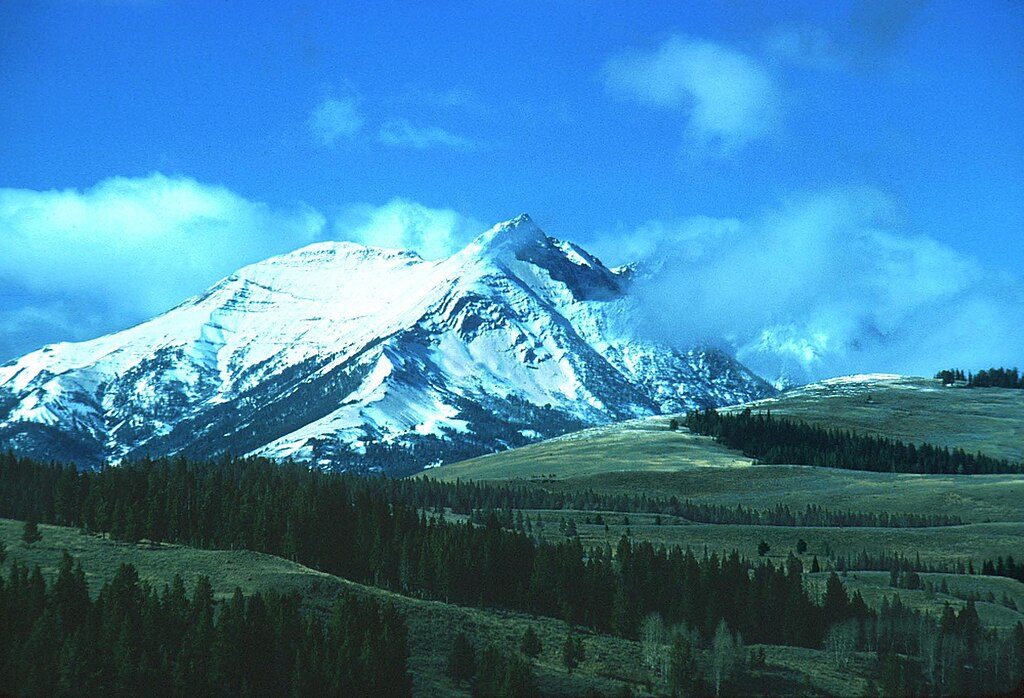
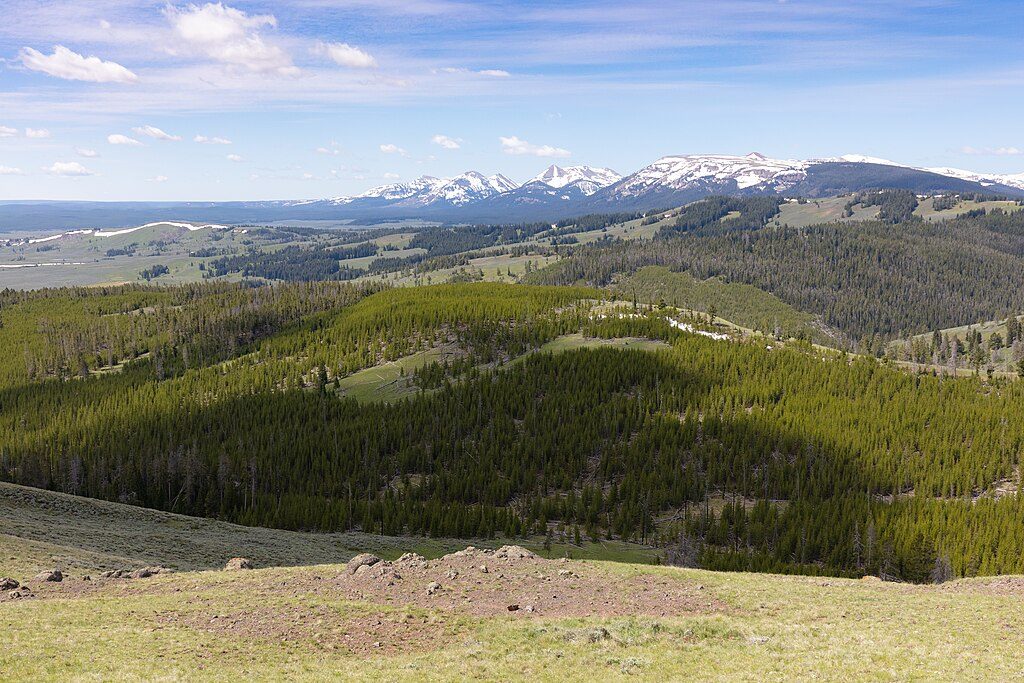
Electric Peak dominates Yellowstone’s northwest corner at 10,969 feet—the high point of the Gallatin Range and a true prize for strong hikers. The standard route approaches from Glen Creek near Kingman Pass and strings together big‑sky sage flats, cool forested valleys, and a rugged red‑rock finish. Most of the outing is on trail, but the upper ridge demands hands‑on scrambling and comfort with loose scree.
The approach crosses open sagebrush flats where you might see mule deer, and occasionally bison or bears, before following a river valley into dense Douglas‑fir forest. Near the summit, expect a rocky southeast ridge with loose talus/scree and short scrambling moves. Careful route‑finding near the top can help you avoid steeper, spicier steps.
From the summit, the reward is huge: sweeping Yellowstone panoramas and distant ranges, with the Tetons often visible on clear days. Late in the season many hikers call the approach “boring then spectacular”—the drama really ramps up on that final ridge.
The peak’s name isn’t poetic—it’s literal. During the first recorded ascent in the 1870s, climbers experienced intense static electricity near the top, with hair standing on end and painful tingling. Today, the lesson stands: treat summer thunderstorms seriously.
Prime season runs roughly July through October, depending on snowpack. Early summer often holds lingering snow; by early July you’re more likely to find a mostly snow‑free route. Afternoon thunderstorms are common—plan to be off exposed ridges by midday, and descend immediately if you feel tingling or hear crackling.
Overnight trips require a Yellowstone backcountry permit. Standard park entry fees apply. Dogs aren’t allowed on park trails.
This is grizzly and black bear country. Hike in groups when possible, make noise in brushy sections, carry bear spray where you can grab it, and store food properly at designated camps. Give all wildlife ample space. On the mountain, expect loose rock near the summit—trekking poles help on the descent, and a cool head is essential.
Aim for a July–October window for the most reliable footing. Start at dawn and try to tag the top before noon for calmer winds, better light, and a buffer against building storms. Late summer often brings the best conditions and views.
Place · 3.6 mi away
Place · 6.3 mi away
Place · 6.5 mi away
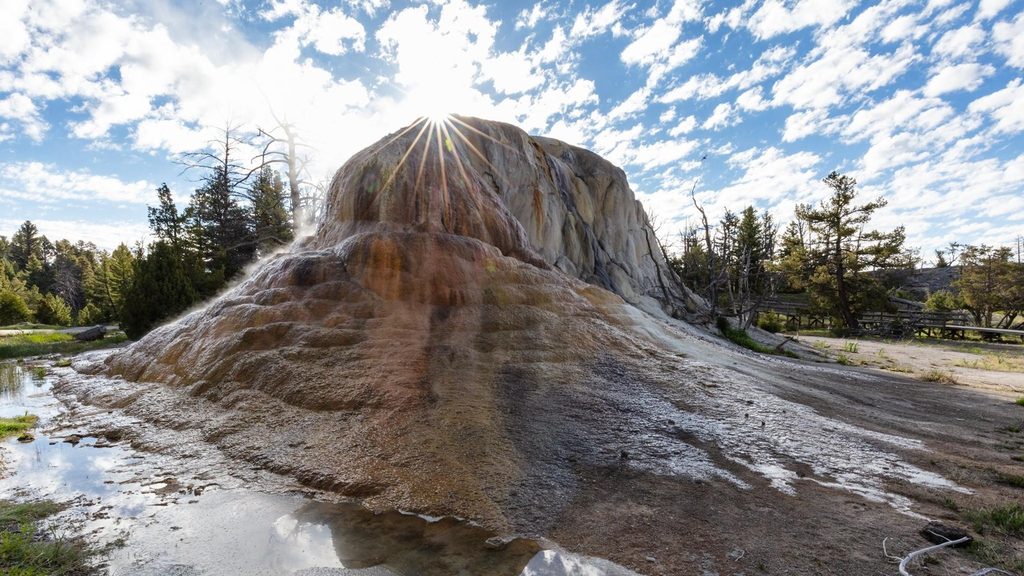
Place · 6.6 mi away
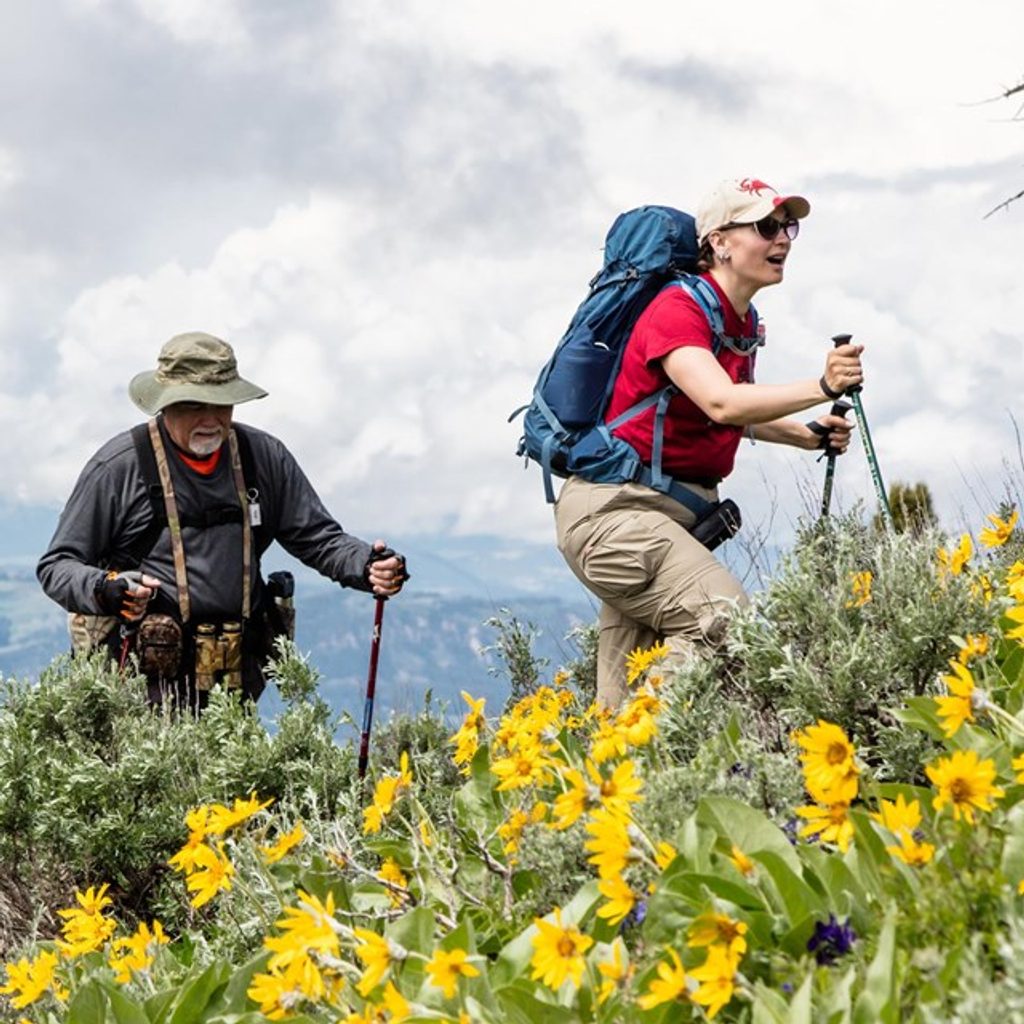
Easy · 6.3 mi away
Moderate · 6.8 mi away
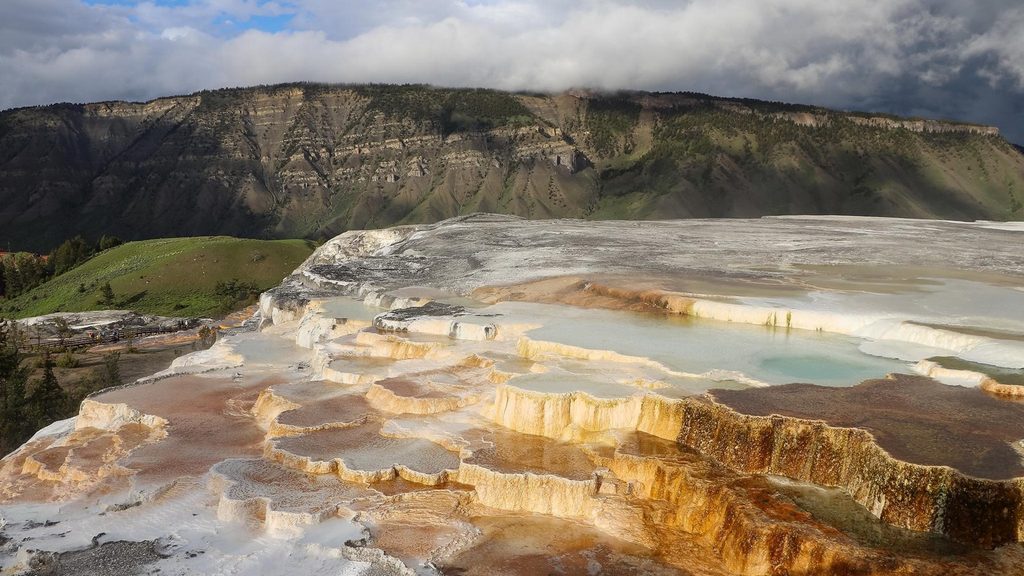
Easy · 6.8 mi away
Challenging · 6.9 mi away

Parkwolf Tour Guide
