
Place · 3 mi away
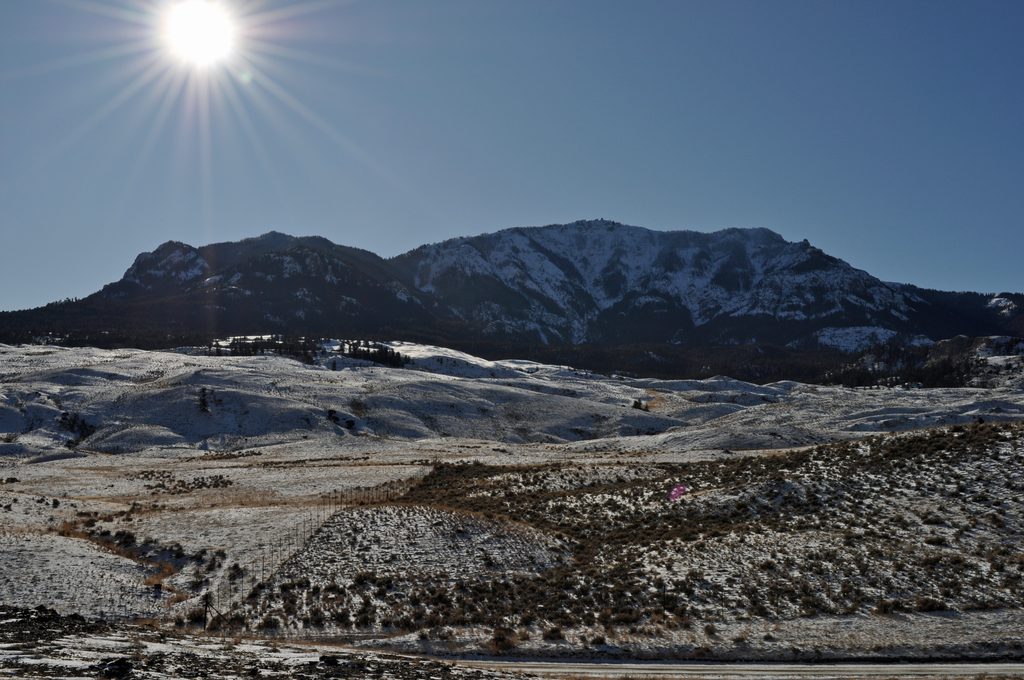
Sepulcher Mountain (9,642 ft) rises between Electric Peak and Mammoth Hot Springs, crowned with quirky volcanic rock that looks like grave markers—hence the name. It’s a big, rewarding day out: long, steep, and exposed in places, with sweeping views and excellent chances to see wildlife.
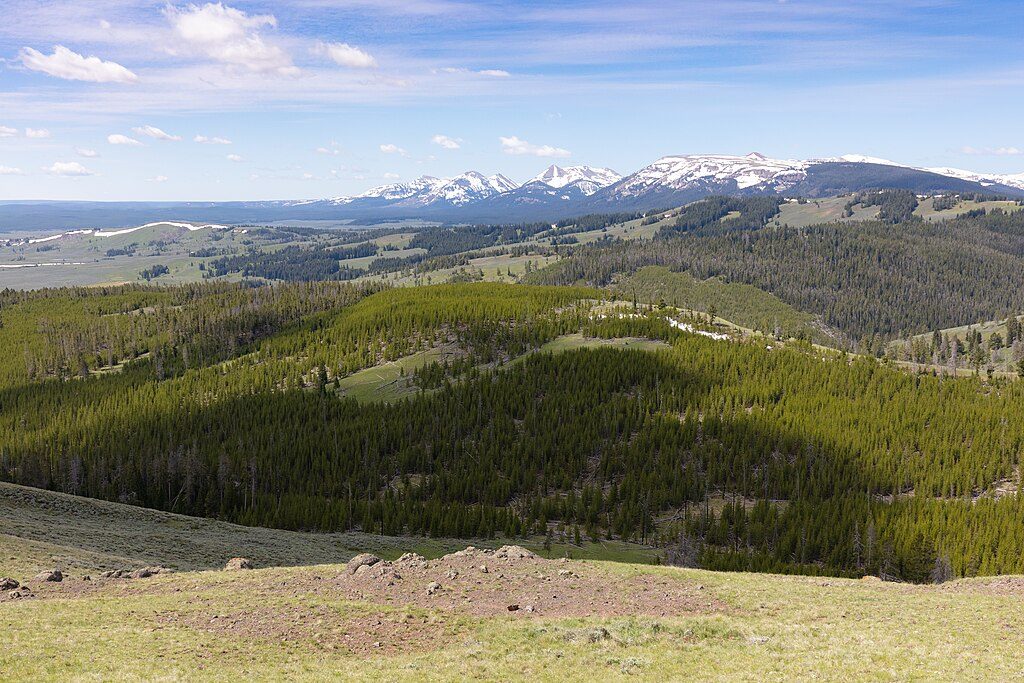
Expect a sampler of Yellowstone uplands: lodgepole forest, open sagebrush slopes, burn areas, grasslands, and occasional volcanic boulder fields. The summit and upper ridges open to grand views of Gardiner, the Gallatin Mountains, Swan Lake Flat, and Electric Peak. In season, you’ll catch alpine wildflowers; lingering snow is possible near the top early or late.
This loop is known for wildlife. Elk are common in the meadows; hikers occasionally see mountain goats or bighorn sheep in rocky sections, plus moose and both black and grizzly bears. Make noise in timbered areas, carry bear spray and know how to use it, hike in a group when you can, and give all animals space—at least 100 yards from bears and wolves, 25 yards from everything else.
Go when the route is largely snow-free and start early for cooler temps, steadier footing, and better odds of a parking spot. Weekdays see fewer people. For photos, morning or late afternoon light flatters the meadows and the summit views, and it helps you dodge typical afternoon storms.
Place · 3 mi away
Place · 3.2 mi away
Place · 3.3 mi away
Place · 3.3 mi away
Moderate · 3.2 mi away
Challenging · 3.3 mi away
Easy · 3.3 mi away
Easy · 3.3 mi away

Parkwolf Tour Guide
