
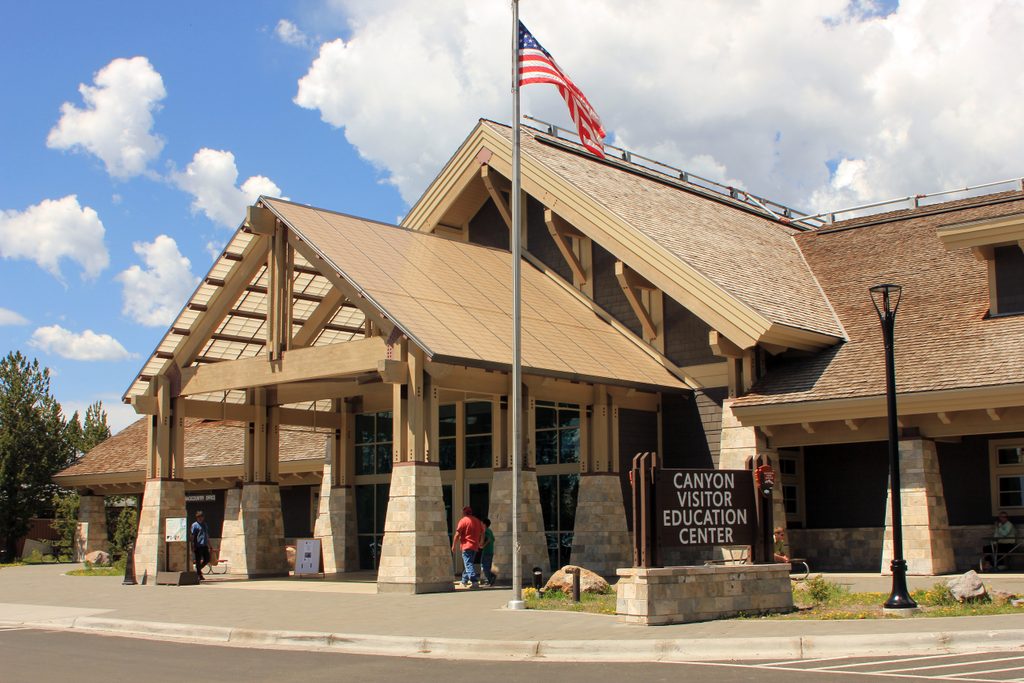
Place · 3.4 mi away
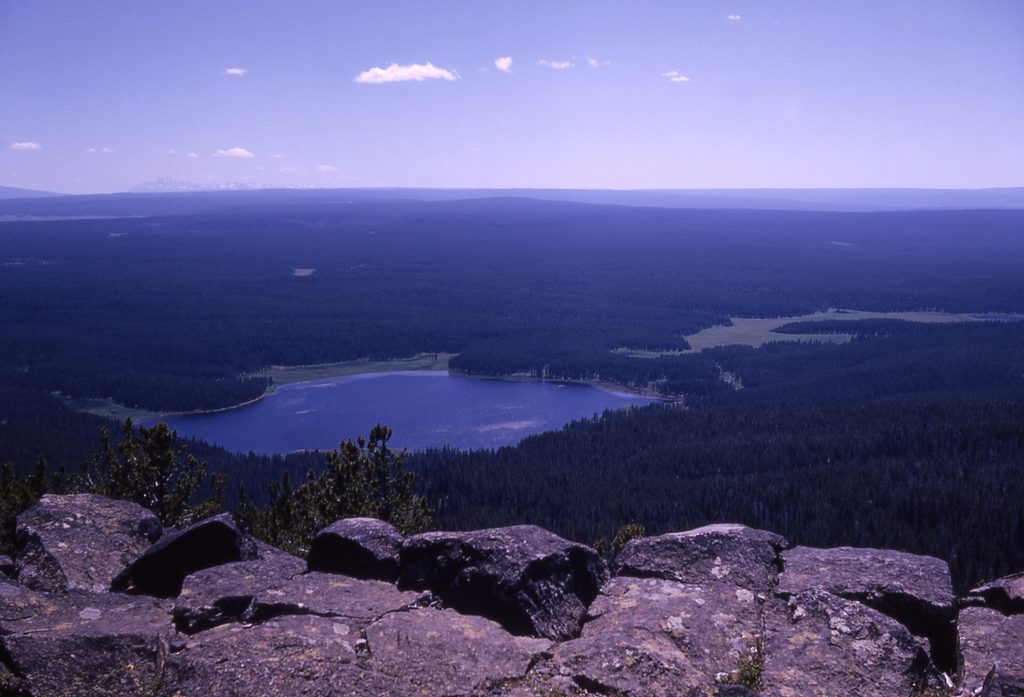
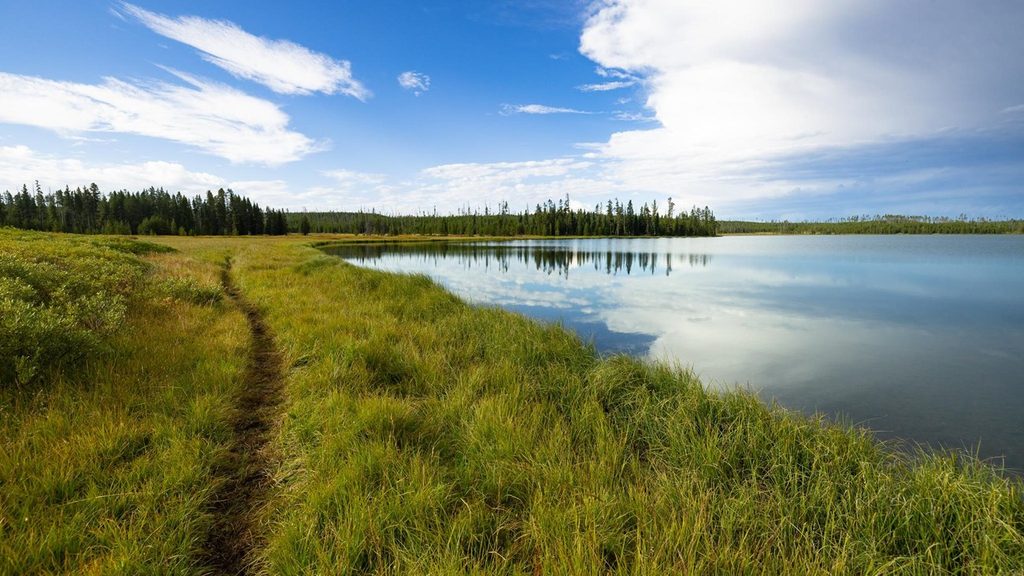
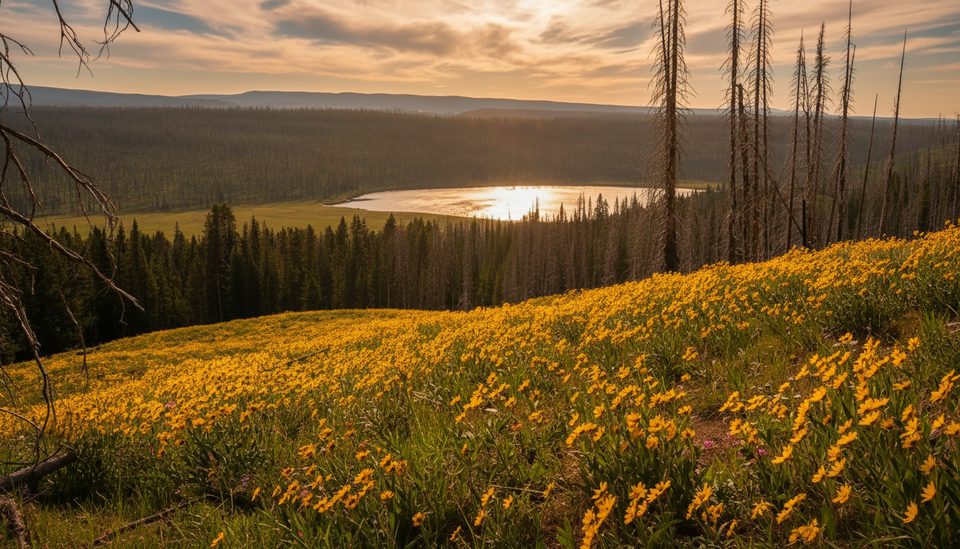
Grebe Lake is a 156-acre backcountry lake at 8,023 feet that forms the headwaters of the Gibbon River. It’s a serene, low-effort payoff: an easy hike through lodgepole forest and open meadows, much of it within areas burned in 1988, to broad lakeshore vistas.
The Grebe Lake Trailhead sits about 3–3.5 miles west of Canyon Junction on the Norris–Canyon Road. The out-and-back hike is roughly 6–6.4 miles round trip with minimal elevation gain on an old roadbed that narrows to singletrack. Expect mixed sun and shade, and occasional muddy/boggy stretches. From the lake, you can connect with the Howard Eaton and Cascade Lake trails or continue on longer objectives like Observation Peak.
The approach moves through young lodgepole stands and meadows before opening to a quiet shoreline perfect for wandering. Waterfowl are a highlight—loons, ducks, swans, and gulls frequent the lake—and raptors like ospreys and bald eagles are possible. Deer and moose are often reported near the shore.
Grizzly bears frequent this area. Hike in groups, make noise in brushy sections, and carry bear spray where you can reach it quickly. Give wildlife space: at least 100 yards from bears and wolves, 25 yards from all other animals. Summer brings afternoon thunderstorms; descend from exposed areas and avoid isolated tall trees during lightning.
Grebe Lake is a popular spot for anglers. A park fishing permit is required, and many hikers pack in float tubes to reach deeper water; any watercraft here must follow boating permit and aquatic invasive species inspection rules. The upper Gibbon watershed (including Grebe) underwent a restoration project to remove non-native fish and establish native westslope cutthroat trout and fluvial Arctic grayling.
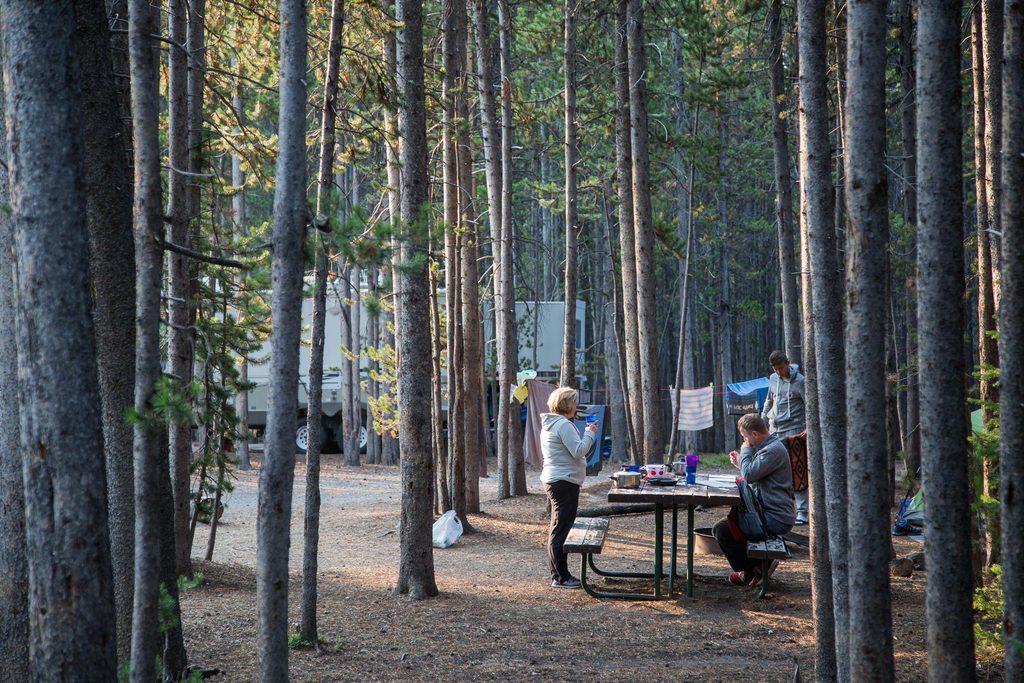
Designated backcountry sites sit along the lakeshore and make great basecamps for day trips to nearby lakes and peaks. Backcountry permits are required for overnight stays; follow food storage rules (store properly, cook and sleep well-separated) and standard Leave No Trace practices.
Snow can linger on the trail into mid-June, and the path can be wet or even snowy into July depending on the year. Early summer bugs are no joke—mosquitoes are heavy in June–July. Use established trails, carry a map, and be cautious around cold, swift waters.
Mid-June through September offers the best hiking access. June and July bring lush meadows but significant mosquitoes; September typically means fewer bugs, cooler temps, and quieter camps. Start early to avoid afternoon storms and to catch calmer water for reflections. Facilities are limited—use restrooms in developed areas like Canyon Village before you go and bring your own water.
Place · 3.4 mi away
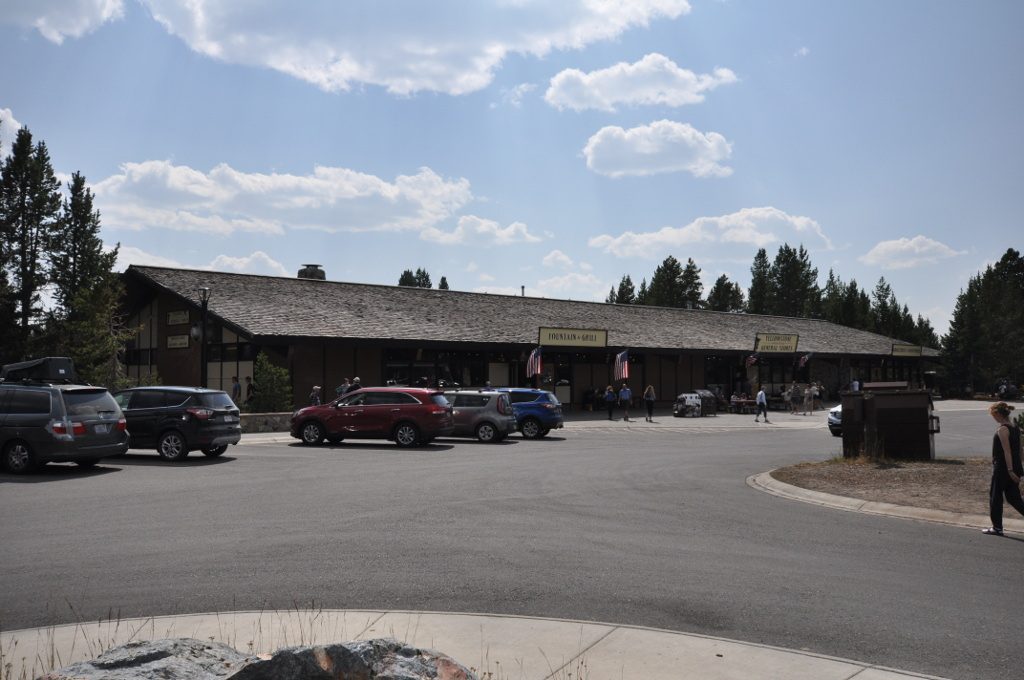
Place · 3.5 mi away
Place · 3.5 mi away
Place · 3.5 mi away
Easy · 1.3 mi away
Challenging · 3.5 mi away
Moderate · 3.8 mi away
Easy · 3.9 mi away

Parkwolf Tour Guide
