Place · 0.1 mi away

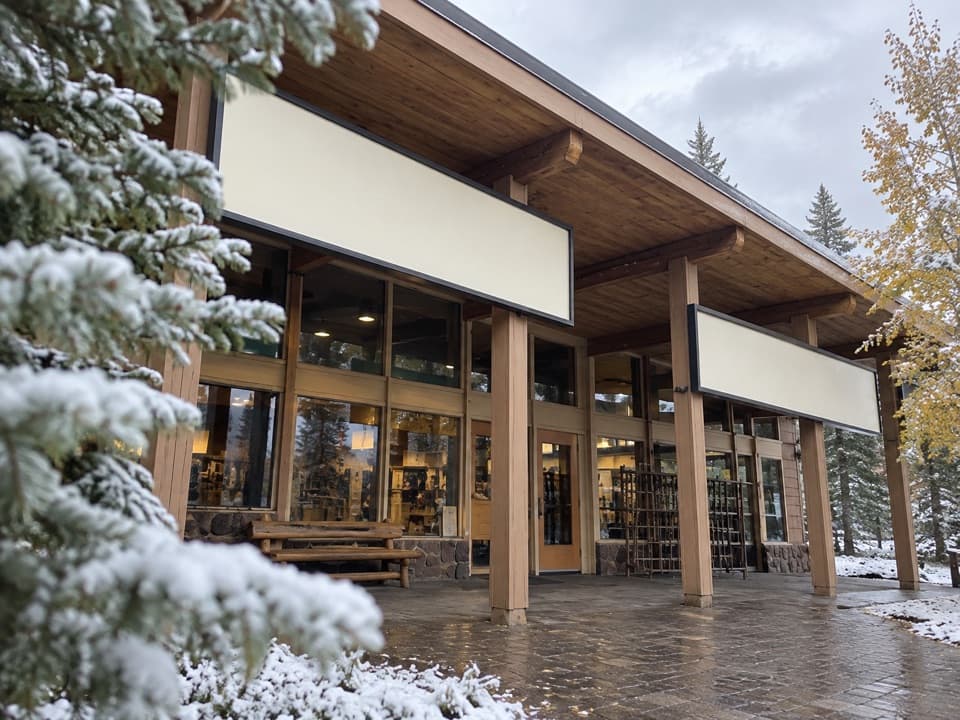
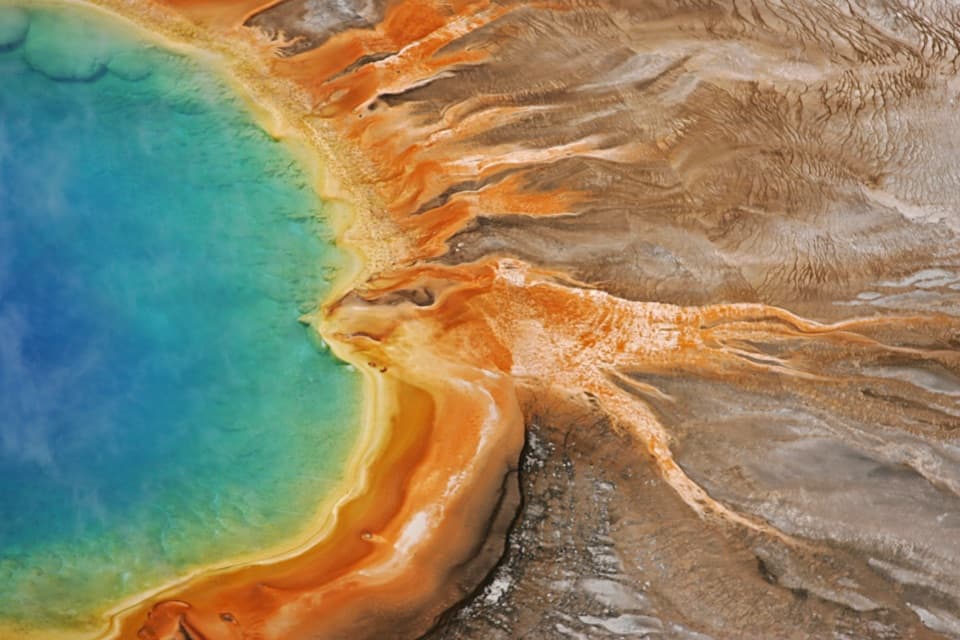
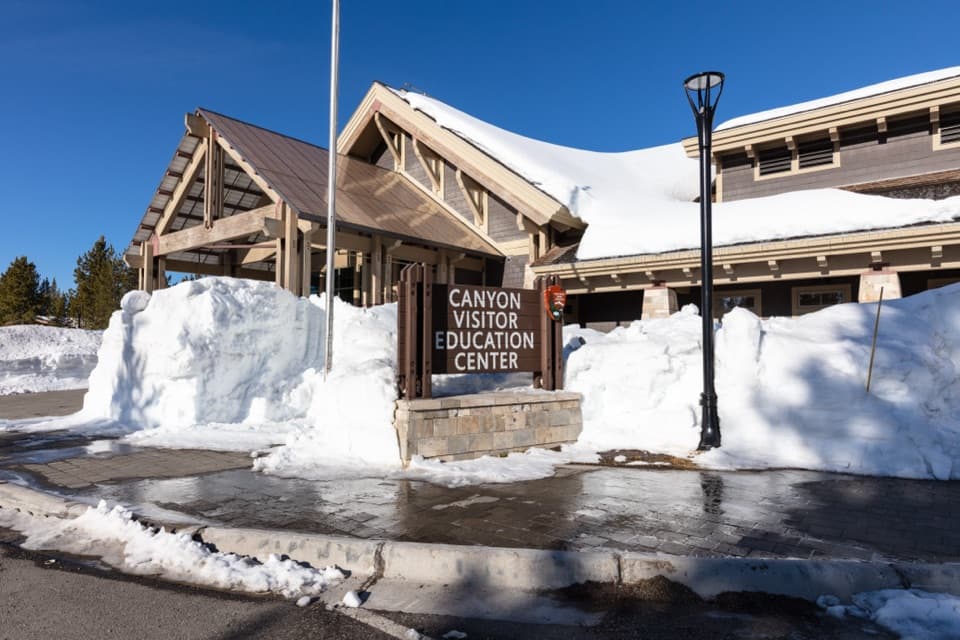
This is the park’s geology HQ—two floors of hands-on exhibits that make the supervolcano story click. Expect a room-sized relief map that lights up eruptions, lava flows, glaciers, and faults; a 9,000‑pound rotating globe showing volcanic hotspots; murals and dioramas; and even real-time earthquake data. It’s the best place to understand how fire and ice built the sights you’ll see outside.
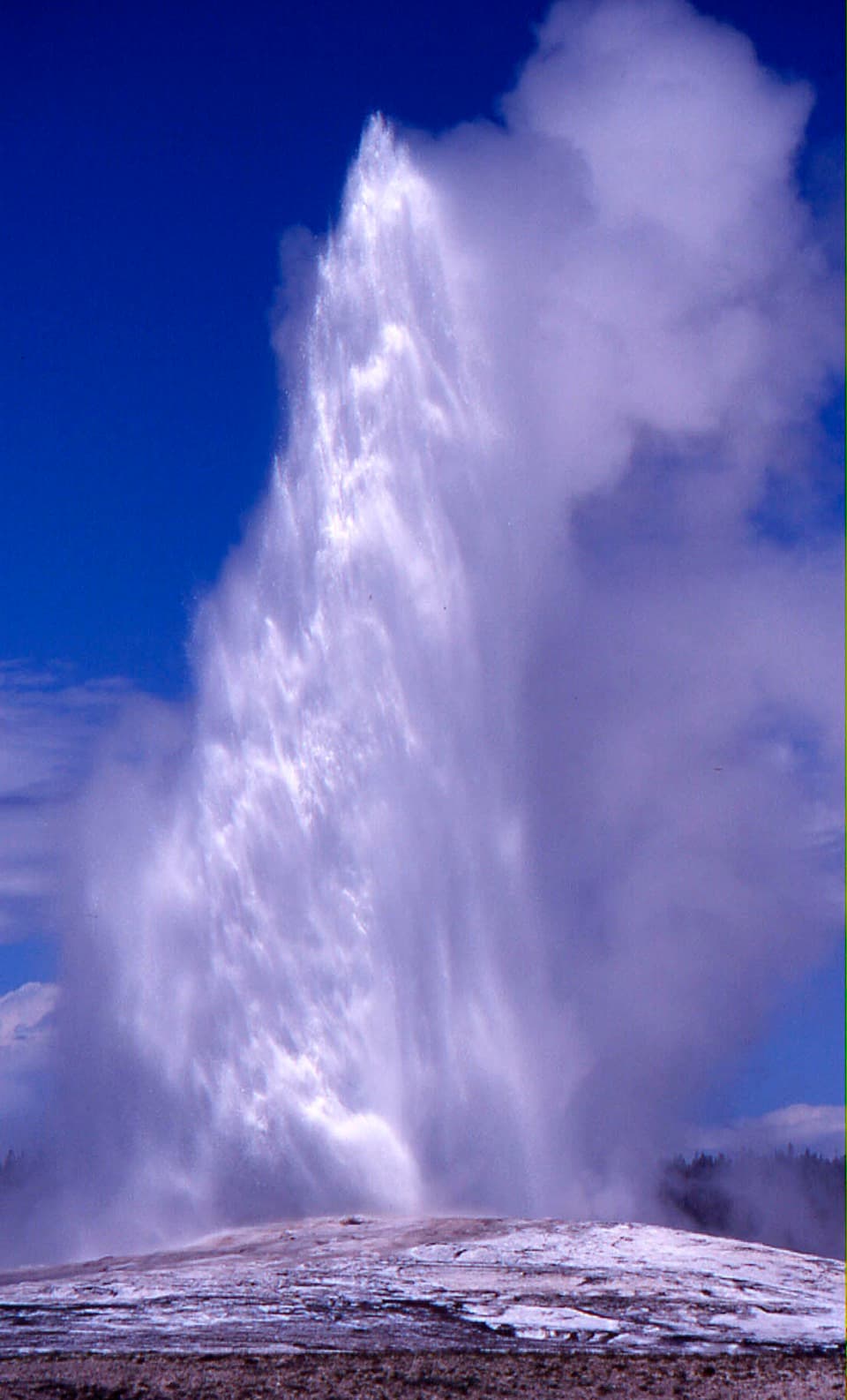
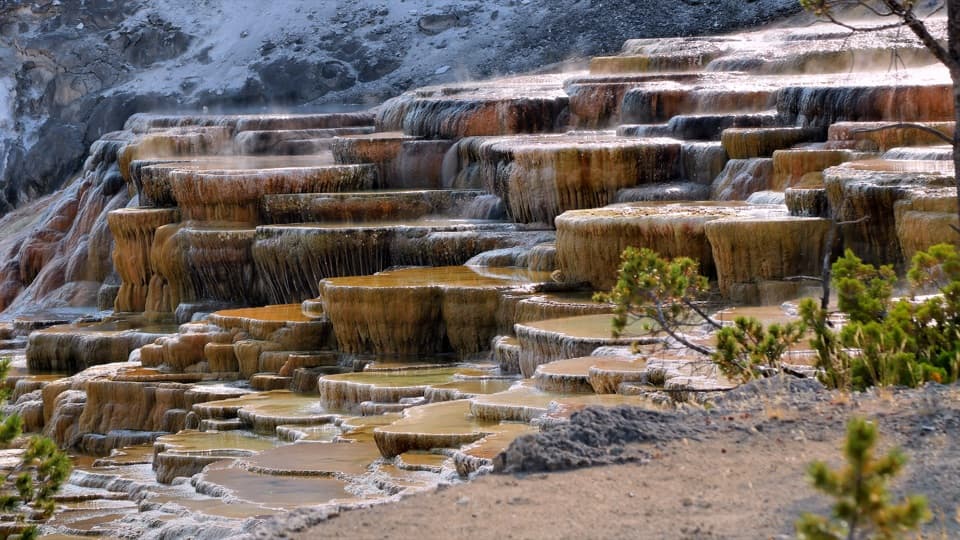
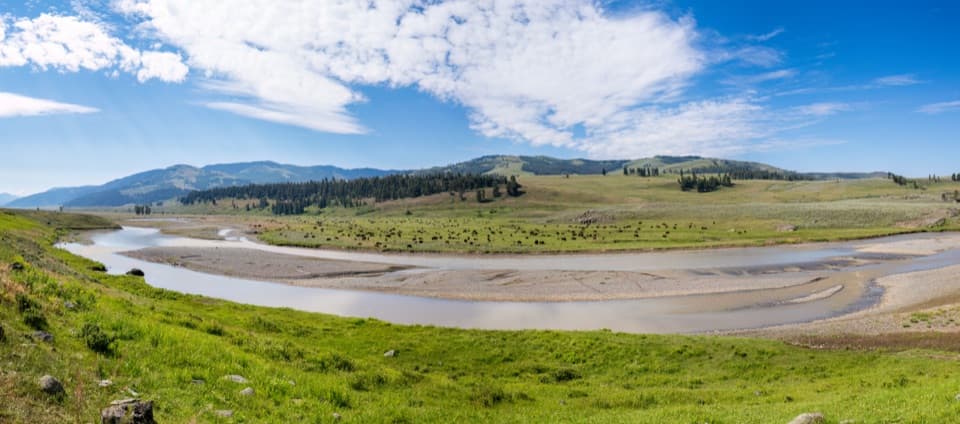
The short film (about 20 minutes) does a great job connecting Yellowstone’s underground heat to the wildlife and landscapes above. If you’re curious about how the canyon, geysers, and hot springs exist, this center turns the science into something you can actually visualize. Families tend to find plenty to touch and explore, though it resonates most if you like geology.
You can get orientation info, ask about ranger programs, pick up souvenirs at the park store, and purchase fishing permits (card-only). Restrooms are open 24 hours, which is clutch on a long touring day.
Open roughly 9 AM–4:30 PM, it’s calmest at opening and late afternoon. Late morning through early afternoon is the peak surge from Canyon Village and the Grand Canyon overlooks. Plan 30–60 minutes if you want to browse exhibits and catch the film.
Don’t miss the upstairs vantage of the relief map—it’s the best way to see the whole park story at once. Chat with a ranger about current programs, trail conditions, and where/when wildlife viewing has been best lately.
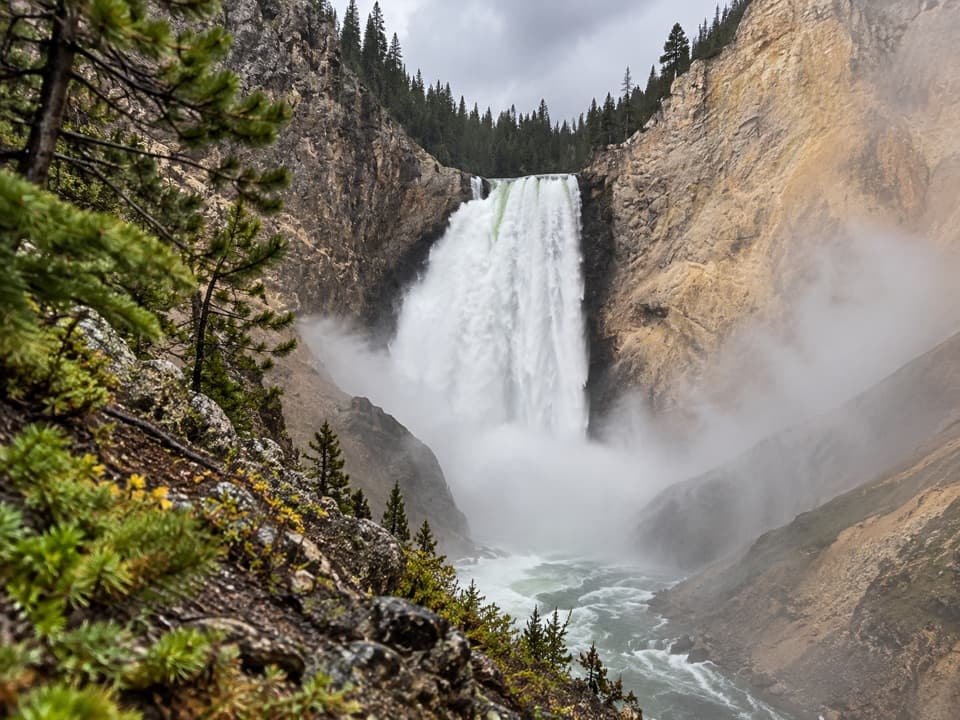
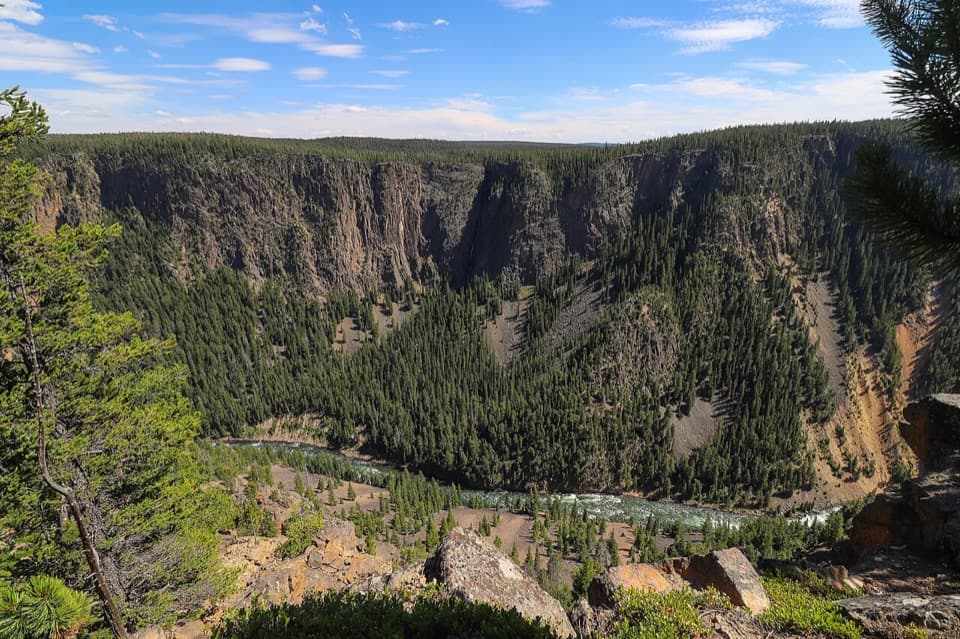
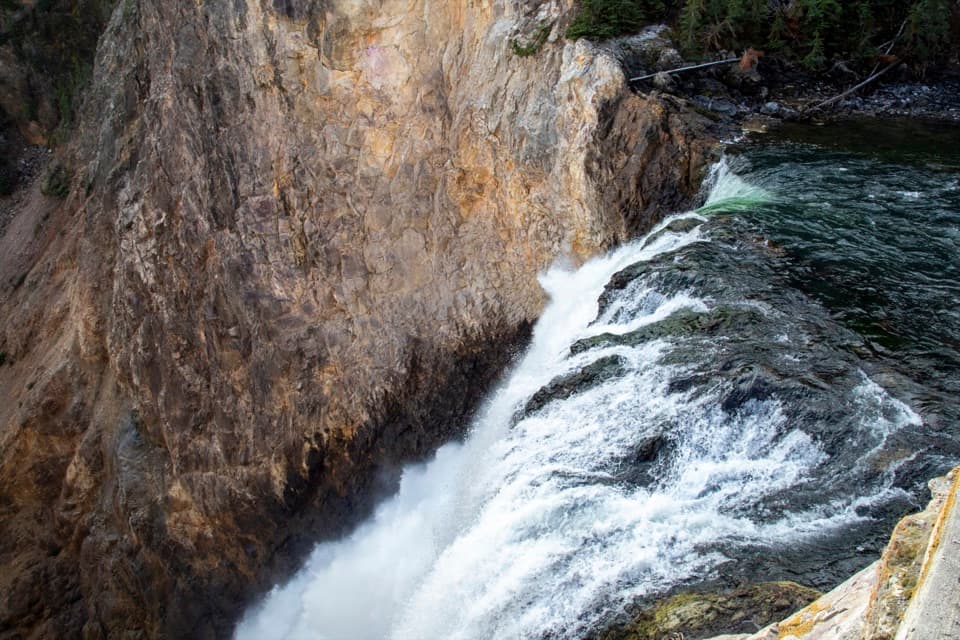
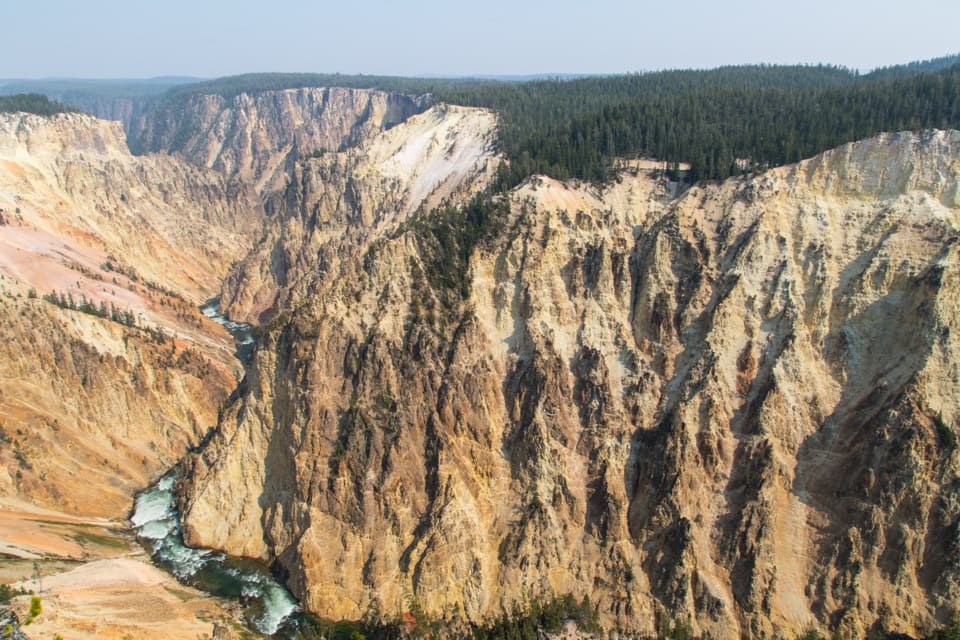
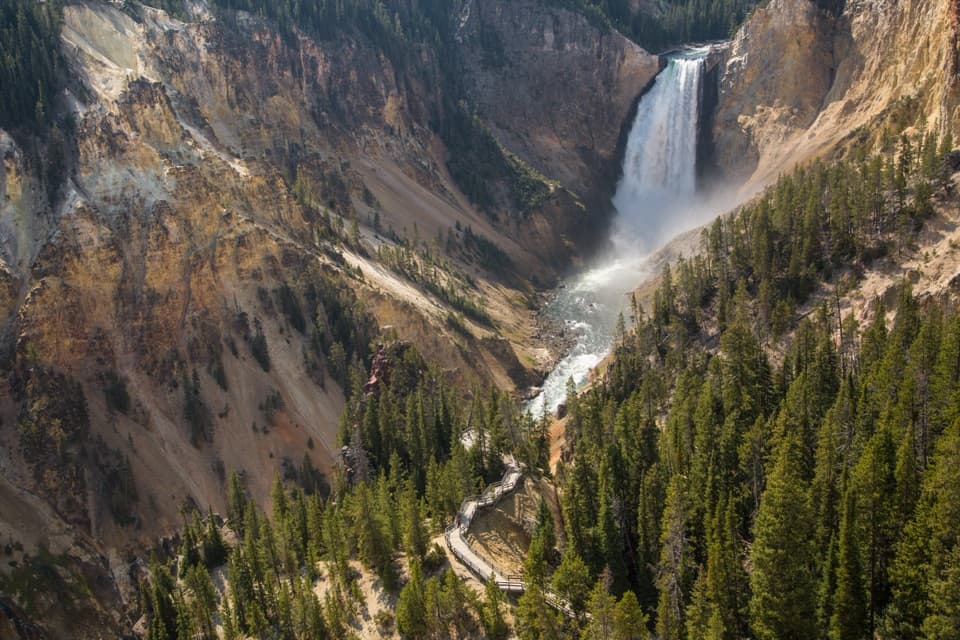
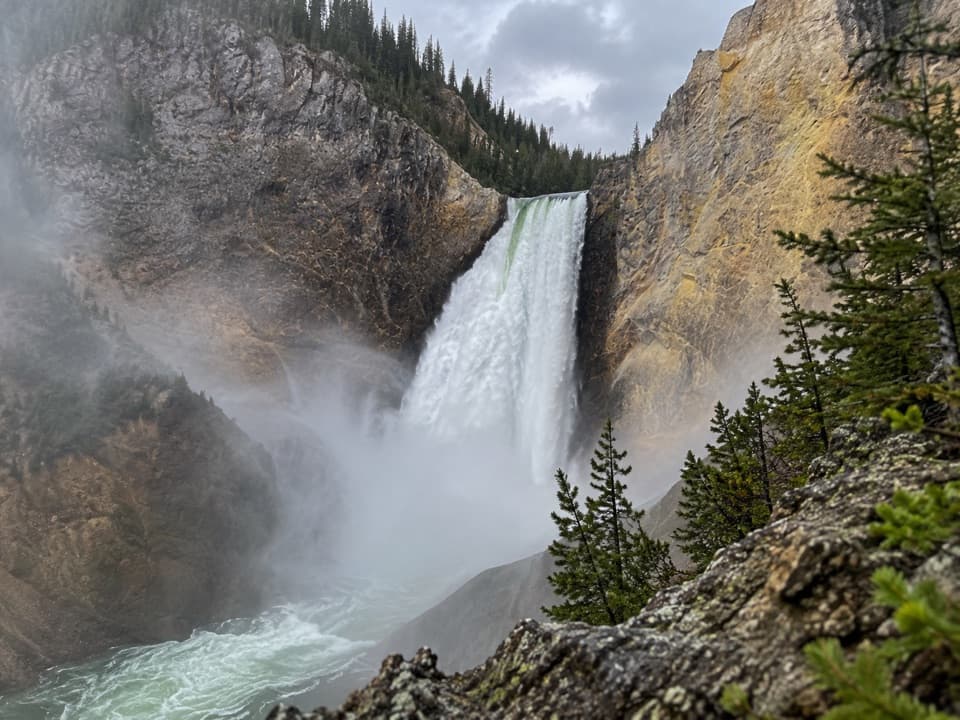
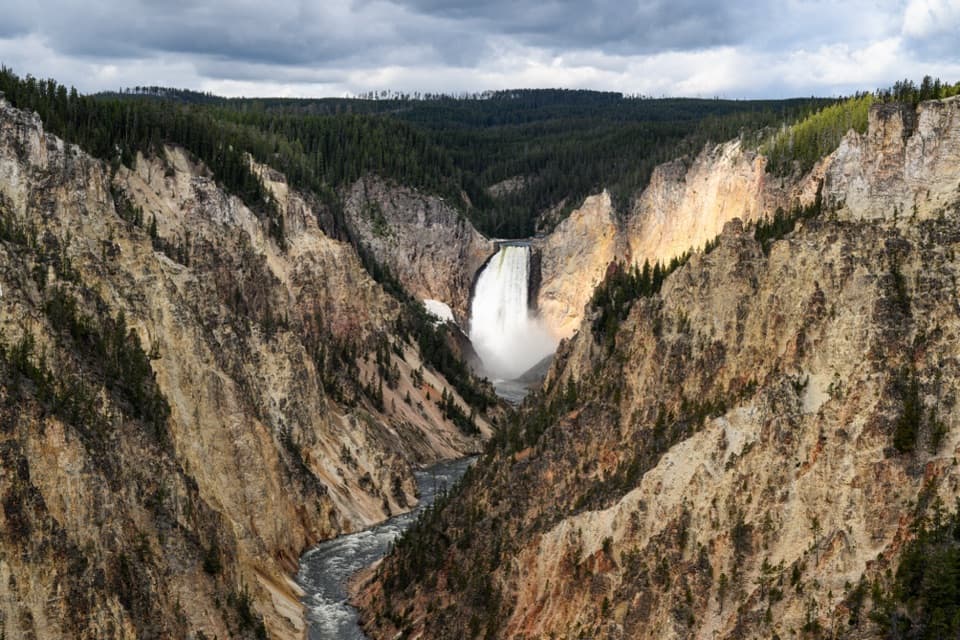
Hit the North and South Rim drives, the Brink of the Lower Falls, and Artist Point before or after your visit so the geology you just learned about is fresh when you step to the overlooks.