
Place · 1.1 mi away
Challenging
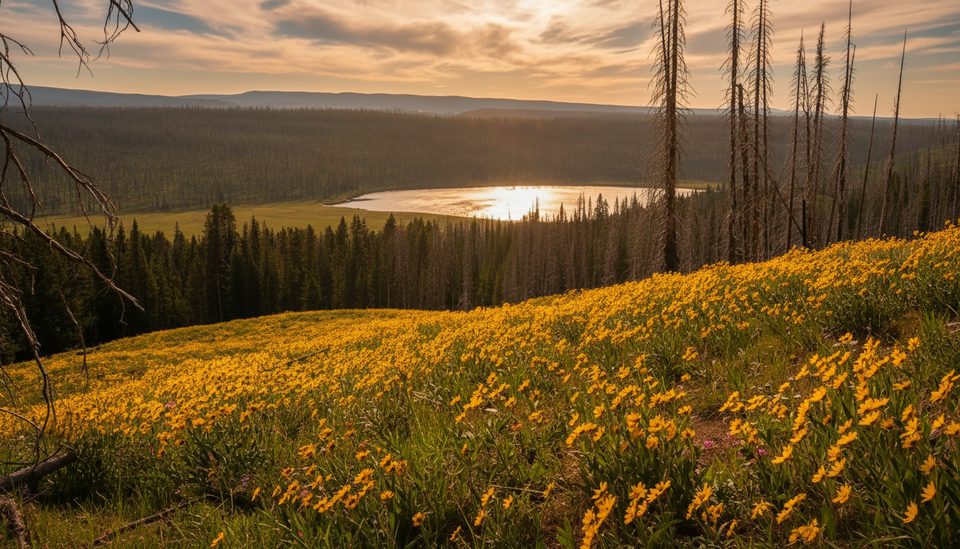
If you want Yellowstone summit views without the Mount Washburn crowds, Observation Peak via Cascade Lake delivers. This out-and-back clocks in around 9.4 miles total with roughly 1,500 feet of gain, taking most hikers about 4–5 hours. It threads lodgepole forest and open meadows to Cascade Lake, then grinds up 1,400 feet in the final 2.6 miles through whitebark pine to a historic (typically closed) fire lookout. From the top, expect sweeping panoramas over the Canyon area, Hayden Valley, Grebe Lake and the Chain of Lakes, and on very clear days, distant Tetons. The peak sits in the Washburn Range—an old caldera rim—so the vistas are the whole point.
From the Cascade Lake Trailhead just north of Canyon Junction, the path starts gently through forest and meadows—prime wildflower and wildlife habitat—before reaching Cascade Lake. Past the lake, the character changes: a steady, sustained climb leads through whitebark pine to the airy summit. It’s a straightforward route, but the upper section is the crux due to grade and exposure to wind. An alternate start from the Cascade Creek Trailhead on the Norris–Canyon Road adds a bit of distance and spends more time in trees while yielding the same summit payoff.
Early season can be messy: snow patches and mud linger near the lake, and mosquitoes can be fierce. The trail can remain wet or even snowy into July. Above treeline, it’s often windy and cool—even in summer—so bring an extra layer. There’s no water beyond Cascade Lake; carry what you need or treat water at the lake outlet before the climb. This is grizzly country: hike in groups when possible, make noise in brushy or forested stretches, and keep bear spray accessible. The climb is sustained, and the hike is not advised for those with heart or respiratory issues.
June through October is typical, with the sweet spot from mid-July through September once snow and mud recede. Start early for cooler temps, steadier footing, and calmer winds up high. Morning light is great across Hayden Valley and the Canyon area, while late afternoon can bring dramatic shadows—just watch for afternoon storms.
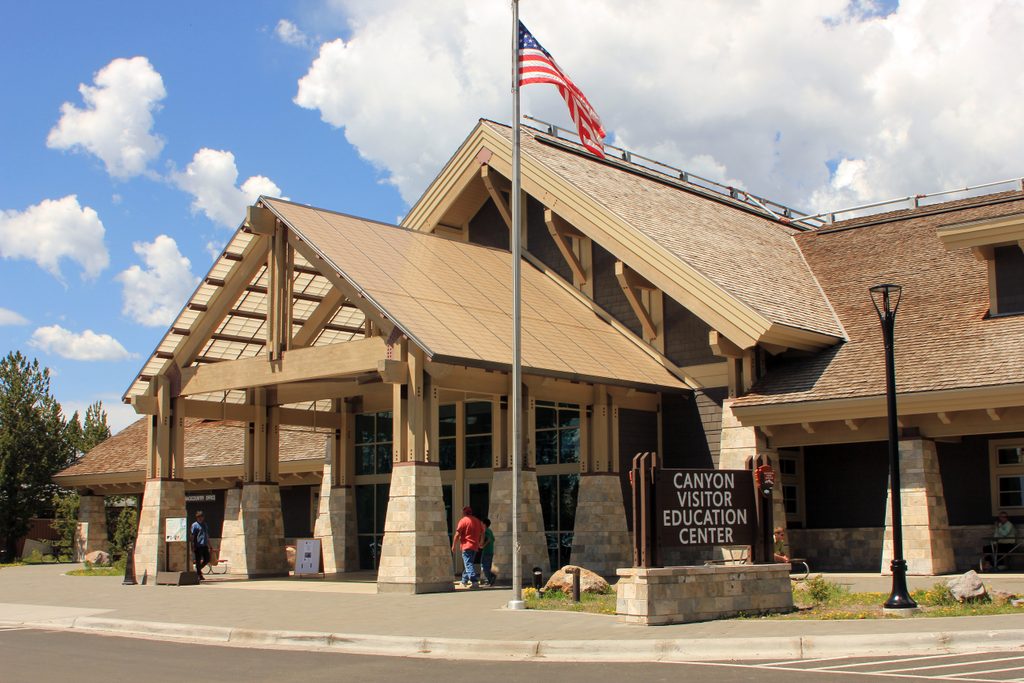
Park at the Cascade Lake Trailhead about 1.25 miles north of Canyon Junction on the Grand Loop Road; restrooms are nearby at the Cascade Lake Picnic Area. If that lot is closed, use the Canyon Visitor Education Center parking, which adds about 2.5 miles roundtrip. Alternate start: Cascade Creek Trailhead on the Norris–Canyon Road.
Grizzly bear habitat—carry bear spray and make noise; trail can be wet or snowy through July; no water past Cascade Lake; windy, cool summit; not recommended for those with heart or respiratory issues.
Place · 1.1 mi away
Place · 1.2 mi away
Place · 1.3 mi away
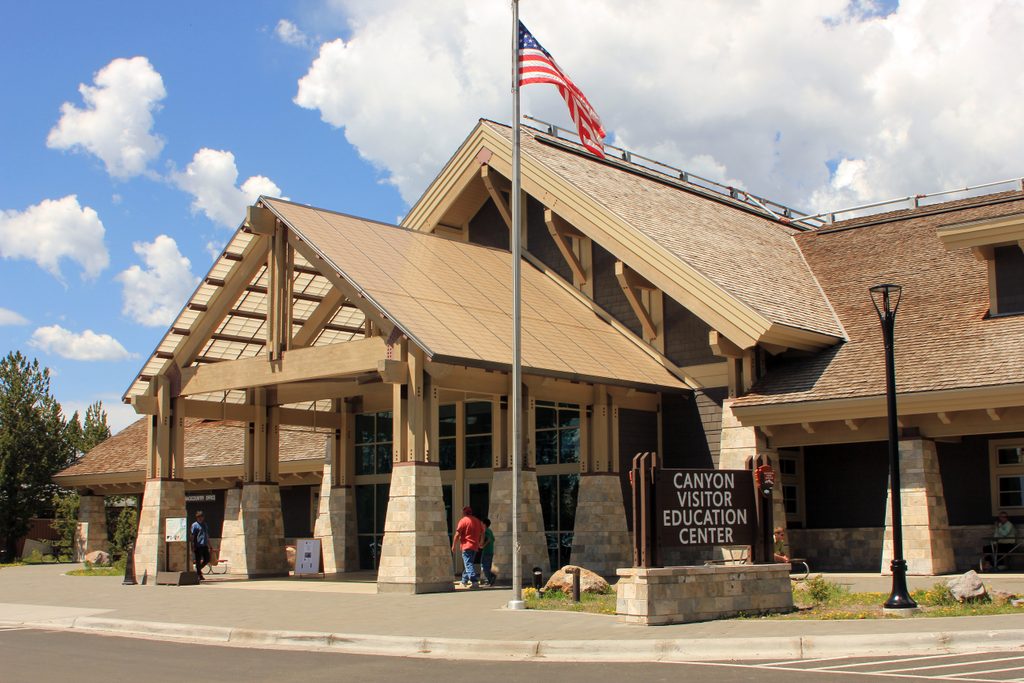
Place · 1.3 mi away
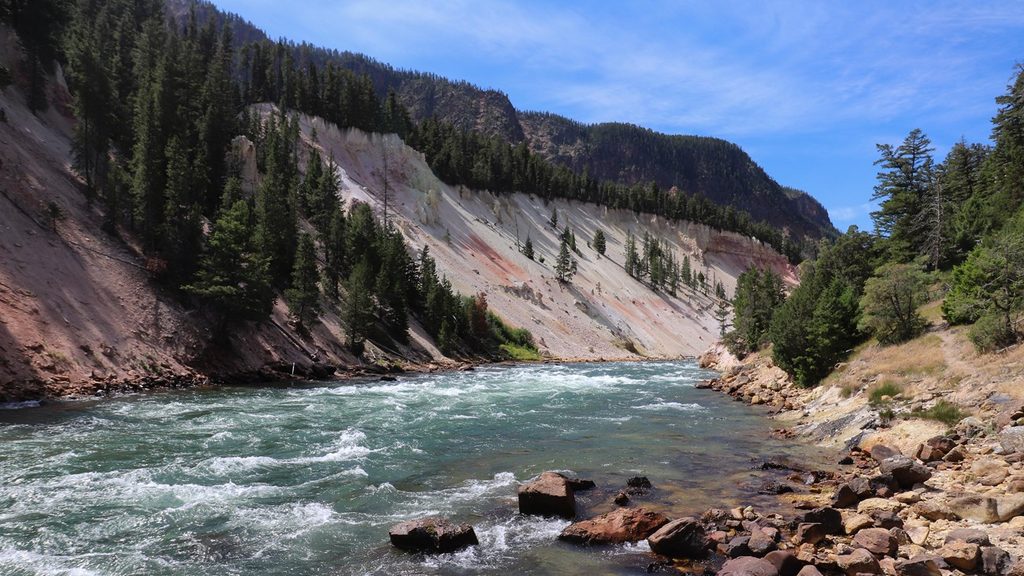
Challenging · 1.7 mi away
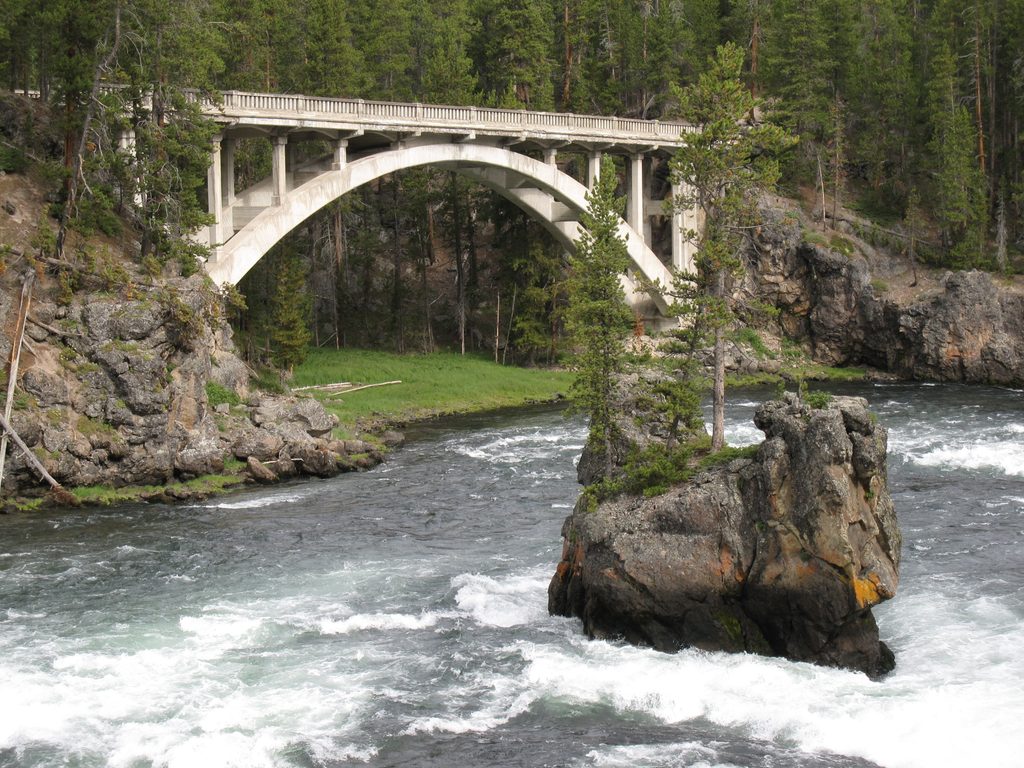
Moderate · 2 mi away
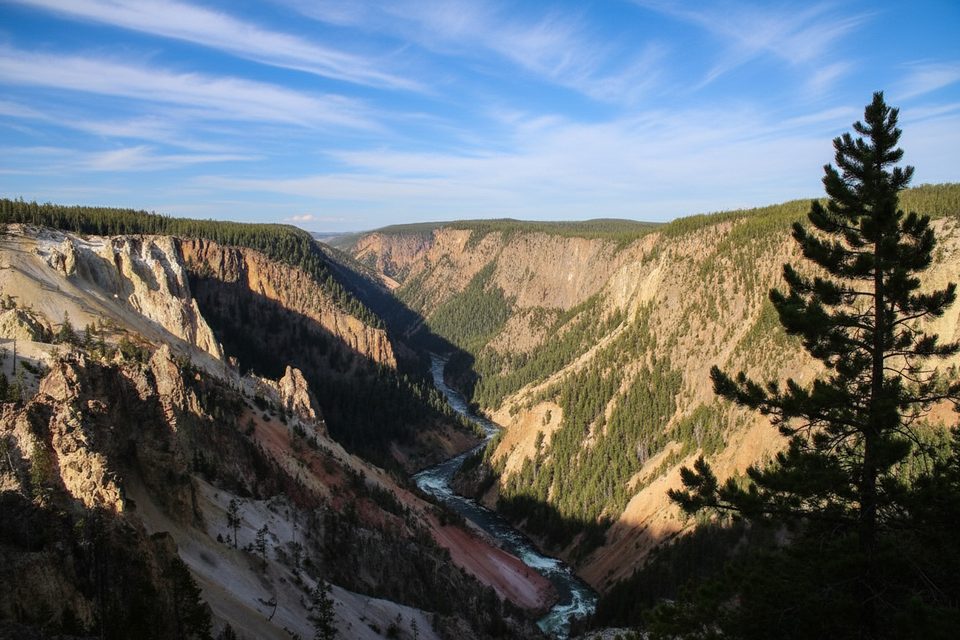
Easy · 2 mi away
Easy · 2.1 mi away

Parkwolf Tour Guide
