
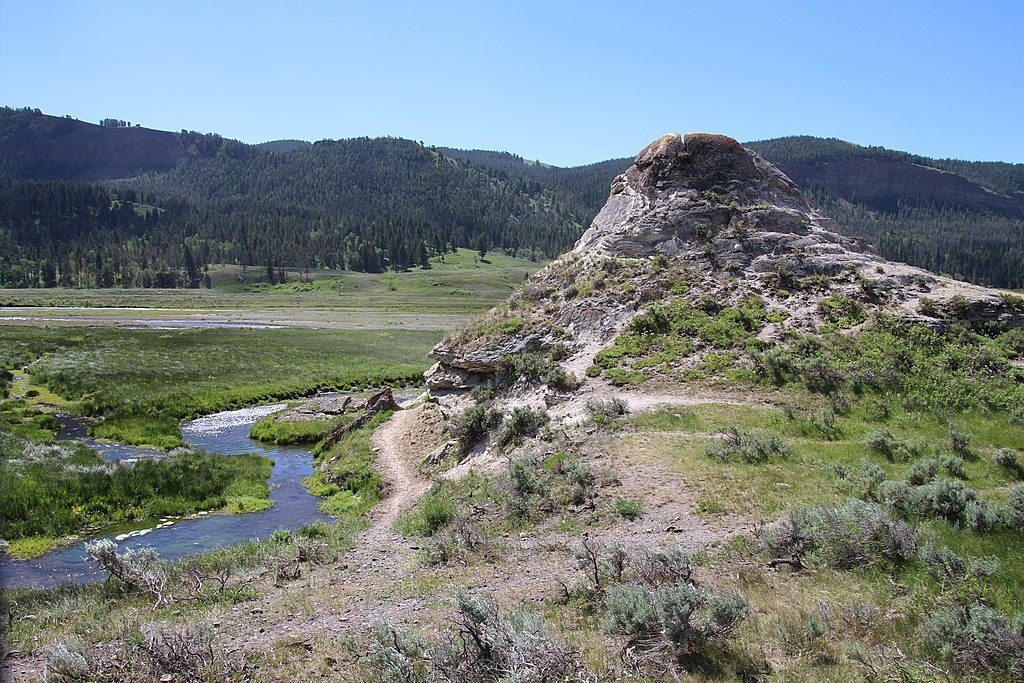
Place · 1.3 mi away
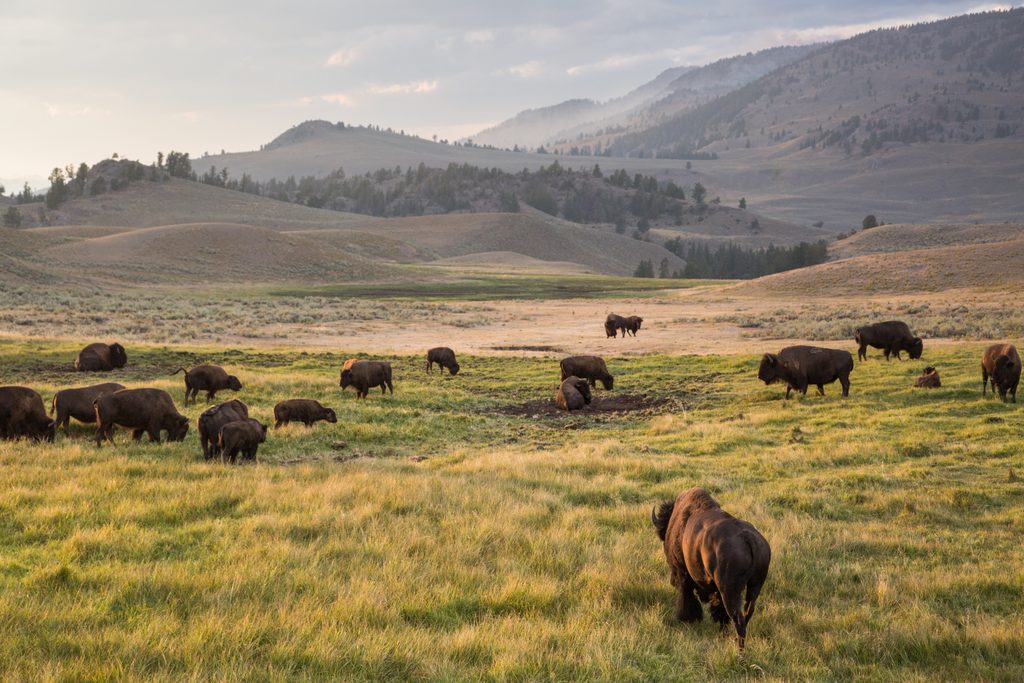
Lamar Valley is the park’s big-sky wildlife arena—huge, open meadows stitched by the Lamar River where bison herds roam and, with luck and optics, you can spot wolves, bears, pronghorn, and moose. The broad sightlines make it one of the most consistent roadside places to actually see animals moving across the landscape rather than disappearing into trees.
Simple tactics: roll slowly, stop at multiple pullouts, and glass patiently. If you see a cluster of cars and spotting scopes, pull off safely and politely ask what folks are watching—many will share a look. The confluence of the Lamar River and Soda Butte Creek is a classic place to check.
Plan two windows: be in place by civil twilight for sunrise activity, then return from late afternoon to sunset. Midday is typically quieter for wildlife and busier for people. The road through the Lamar corridor is plowed year‑round, giving you four-season access when other areas close to wheeled vehicles. During the bison rut, give yourself extra time for animal-related delays.
This is a wild valley with few services. You’ll find multiple signed pullouts and a string of vault toilets along the Northeast Entrance road (including Hitching Post and Slough Creek junction), with additional restrooms and services clustered at Tower–Roosevelt. Slough Creek’s side road has vault toilets at the junction and at the trailhead 2.5 miles in. Major trail access includes the Soda Butte/Lamar River Trailhead, a gateway to long, scenic routes—always check current conditions before attempting any river fords.
Lamar is a textbook U‑shaped glacial valley dotted with erratics. Upstream near Lamar Canyon, ancient pink granite and gneiss from the Beartooth uplift poke through. Keen eyes on cliff bands may even pick out light red-brown petrified logs. As always, enjoy but leave everything in place—collecting rocks, fossils, or antlers is illegal.
Keep 100 yards from bears and wolves and 25 yards from other wildlife. During the rut, bull bison can be unpredictable—stay in your vehicle during jams and be patient. Never feed or approach animals. You are responsible for your safety.
Guided wildlife tours can dramatically increase your odds: guides know recent animal patterns, often coordinate by radio, and provide high‑quality optics so you can actually see those far-off dots turn into wolves or bears.
Place · 1.3 mi away
Place · 3.1 mi away
Place · 3.5 mi away
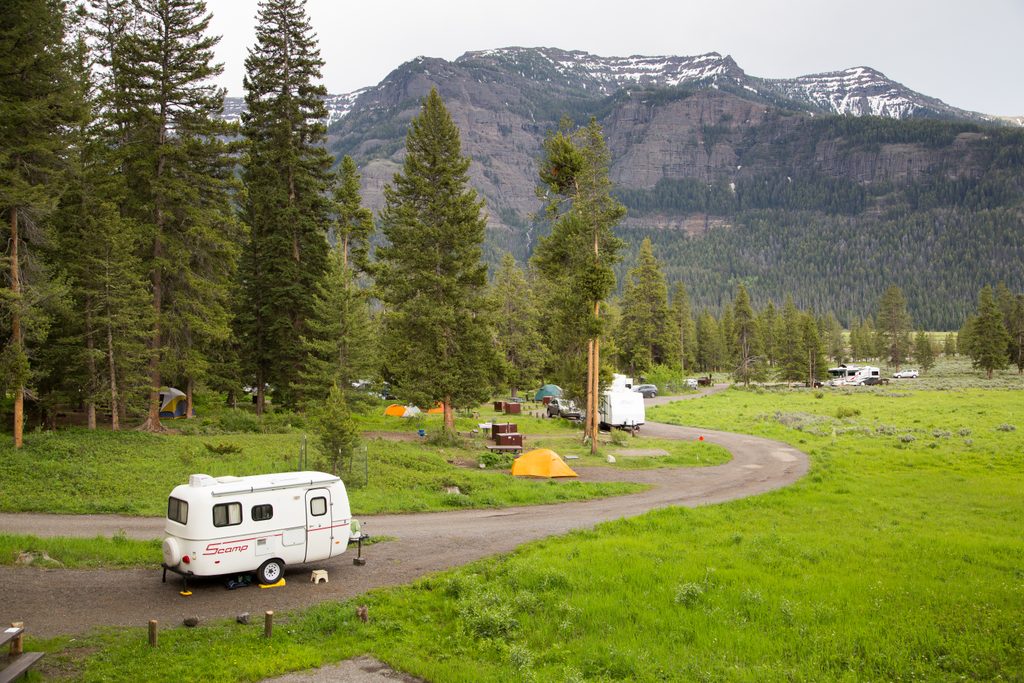
Place · 4.5 mi away
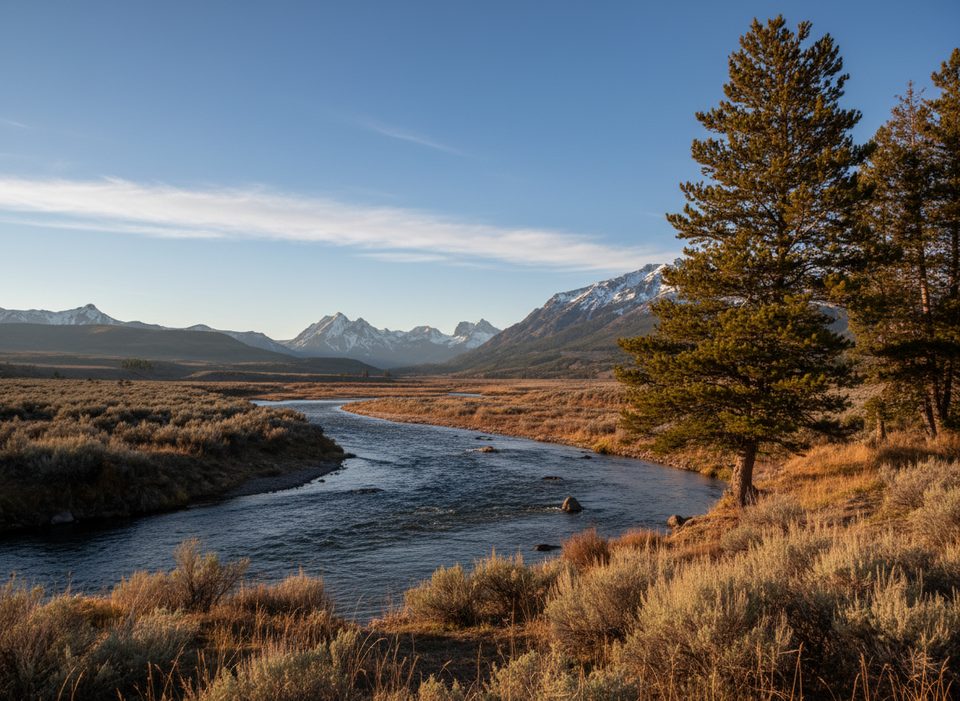
Moderate · 0 mi away
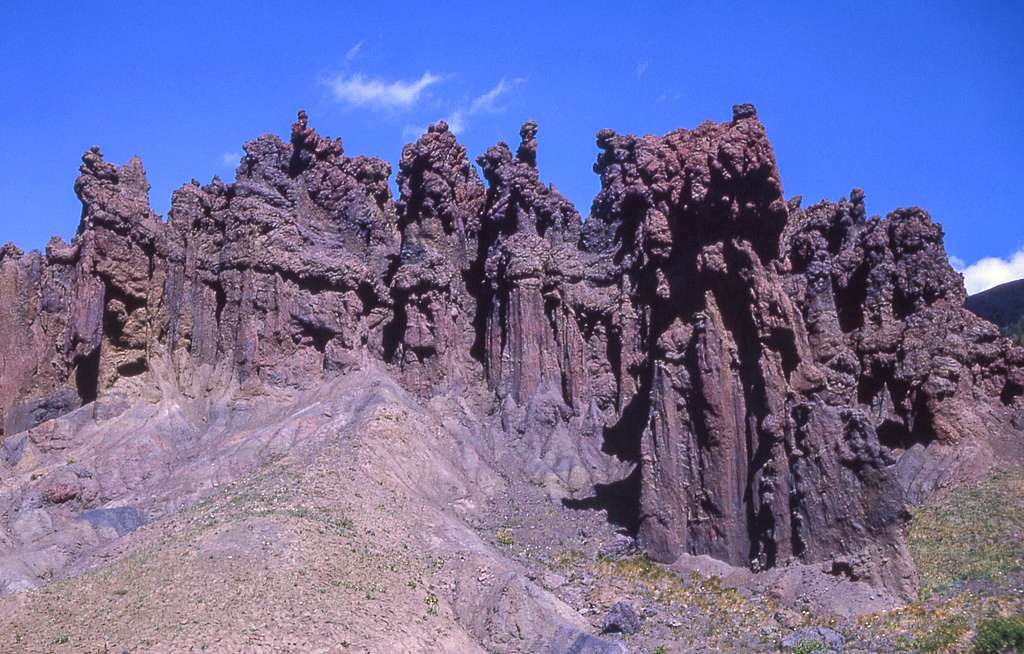
Challenging · 0 mi away
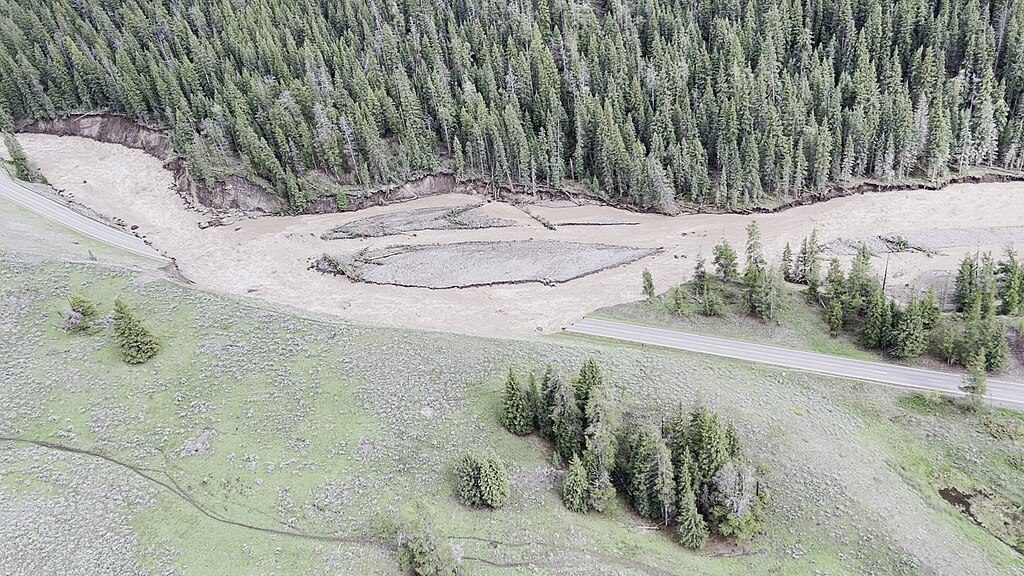
Easy · 3.2 mi away
Challenging · 4.6 mi away

Parkwolf Tour Guide
