Getting there
The route between Yellowstone’s North and Northeast entrances is generally open to regular vehicles year-round, though closures can happen. Check the park’s road status before setting out.
Sight · Yellowstone National Park
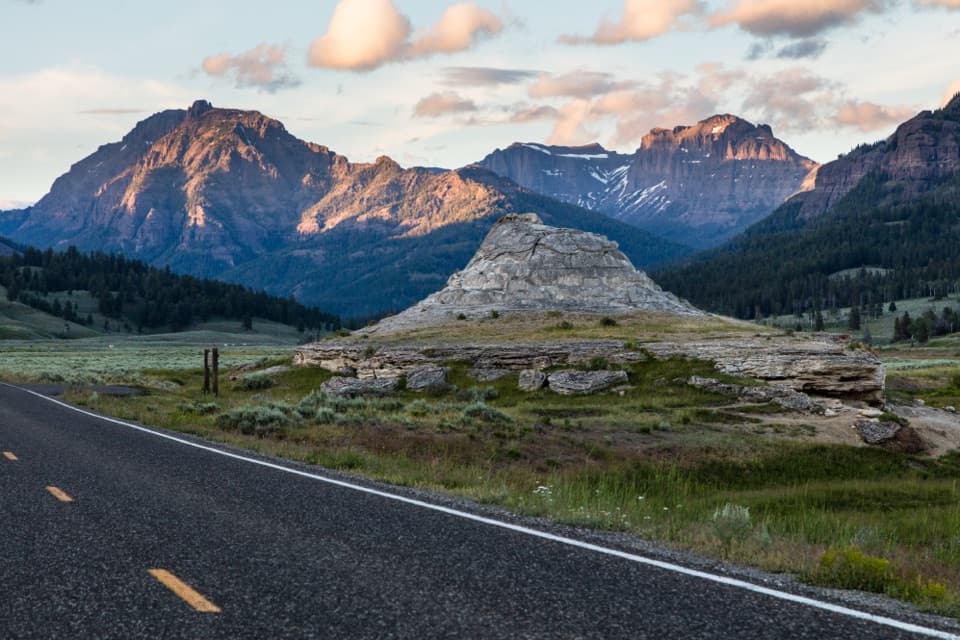
A quick roadside stop for a pale cone and valley views.
Overview
Map
Plan your stop

The highest, rockiest slopes around here are a summer buffet for grizzly bears.
Yellowstone Tour Guide
Parkwolf is a GPS audio tour guide for Yellowstone National Park. As you drive, it chimes in with what’s ahead: hidden gems, upcoming stops, history, geology, and wildlife, right through your car’s speakers.
See the Yellowstone audio tourRecorded for this place
Soda Butte Cone“Up ahead is Soda Butte Cone, a modest hot-spring mound beside the road. Give it a few minutes for the layered rock and valley backdrop.”
Plays as you drive up to Soda Butte Cone in the Parkwolf Yellowstone Tour Guide.
More stories near here in the app
“First time driving through a national park. We used the Yellowstone tour on grand loop Road and it’s just like having a tour guide in your car with you.”


Guide
Soda Butte Cone is a small, mostly dormant hot-spring cone beside Yellowstone’s Northeast Entrance Road. It’s a brief roadside stop, not a geyser basin or a hike. The mound is modest, so I’d pause if you’re already driving this way; the valley and mountain backdrop may hold your attention longer than the cone itself.
The pale layers are travertine, a calcium-carbonate deposit from hot-spring water, not soda ash. Prospector A. Bart Henderson wrote about the mound in 1870 and named it for what he thought was soda water. His explanation was wrong, but “Soda Butte” stuck.
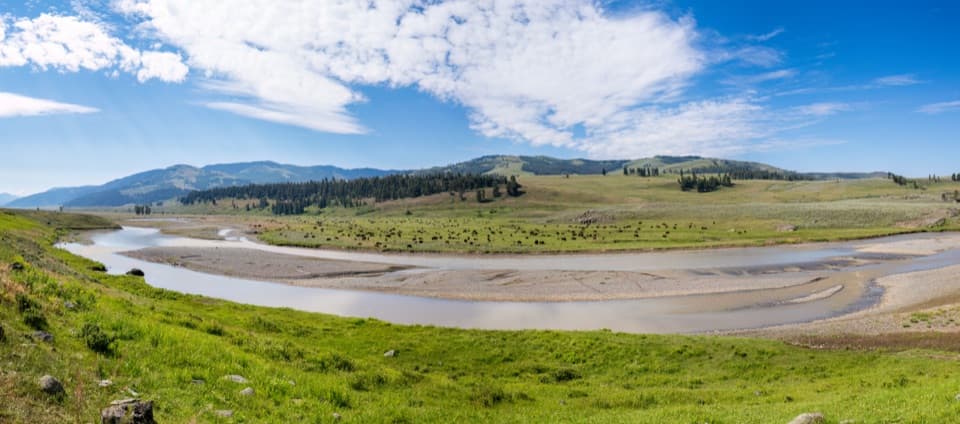
A close view brings out the cone’s layered terraces; step back in your framing to set it against the meadow and mountains. Morning or low-angle light can bring out more texture. Bison are sometimes spotted across the Lamar Valley, but treat them as a bonus, not a guarantee.
Wildlife
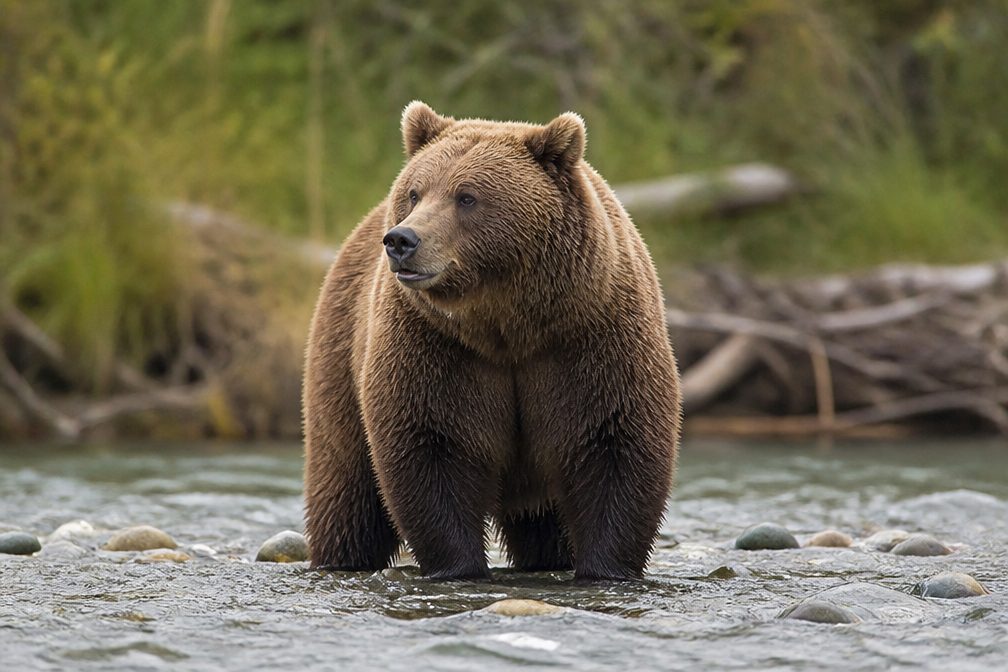 713 sightingsGrizzly BearMost seen around 6 AMSighting map
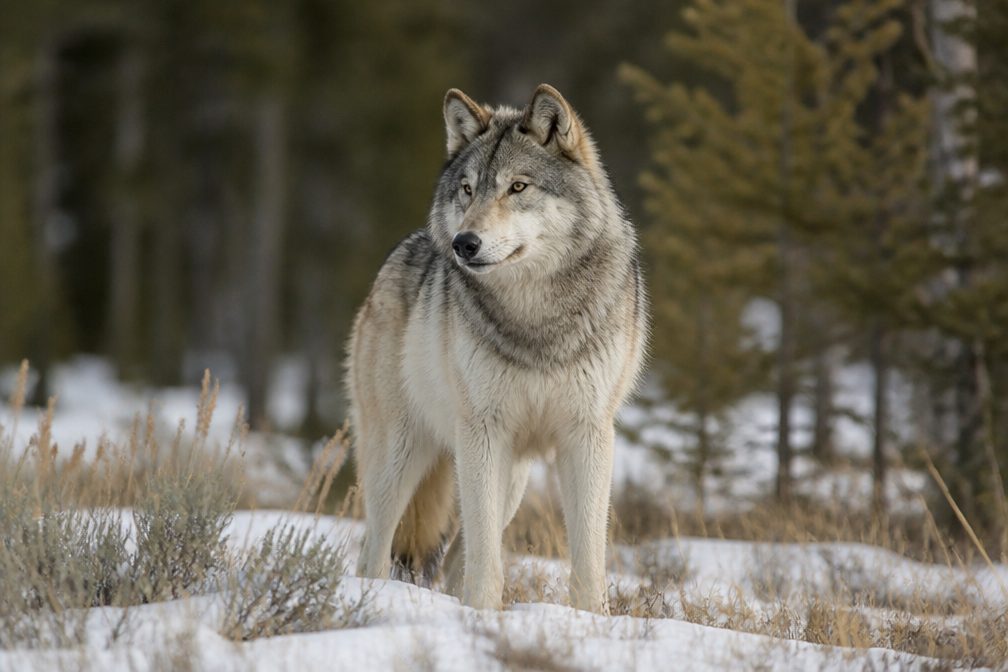 743 sightingsWolfMost seen around 6 AMSighting map
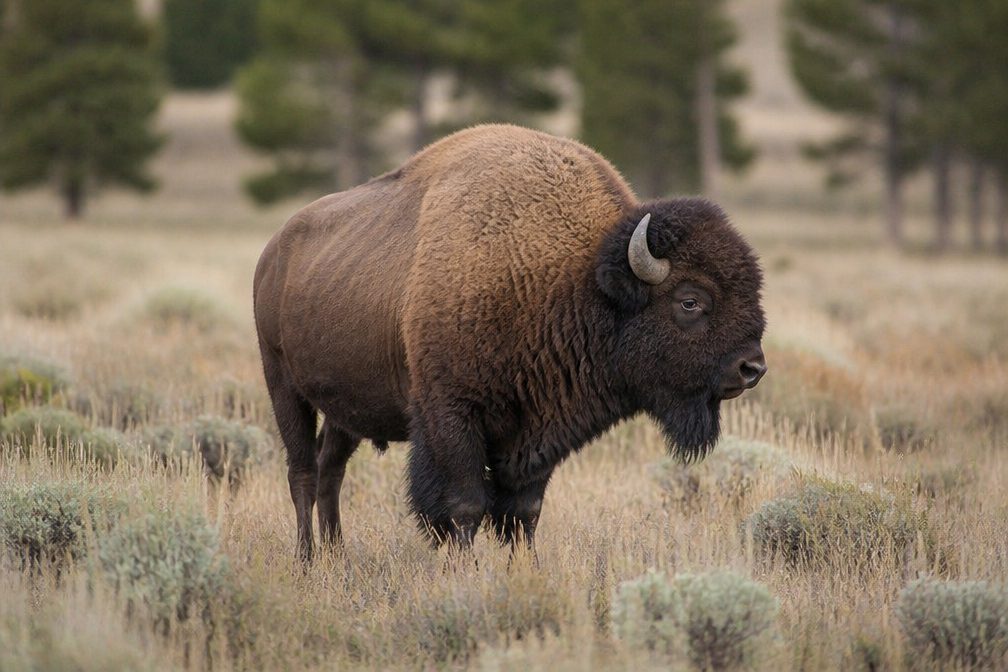 5,273 sightingsBisonMost seen around 7 AMSighting map
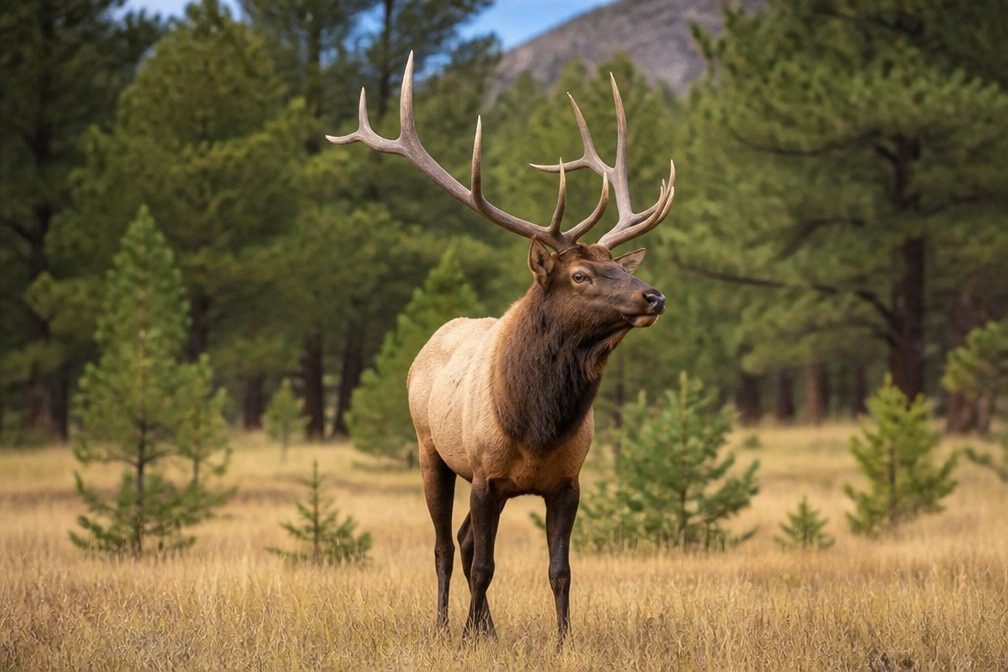 3,258 sightingsElkMost seen around 7 PMSighting map
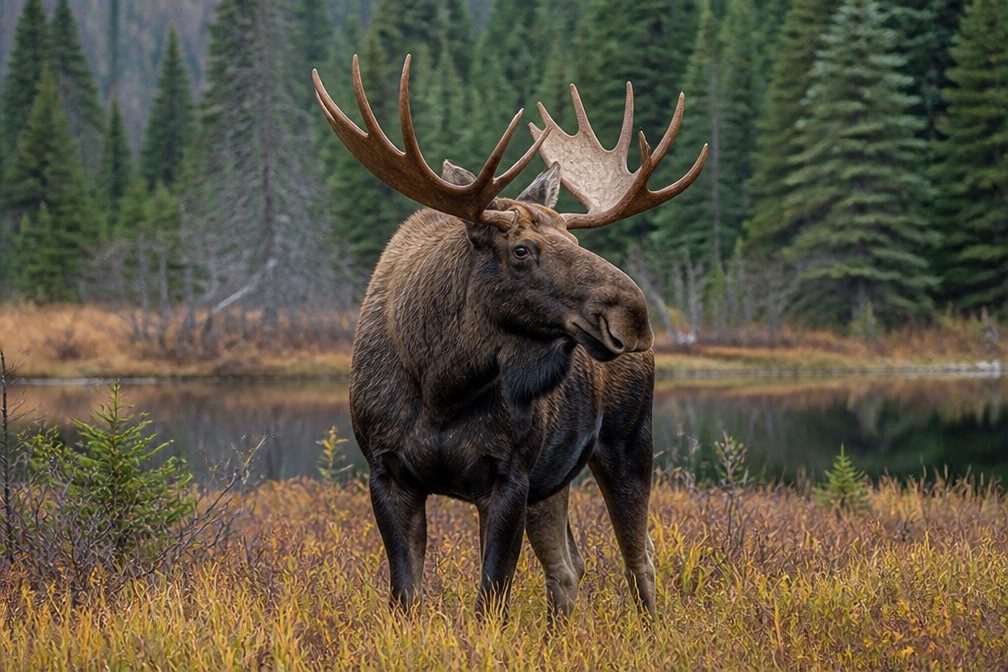 397 sightingsMooseMost seen around 7 PMSighting map
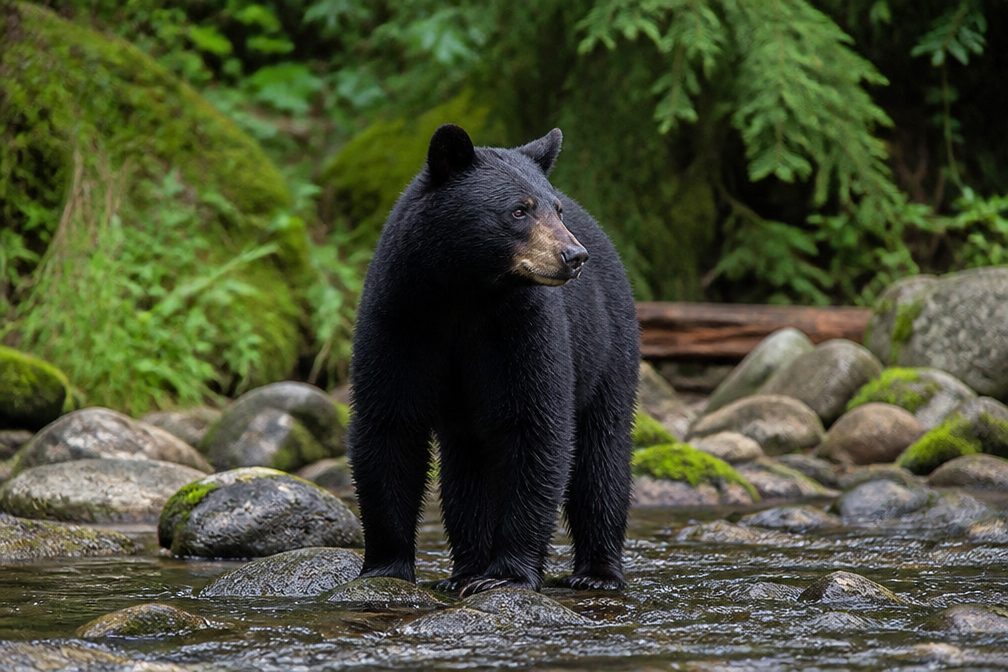 1,494 sightingsBlack BearMost seen around 7 PMSighting map
Sighting maps show where each species has been reported across Yellowstone. Wildlife moves, so no sighting is guaranteed.
Keep exploring
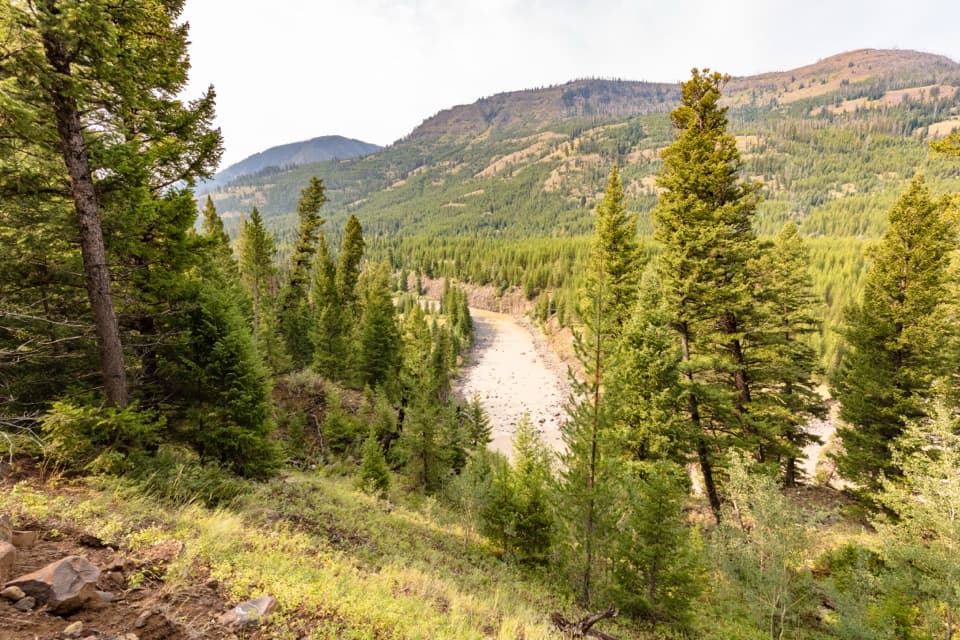 ChallengingLamar River Trail33 mi · 18 hr · 0.9 mi awayA 33-mile out-and-back along Lamar River to Cold Creek.
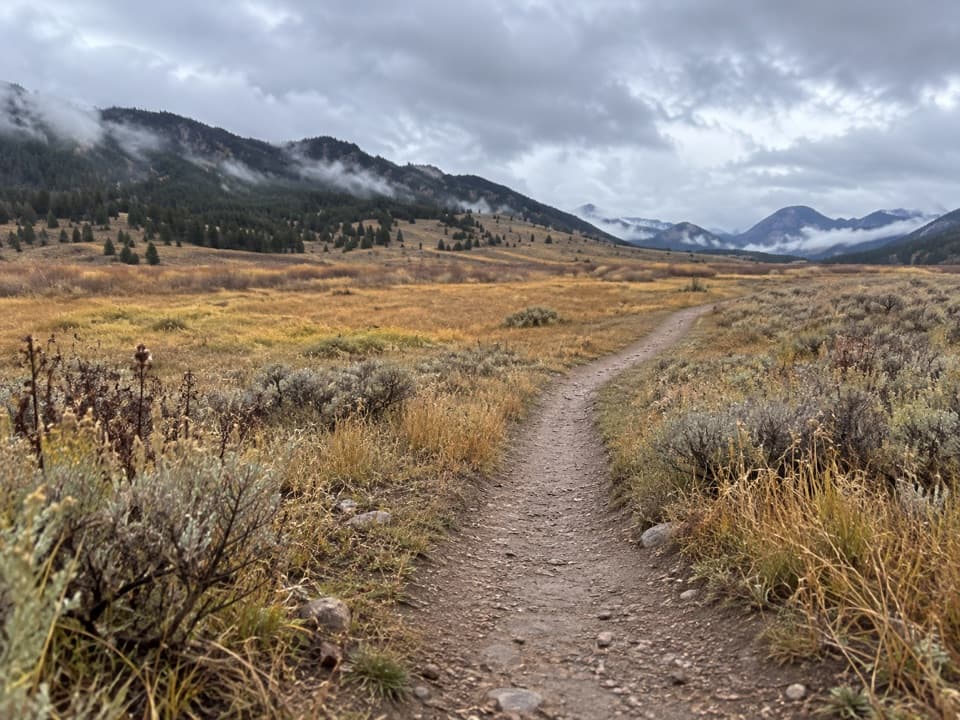 ChallengingCache Creek Trail37.6 mi · 18 hr · 0.9 mi awayA long, strenuous push from Lamar Valley into high backcountry.
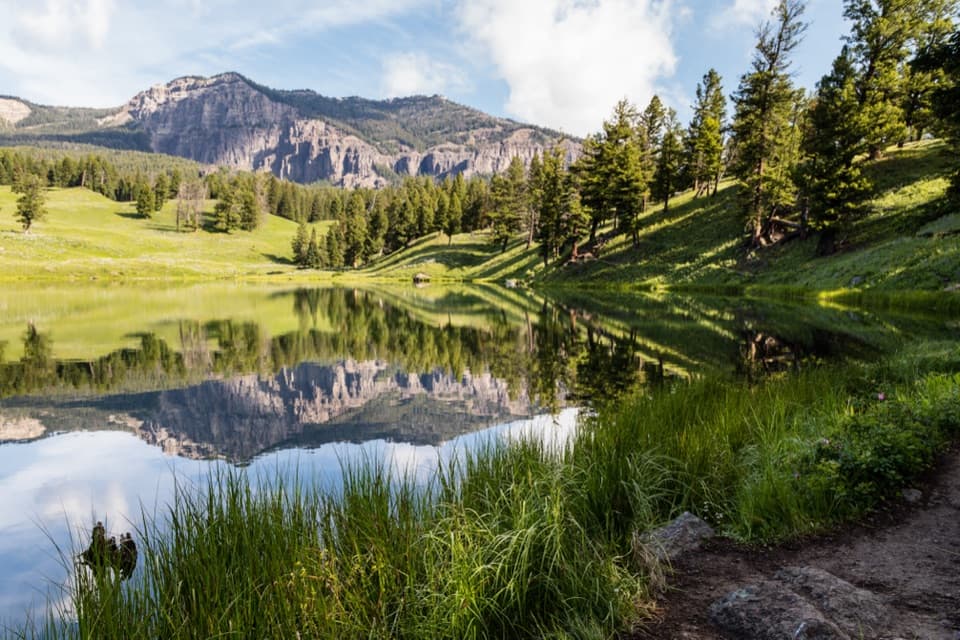 ModerateTrout Lake Trail1.2 mi · 1.5 hr · 2.1 mi awayA steep climb leads to a still lake beneath rugged peaks.
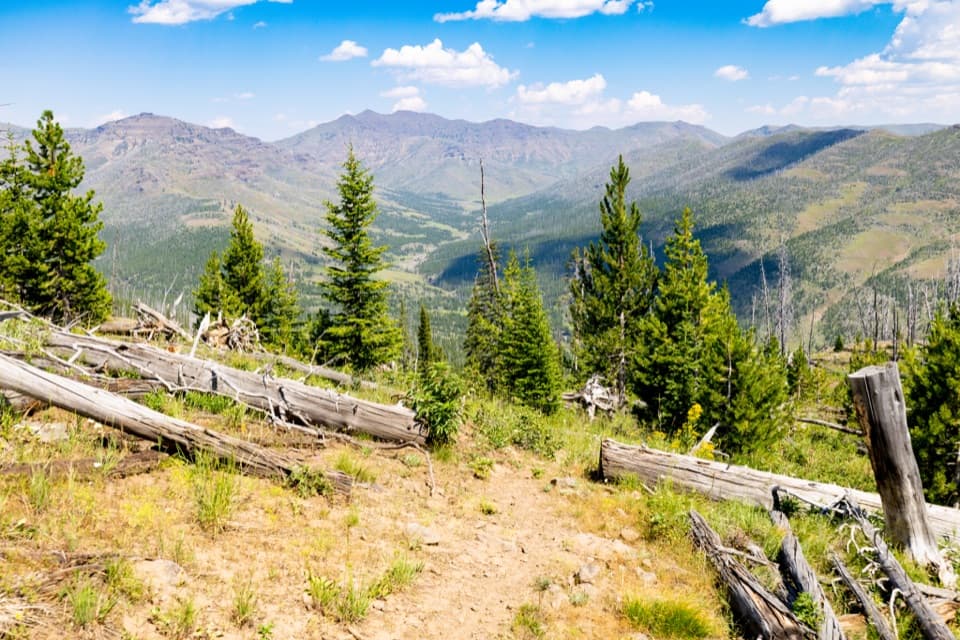 ChallengingThunderer Cutoff Trail9.8 mi · 6.5 hr · 4.1 mi awayA lonely climb to Chaw Pass and the Cache Creek backcountry.
Parkwolf’s Yellowstone ranking

The audio tour guide for the drive, plus offline maps, trails, and wildlife heatmaps for when the signal drops.