Place · 0 mi away
Challenging

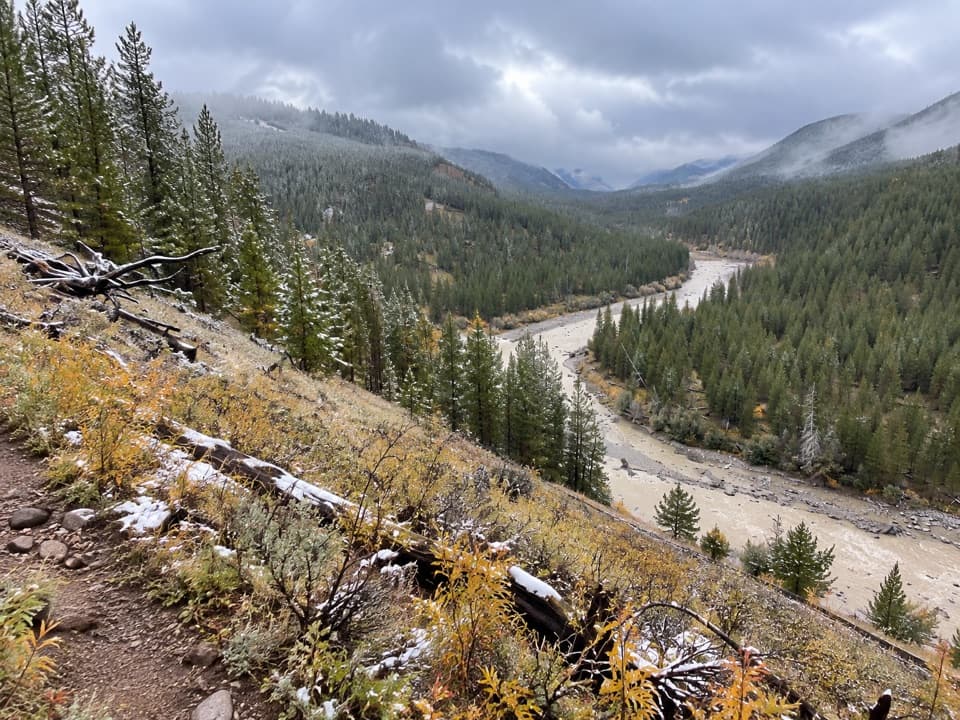
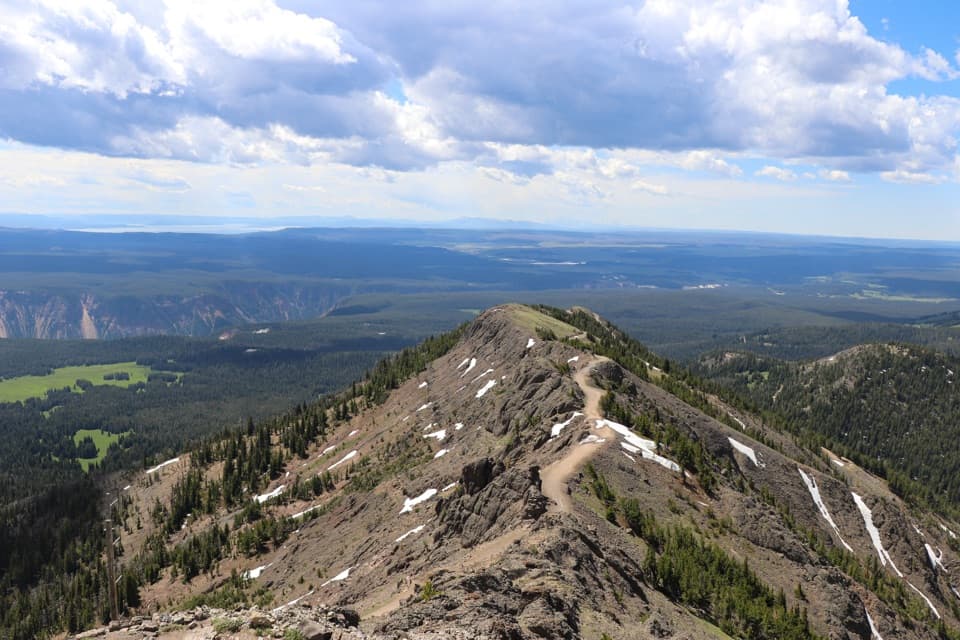
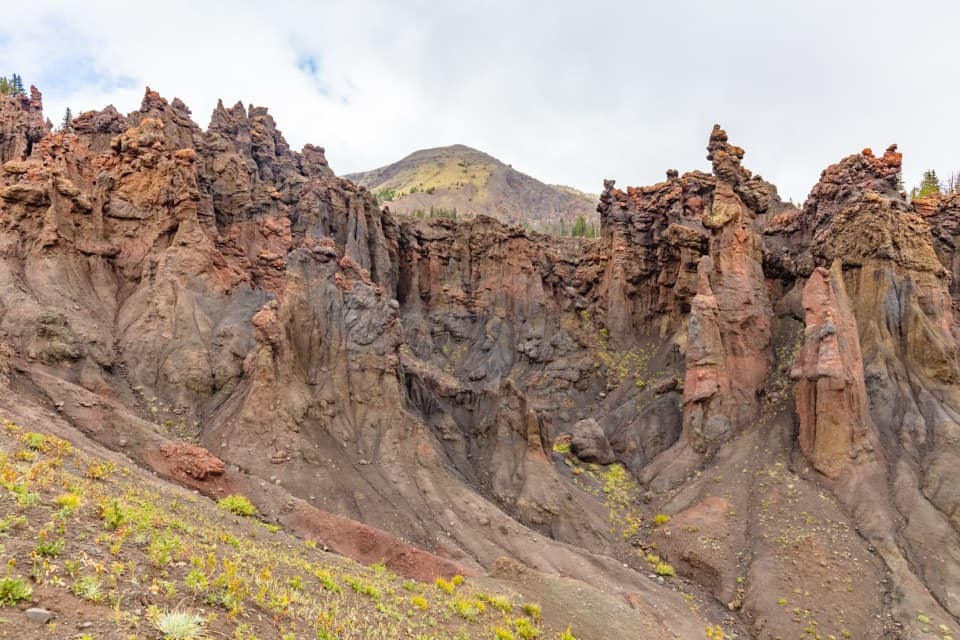
If you crave solitude, big alpine country, and a healthy dose of effort, Hoodoo Basin delivers. This is one of Yellowstone’s most remote high-elevation routes: steep, committing, and spectacular. Expect a sustained climb into the Absarokas, eerie rock formations in a broad alpine basin, and long, wide-open ridgelines.
Two ways people talk about this trail:
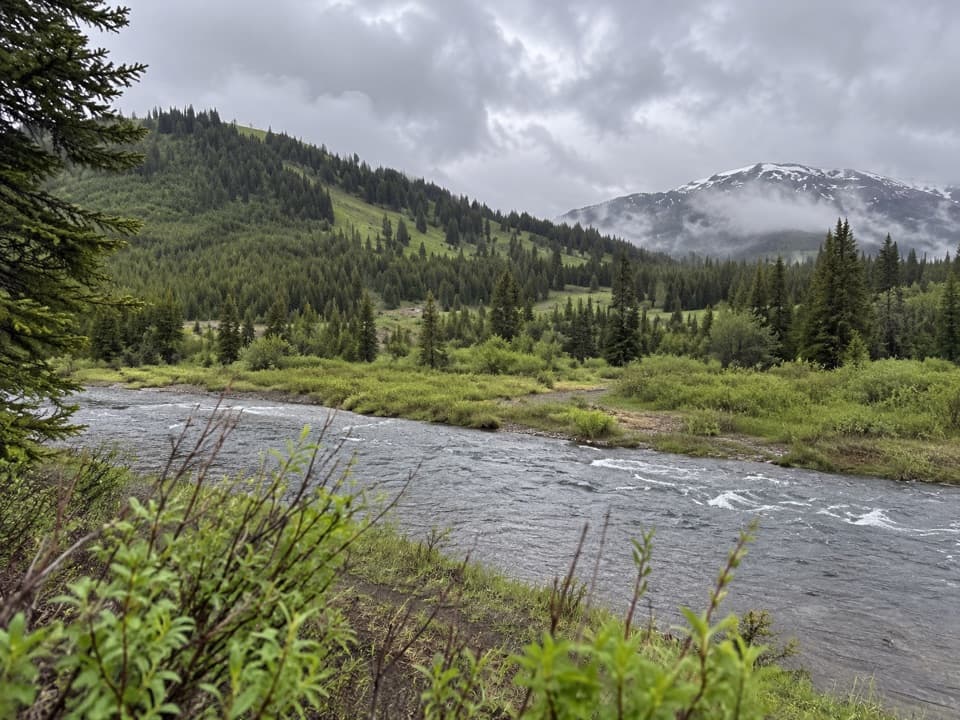
There is no road access to the start of the trail proper. To reach it, most backpackers hike roughly 7.5 miles on the Lamar River Trail, then about 7.9 miles on the Miller Creek Trail, and another 0.7 mile on the Bootjack Gap Trail before the climbing begins in earnest. Early on you’ll ford Miller Creek; then the trail switchbacks steeply—about 1,000 feet in the first 1.5 miles and another ~1,000 feet over the next few miles—before undulating toward the hoodoos and the boundary ridge.
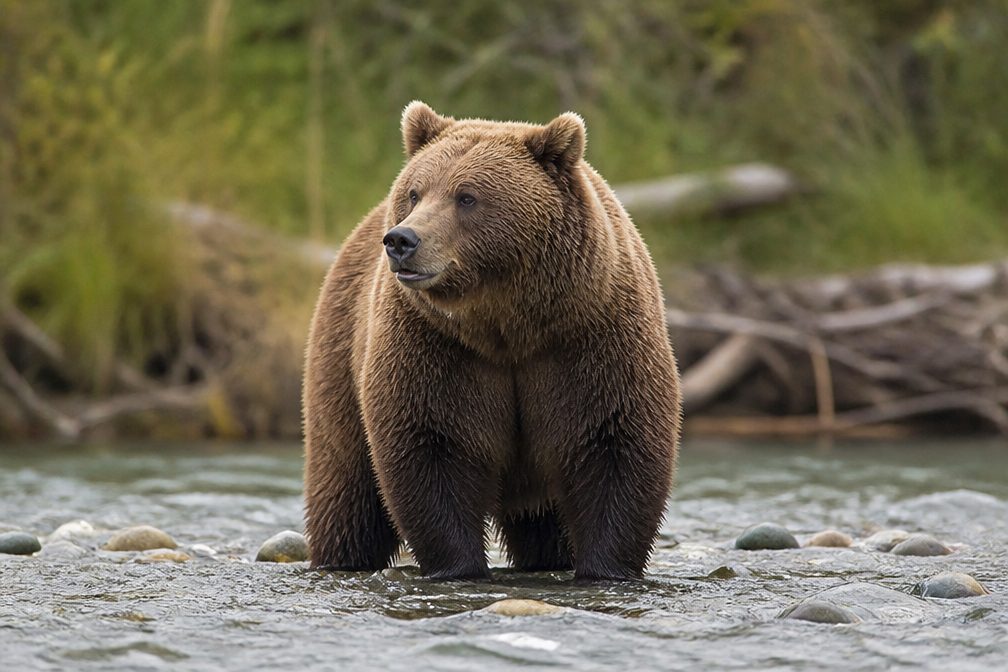
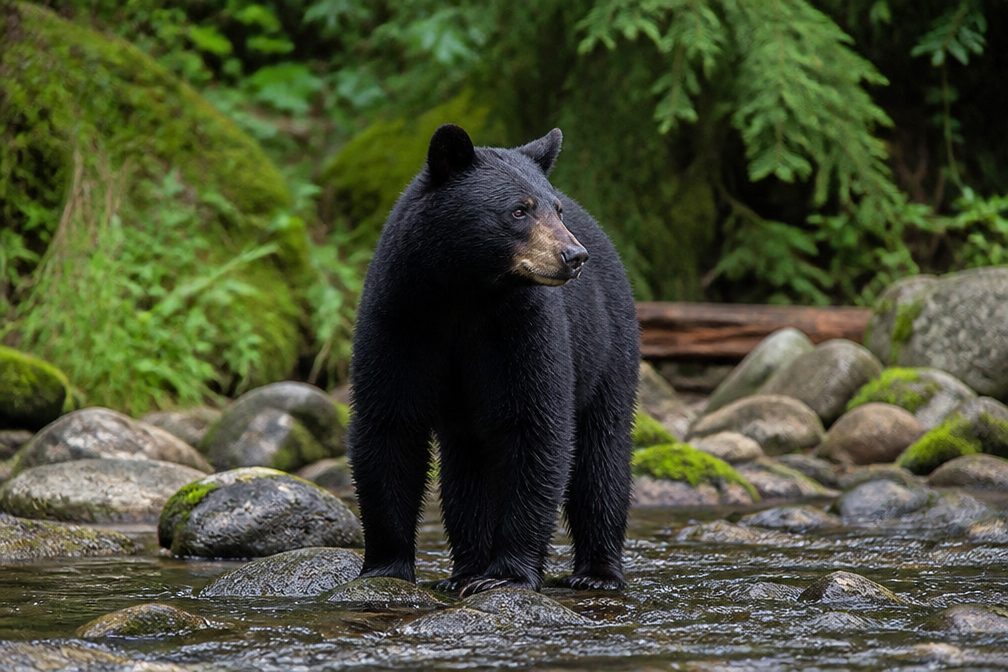
This is a black-diamond, hard outing by any standard: steep grades, high elevation, and real remoteness. Water gets scarce after the Miller Creek ford—fill up there. This is prime grizzly country with heavy sign reported along Miller Creek and in the basin; carry bear spray, make noise, and follow strict food storage and cooking practices. Expect to encounter muddy valley sections on the approach, at least one significant creek ford, and frequent summer thunderstorms in exposed alpine terrain. Confident navigation is essential if you venture off-trail along the park boundary ridgeline.
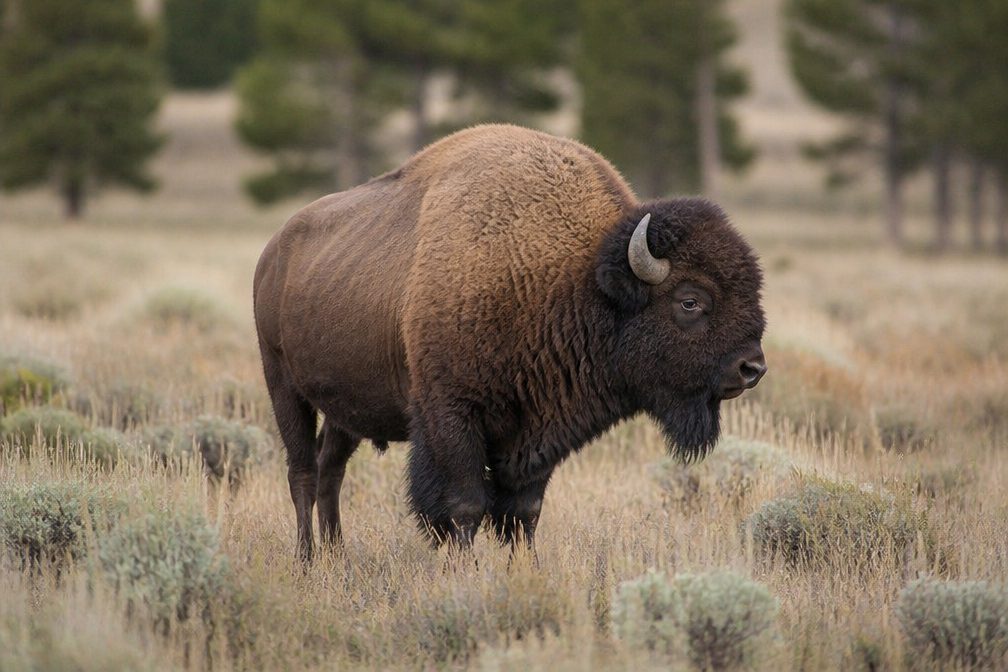
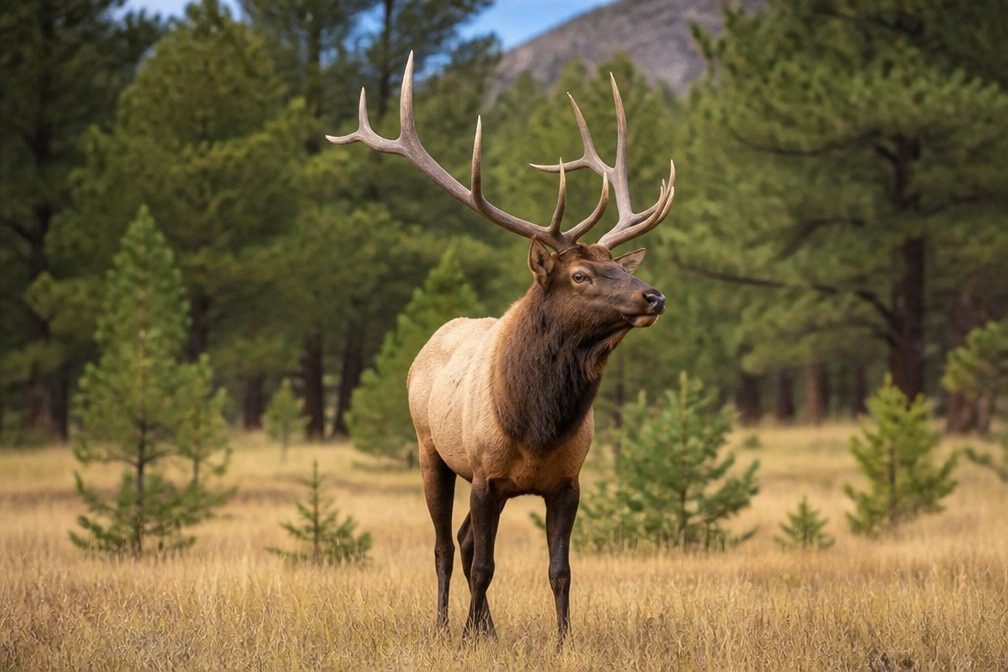
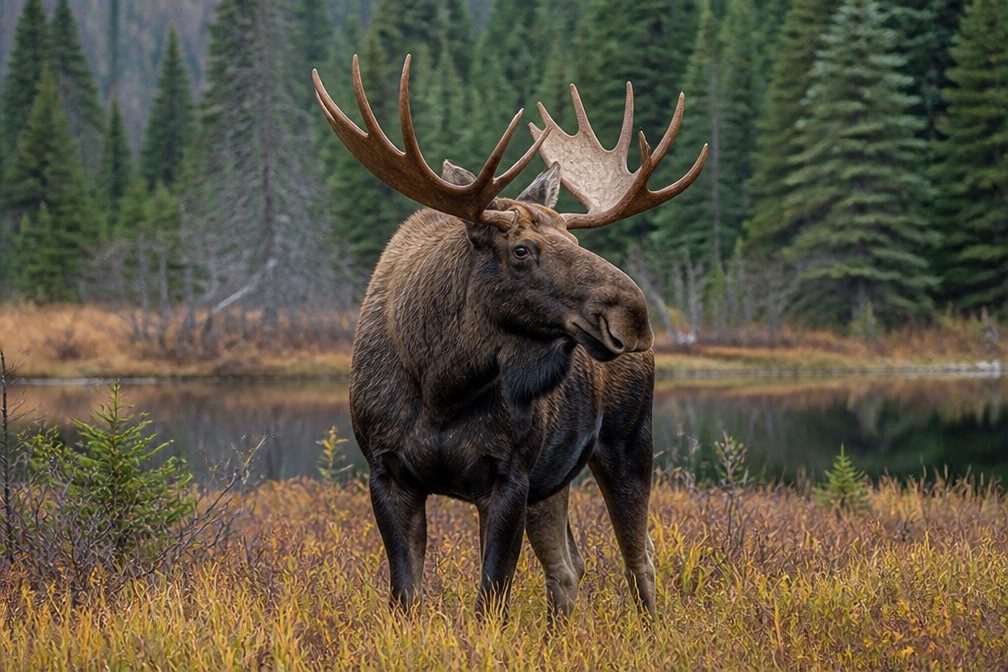
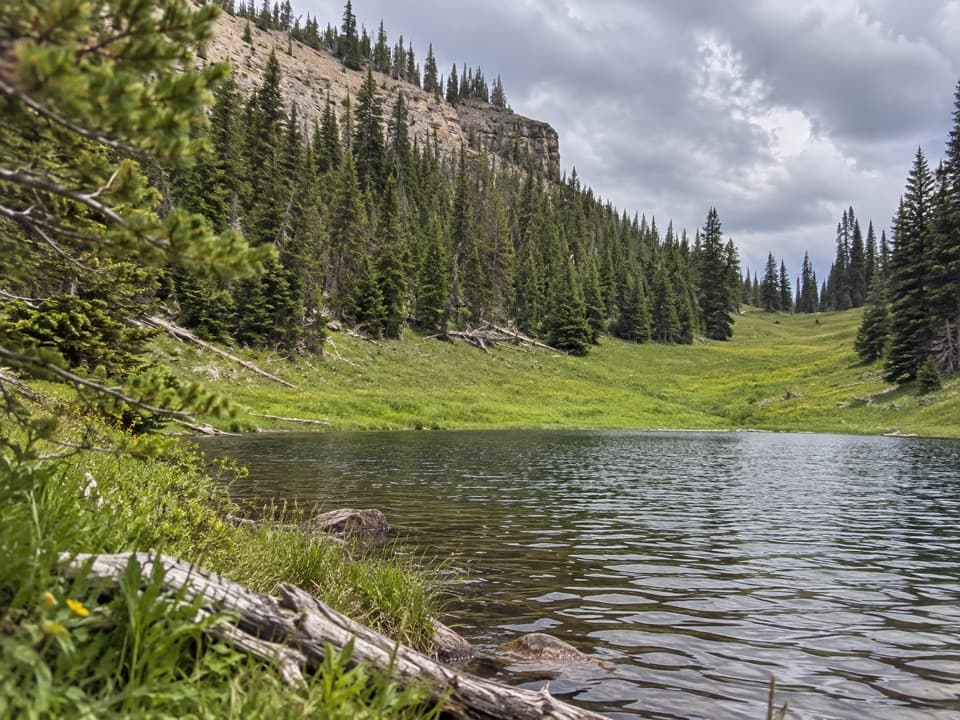
Hoodoo Basin’s namesake formations rise out of open meadows beneath big Absaroka skies, with sweeping views that can reach the Beartooths and deep into Yellowstone on clear days. The high country holds whitebark pine (many stands are in decline) and classic alpine tundra. Wildlife is part of the draw—and the caution—here: grizzlies actively forage in these meadows, and bison are common on the Lamar approach.
Mid-July through September is the sweet spot. By mid-summer, lingering snow has usually melted off the high ridges and the Miller Creek ford typically drops to easier, knee-ish levels. Earlier season can mean snow on passes and pushier fords; fall brings sharper winds and the risk of early storms. Start early for cooler temps, steadier footing on the climb, and the best light on the hoodoos.
Most visitors do this as a multi-day backpack because of the long approach to the trail proper. Overnight travel in Yellowstone’s backcountry requires a permit and designated-site reservations. The trail is open to hikers, horseback riders, and trail runners; bikes are not allowed. Don’t confuse this remote route with the shorter “Hoodoos” hike near Mammoth—they’re different experiences entirely.
Park at the Lamar River Trailhead; the Hoodoo Basin Trail is reached via the Lamar River, Miller Creek, and Bootjack Gap trails.
Steep, high-elevation climb with scarce water after the Miller Creek ford; very remote with heavy grizzly activity and frequent summer thunderstorms in exposed alpine terrain. Confident navigation required if continuing along the boundary ridgeline.