
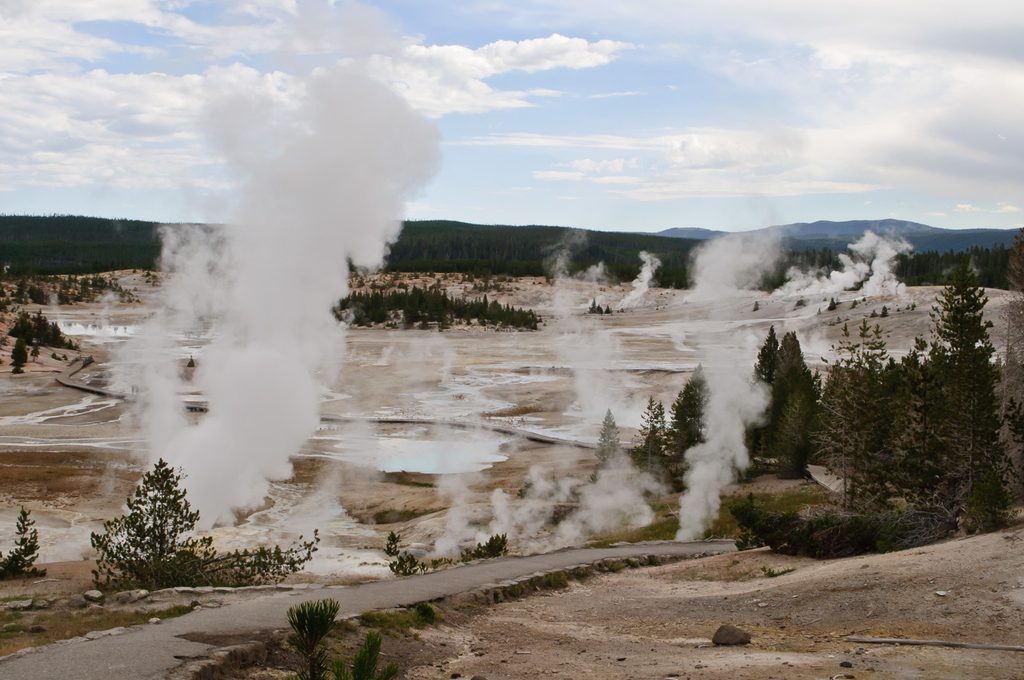
Place · 0 mi away
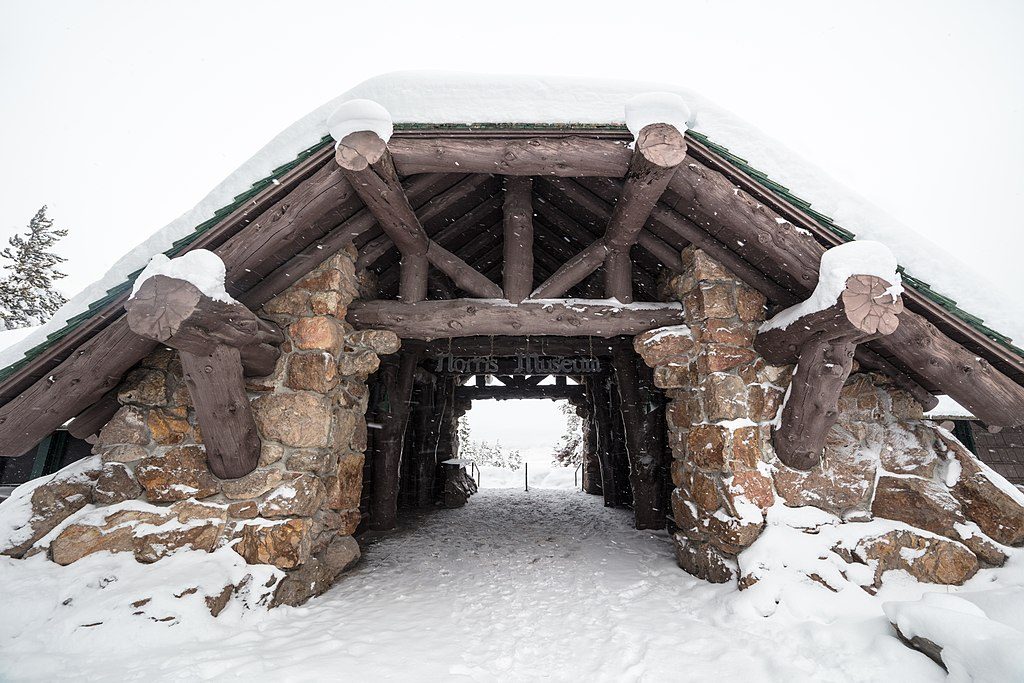
This trailside museum is the smartest first stop before you wander Norris’s boardwalks. In a few well-done rooms, rangers and exhibits decode why this is the park’s hottest, most changeable hydrothermal area—so what you’ll see outside actually clicks.
Completed in 1930, the stone-and-log building is classic parkitecture—design-forward and purpose-built to help visitors explore on their own. An open foyer leads to two exhibit rooms, with a Yellowstone Forever bookstore nearby and modern restrooms in the parking area.
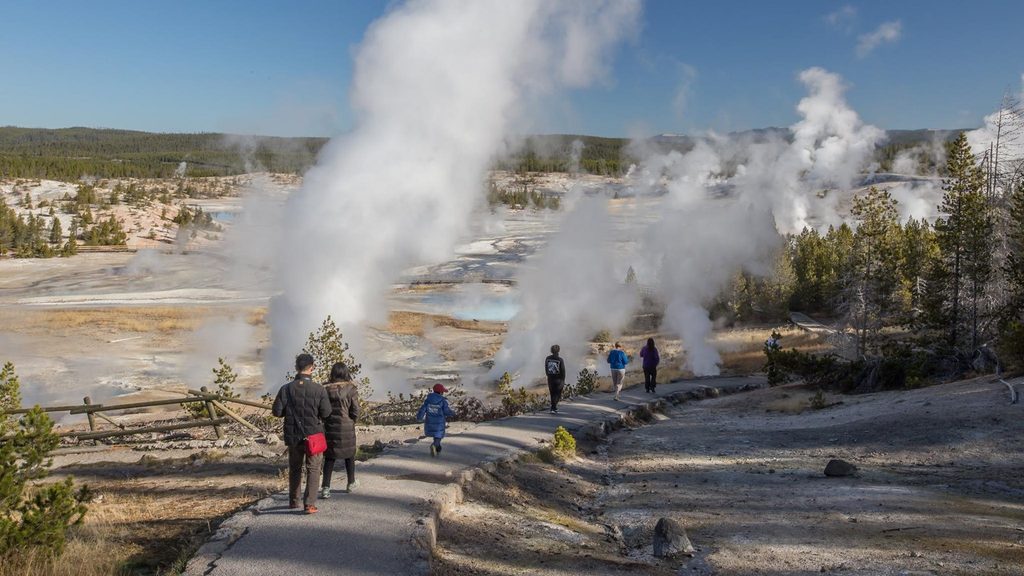
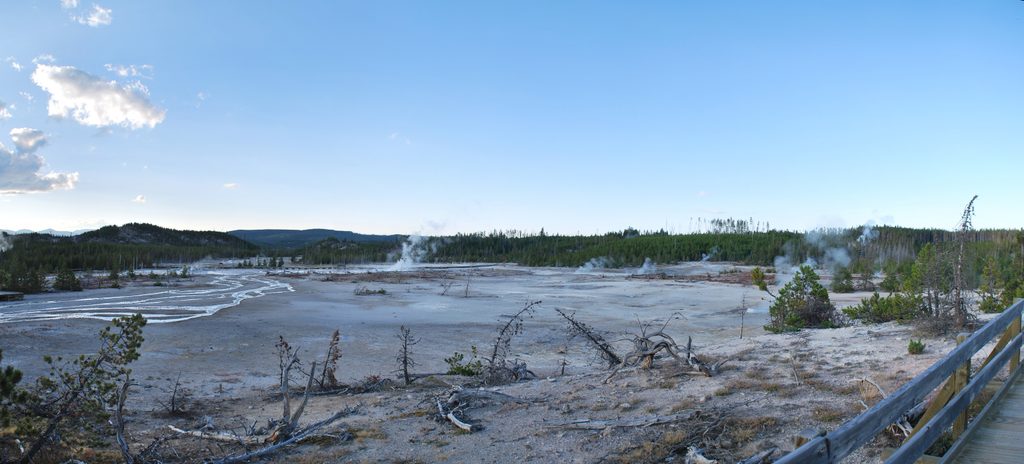
Pop in for conditions, suggested routes, and safety updates, then walk the Porcelain and Back Basin loops. Give yourself 60–90 minutes for a relaxed outing; more if you linger at features. On cool days, expect extra steam—moody and photogenic, but it can obscure views.
Stay on the boardwalks—ground can be thin with near‑boiling water and steam just below the surface. Avoid standing in steam plumes, especially on calm, low‑lying spots where gases can concentrate. Wildlife (especially bison) moves through the area; give them plenty of space and yield the right of way.
This is a popular hub and the lot fills routinely in summer. Rangers sometimes manage traffic, and overflow parking means about a half‑mile walk back to the basin. Restrooms are in the main parking area; the small historic comfort station by the museum now serves as a bookstore.
Hit the museum near opening or late afternoon for lighter crowds and easier parking. Midday brings the most foot traffic and harsher light on the basins; early or late light flatters the colors and textures. Shoulder seasons are quieter, but the museum itself may not yet be open.
Place · 0 mi away
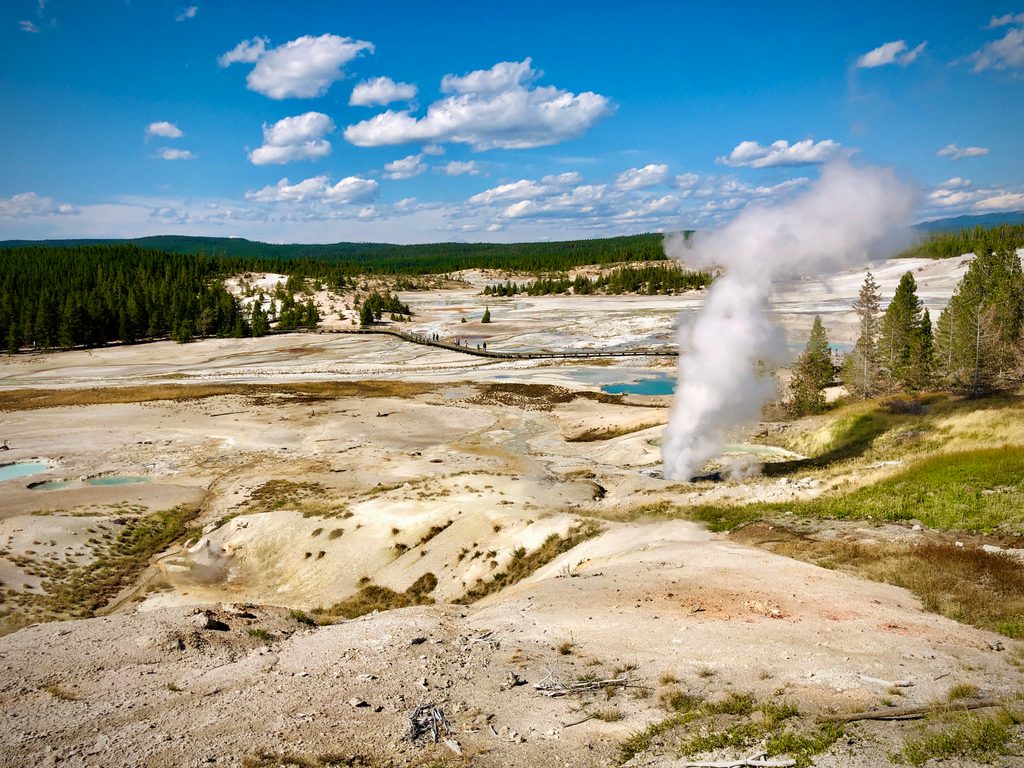
Place · 0.1 mi away
Place · 0.2 mi away
Place · 0.2 mi away
Easy · 0 mi away
Easy · 0.3 mi away
Easy · 0.8 mi away
Easy · 0.8 mi away

Parkwolf Tour Guide
