
Place · 0 mi away
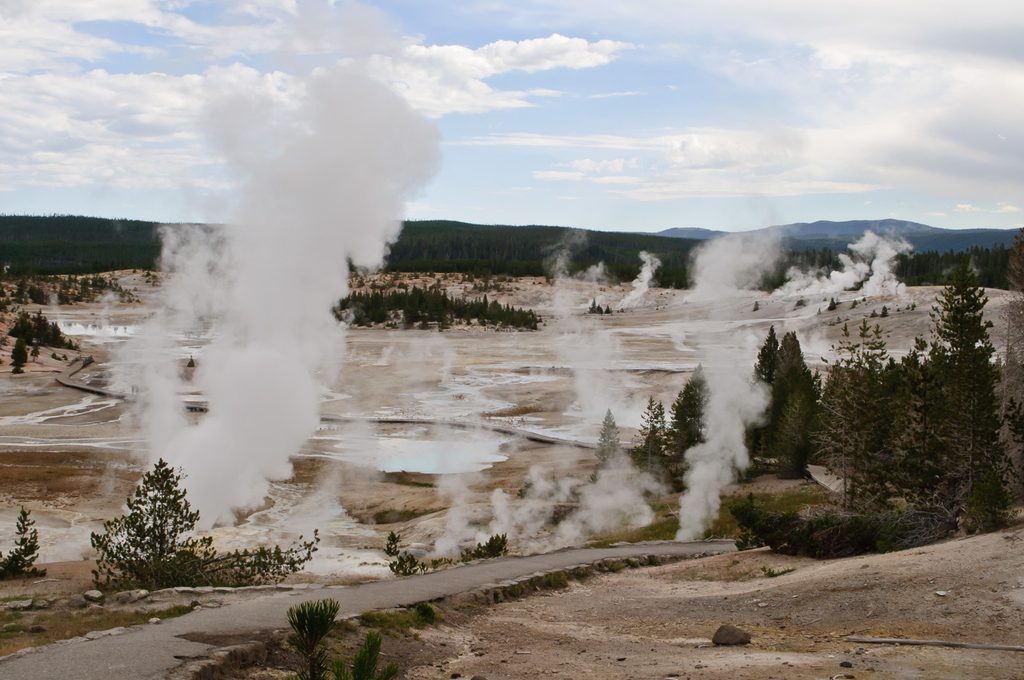
If you want Yellowstone at its most intense and unpredictable, this is it. Norris is the park’s hottest, most changeable geyser basin—pools go from clear to cloudy, features shift or burst back to life, and eruption patterns can change overnight. It’s dramatic and a little wild, which is exactly why it’s a must.
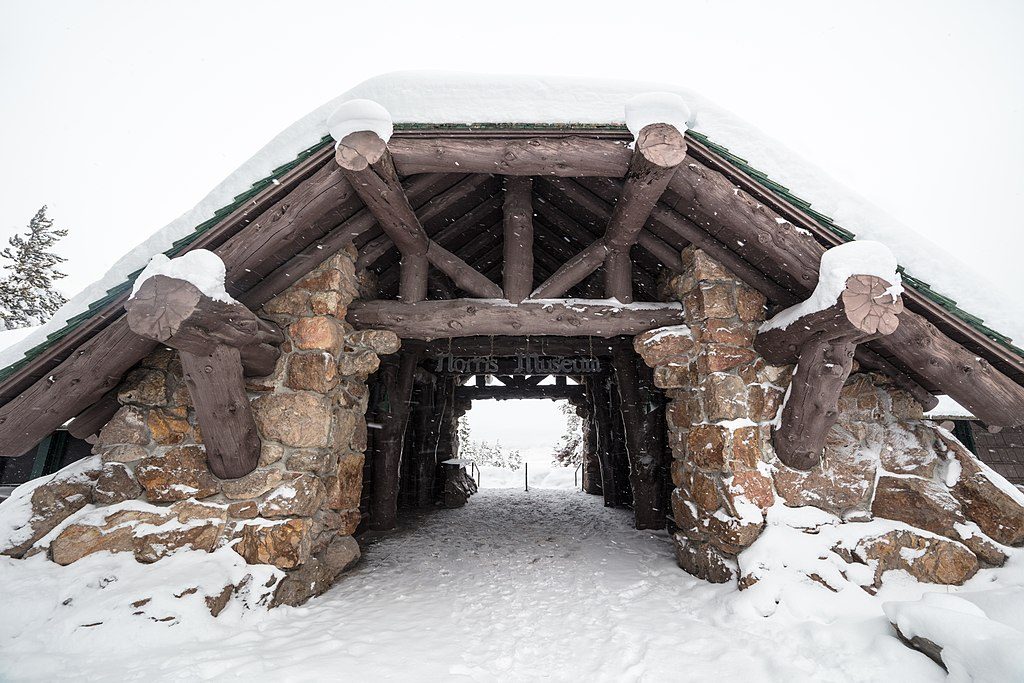
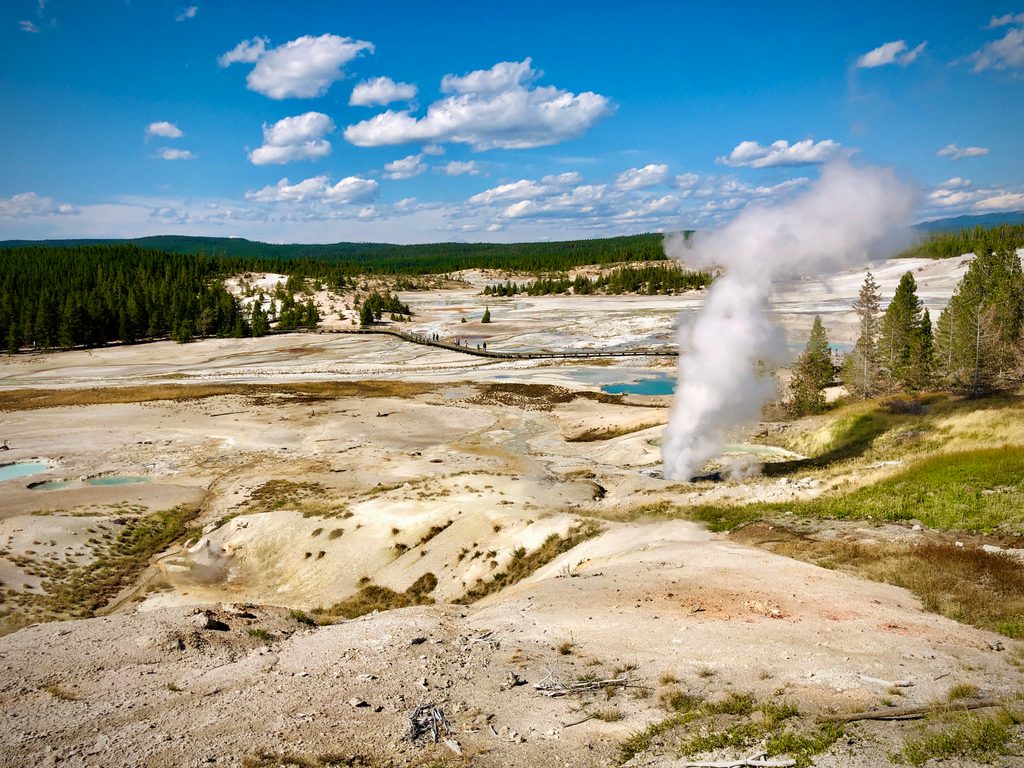
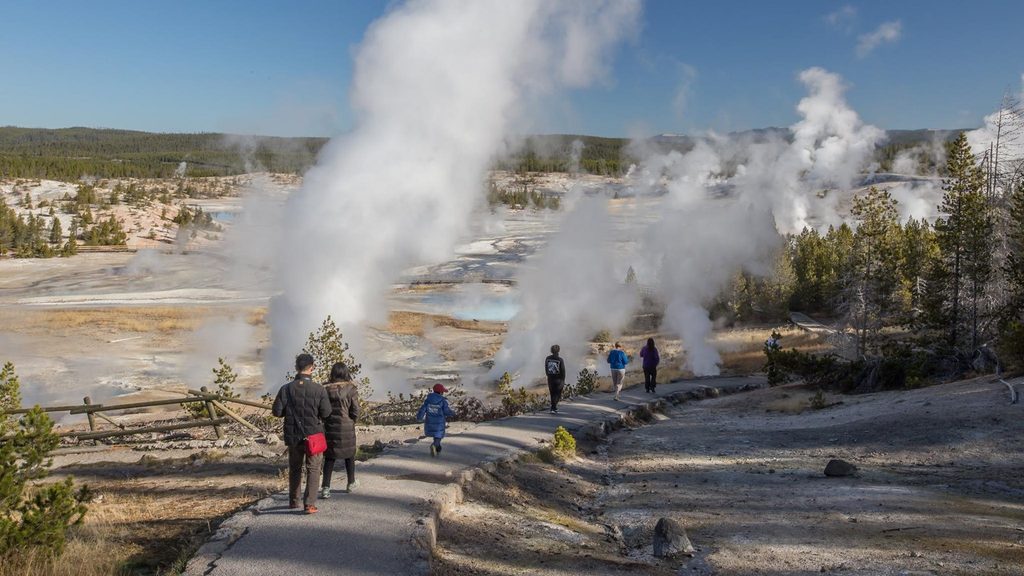
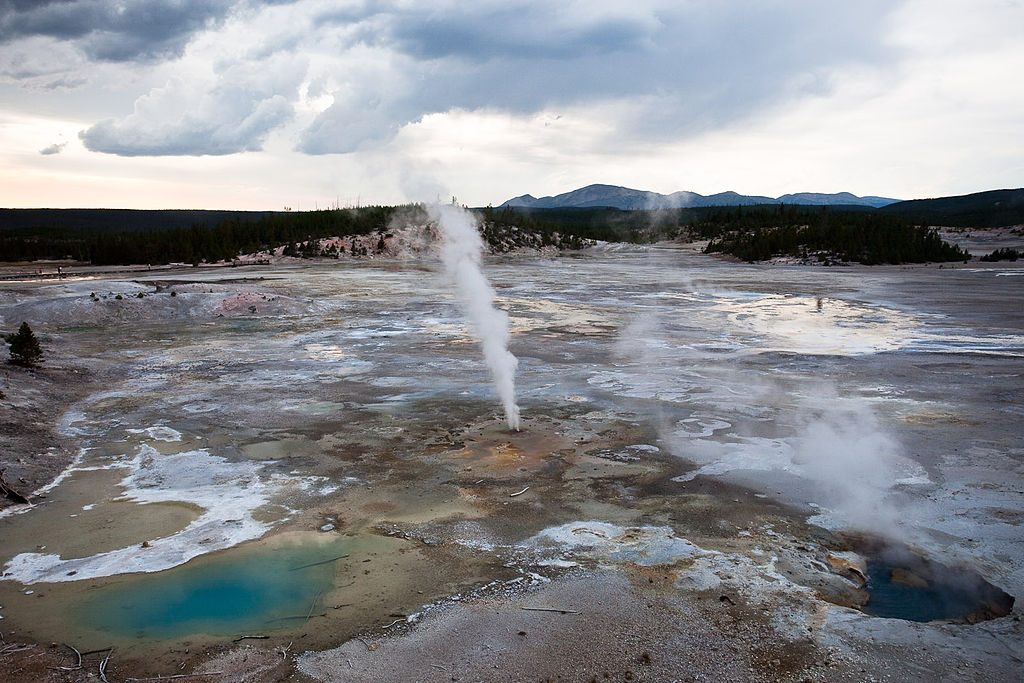
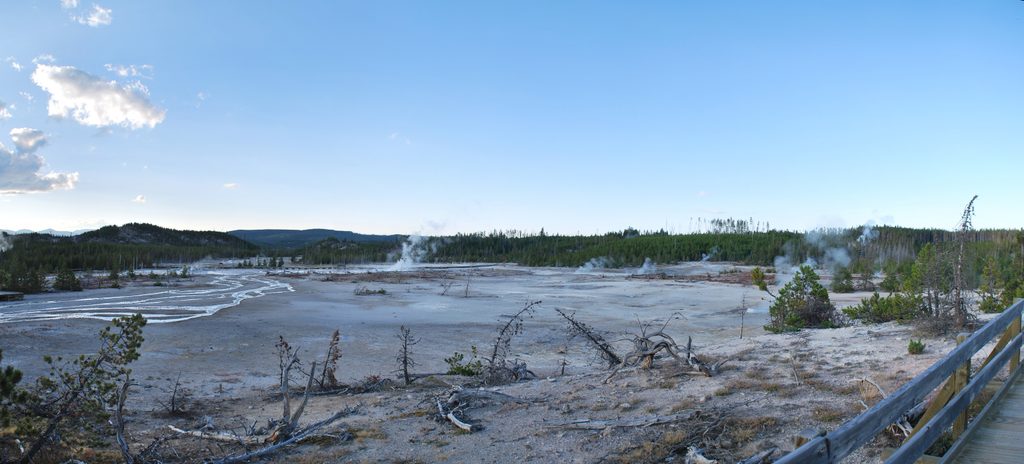
The basin splits into two personalities. Porcelain Basin is a sweeping, otherworldly expanse of steaming ground and flowing runoffs colored by heat-loving microbes. Back Basin is more forested and full of surprises—this is where towering Steamboat Geyser lives, along with geysers like Echinus and classic roaring steam vents. There’s also a small historic museum near the start with exhibits that help make sense of what you’re walking over.
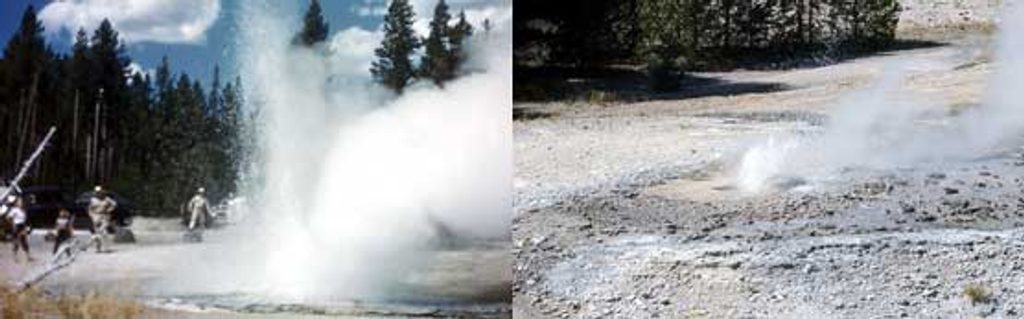
This place doesn’t sit still. In 2003, parts of Back Basin got so hot that pools boiled dry, new mudpots appeared, and vegetation died off. Norris also hosts scars from past hydrothermal explosions, and Porkchop Geyser even blew itself apart in 1989, tossing boulders—sobering proof that these systems can change fast.
Stay on the boardwalks. Ground can be thin with near‑boiling water just below the crust. Steam vents and acidic features can cause serious burns, and wind can shift steam right across the walkway. Expect area closures when activity spikes—rangers post updates on site. As always, give any wildlife wide space.
Two boardwalk loops start from the main area: Porcelain (about 0.75 mile) and Back Basin (about 1.5 miles). There’s parking at the basin but it often fills; overflow parking is used when it’s full, and the walk from overflow to the basin is roughly half a mile. Restrooms are available at the basin area, and the museum offers helpful interpretive exhibits.
USGS and the Yellowstone Volcano Observatory keep a close eye on Norris with temperature sensors, seismic and GPS instruments, and thermal mapping. The goal: track shifts in heat and ground movement that can precede boiling episodes or eruptions.
Go early or later in the day to dodge the parking crunch and summer heat. Cooler mornings and evenings give you more visible steam for moody photos; midday can feel harsh with little shade. Don’t try to “time” Steamboat—if it goes, you’ll hear the cheers; if not, enjoy the rest of the basin without clock‑watching.
Place · 0 mi away
Place · 0.1 mi away
Place · 0.1 mi away
Place · 0.2 mi away
Easy · 0 mi away
Easy · 0.3 mi away
Easy · 0.8 mi away
Easy · 0.8 mi away

Parkwolf Tour Guide
