
Place · 0.5 mi away
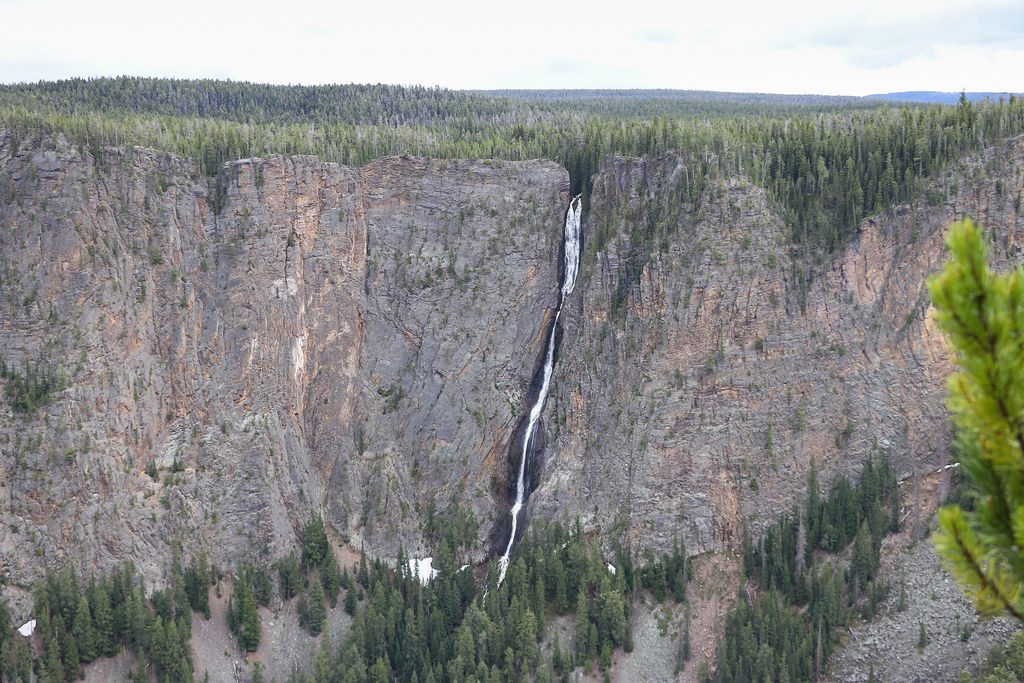
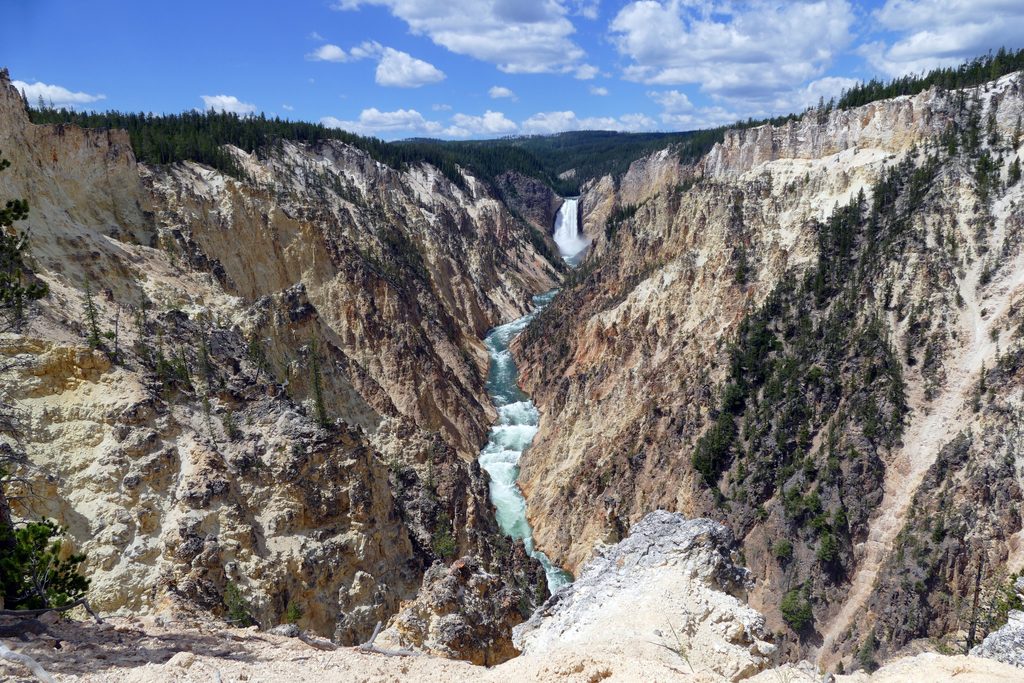
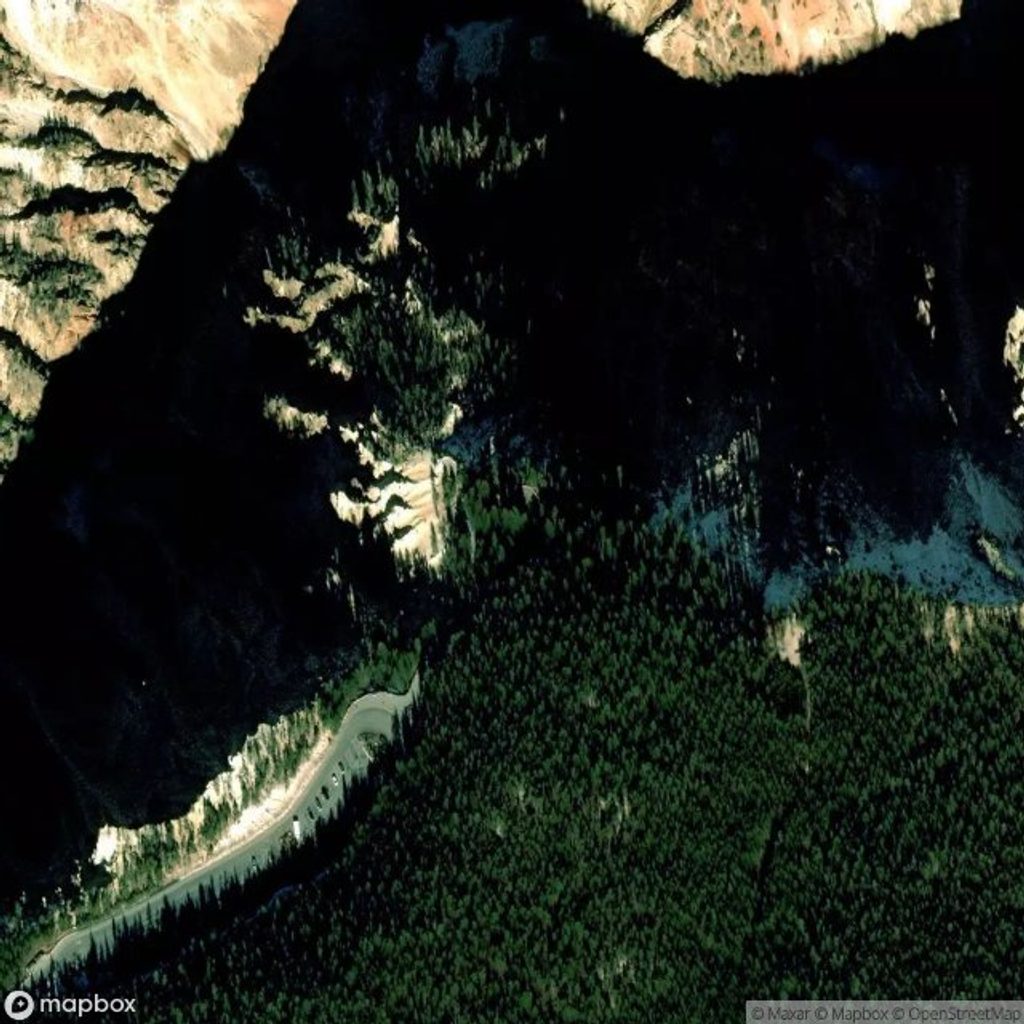
Silver Cord Cascade is the park’s tallest waterfall, a slender 1,200‑foot horsetail where Surface Creek spills out of Ribbon Lake and plunges into the Yellowstone River. It’s a striking, ribbon‑thin drop you view from across the Grand Canyon of the Yellowstone—dramatic, serene, and far less crowded than the big roadside falls.
The classic view is from the North Rim via the Seven Mile Hole Trail. Park at the Glacial Boulder area on North Rim Drive (near Inspiration Point) and hike roughly 1 mile east on a mostly level trail with small ups and downs. Short, unmarked use paths lead to rim viewpoints directly across from the cascade. You do not need to descend the full Seven Mile Hole route (which is about 10 miles round trip with a steep 1,400‑foot drop) to see the falls. At times, the Inspiration Point spur road can be closed, adding walking distance—check current conditions and be ready to hoof it a bit more if needed.
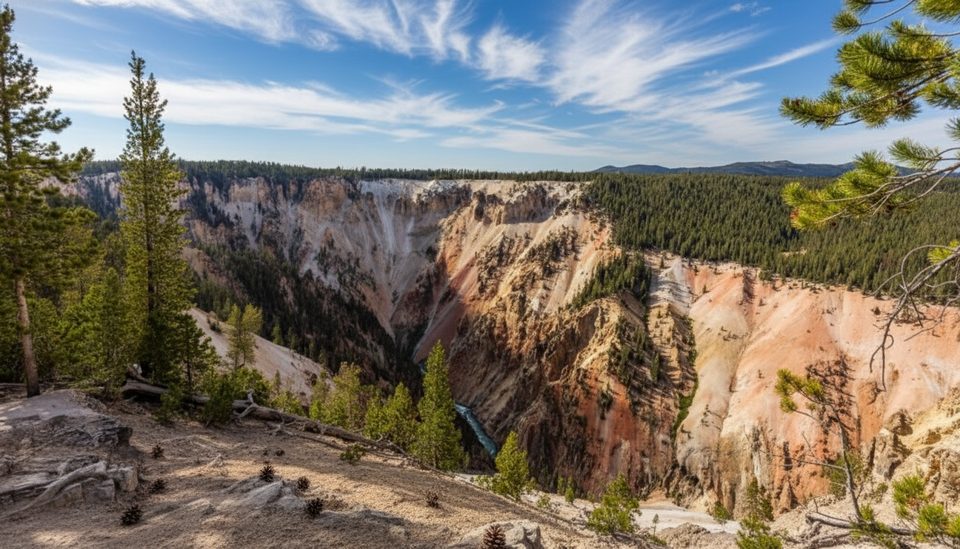
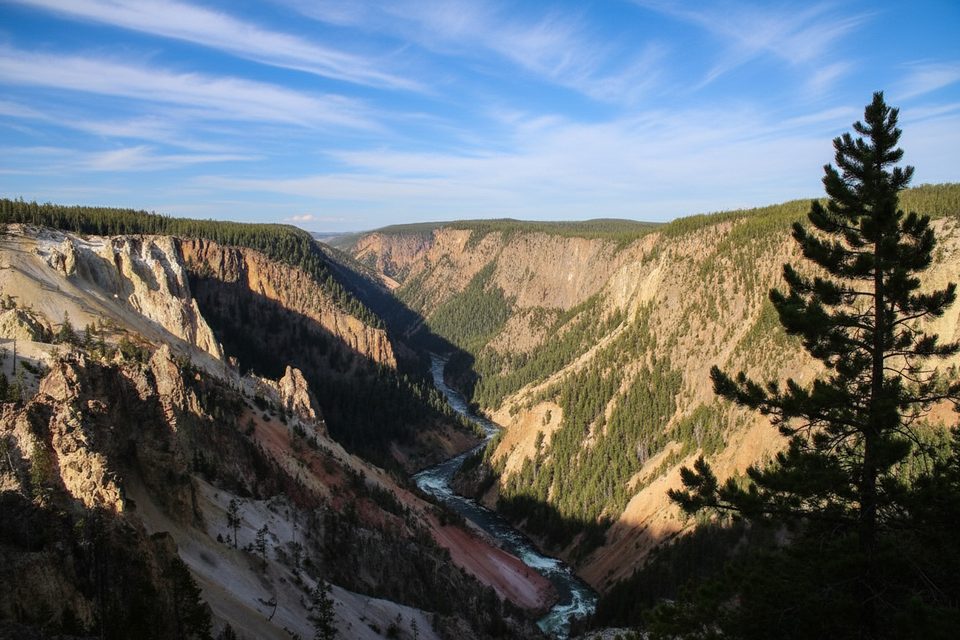
Expect classic canyon scenery: multi‑colored walls and partial glimpses of the Yellowstone River as you go. The falls themselves live up to the name—a silver thread coursing down the opposite wall. It’s beautiful and dramatic, but understand it’s a distant, across‑the‑canyon look rather than a mist‑in‑your‑face moment.
The first mile to the viewpoints is generally easy, but the rim is unfenced and the soil near the edge can be loose—give the drop‑offs generous space. Do not attempt to reach the brink from the South Rim; there’s no trail and footing is hazardous.
Early explorers described this waterfall in 1870, and the name evolved to the official Silver Cord Cascade by the 1880s. Along the North Rim, you’ll pass the house‑sized Glacial Boulder, a transported block that hints at the area’s glacial past. The canyon’s vivid yellows, oranges, and whites come from hydrothermally altered volcanic rock, with oxidized iron minerals painting those famous slopes.
This is a quieter corner of the canyon, which ups your odds of seeing wildlife. Elk and bison are possible, and black bears are occasionally reported. Make noise in brushy stretches and carry bear spray.
The cascade faces north and can look harsh or washed out in midday sun. Overcast skies or times when the sun isn’t overhead give the best contrast. A moderate zoom helps compress the scene across the canyon.
Aim for early or late in the day or cloud cover for softer light. Weekdays tend to be extra quiet. If the Inspiration Point spur is open, it streamlines access; if not, plan a little extra time for the added walk.
Place · 0.5 mi away
Place · 0.9 mi away
Place · 1 mi away
Place · 1.4 mi away
Moderate · 0.9 mi away
Easy · 0.9 mi away
Challenging · 1 mi away
Easy · 1.4 mi away

Parkwolf Tour Guide
