
Place · 0.5 mi away
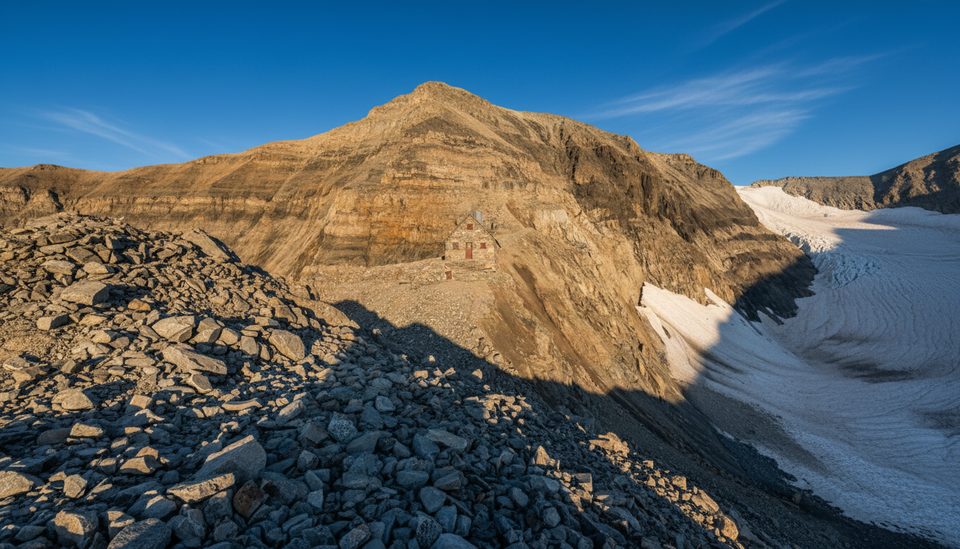
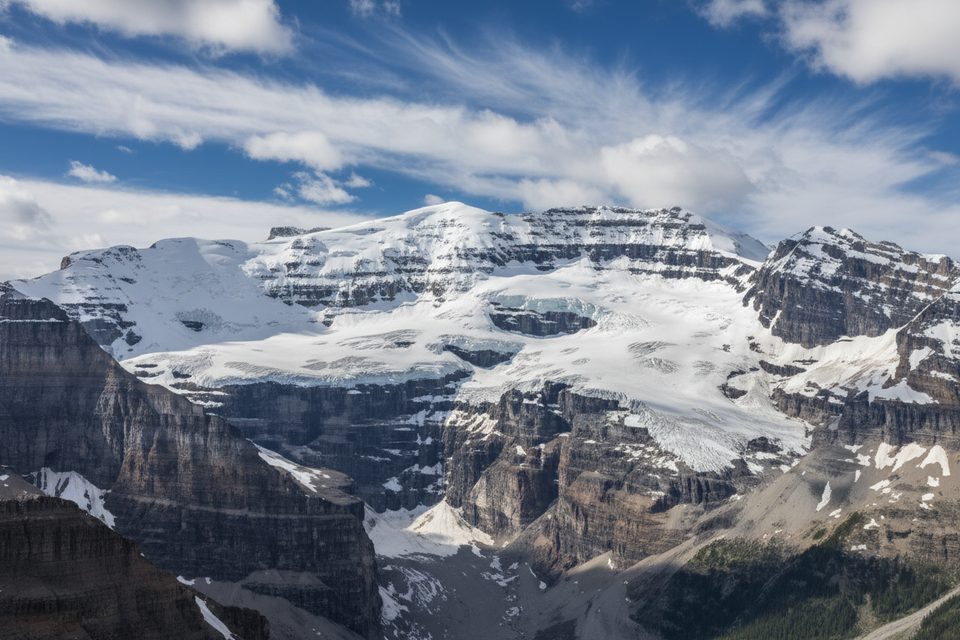
Perched at nearly 3,000 m between Mount Victoria and Mount Lefroy, the Abbot Pass Refuge Cabin once embodied the romance (and grit) of early Canadian mountaineering. The stone hut is gone—dismantled in 2022 due to erosion and safety risk—but the site remains a stark, windy saddle with sweeping views and a powerful story.
Expect a high, barren pass with dramatic cliffs and glaciers all around. The hut’s footprint is marked by a ruin and commemorative elements, but there are no facilities—no shelter, no water, no toilets. It’s remote, exposed, and not set up for casual visitors.
Built in 1922 by Swiss guides, the hut served as a base for classic climbs on Victoria and Lefroy and became a symbol of the golden age of Canadian mountaineering. It was among the highest permanent structures in the country and later designated a National Historic Site. Accelerating erosion ultimately undermined the foundation, forcing removal.
Abbot Pass is mountaineer terrain. Traditional approaches involved glacier travel with crevasse and avalanche hazards. Sources consistently emphasize that this is not a casual hike. Approaches may also be restricted or unadvised due to ongoing slope instability—always verify current closures and advisories before even thinking about it.
At this elevation, life is sparse. You might encounter hardy alpine regulars—hoary marmots, the odd pika, ravens, and occasionally mountain goats—but don’t come for a wildlife safari.
The short, mid-summer climbing season offers the best shot at stable conditions, but weather flips fast up here. Early starts are the norm, and sunset/sunrise light can be spectacular—if you’re safely in position. Crowds aren’t the issue; conditions and safety are.
For most park visitors, this is a story to appreciate from afar. For experienced mountaineers who understand the risks, the site’s austere beauty and history can be profoundly moving. Just remember: there’s no hut anymore, and the mountain makes the rules.
Place · 0.5 mi away
Place · 0.9 mi away
Place · 1 mi away
Place · 1.1 mi away
Moderate · 1.8 mi away
Easy · 2.1 mi away
Moderate · 5.9 mi away
Challenging · 5.9 mi away

Parkwolf Tour Guide
