Pros & cons
PROS
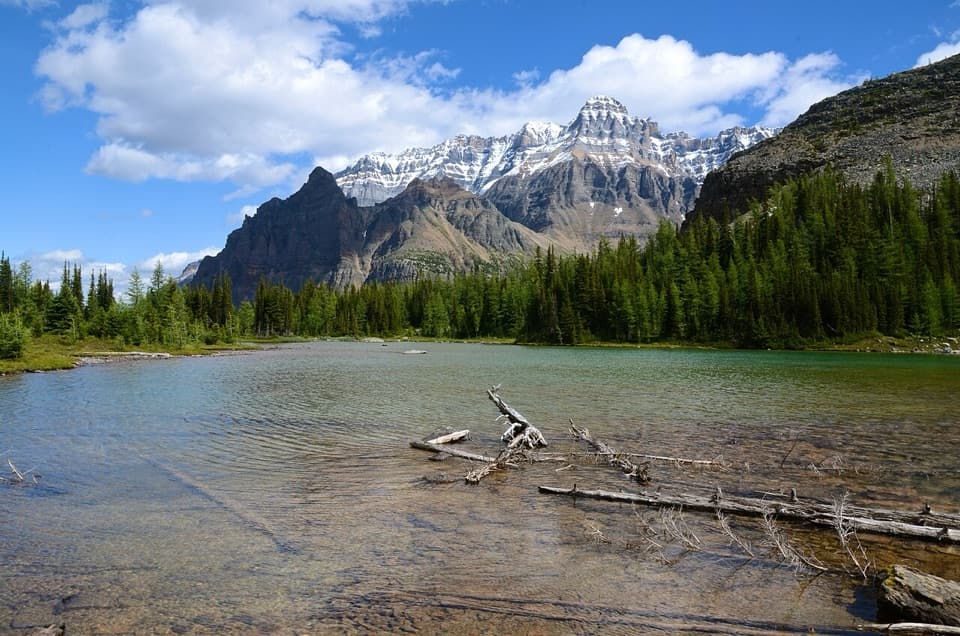
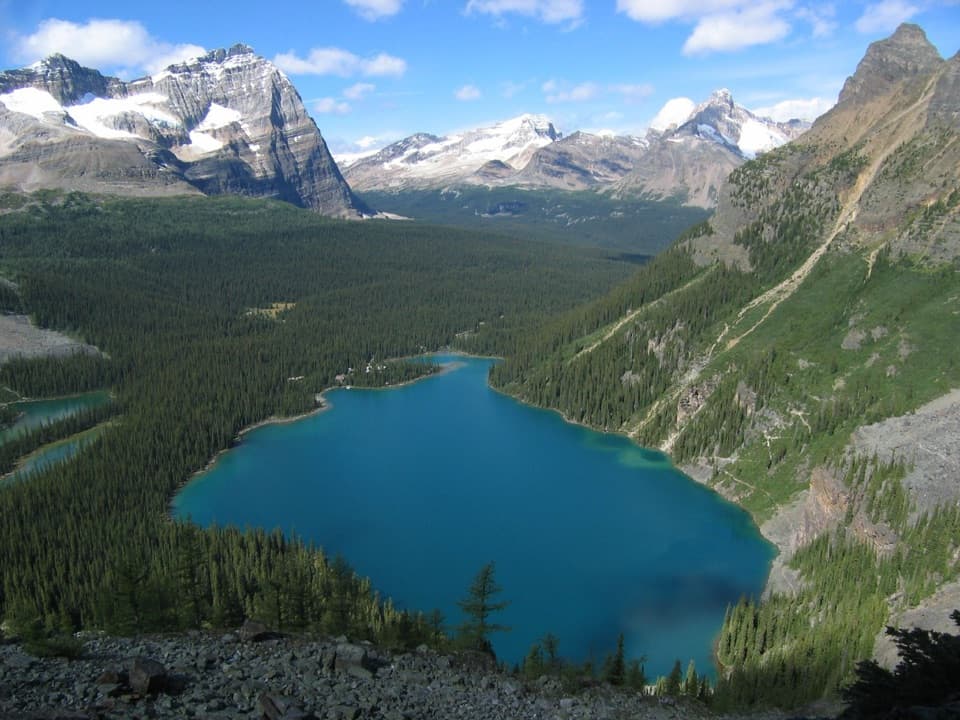
- Striking turquoise basin ringed by copper‑hued quartzite cliffs
- Beautiful approach with Lawrence Grassi stone steps and big alpine views
CONS
- Access is tightly limited by the Lake O’Hara shuttle reservation system
- No facilities at the lake—plan for a true pack‑in, pack‑out visit
Why go
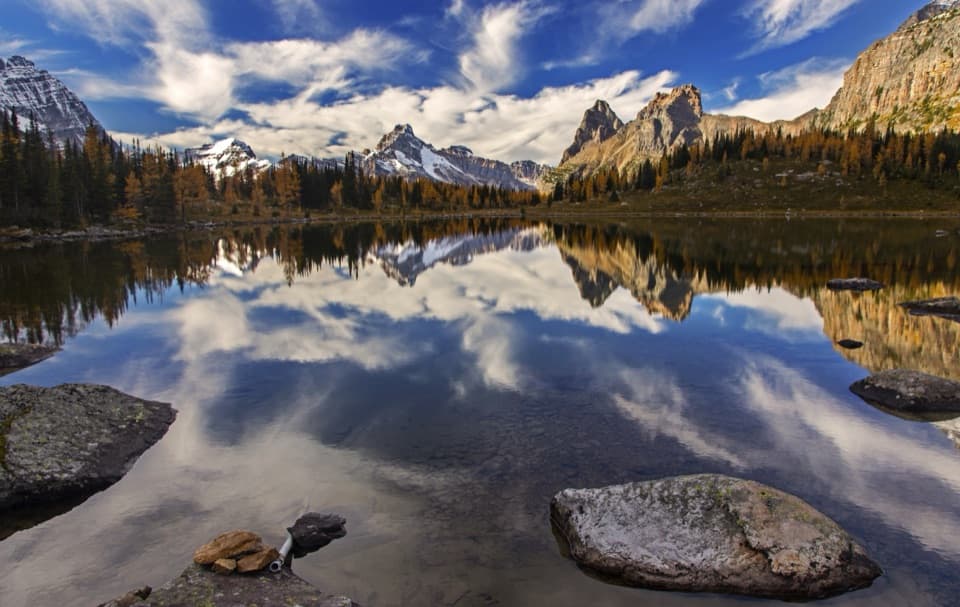
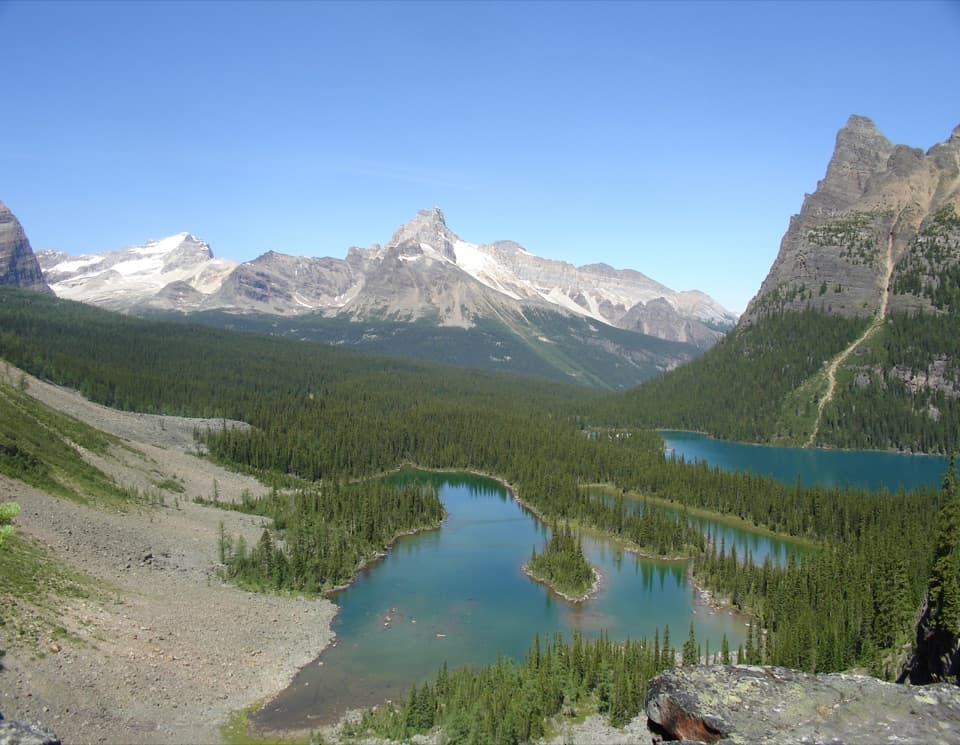
Lake Oesa is one of the crown jewels of the Lake O’Hara alpine area: an intensely turquoise lake tucked into a high, bedrock trough and walled by rugged quartzite cliffs. Despite its popularity, strict quotas in the O’Hara area keep it peaceful once you’re up there.
The hike in
You reach Oesa on foot from Lake O’Hara via a well‑built trail (about 6.6 km round‑trip, ~240 m gain). The route threads talus slopes, stunted subalpine forest, wildflower meadows in summer, and a string of pools and creeks before the final reveal. Look for the elegant stone stairways crafted by famed trail builder Lawrence Grassi—they’re part of the charm.
Scenery and connections
From the path and the lakeshore, you’ll get sweeping looks toward Lake O’Hara, Wiwaxy Peaks, Yukness Mountain, and the Opabin country. Many hikers link Oesa into the area’s alpine circuit via the Yukness Ledges, which adds airy traverses and huge basin views (that segment is an alpine route with real exposure—best for experienced parties).
Nature notes
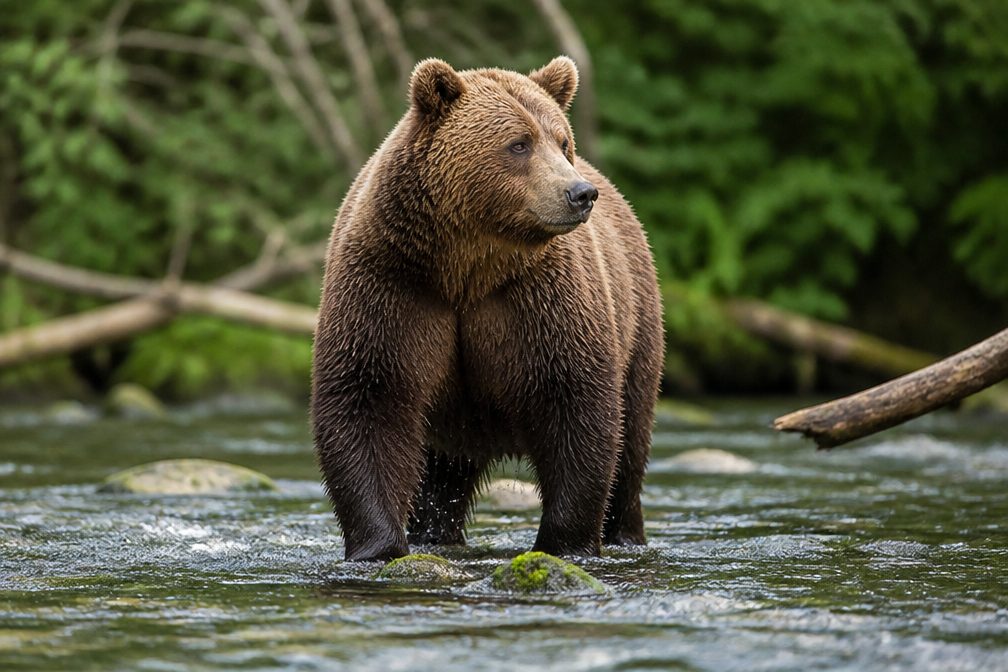
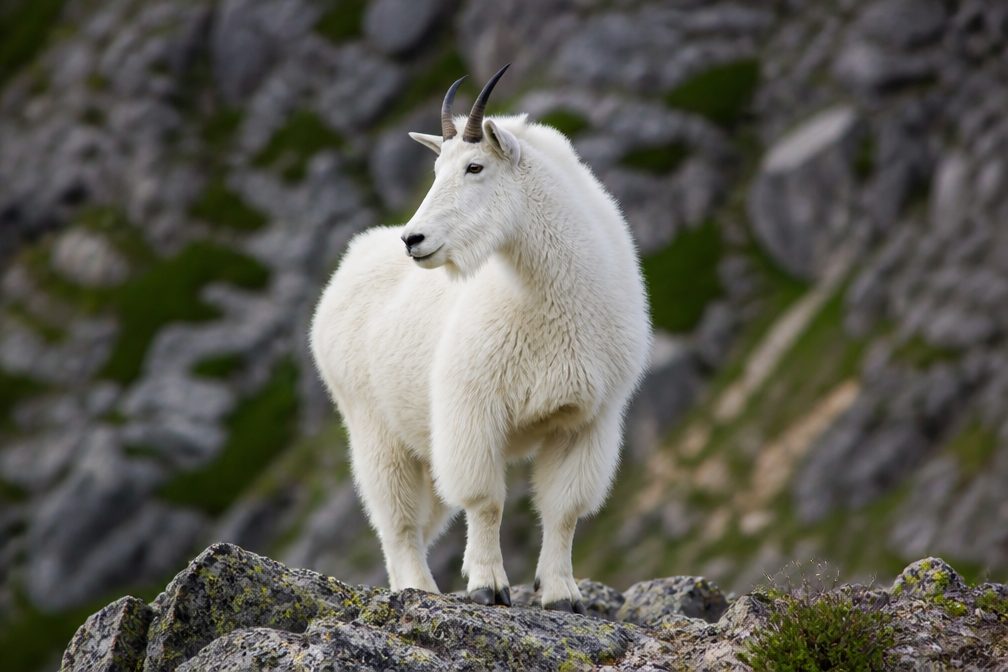
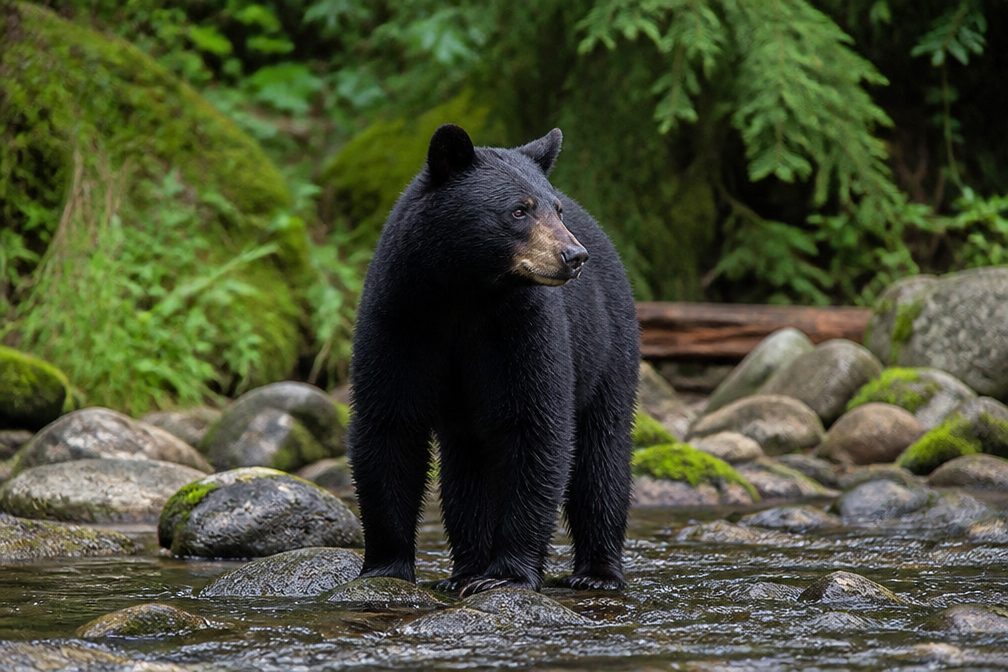
The O’Hara high country supports mountain goats, marmots, pikas, and ptarmigan, with occasional bear sightings in the broader area. Alpine meadows and rocky slopes make this a good place to slow down and watch for wildlife—give all animals respectful space.
What to expect on site
There are no amenities at Lake Oesa: no restrooms, tables, or shelters. This is a pristine alpine basin—bring what you need and leave no trace. There’s no camping at the lake; overnighting is limited to designated spots back near Lake O’Hara.
Access realities
Motorized access to Lake O’Hara is restricted. Day‑use buses require advance reservations that sell out quickly; without a seat you’re hiking the 11 km access road before you even start for Oesa. That’s the trade‑off for the tranquility up high.
Best time to visit
- Summer is prime: trails are melted out, meadows bloom, and the color of Oesa is at its best. Weather can shift fast at this elevation, even on blue‑sky mornings.
- Winter visits are by cross‑country ski on the closed access road; plan accordingly if you’re aiming for a snowy adventure.
- Quotas help curb crowding throughout the day, but booking your access early in the season is essential.
Where it is
51.3543, -116.3035Tips for Lake Oesa
- 01Book the Lake O’Hara day‑use bus the moment reservations open—seats vanish fast.
- 02Use restrooms near Lake O’Hara before starting; there are none at Lake Oesa.
- 03Wear sturdy boots—the trail includes rocky, sometimes wet sections and talus.
- 04Pack layers and bear spray; weather changes quickly in the high alpine.
- 05If exposure isn’t your thing, skip Yukness Ledges and do Oesa as an out‑and‑back.
Near Lake Oesa
All places →All trails →
0.9 mi awayAbbot Pass Refuge Cabin National Historic SiteStoried alpine hut site on Abbot Pass, now a stark ruin
0.9 mi awaySeven Veils FallsDelicate multi-tier cascade pouring into pristine Lake O’Hara
1 mi awayOpabin LakeTurquoise cirque lake above O’Hara, ringed by larches and glacier
1.1 mi awayMount HuberSerious alpine summit above the Lake O’Hara basin
1.2 mi awayLake O'Hara and Lake Oesa LoopCompact tour of O’Hara’s best: Oesa, ledges, and turquoise perfectionModerate · 5.3 mi · 4 hr
1.4 mi awaySeven Veils Falls TrailShort, misty waterfall detour at Lake O’Hara’s far shoreEasy · 1.5 mi · 1 hr
6.3 mi awaySherbrooke Lake TrailSteady forest climb to a big turquoise lake with mountain backdropsModerate · 3.9 mi · 2.5 hr
6.3 mi awayPaget Lookout TrailSteady switchbacks to a historic fire lookout with big-valley viewsModerate · 4.4 mi · 3 hr