
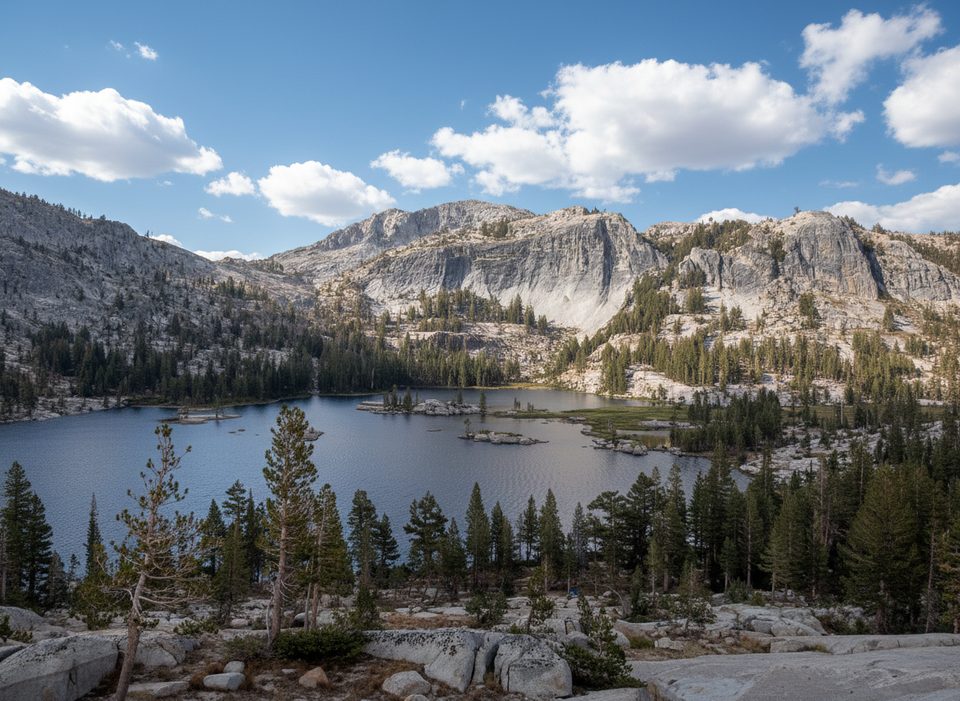
Place · 2.4 mi away
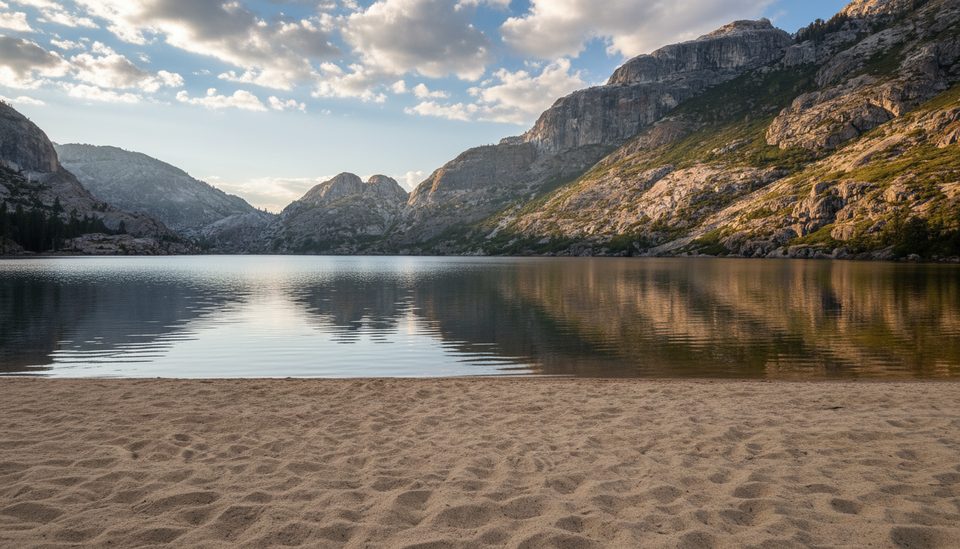
Benson Lake is a remote northern High Sierra lake known for its surprisingly large, sandy beach and surrounding granite walls. Sitting high in the backcountry, it’s reached by a spur off the Pacific Crest Trail and often included on multi‑day routes that weave past Benson Pass, Smedberg Lake, Seavey Pass, and Matterhorn Canyon. Expect a wild, quiet setting where the payoff is a beachy shoreline you don’t usually find this deep in the mountains.
This is a backpacker’s destination, not a roadside stop. The terrain on approaches is rugged with sustained ups and downs, and early season visitors may encounter lingering snow on high passes. Once you arrive, the northeastern shore offers spacious sandy camps and a mellow place to lounge after big miles. Typical High Sierra wildlife is around, including black bears—so plan your food storage accordingly—and mosquitoes can spike around meadows and lakes in mid‑summer.
Most hikers reach Benson Lake as part of a demanding loop originating at Robinson Creek/Twin Lakes near Bridgeport (Hoover Wilderness). A five‑day itinerary is common, crossing Mule and Burro passes into Matterhorn Canyon, then over Benson Pass to Smedberg Lake and down to Benson Lake before continuing over Seavey Pass toward Peeler Lake. You can also approach from inside the park via various Yosemite trailheads that connect to the PCT corridor and the spur to the lake.
Overnights require a wilderness permit. If you start inside the park, obtain a Yosemite wilderness permit (with a portion released months ahead and another portion released the week prior). If you start at Robinson Creek/Twin Lakes, get a Humboldt–Toiyabe National Forest permit for that trailhead; it covers your entire trip into Yosemite. Bear‑resistant food storage is required in Yosemite’s wilderness; bear spray is not allowed and hanging food is illegal.
There are no built amenities here—no toilets, tables, or treated water—so practice Leave No Trace. Draw and treat lake water, choose durable existing camps, and follow backcountry bathroom protocols. Many backpackers favor the sandy northeast shore for camping.
Best window is typically July through September, when snow has melted from the high passes and creek crossings are reasonable. Earlier in the season, be prepared for snow patches and colder nights. Mid‑summer brings prime beach time but also the highest mosquito pressure—treat clothing and carry repellent.
Late‑day light warms the granite and makes the beach glow. You won’t find crowds like the frontcountry, but don’t expect absolute solitude in peak season—this is a cherished stop for PCT hikers and loop backpackers.
Place · 2.4 mi away
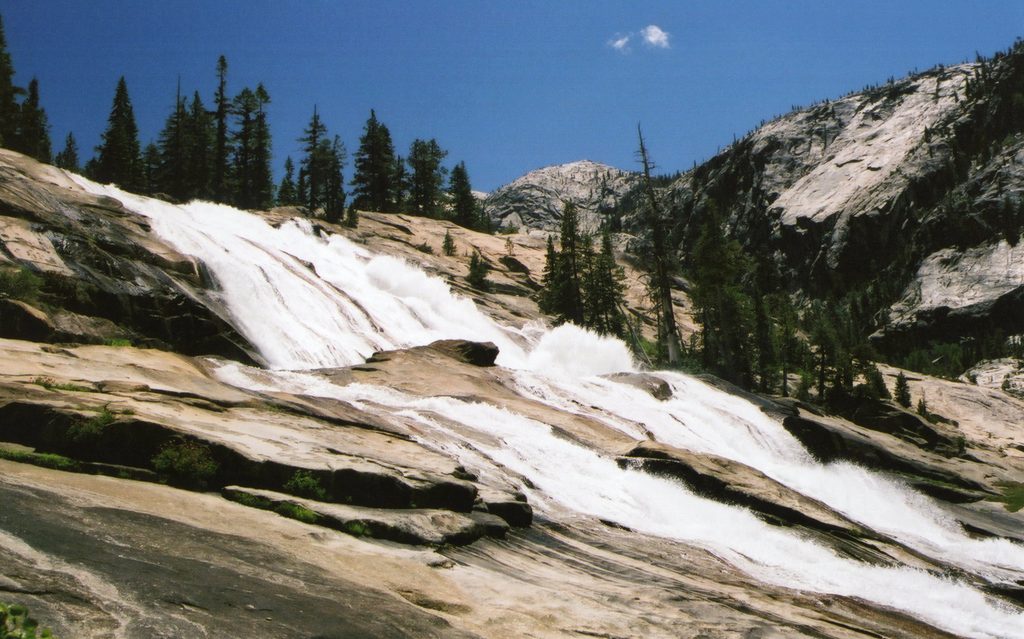
Place · 7.2 mi away
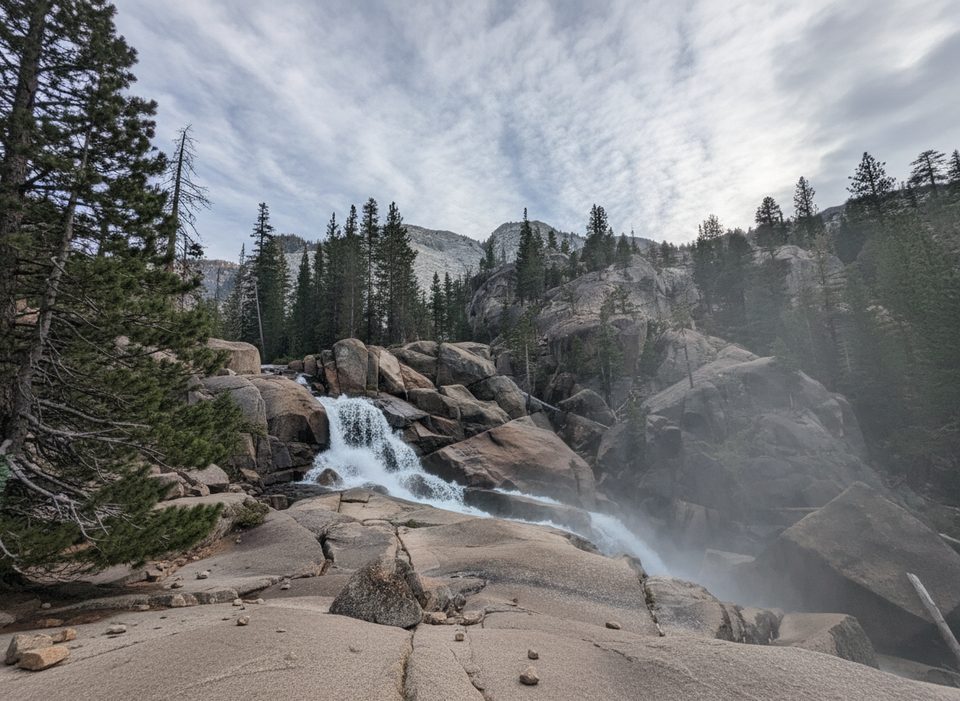
Place · 7.7 mi away
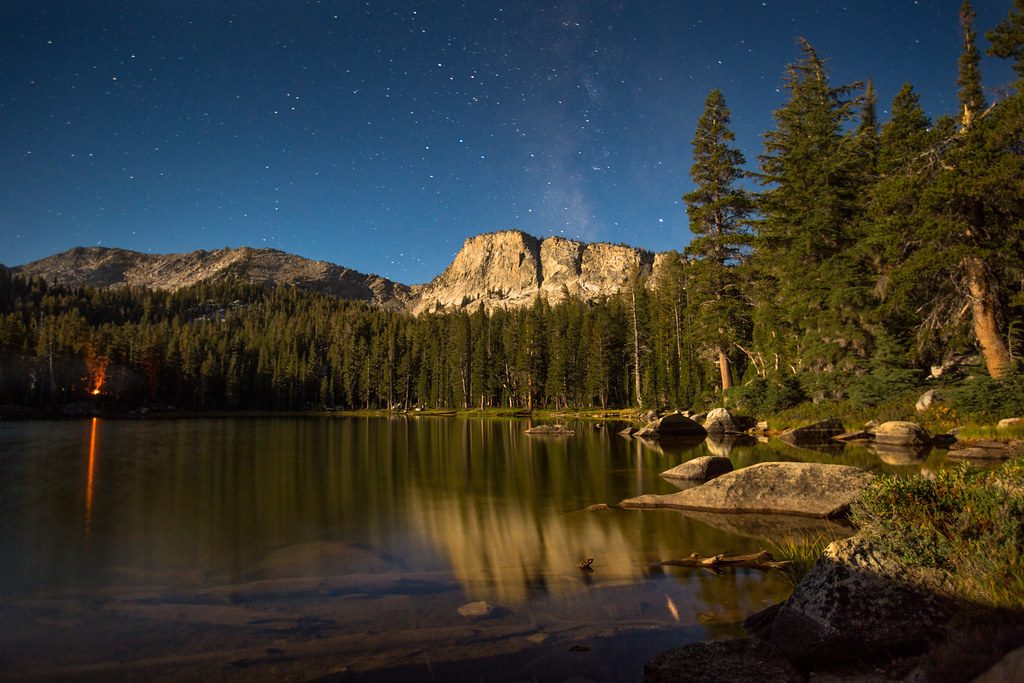
Place · 8.1 mi away
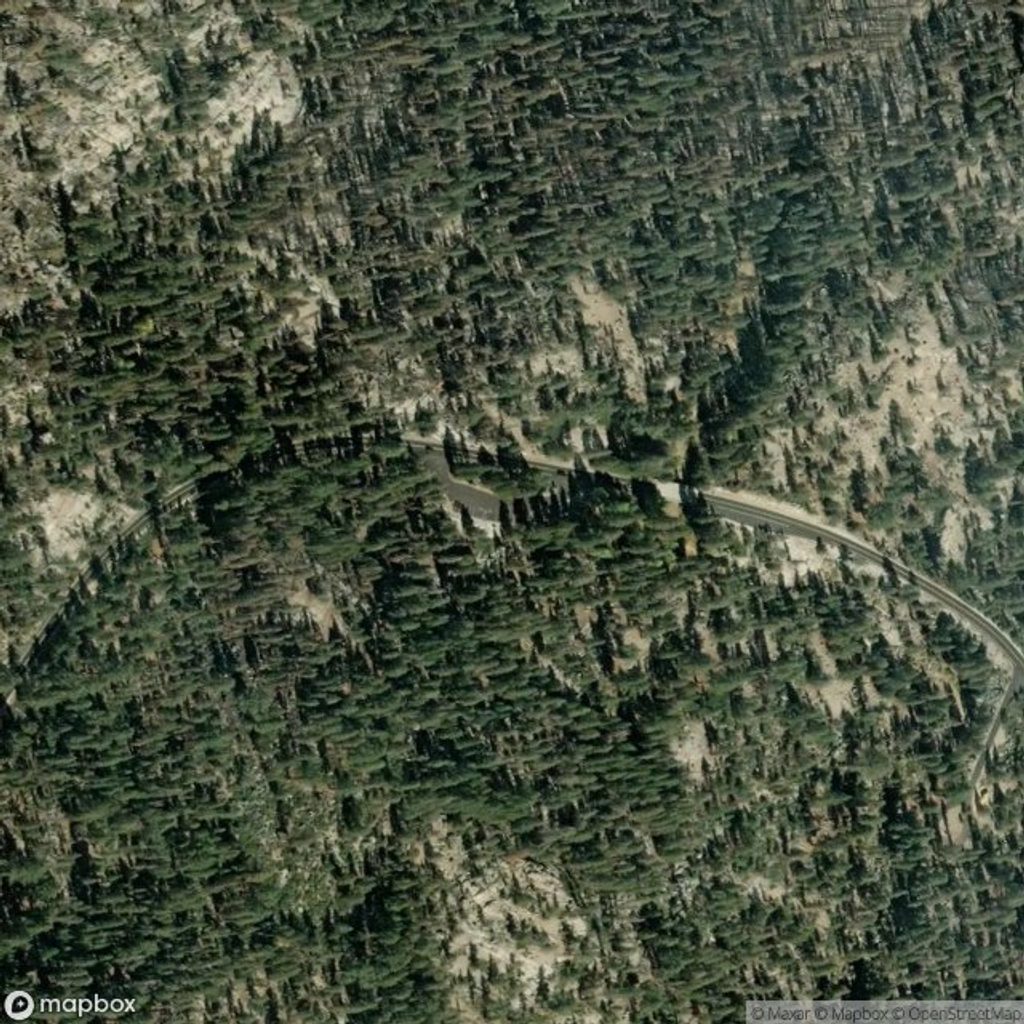
Challenging · 11.6 mi away
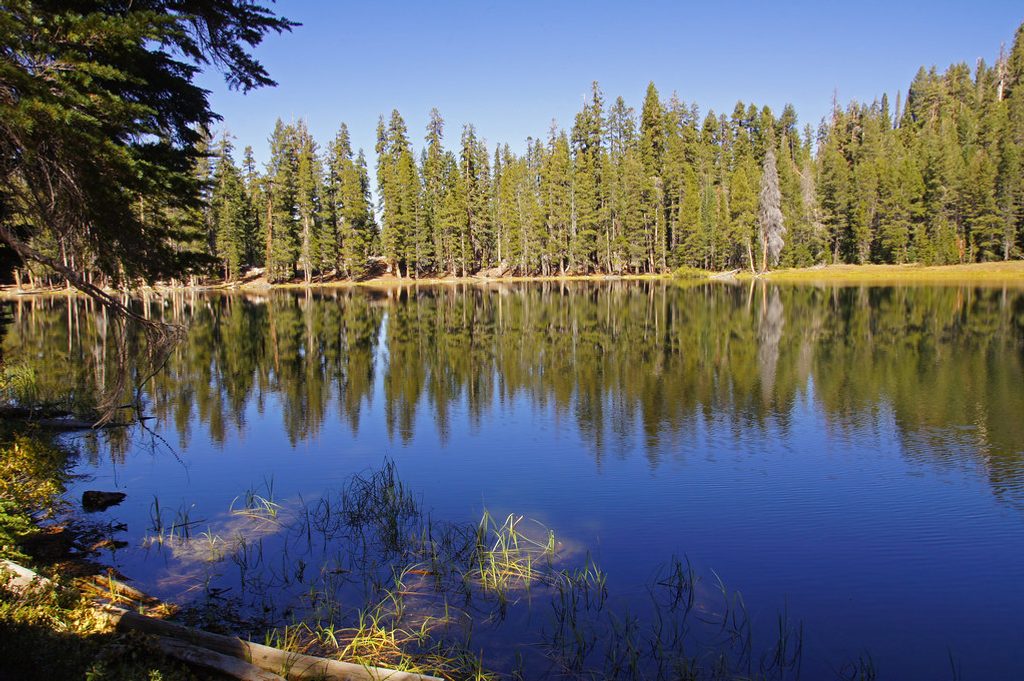
Easy · 11.9 mi away
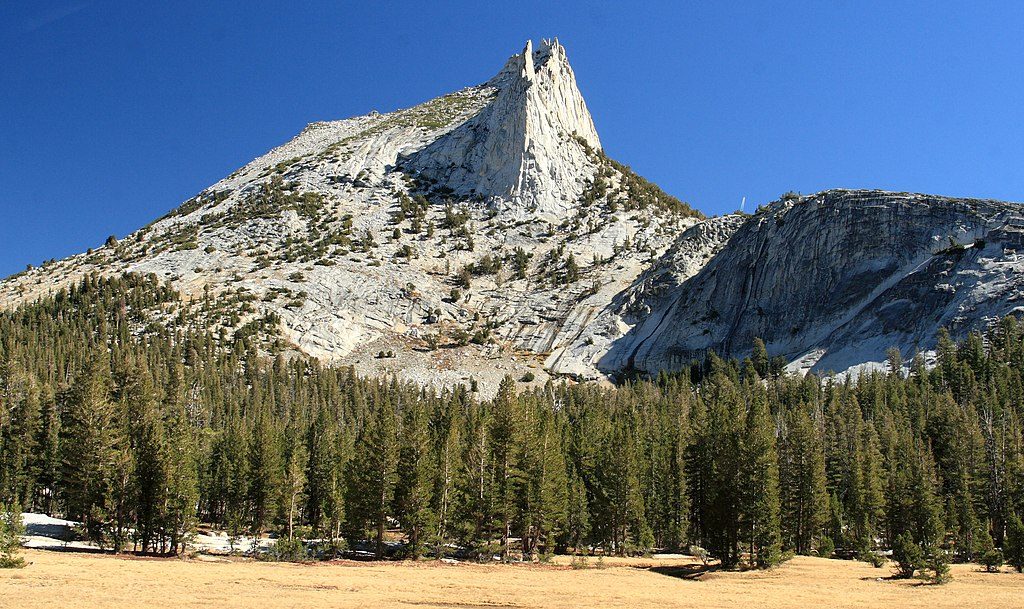
Challenging · 12.7 mi away
Moderate · 12.7 mi away

Parkwolf Tour Guide
