Waterwheel Falls

Rare waterfall where the river shoots skyward in granite canyon
Waterwheel Falls, Yosemite National Park
InsideYosemite National Park

Overview

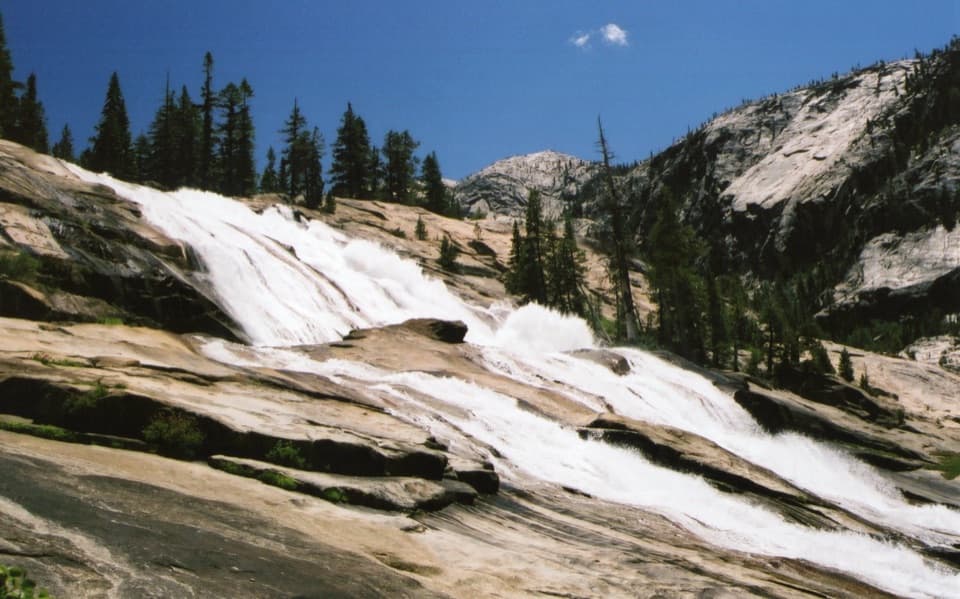
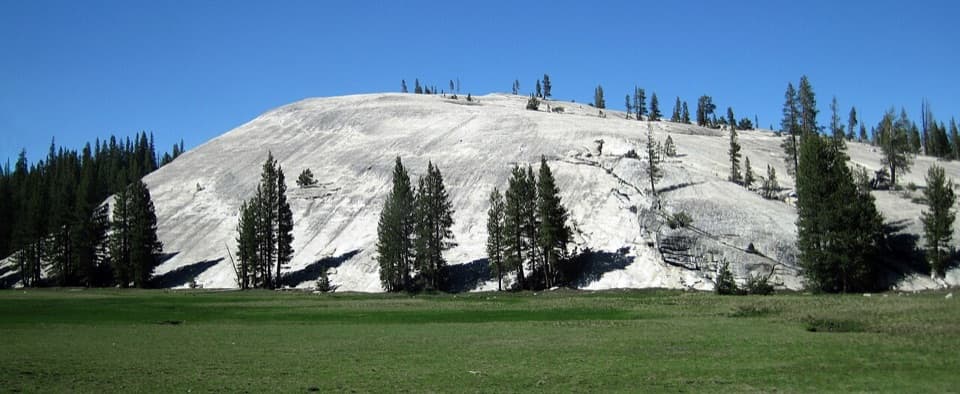
Waterwheel Falls is the star of the Tuolumne River’s high-country show, where fast water slams into bedrock potholes and blasts skyward in geyser-like plumes. It’s a rare, head-turning effect you don’t see at other Yosemite falls, set inside the granite drama of the Grand Canyon of the Tuolumne.

The Hike and What You’ll See

Most day hikers start at the Lembert Dome/Glen Aulin trailhead in Tuolumne Meadows and follow the Tuolumne River downstream. You’ll pass a greatest-hits lineup—Tuolumne Falls, White Cascade (Glen Aulin), California Falls, and LeConte Falls—before reaching Waterwheel Falls shortly beyond LeConte. Expect a “reverse” profile: mostly downhill outbound, then a sustained uphill return. Common turnarounds make this roughly 17–18 miles round trip, or about 22 miles if you continue to Return Creek.

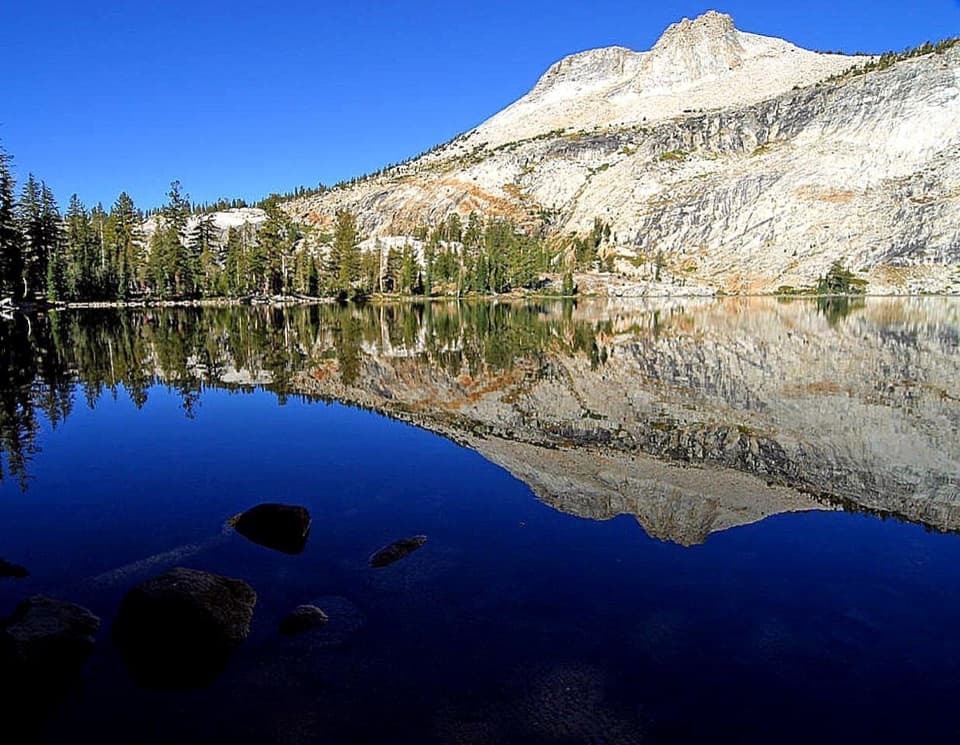
Along the way, the river alternates between calm meanders and thundering cascades with constant granite vistas. In late summer, the pool below White Cascade is a popular, calm swimming hole; earlier in the season, the river is powerful and cold.

Best Time to Visit

Peak waterwheel action usually lines up with snowmelt, typically late spring into early summer. Early season can mean flooded tread and tricky creek areas; later summer brings lower flows (better for getting close views) but smaller “wheels.” Start at first light for cooler temps, more time, and a buffer for the climb out.

Logistics and Permits

  • Trailhead parking is at Lembert Dome; the Glen Aulin/WATERWHEEL trailhead uses vault toilets (no drinking water at the toilets). Toilets are also available at Glen Aulin.
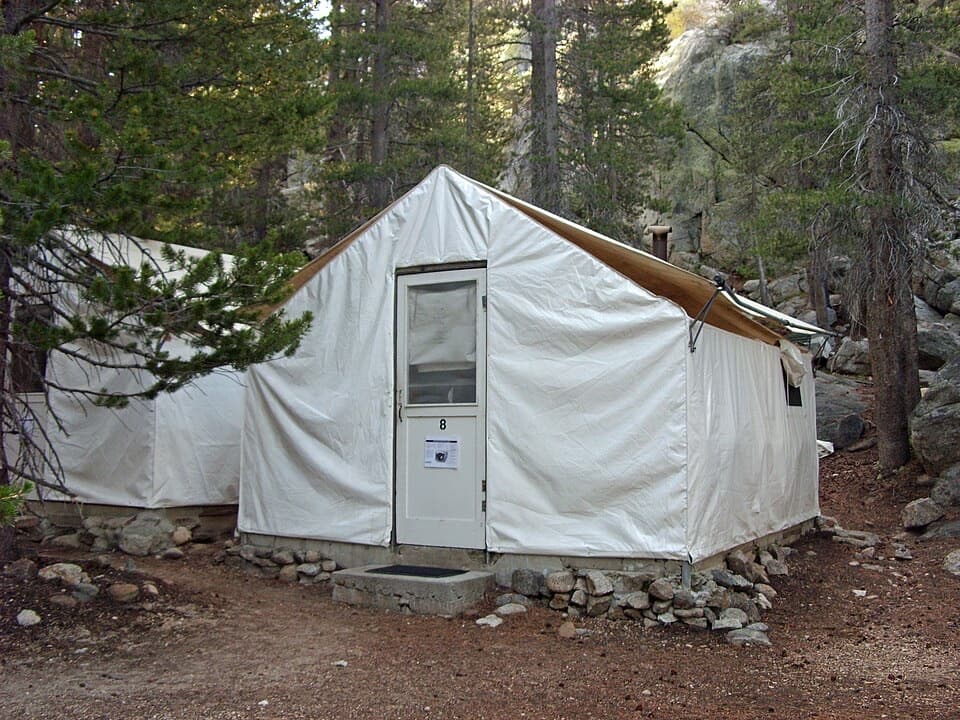
  • Day hikes require no wilderness permit. Overnight trips require a Yosemite wilderness permit and proper food storage (bear canister). Backpackers can use designated backpacker campgrounds before/after the trip.
  • Seasonal buses on Tioga Road (when operating) can help with logistics; always re-check current road, shuttle, and wilderness conditions on the park’s site before you go.

Safety and Trail Tips

This hike is tougher than it looks because the hard part comes late. Bring ample calories, electrolytes, and layers; plan 7–11 hours depending on pace and turnaround. Stay well back from swift water and the edges of cascades, especially in early season. Wet granite is slick—trekking poles help. Water is abundant to filter, but treat everything you drink.

Photography

For the classic “waterwheel” look, aim for higher flows in late spring/early summer and work different angles just downstream of the main chutes. On warm afternoons, rainbows can appear in the mist when the light lines up.

Pros

  • Unusual “waterwheel” jets where the river shoots skyward
  • Scenic chain of waterfalls along a granite river canyon

Cons

  • Long, strenuous outing with a sustained climb on the return
  • Early season high water and slick granite can be hazardous

Tips

  • Start at first light and pace for a long, reverse-profile day.
  • Head straight to Waterwheel first, then savor the other falls on the climb back.
  • Carry a filter and treat river water instead of hauling it all.
  • Trekking poles help on steep, slick granite sections.
  • Continuing to Return Creek makes it roughly a 22-mile day; plan time accordingly.
The Parkwolf tour guide sitting on a phone mounted in a car

Parkwolf Tour Guide

Like a tour guide in your car.

Save the places you found around Yosemite, then let Parkwolf guide the drive between them.Download Parkwolf on the App Store