Overview
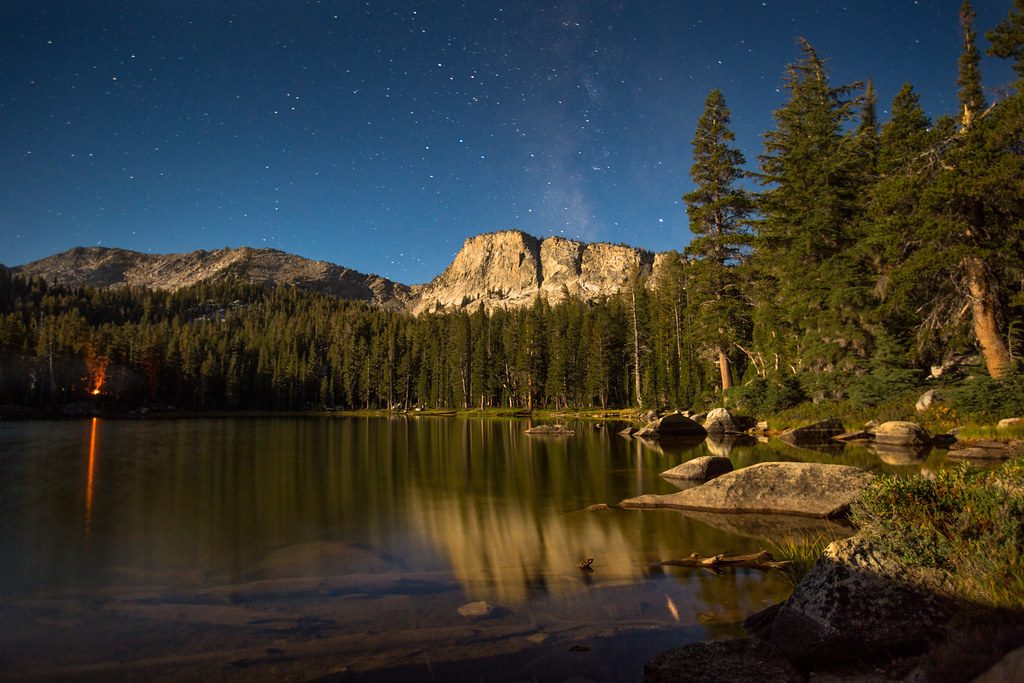
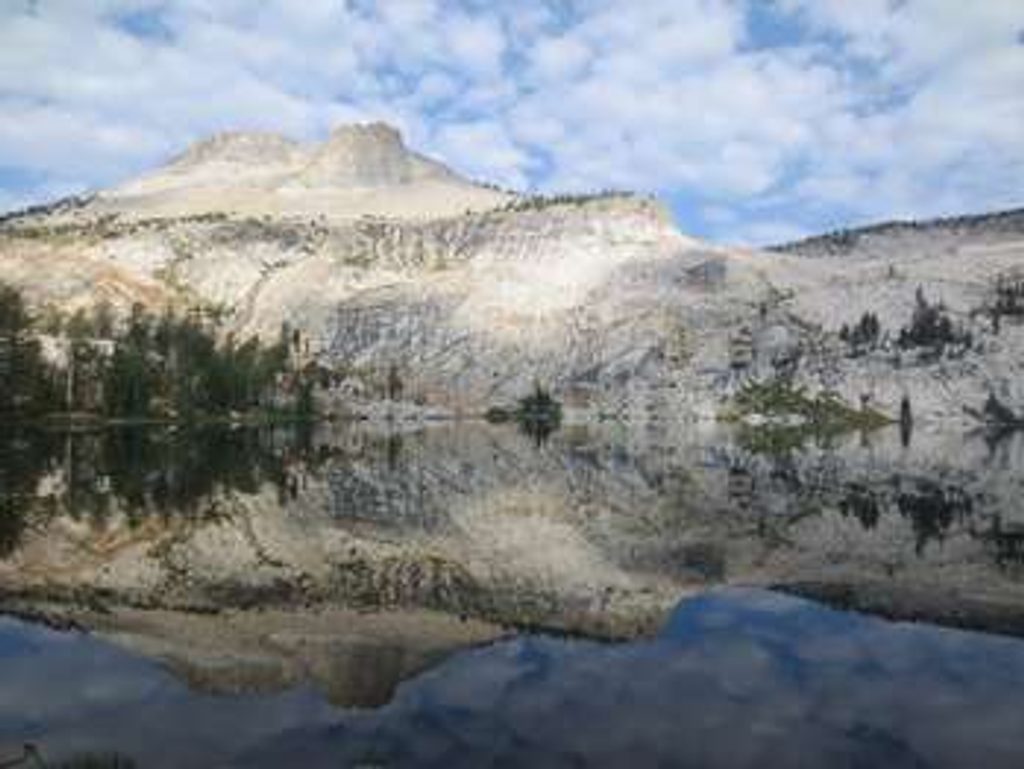
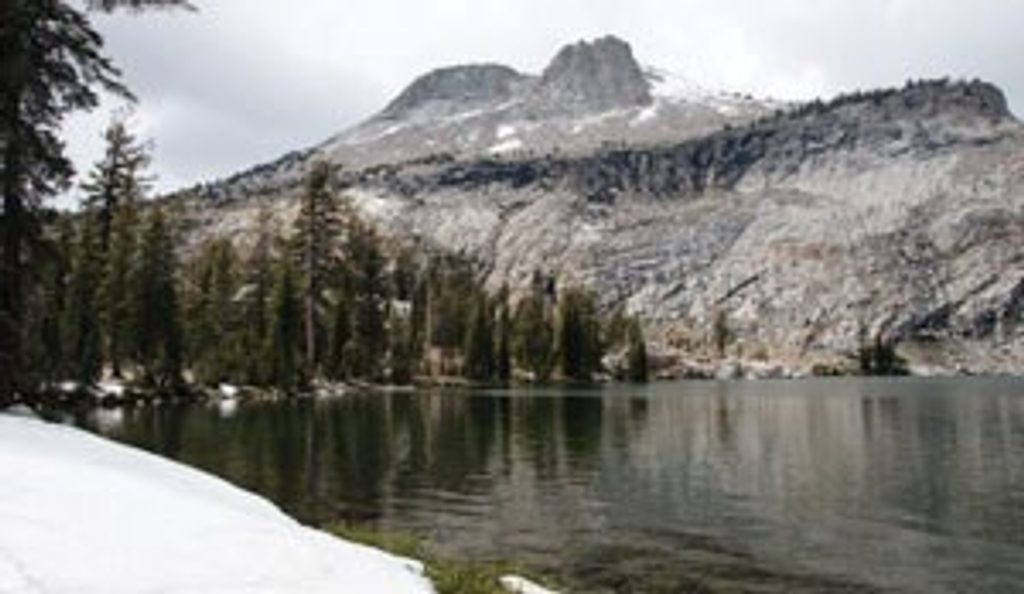
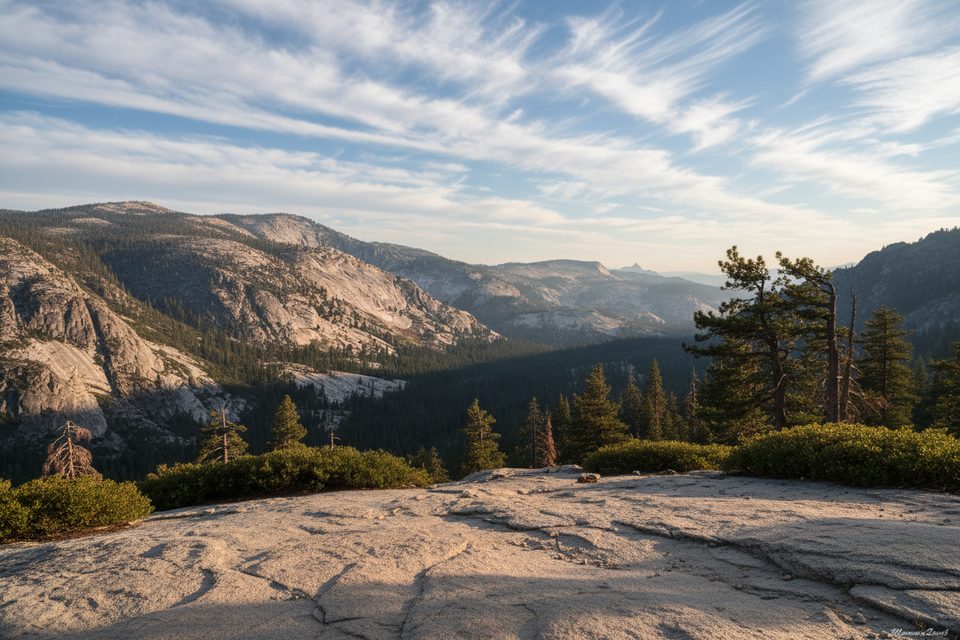
Ten Lakes is a classic high-country basin of sparkling alpine lakes tucked beyond Ten Lakes Pass. John Muir called it “a glacier basin with ten glassy lakes set all near together like eggs in a nest,” and that’s still the vibe: granite, meadows, and big skies. It’s a longer, earn-your-reward kind of outing—best for strong day hikers and backpackers who want a quieter slice of the high Sierra.
What You’ll See
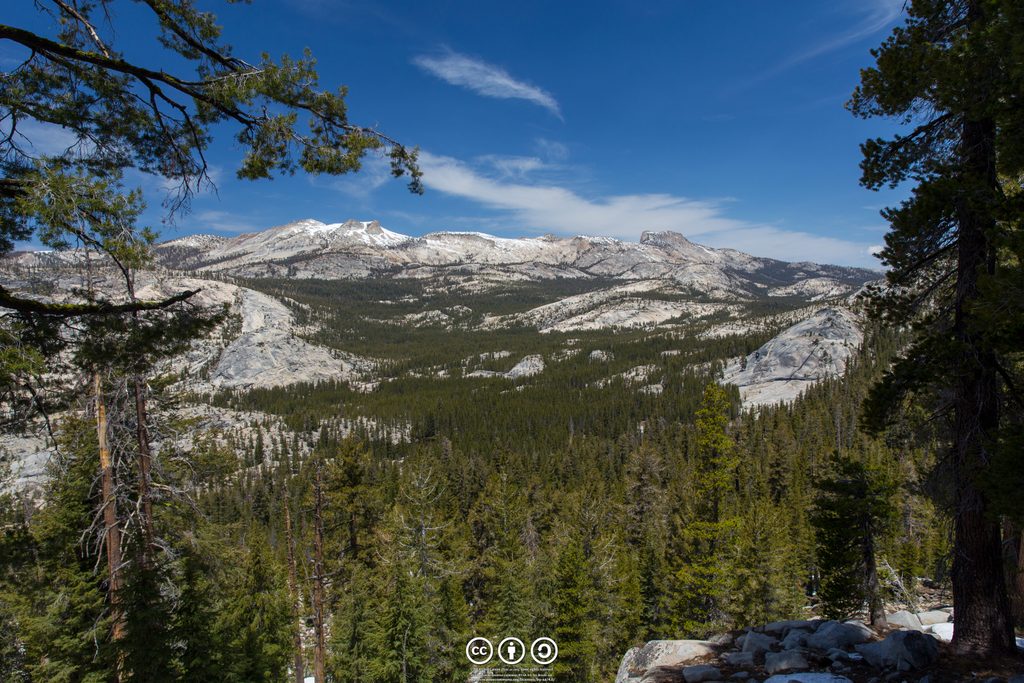
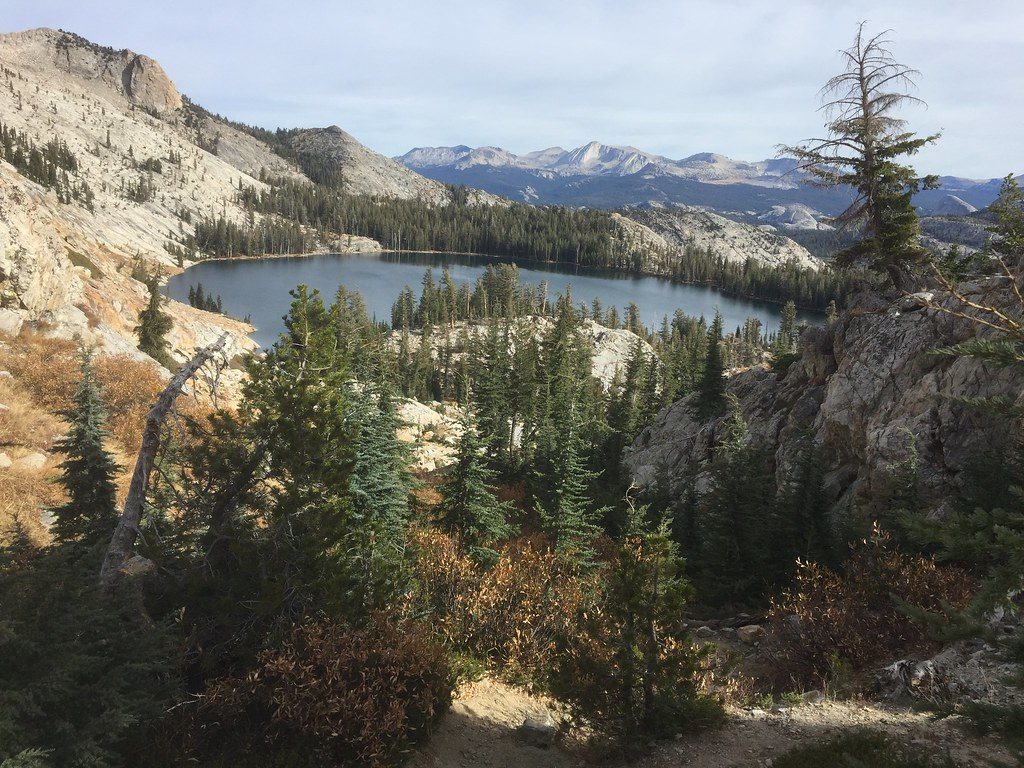
Expect expansive views to the Sierra Crest and across the Grand Canyon of the Tuolumne from Ten Lakes Pass, then a descent into a lake-studded basin with wildflowers in season and plentiful water. You can spot multiple lakes from the pass, and once in the basin, you’ve got options to wander, cast a line, or take a brisk dunk if you don’t mind cold water.
Getting There & Route Notes
- Trail starts on Tioga Road and climbs steadily through forest. About a mile in, you’ll cross a broad granite slab—follow cairns and try not to navigate this section in the dark.
- Before the steeper push, the trail skirts a large meadow, then switchbacks up to Ten Lakes Pass (the crux). From the pass, continue north to descend roughly 700 feet into the basin.
- A spur near the pass leads about a mile to the Grant Lakes, if you want to add variety.
- Typical day-hike stats hover around 12–13 miles round trip with roughly 2,700 feet of gain; it’s strenuous mainly for the distance and steep sections.
Season & Conditions
- Best when Tioga Road is open—roughly June through November—but snow can linger early and late.
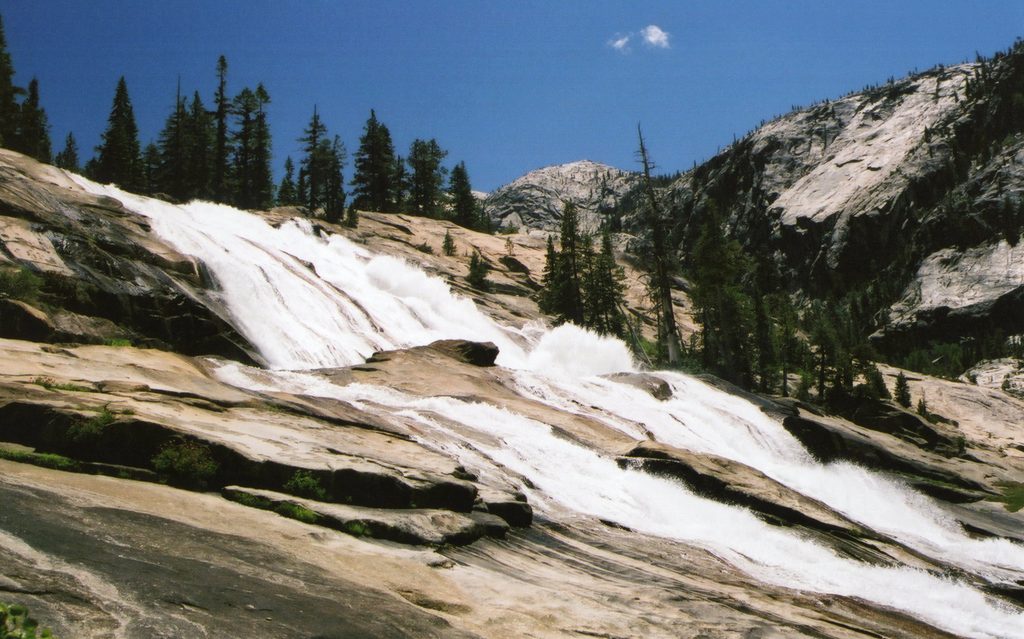
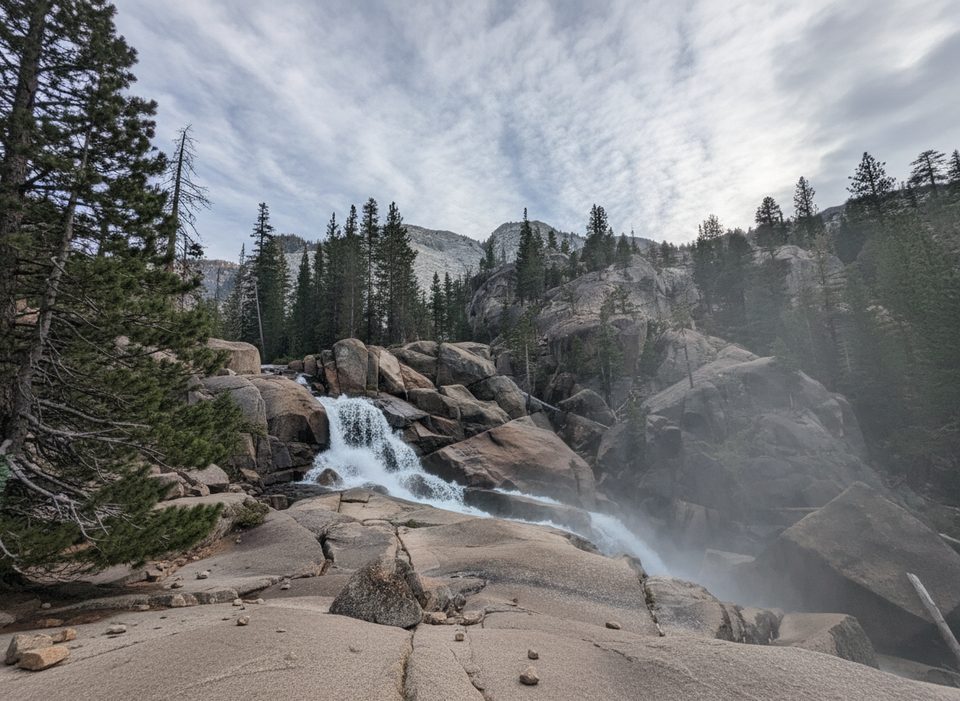
- Early season brings higher stream flows at a Yosemite Creek tributary; use caution.
- Mosquitoes can be fierce in early summer. Bring repellent and a head net if you’re sensitive.
- There’s no potable water at the trailhead. Plan to carry enough to start and treat all natural sources in the basin.
Permits & Regulations
- Day hikes: no wilderness permit required.
- Overnights: wilderness permit required. Reservations release in two waves (a large batch about 24 weeks out and a close-in release); there’s a small reservation fee plus a per-person fee, and permits are picked up in-park. Bear-resistant food storage is mandatory.
- During peak entry hours (typically 6 am–2 pm), a wilderness permit serves as your entry reservation.
Wildlife & Food Storage
Black bears are active in this area. For overnight trips, carry and use a bear canister and keep a clean camp. At the trailhead, use provided food lockers and never leave scented items in vehicles.
Best Time to Visit
- Timing: Start early (pre-7 am) to make the pass before heat and winds kick up, and to have time to explore multiple lakes.
- Days: Weekdays see fewer hikers; parking can fill because many backpackers leave cars for multiple days.
- Photography: Morning light from Ten Lakes Pass is excellent for long views; late-day golden light down in the basin is lovely if you’re camping.
Tips for Making the Most of It
- Trekking poles help on the steep, rocky descent into the basin and on the return climb.
- Treat all water; don’t rely on late-season creeks outside the basin.
- If you’re heading out early season, bring sandals or a plan for a safe creek crossing.
- Budget extra time for the granite slab section so you’re not route-finding by headlamp.
- For backpackers, consider a head net and long sleeves if visiting in peak mosquito season.