
Place · 0.3 mi away
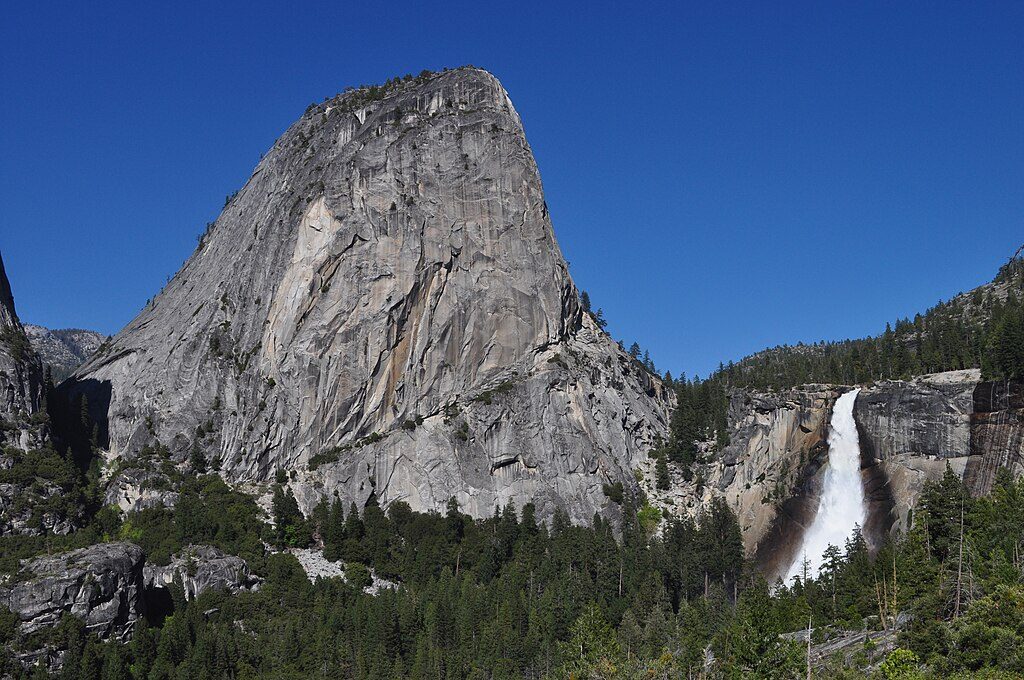
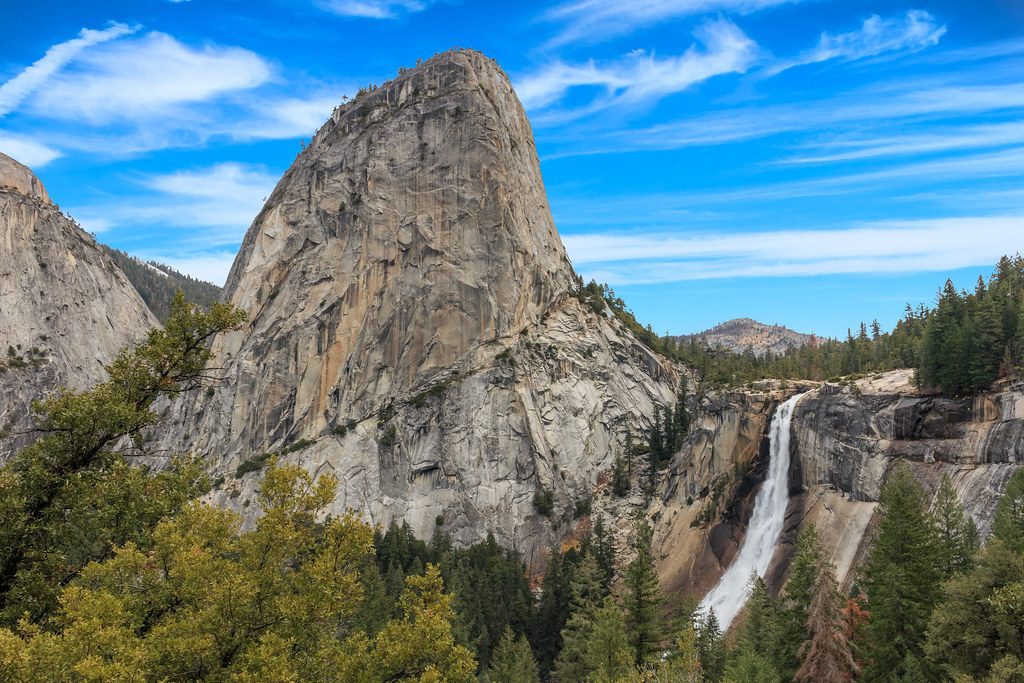
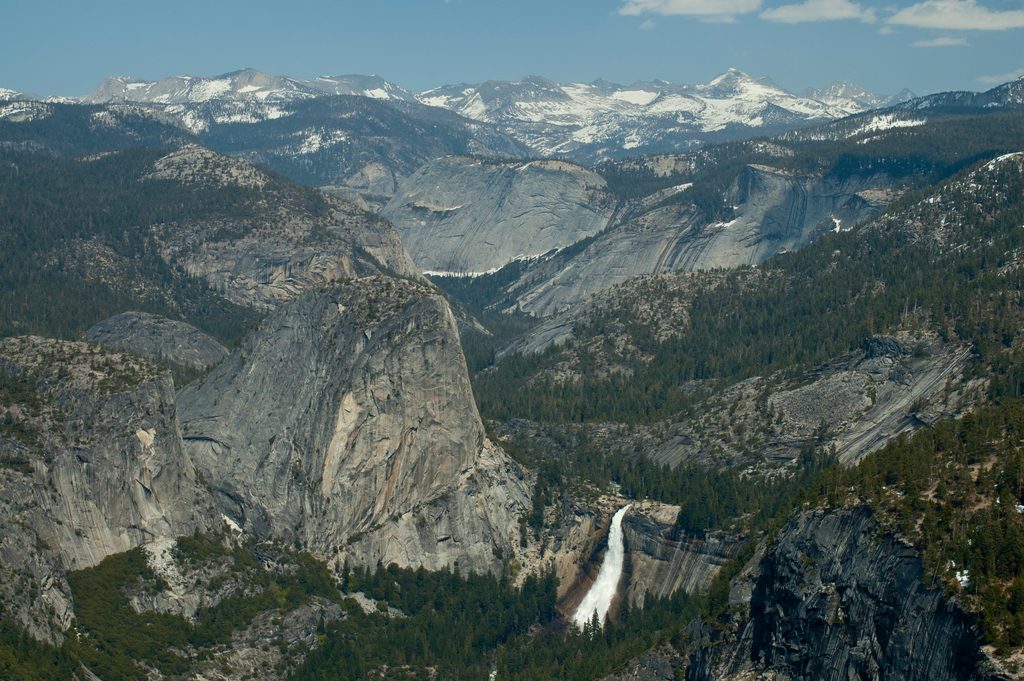
Liberty Cap is the granite dome that towers just north of Nevada Fall at the mouth of Little Yosemite Valley. If you’re hiking the Mist Trail or looping with the John Muir Trail (JMT), you pass right beneath its sheer walls—arguably the most dramatic perspective without needing any technical skills. Climbers may reach its 7,080‑foot summit, but for most hikers, the joy here is eye-level time with roaring waterfalls and this sculpted hunk of Sierra granite.
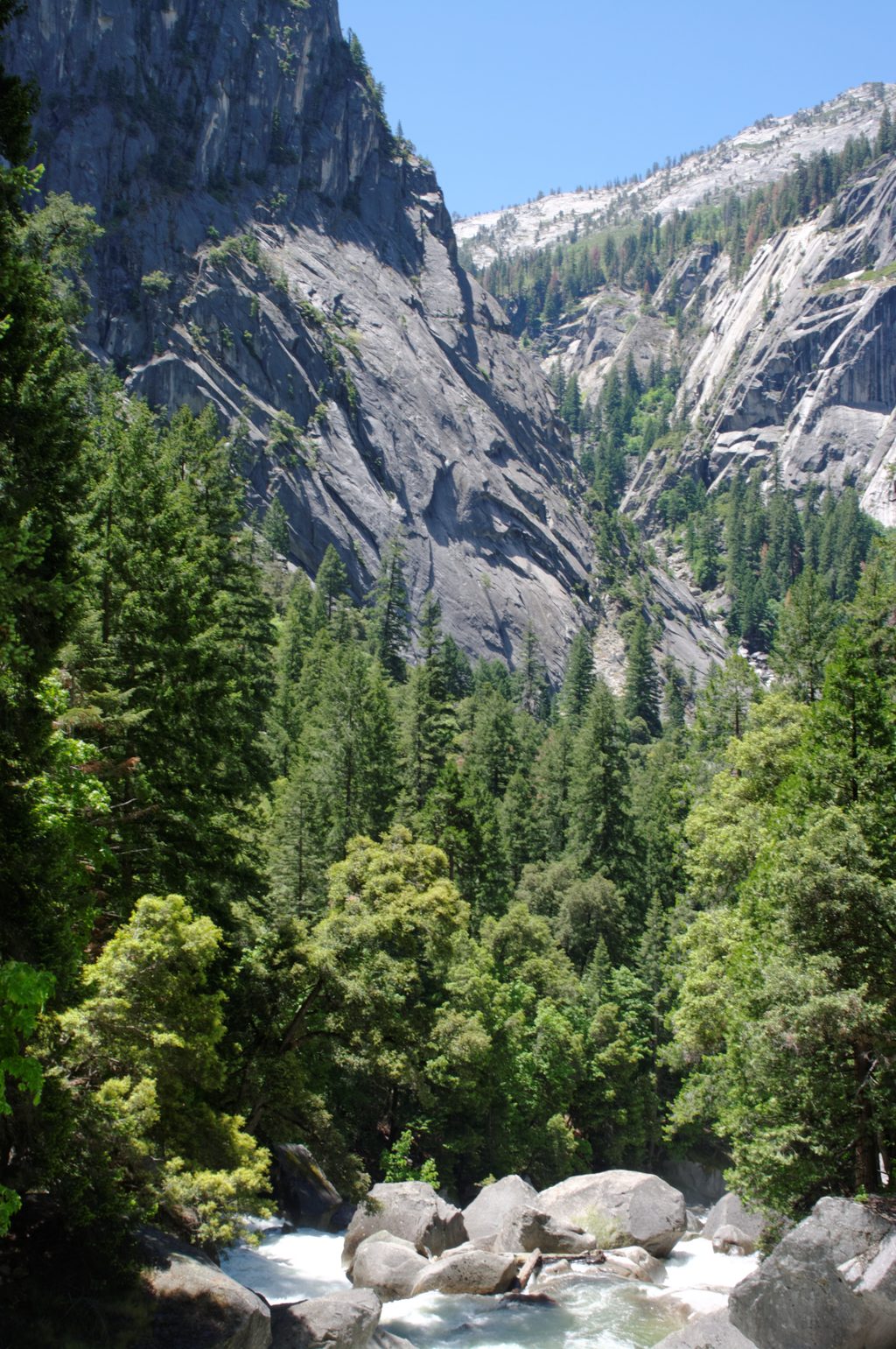
Liberty Cap’s bold, rounded form comes from the way Yosemite’s granite breaks: near‑vertical “master joints” create steep faces, while sheet-like fractures and exfoliation peel slabs to round the dome. Layer on the Ice Age story—glaciers bulldozed and polished the Merced Canyon into U‑shaped valleys and left hanging side valleys—and you get the setting for Nevada Fall’s clean brink and the deep gorge carved at Liberty Cap’s base where the rock is heavily fractured. It’s a natural classroom on joint‑controlled cliffs, waterfalls, and post‑glacial erosion.
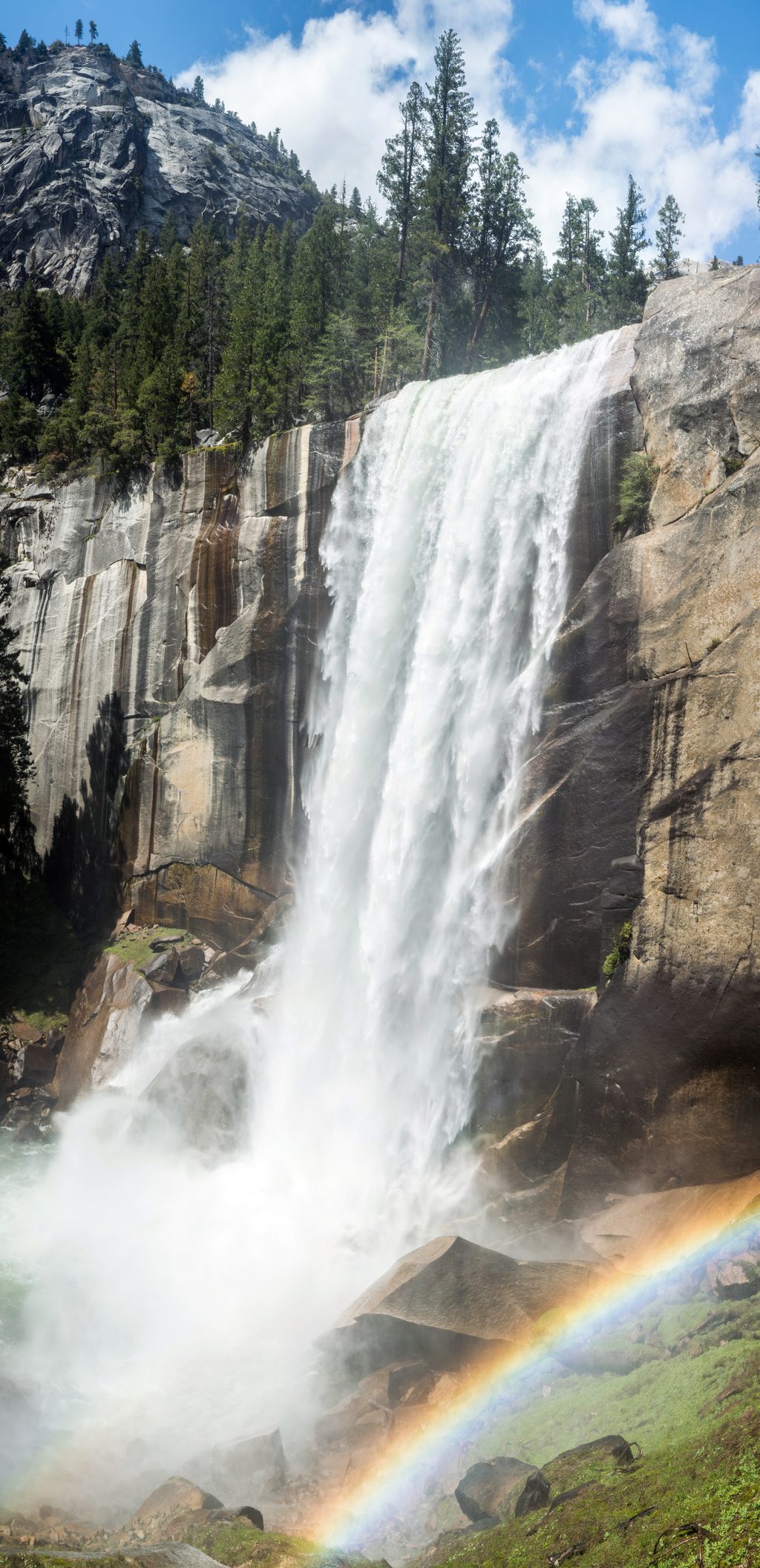
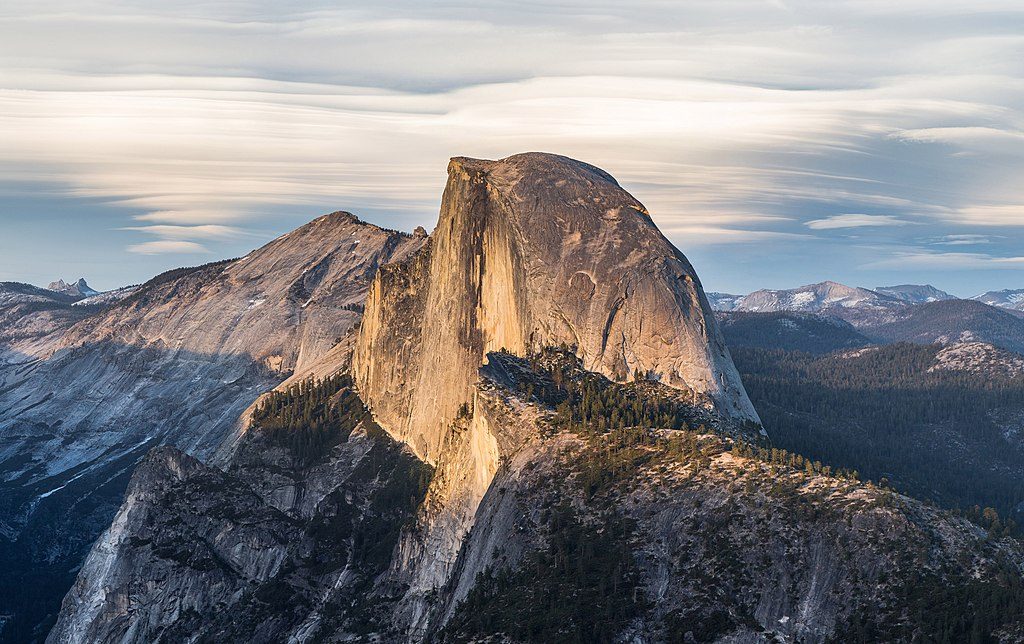
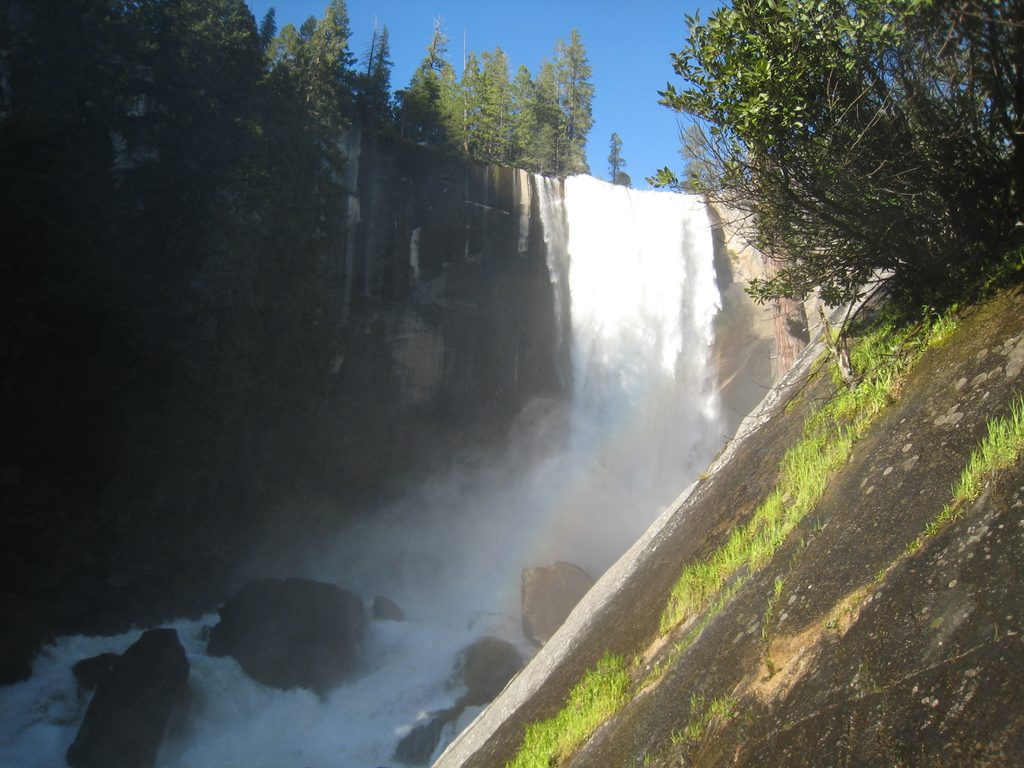
Start in Yosemite Valley at Happy Isles and head up the Mist Trail past Vernal Fall toward Nevada Fall. You’ll walk directly beneath Liberty Cap near the top of Nevada Fall. Many hikers descend via the JMT for broader, more photogenic views of Liberty Cap, Mount Broderick, and the shoulder of Half Dome. Expect sustained stone steps and a serious workout; the Mist section is frequently wet and slick in spring and early summer.
There’s no parking at Happy Isles—park at the signed Trailhead Parking just beyond Curry Village and walk or use the Valley shuttle when it’s operating. Drinking water is available near the trailhead shuttle stop and at the Vernal Fall Footbridge (seasonal). You’ll find restrooms near the trailhead, at the footbridge (seasonal), and vault toilets beyond Vernal and at the top of Nevada Fall. Trailhead areas have food lockers; plan food and supplies before you start, as there are no services at Liberty Cap itself.
The Mist Trail’s spray can make granite steps treacherous; the JMT descent is longer but drier and gentler. Stay well back from swift water and slick edges. There’s no maintained trail to Liberty Cap’s summit—reaching it requires off‑trail route‑finding and often technical scrambling/climbing. If you wander off established paths, expect brush and the possibility of rattlesnakes.
Late spring brings peak runoff for the waterfalls (and the most mist), while summer is hotter and busier. Start early to beat crowds and heat, and carry plenty of water. In winter and early spring, expect ice and periodic trail closures—check current NPS trail conditions before you go.
Along these trails, keep an eye out for birds and mammals common to the Valley. Off‑trail, especially in brushy, sun‑warmed areas, watch your step for rattlesnakes.
Place · 0.3 mi away
Place · 0.3 mi away
Place · 0.5 mi away
Place · 0.6 mi away
Challenging · 1.4 mi away
Challenging · 1.4 mi away
Challenging · 1.4 mi away
Challenging · 1.4 mi away

Parkwolf Tour Guide
