1 active Abel Tasman alert
- ClosureRoad resealing closures near Kaiteriteri, 29–30 OctoberExpect rolling closures on roads near Kaiteriteri from 6am to 8pm on Thursday 29 and Friday 30 October while crews reseal the roads.Official details
#1 of 37 sights in Abel Tasman
Sight · Abel Tasman National Park
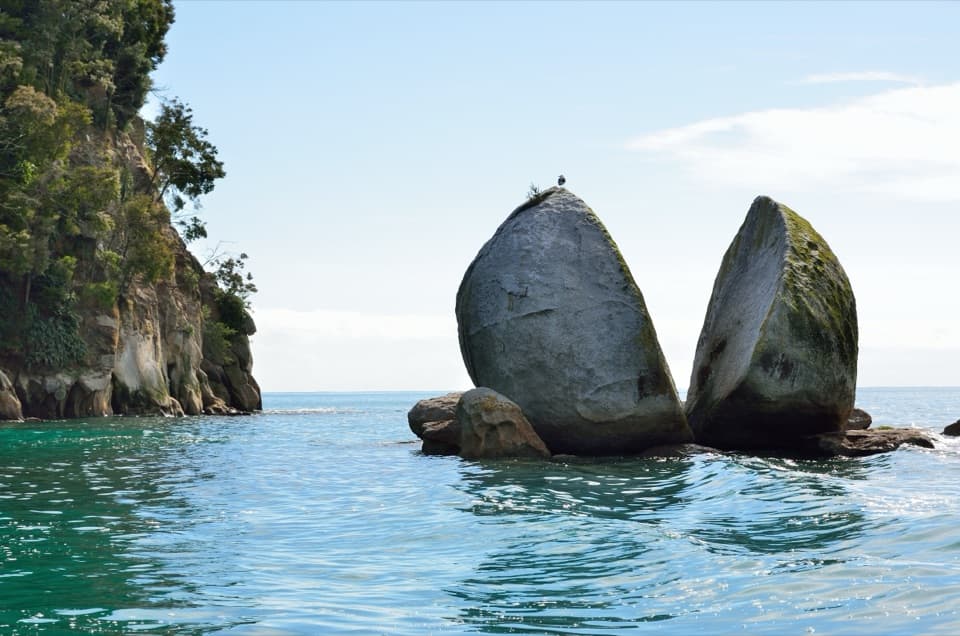
A split in the granite, reached by a short beach walk.
Overview
Map
Plan your stop
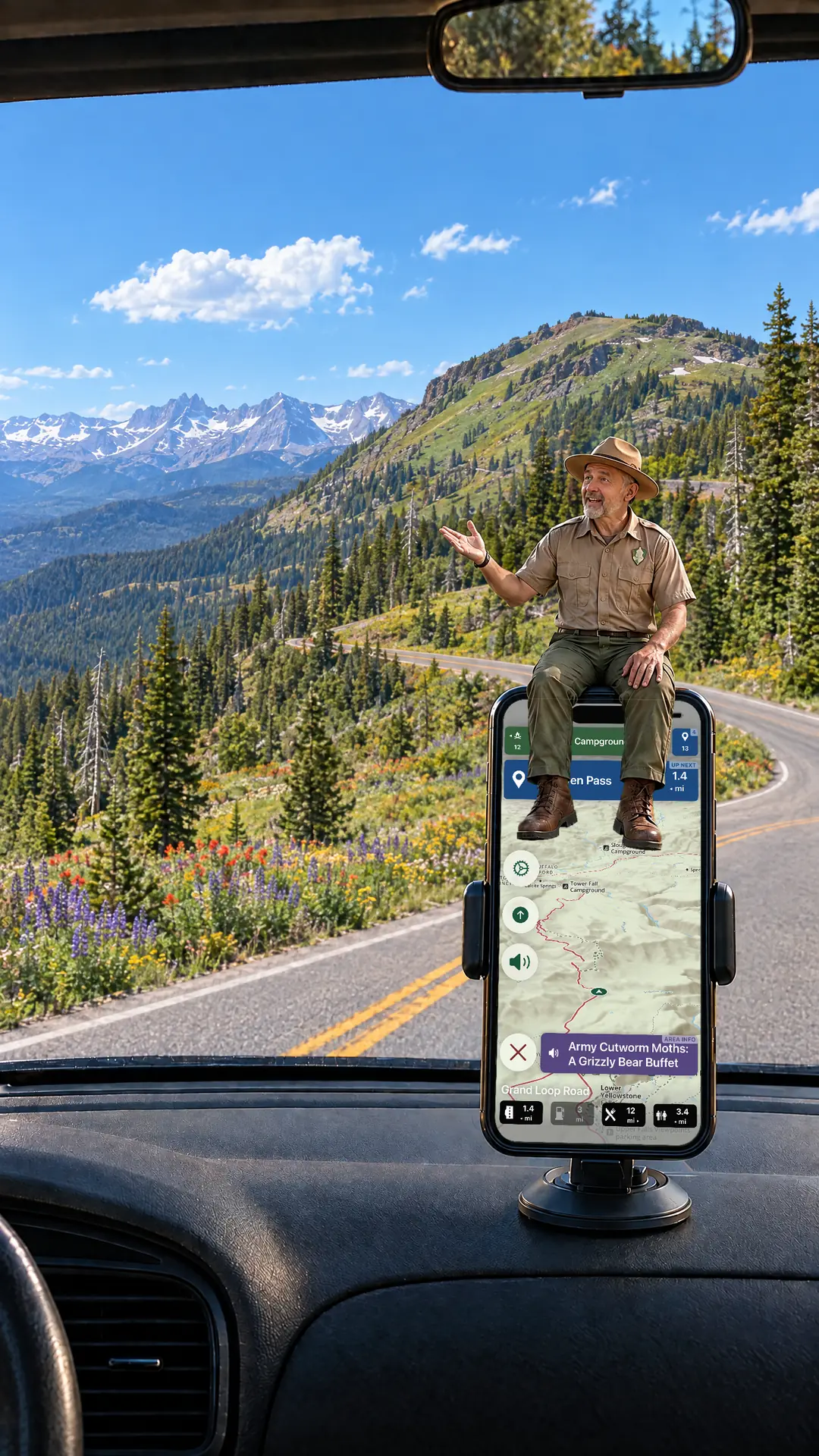
The highest, rockiest slopes around here are a summer buffet for grizzly bears.
Abel Tasman Tour Guide
Parkwolf is a GPS audio tour guide for Abel Tasman National Park. As you drive, it chimes in with what’s ahead: hidden gems, upcoming stops, history, geology, and wildlife, right through your car’s speakers.
Recorded for this area
Abel Tasman Centre“You're nearing the Abel Tasman Centre on Mārahau's waterfront. Stop here if you need trip bookings, check-in or provisions; it's a service hub rather than a sightseeing attraction.”
Plays on the road 1.7 km from Toka Ngawhā (Split Apple Rock) in the Parkwolf Abel Tasman Tour Guide.
More stories near here in the app
“Fantastic app with many points of information… It’s great to just turn on while you’re driving and it gives you an audio tour of the national Park. We love it!!!!”


Guide
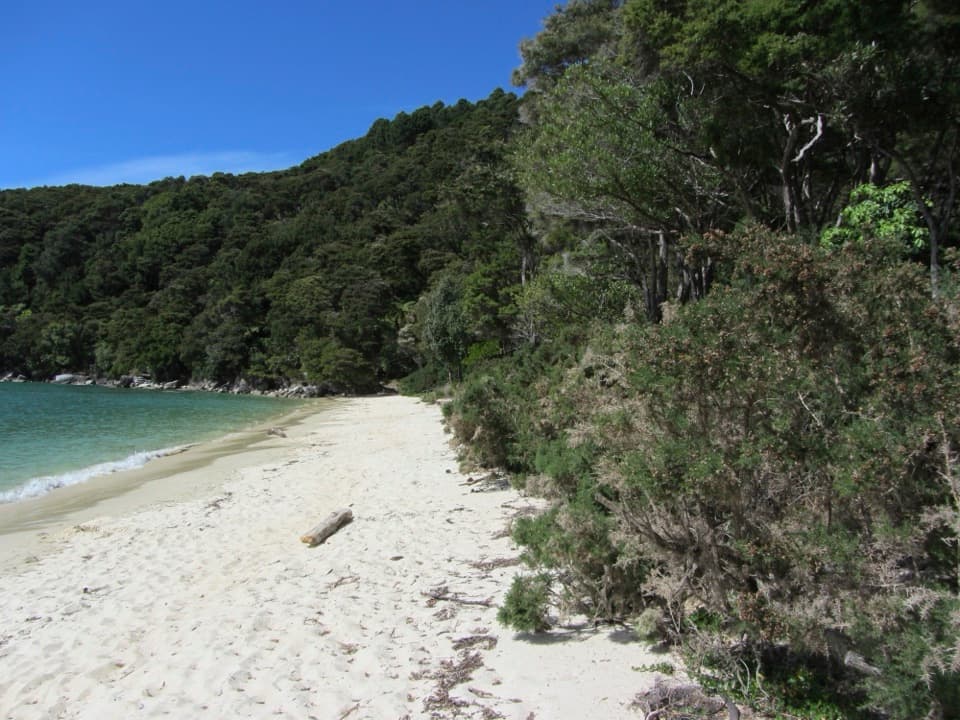
Toka Ngawhā (Split Apple Rock) is a large granite boulder split into two rounded halves, sitting in shallow water just off a small beach near Kaiteriteri. The unusual shape is the draw; the shore visit also gives you a bush-backed stretch of coast. It is a worthwhile stop if you want a close look at the landmark, while a boat or kayak gives you the water-level view.
From Moonraker Way, the walk to Towers Bay is about 750 m return, with steps and an uphill climb on the way back. It is short but not a smooth, level stroll, and one patch can be muddy. Allow time to find roadside parking around the road end, and leave the turning area clear.
Walk to the southern end of the beach for the clear view through the split; from the north end, one half hides it. Low tide exposes more of the rocky shore and can make a closer approach possible. As the water rises, the beach narrows and routes around the shore and caves can be cut off, so check tide times before planning to wander or swim.
For the classic photo, frame the two halves from the south end of the beach. Around mid-tide, the boulder can look as if it is floating apart from the shore.
Boat and water-taxi trips, guided waka journeys, and kayak outings from Kaiteriteri or Mārahau all offer a different view of the rock. A self-guided paddle is most manageable in calm conditions; the shore is still the simpler option if you want to spend time on the beach.
The rock is granite, but its exact splitting process and date are uncertain. Ice wedging is one explanation: water enters a crack, freezes, and pushes the rock apart. Treat that as a theory rather than a settled account of how or when the cleft formed.
Wildlife
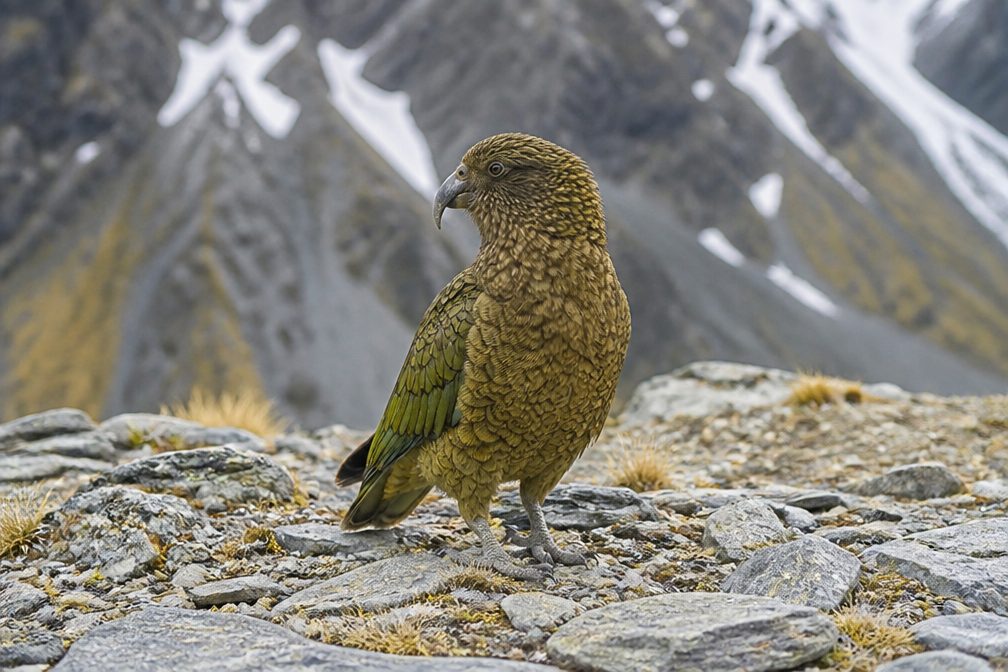 10 sightingsKeaMost seen around 10 AMSighting map
 54 sightingsNew Zealand Fur SealMost seen around 10 AMSighting map
 20 sightingsLittle PenguinMost seen around 9 PMSighting map
 21 sightingsSouth Island KākāMost seen around 5 PMSighting map
 527 sightingsWekaMost seen around 9 AMSighting map
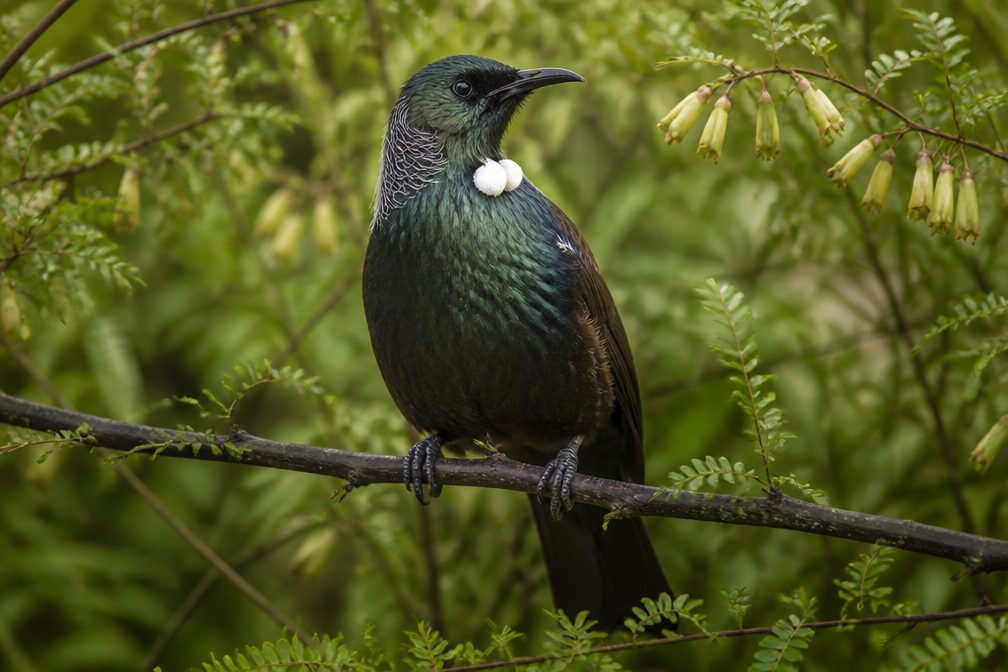 16 sightingsTūīMost seen around 7 AMSighting map
Sighting maps show where each species has been reported across Abel Tasman. Wildlife moves, so no sighting is guaranteed.
Keep exploring
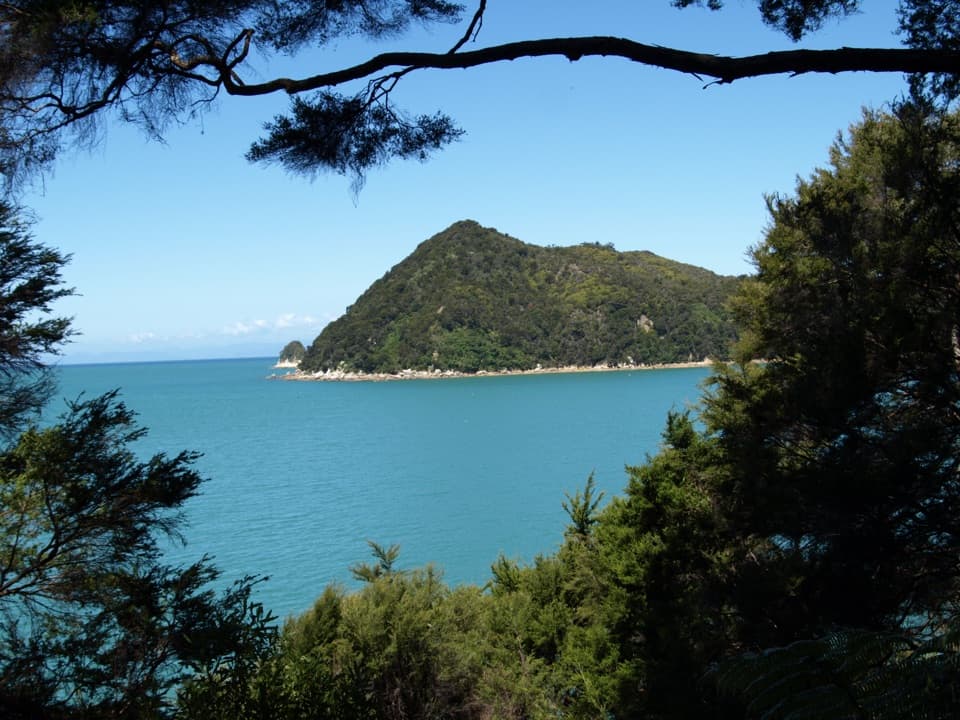 ModerateYellow Point via Abel Tasman Coast Track16.1 km · 5 hr · 2.7 km awayCoastal bays, forest, and island views on a long out-and-back.
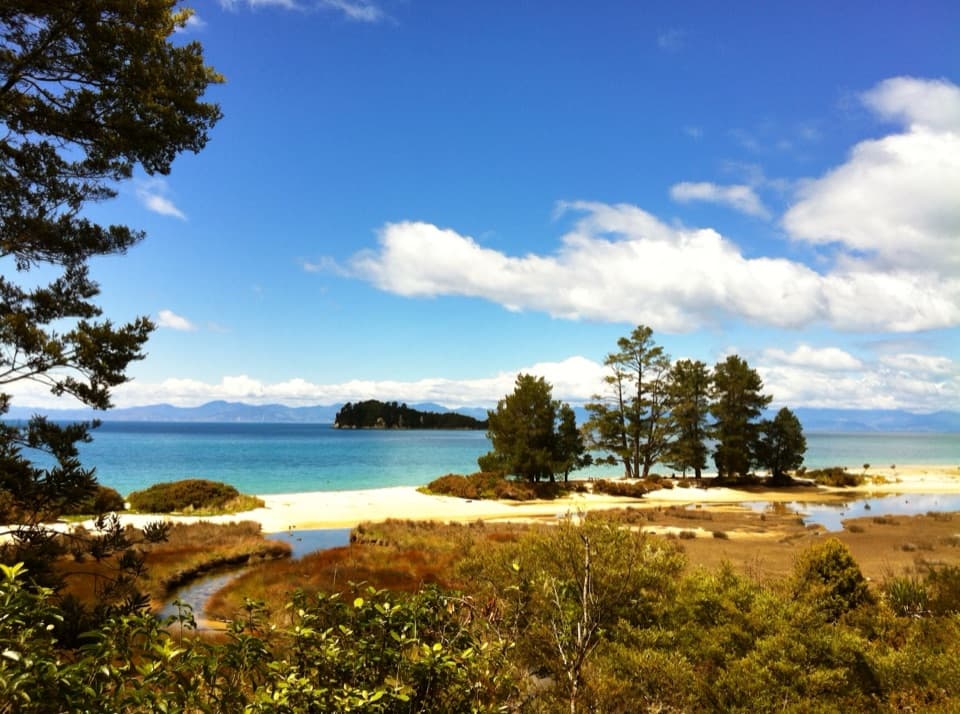 ModerateMārahau to Anchorage12.4 km · 4 hr · 2.8 km awayBeaches, island views, and a hut at the end.
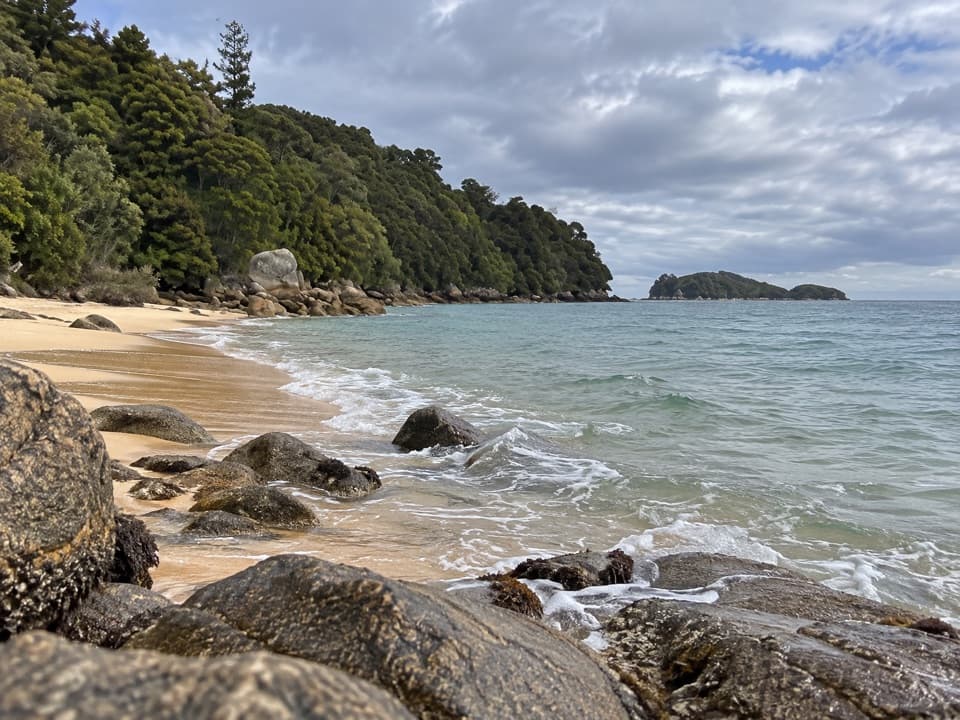 ModerateMārahau to Apple Tree Bay10.4 km · 3.5 hr · 2.8 km awayA Coast Track day walk to a sandy bay and island views
 ChallengingAbel Tasman Coast Track60 km · 20.1 hr · 2.8 km awayGolden beaches, forested headlands, and a tide crossing to plan around.
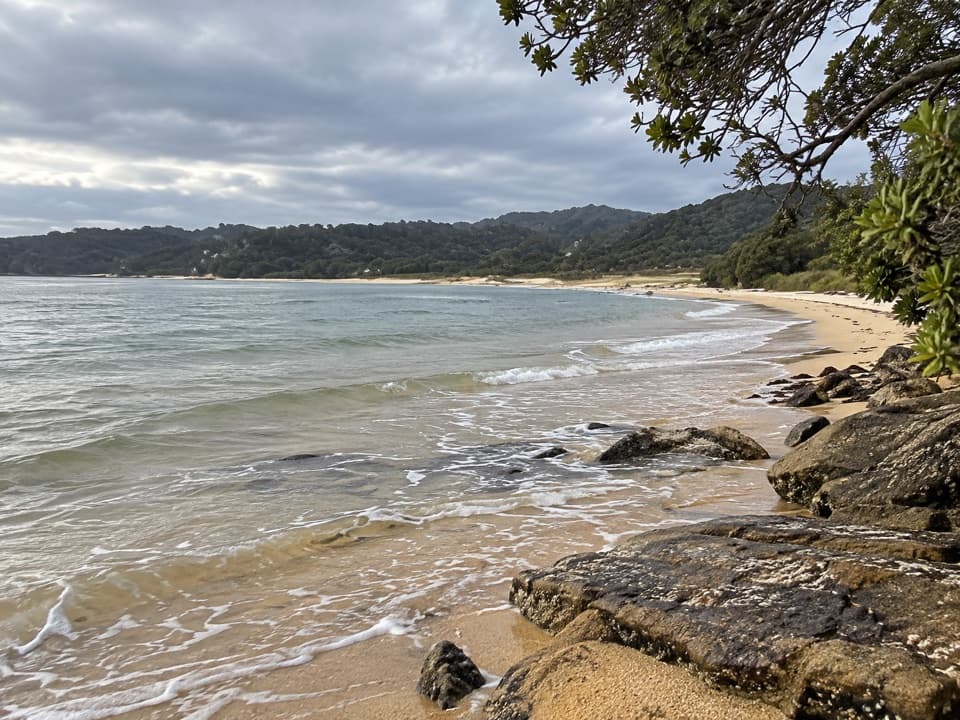 ModerateMārahau to Observation Beach18.3 km · 5.5 hr · 2.8 km awayA long Coast Track walk to a beach facing Adele Island.
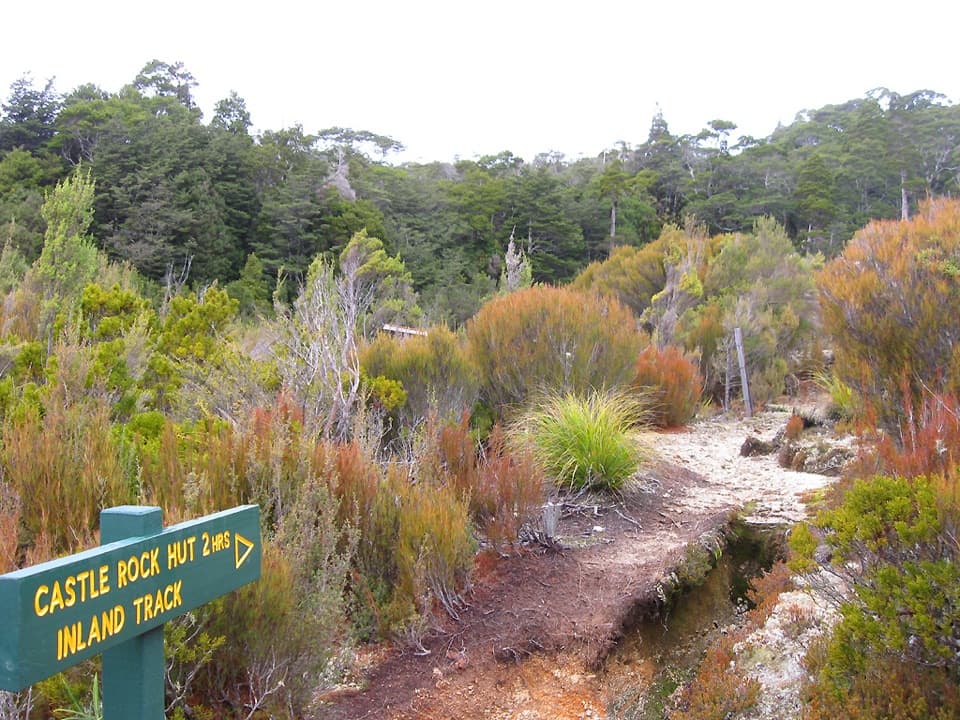 ChallengingAbel Tasman Inland Track41.1 km · 16.9 hr · 2.8 km awayA three-day forest tramp with tussock clearings and ridge views.
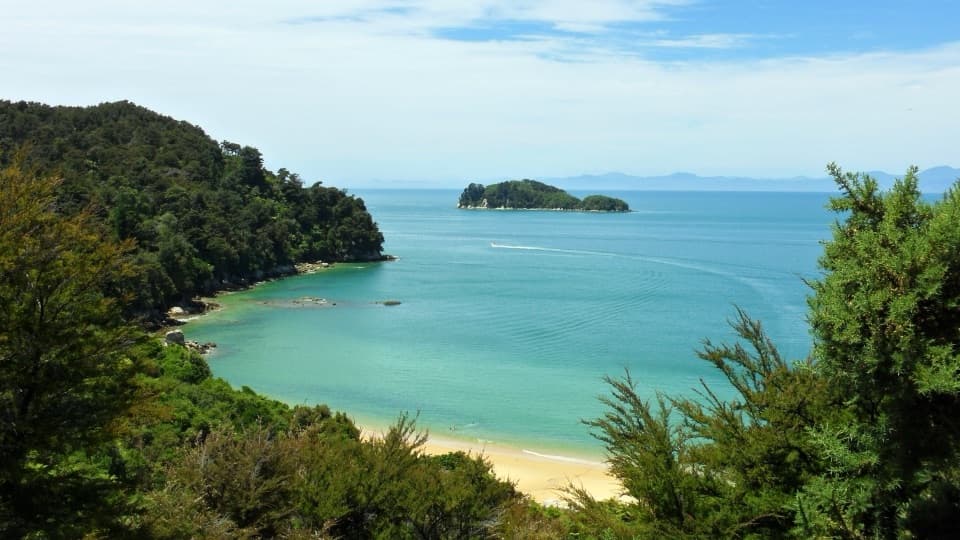 ChallengingAbel Tasman Southern Loop39.3 km · 11 hr · 2.8 km awayA coast-to-forest overnight loop to Castle Rock Hut.
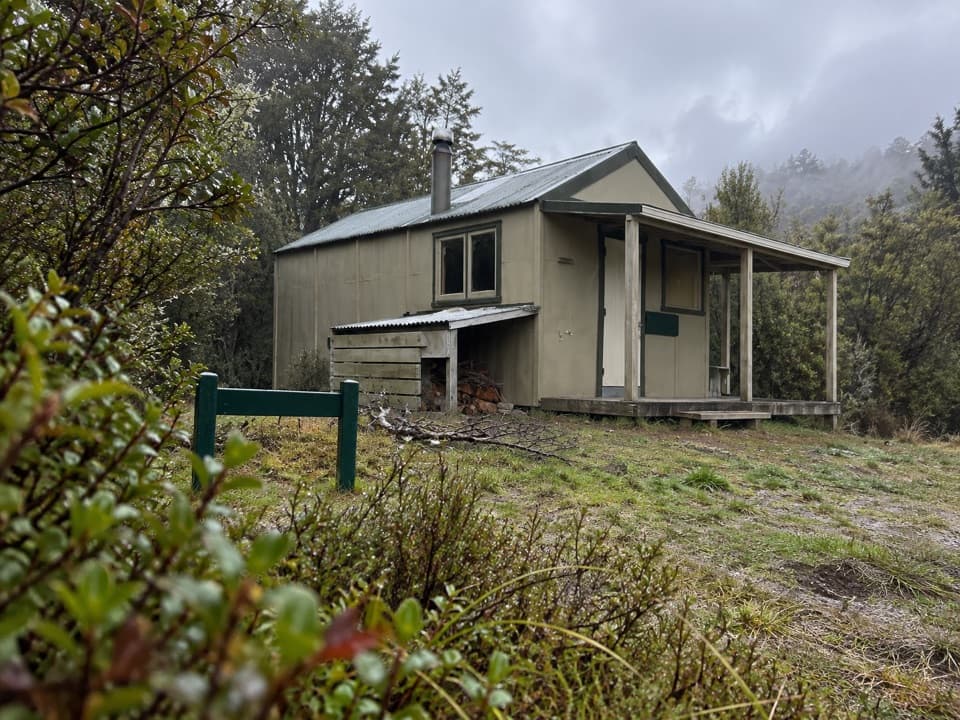 ChallengingMārahau to Castle Rock Hut15.1 km · 5.5 hr · 2.8 km awayA long climb to a hut above Tasman Bay.
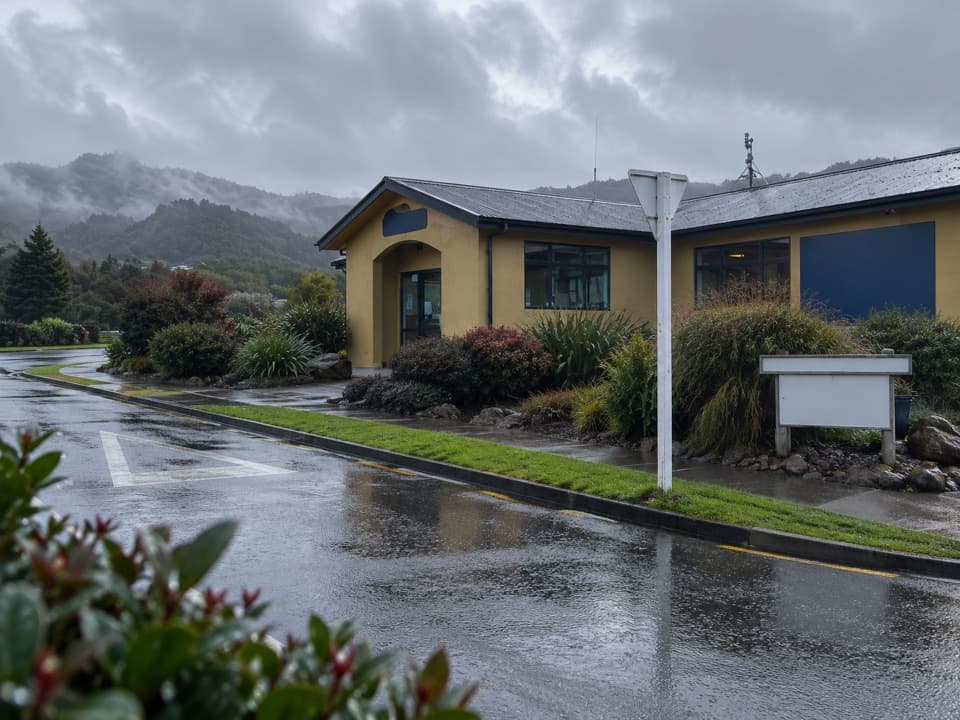 Visitor center · 1.7 km awayAbel Tasman CentreLine up park transport, trip check-in and supplies in one stop.
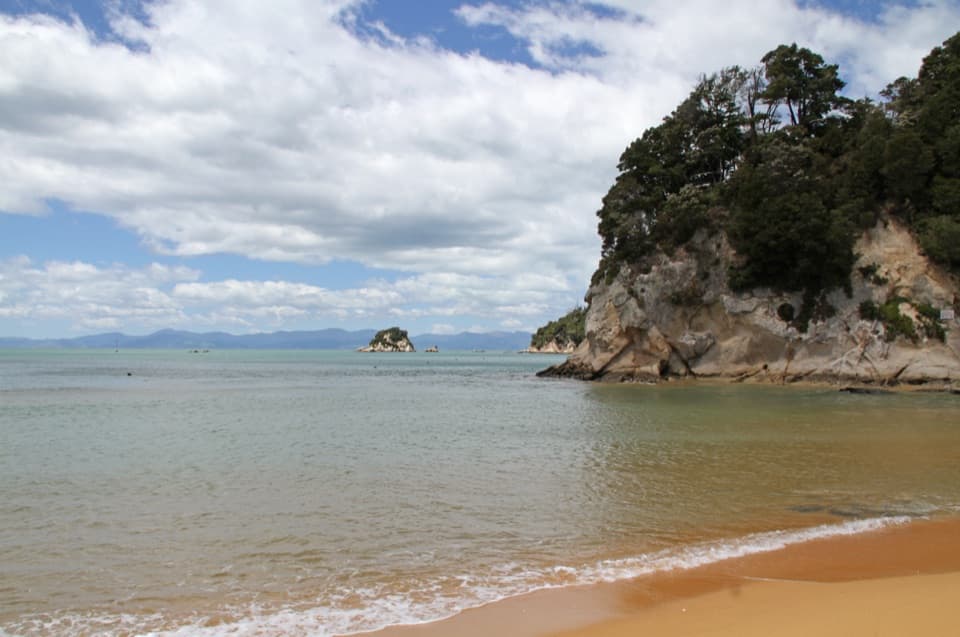 Beach · 2.1 km awayKaiteriteri BeachGolden sand and clear water at a lively beach-town gateway
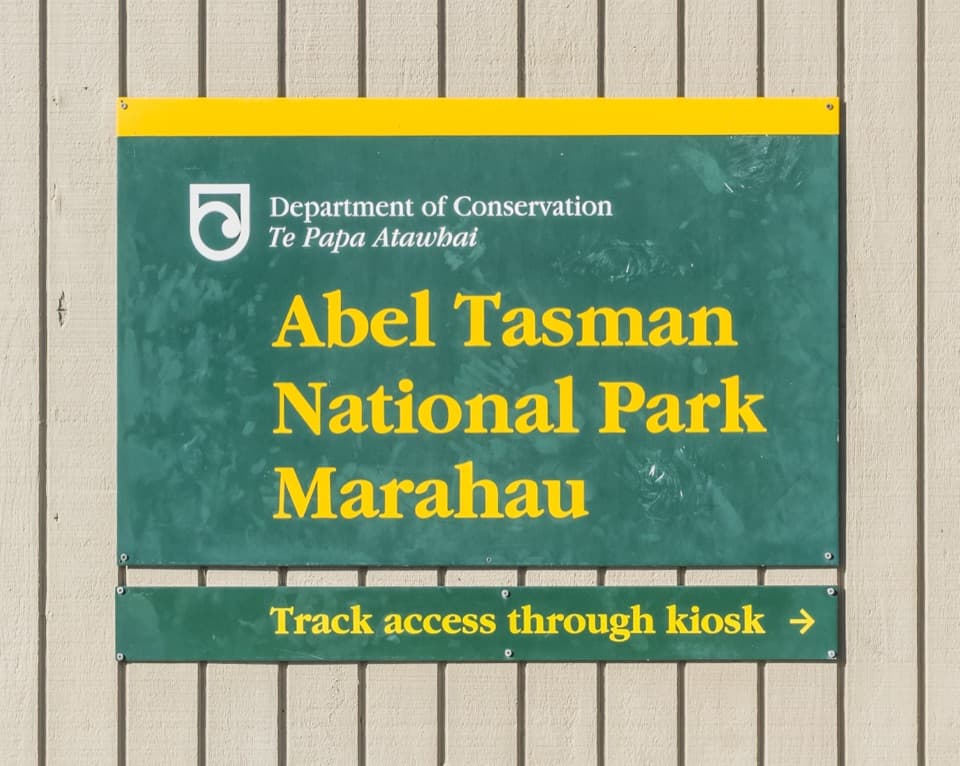 Sight · 2.7 km awayTe Waharoa (Mārahau Park Entrance)A carved gateway opens the Coast Track’s southern end.
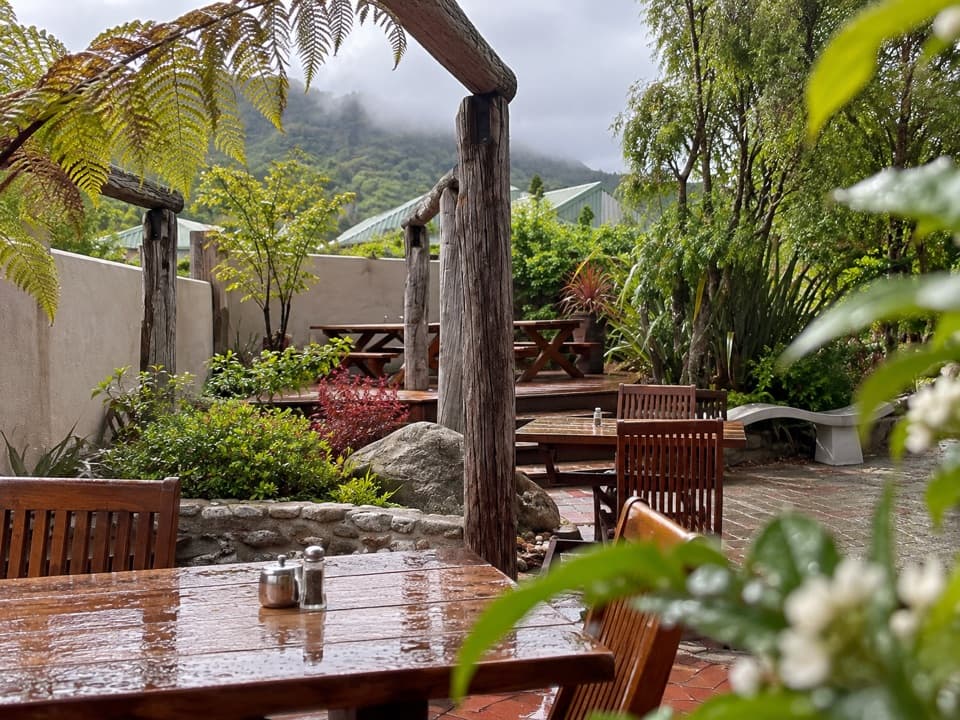 Restaurant · 2.8 km awayThe Park CafeWood-fired pizza at the Coast Track gateway, rooted in 1986.
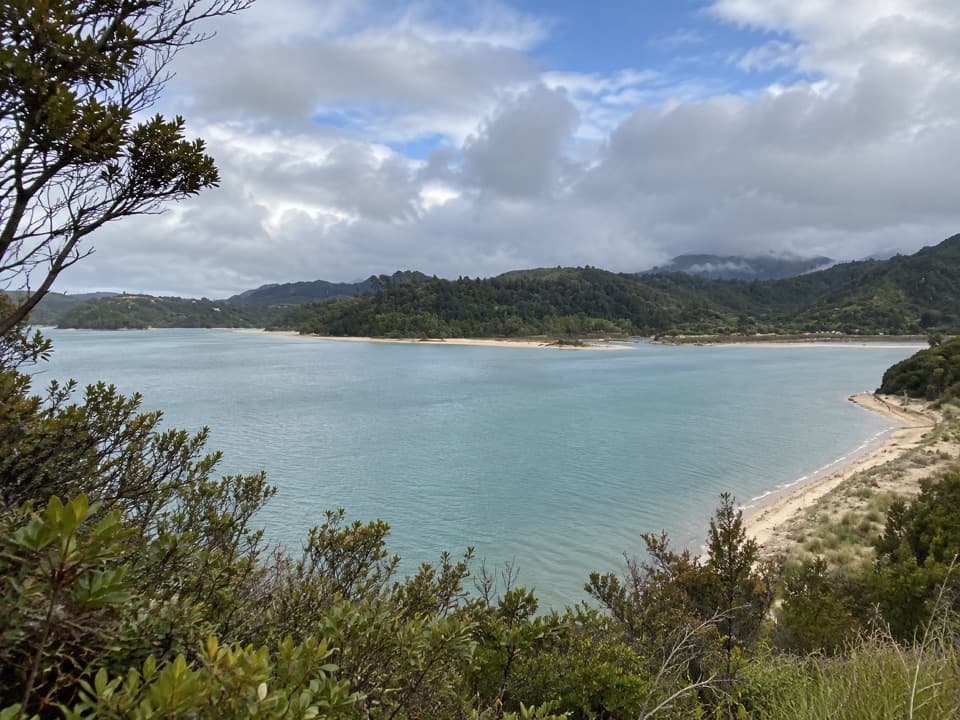 Sight · 3.1 km awayStu’s LookoutA short coastal detour for Marahau and roadstead views.
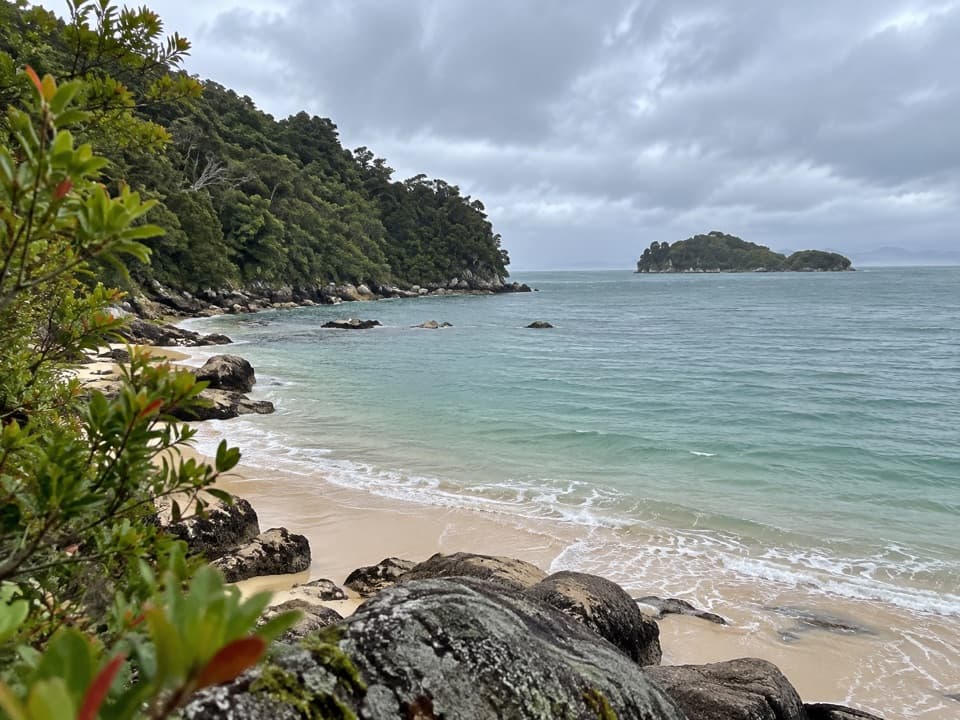 Campground · 3.3 km awayCoquille BaySix tent pitches beside a golden crescent beach on the Coast Track.
 Campground · 3.3 km awayTinline CampsiteA sheltered grassy first night, just 3 km from Mārahau.
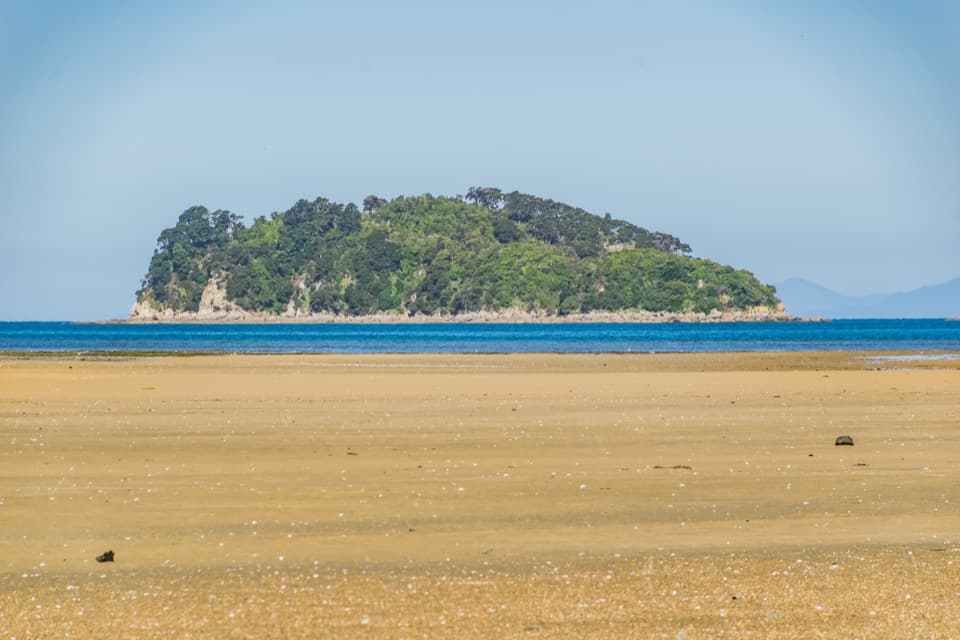 Sight · 3.8 km awayFisherman IslandA small island stop with a pest check before landing.
Parkwolf’s Abel Tasman ranking

The audio tour guide for the drive, plus offline maps, trails, and wildlife heatmaps for when the signal drops.