Awaroa Beach

Golden-sand bay with a vast tidal estuary and low-tide crossing
Awaroa Beach, Abel Tasman National Park
InsideAbel Tasman National Park

Overview

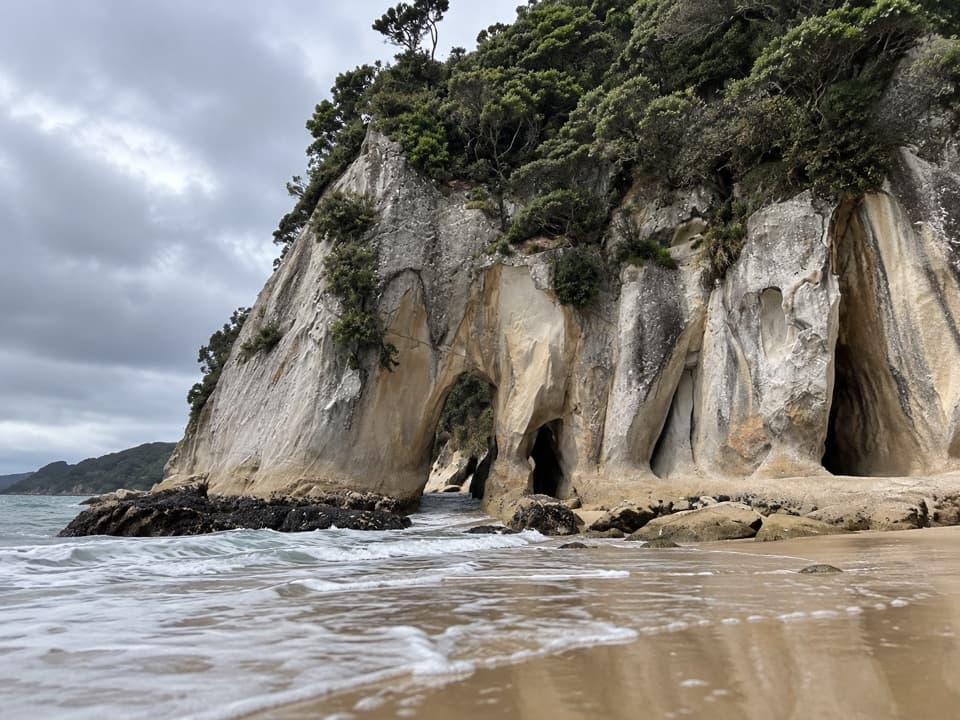
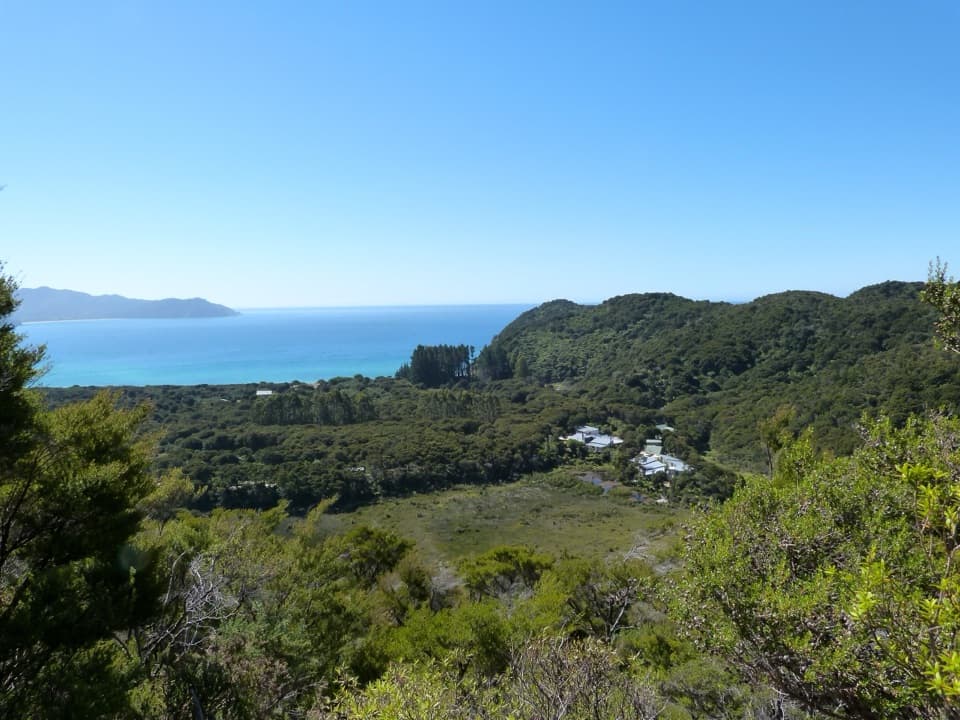
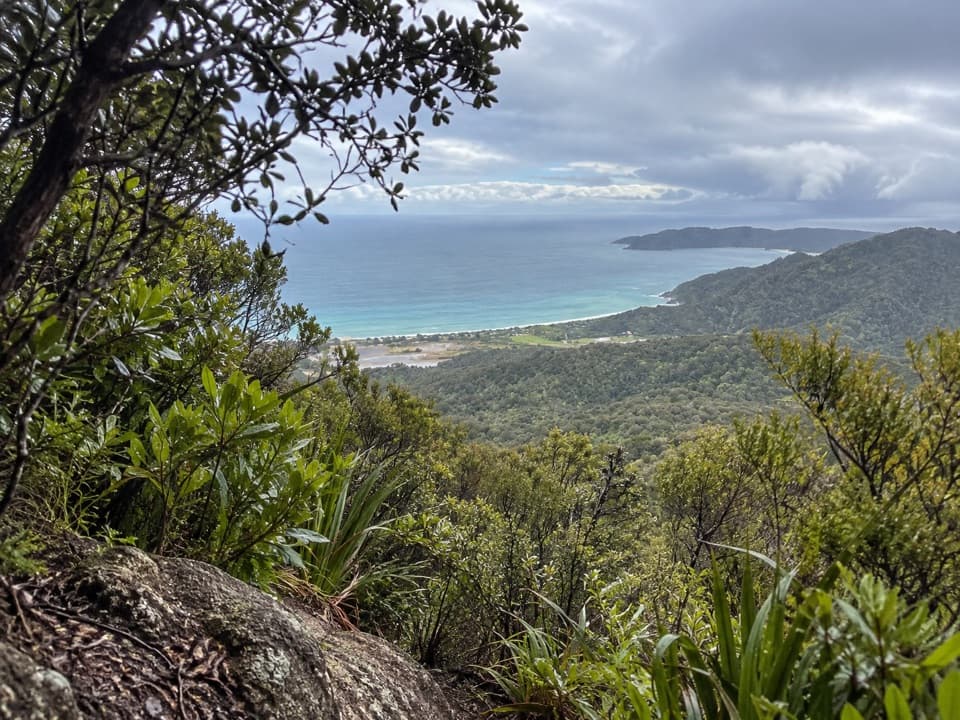
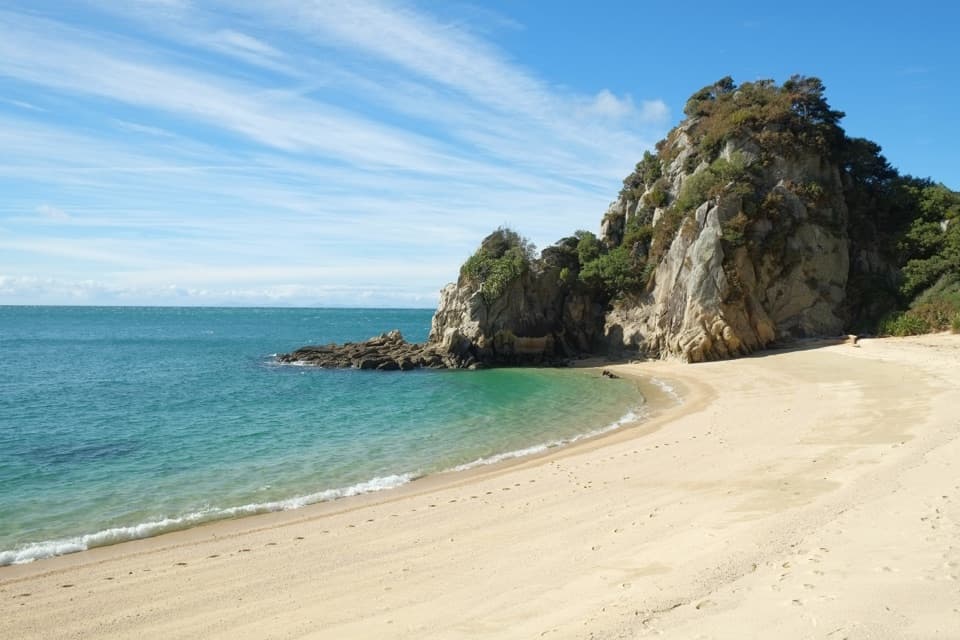
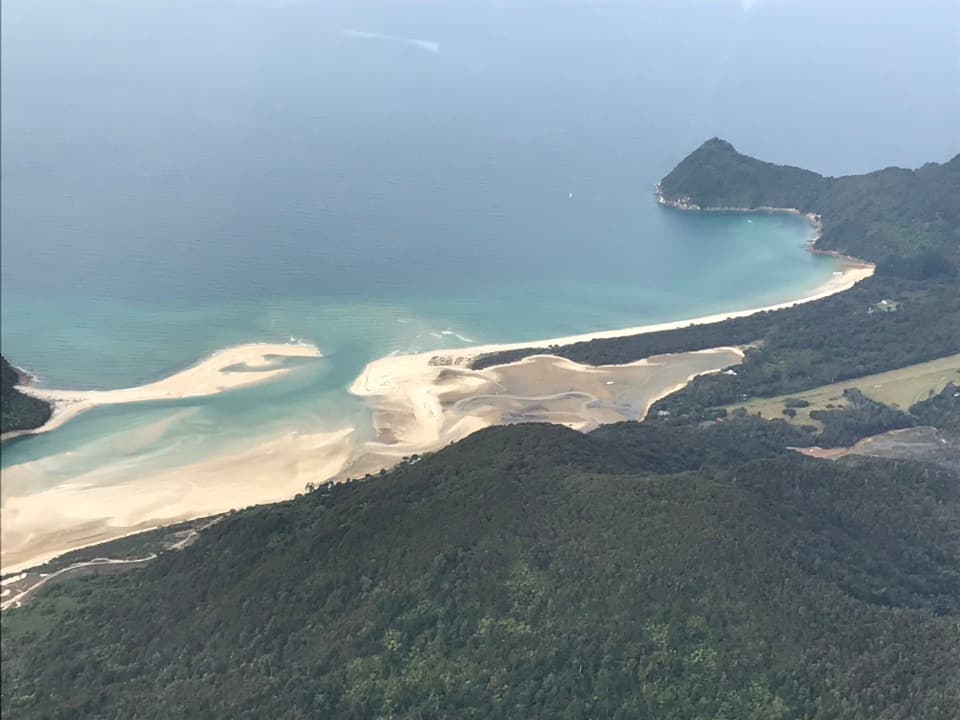
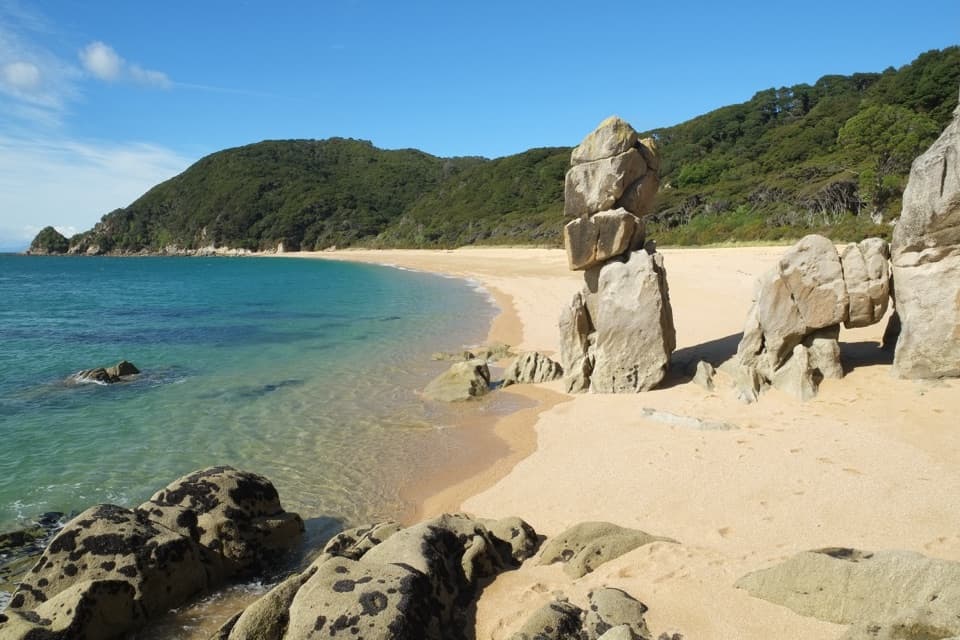
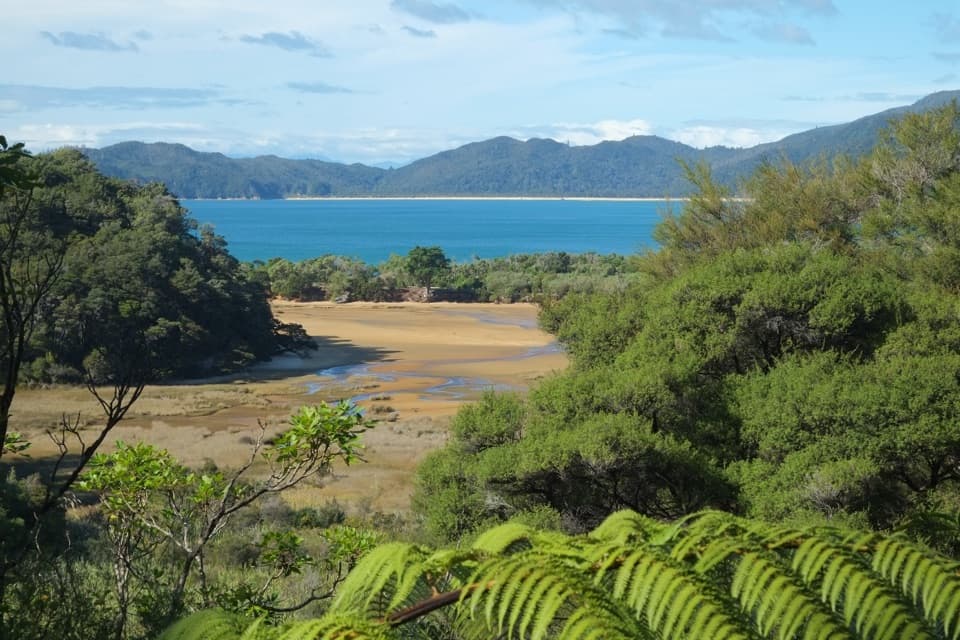
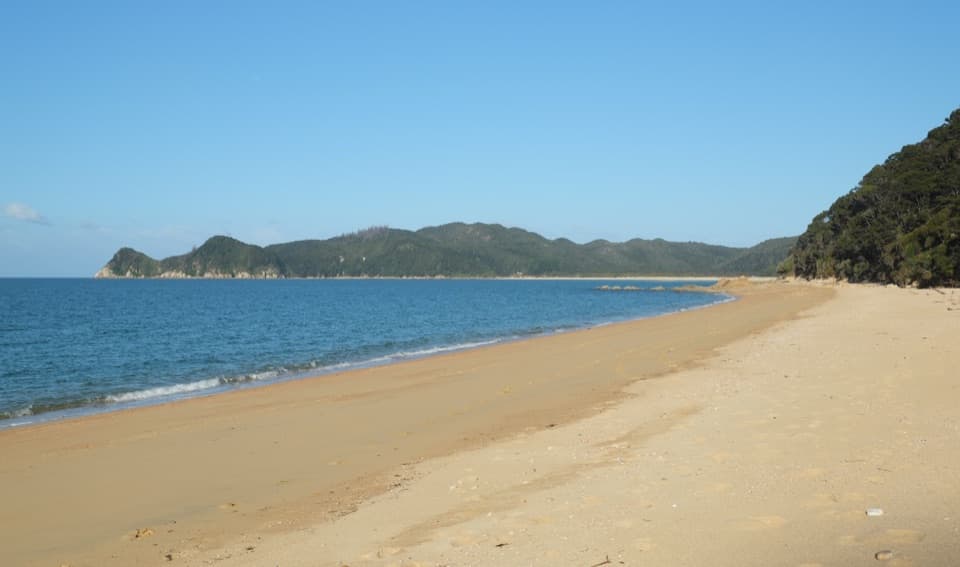
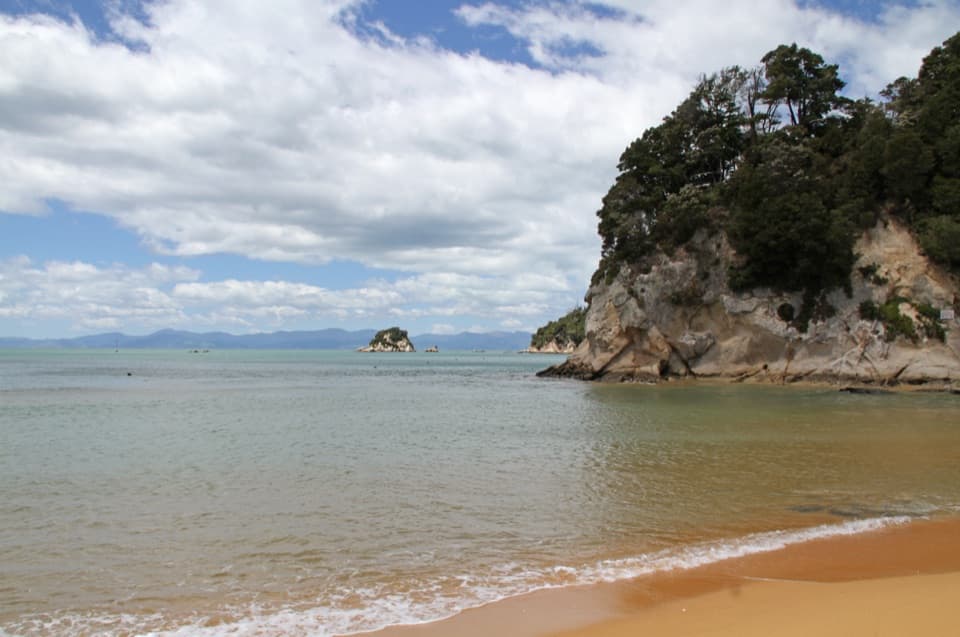
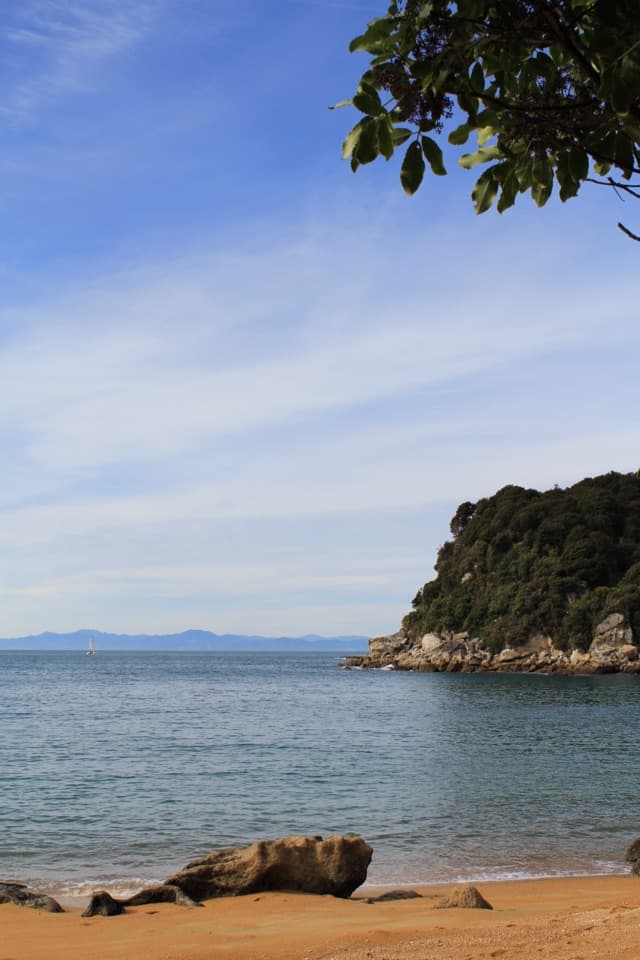
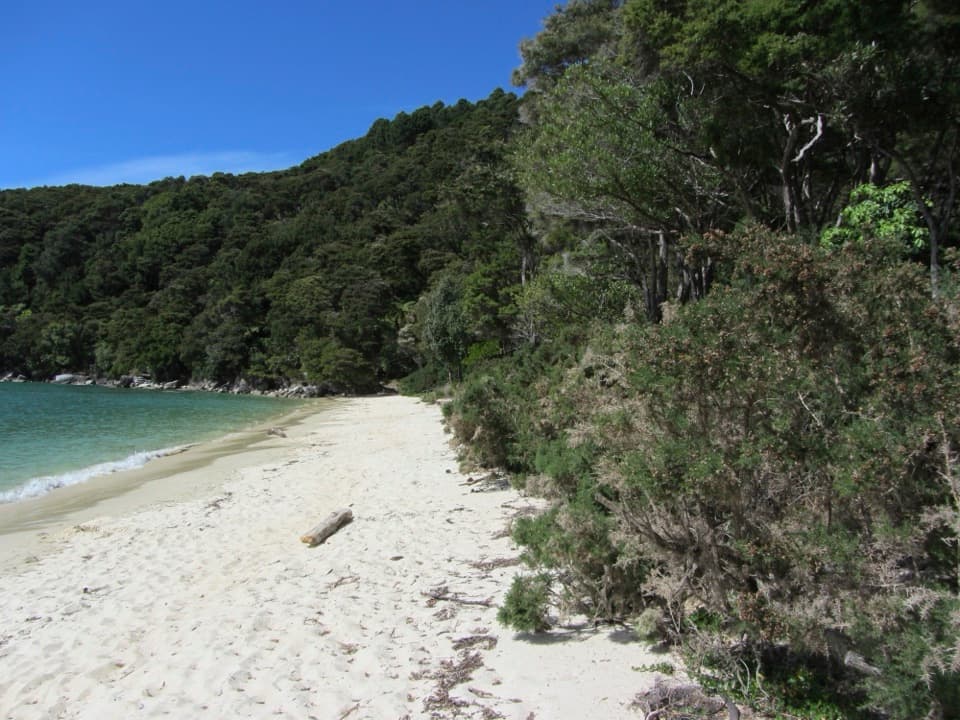
Awaroa Beach is the big, golden sweep on the Abel Tasman Coast Track where the tide writes the day’s plan. A huge estuary empties to reveal wide sandbanks and warm, shallow water at low tide. It’s scenic and serene, and in 2016 a public crowdfunding effort helped secure a section of the beach for everyone to enjoy.

Where It Sits on the Track

Awaroa is between Bark Bay and Tōtaranui on the Coast Track. Bark Bay → Awaroa is about 4 hr 30 min (13.5 km). Awaroa → Tōtaranui takes roughly 2 hr 20 min (7.1 km) and is a tidal section. You can mix walking with boat transport or kayaking. Scheduled water taxis run between Marahau/Kaiteriteri and Tōtaranui with pick‑up/drop‑off at Awaroa; taxis don’t operate north of Tōtaranui.

Tides: The Make‑or‑Break

The Awaroa Inlet crossing is only safe from 1 hr 30 min before to 2 hr after low tide—and in daylight. There’s no alternative track around the inlet. Allow about 25 minutes to cross. Tide timing also matters elsewhere on the route (Torrent Bay and Bark Bay estuaries), and Goat Bay can be cut off on large tides.

Getting There

Most visitors arrive on foot via the Coast Track, by water taxi, or by kayak. There’s a rough, flood‑prone road to the Awaroa estuary from Tākaka, but it’s not recommended as a park entrance. If you’re using transport, book shuttles and water taxis in advance; parking is available at the main road ends (Marahau, Tōtaranui, Wainui).

Facilities and Services

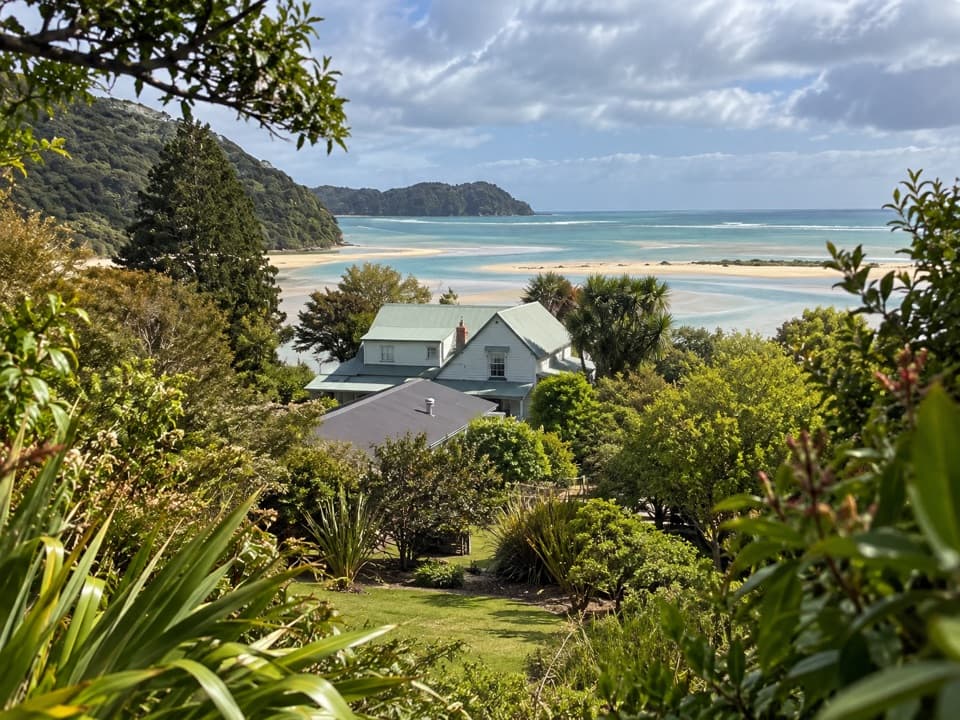
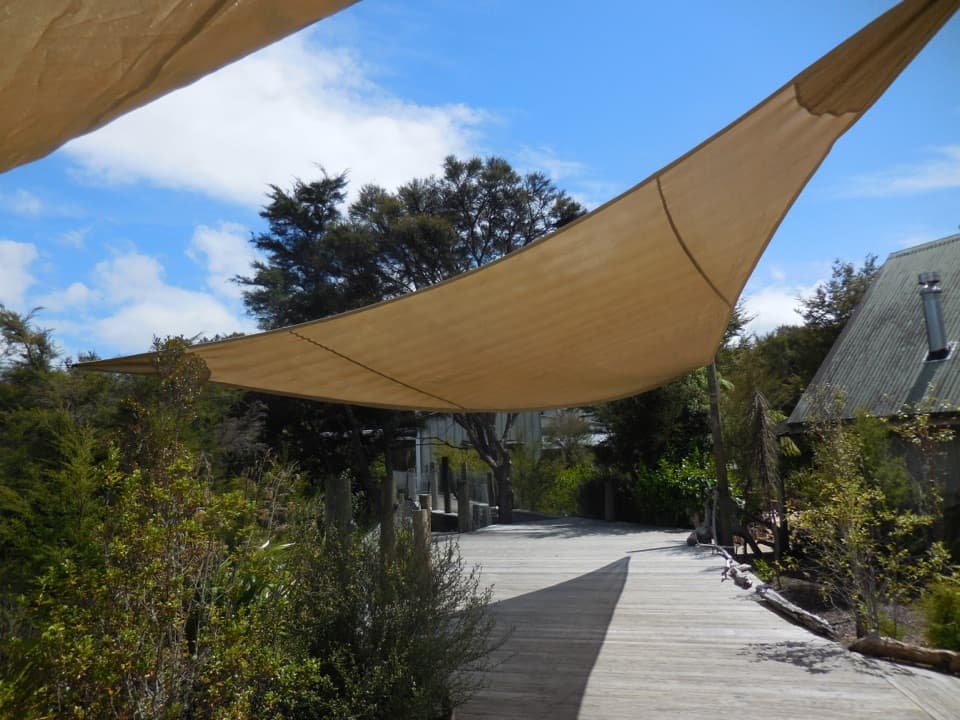
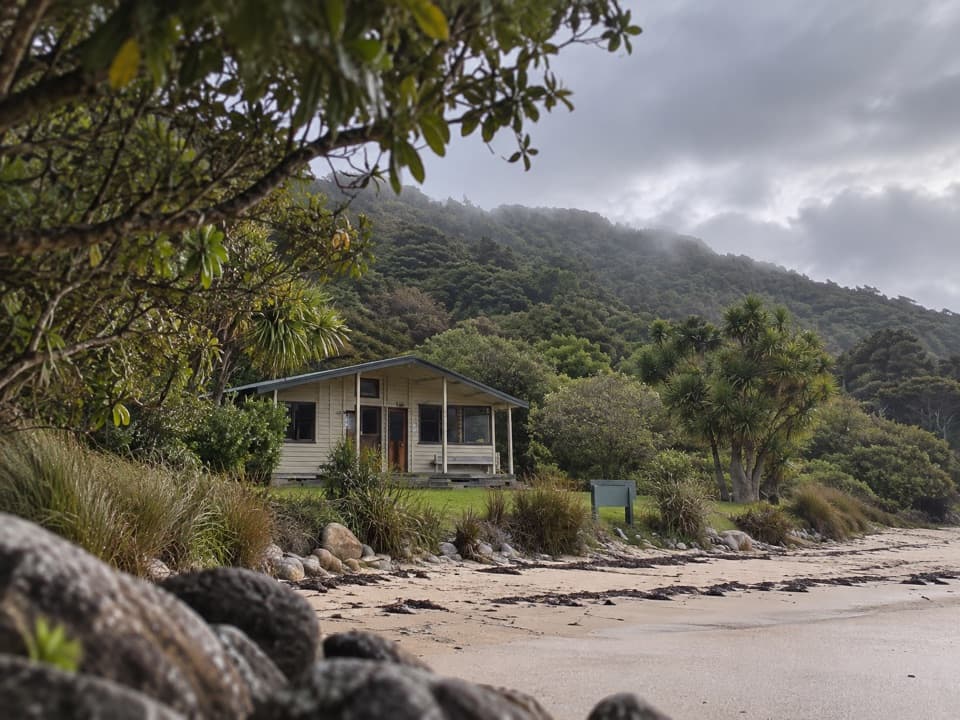
Just behind the beach/estuary you’ll find Awaroa Hut and the campsite (both must be booked year‑round; penalties apply without a valid booking). Huts have heating but no gas cookers or lighting—bring your own stove, fuel, and light. Water is available from taps but treat/boil it before drinking. The hut has flush toilets and a cold shower. A short walk inland, Awaroa Lodge offers a restaurant and a pizzeria—handy for walkers. Expect no cellphone coverage, and only limited, paid Wi‑Fi at the lodge.

Nature and Wildlife

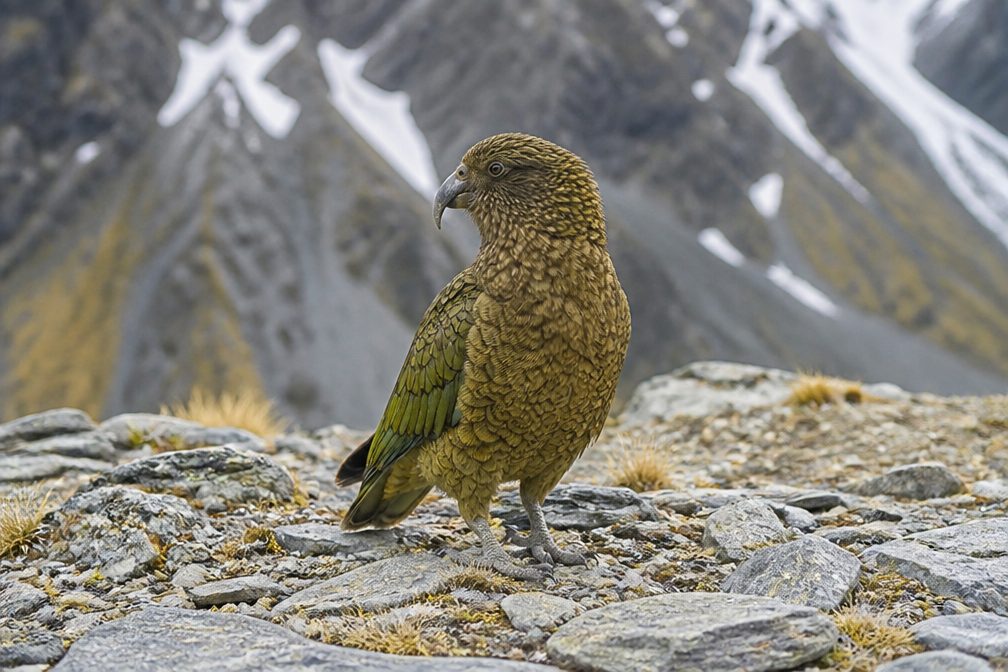
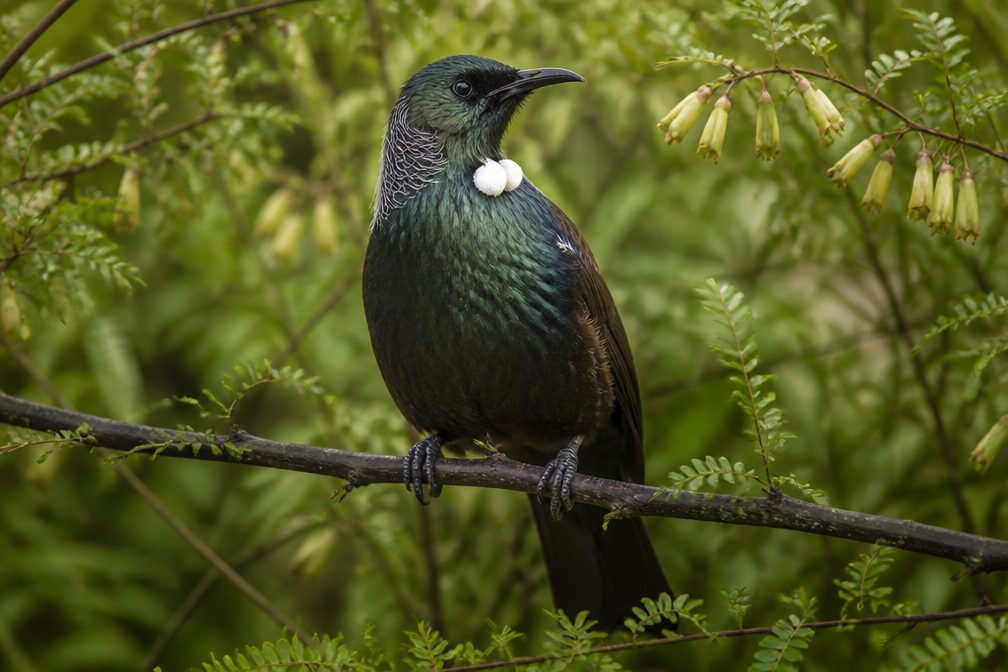
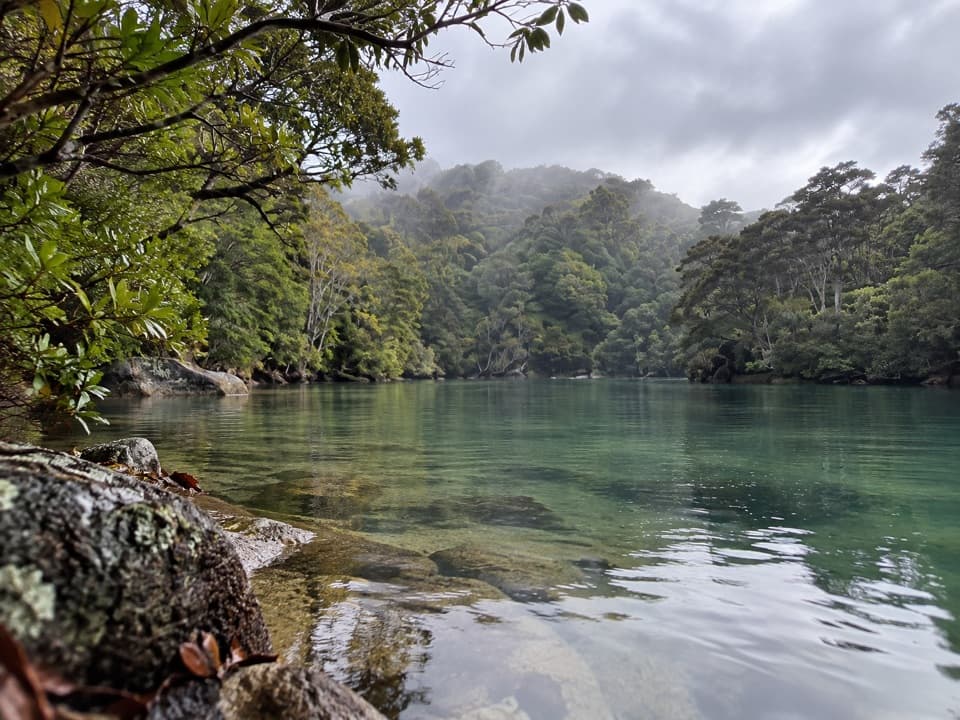
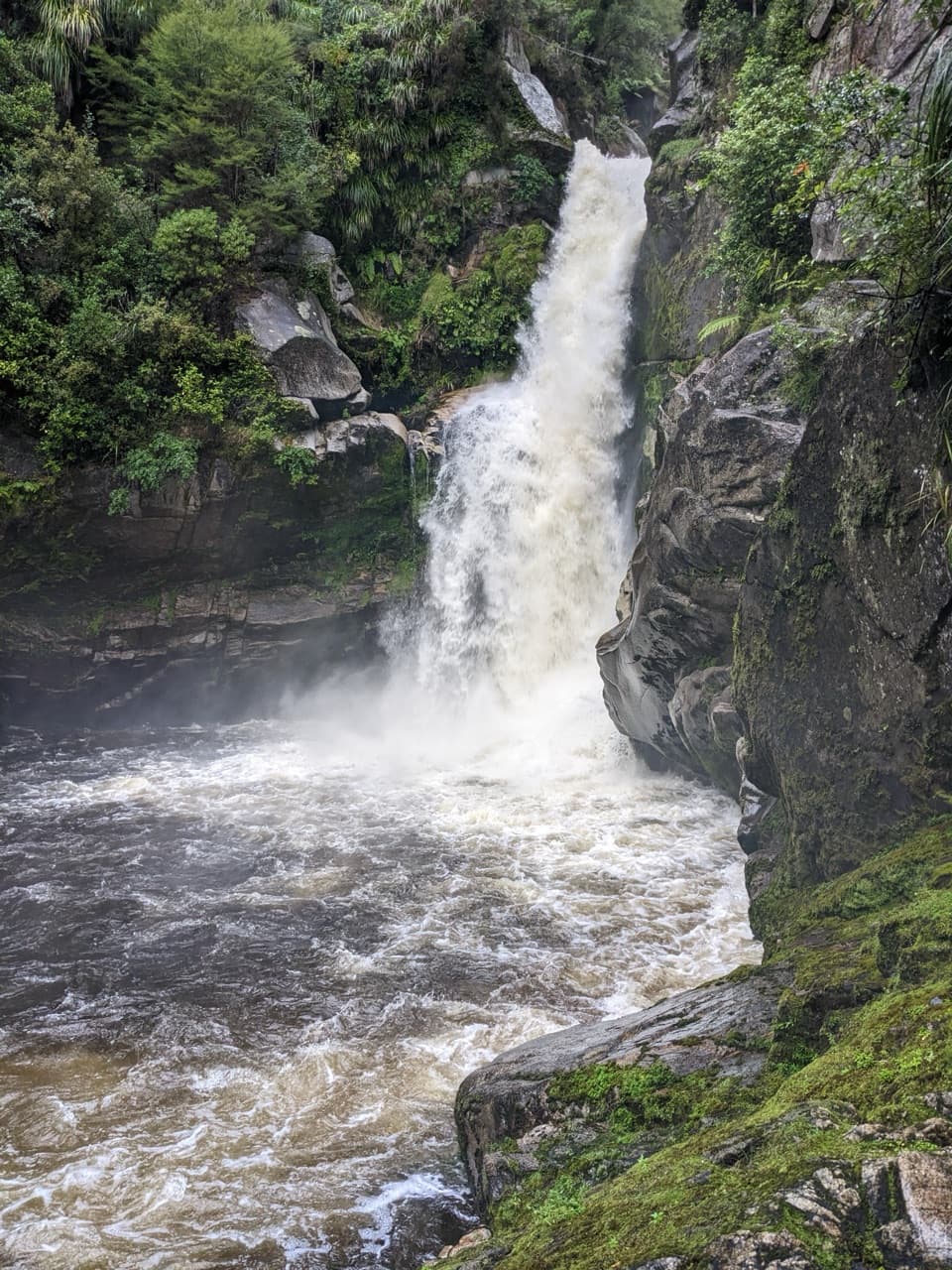
Keep an eye out for kekeno (New Zealand fur seals) along the coast, and give nesting shorebirds space—stay below the high‑tide mark where signed. Sea kayaking here can bring encounters with seals, penguins, and even dolphins on a good day. Nearby features include the Tonga Island Marine Reserve and the 47 m Falls River suspension bridge on the track.

Best Time to Visit

Time your stop for low tide if you want the full estuary experience—broad sandbanks, warm shallows, and the ability to cross the inlet. If you’re walking between huts or catching a water taxi, plan your day around the tide window first, then everything else.

Planning Notes

  • Book huts and campsites year‑round; stays are capped (Oct–Apr: max 2 nights; May–Sept: max 5).
  • No drones without a permit and no freedom camping.
  • Expect sandflies and wasps—pack repellent and any allergy medication.

Pros

  • Vast tidal estuary that reveals golden sandbanks at low tide
  • Food and drinks available at nearby Awaroa Lodge
  • Water taxis pick up and drop off here along the Coast Track

Cons

  • Awaroa Inlet blocks the track except around low tide
  • No reliable cell coverage; services are limited outside the lodge

Tips

  • Plan the inlet crossing: 1.5 hours before to 2 hours after low tide, in daylight.
  • Allow about 25 minutes to cross the Awaroa Inlet and don’t attempt at high tide.
  • Book huts/campsites in advance year‑round; penalties apply without valid bookings.
  • Treat or boil tap water before drinking; bring your own stove and lighting for huts.
  • Prebook water taxis and note they do not operate north of Tōtaranui.
The Parkwolf tour guide sitting on a phone mounted in a car

Parkwolf Tour Guide

Like a tour guide in your car.

Save the places you found around Abel Tasman, then let Parkwolf guide the drive between them.Download Parkwolf on the App Store