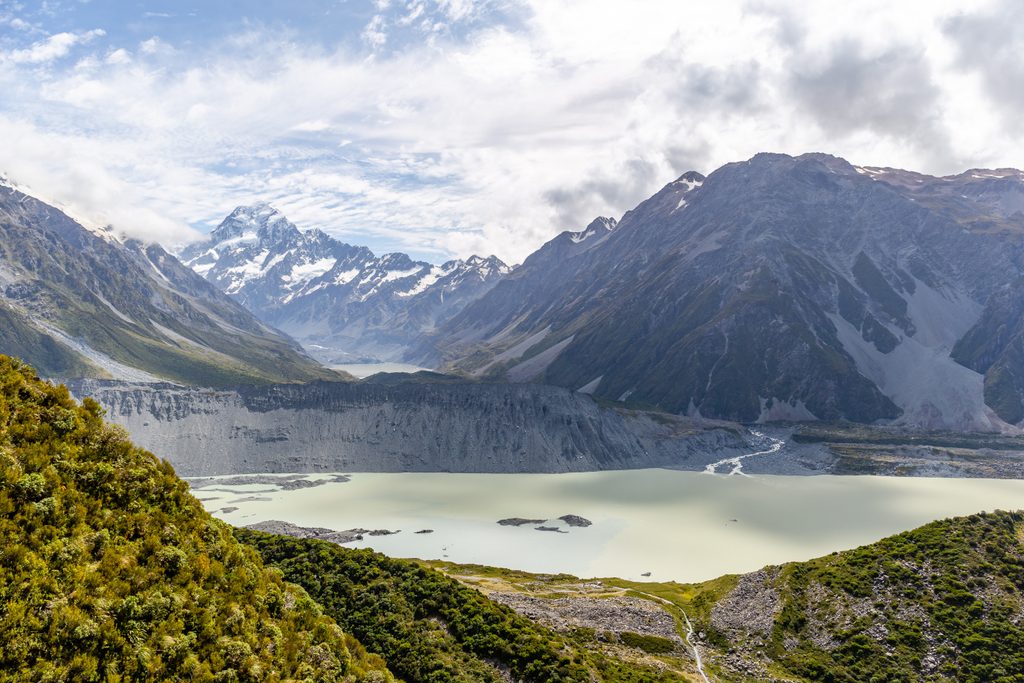
Mueller Lake

Milky glacial lake seen best from the easy Kea Point walk
Mueller Lake, Aoraki / Mount Cook National Park
InsideAoraki / Mount Cook National Park

Overview

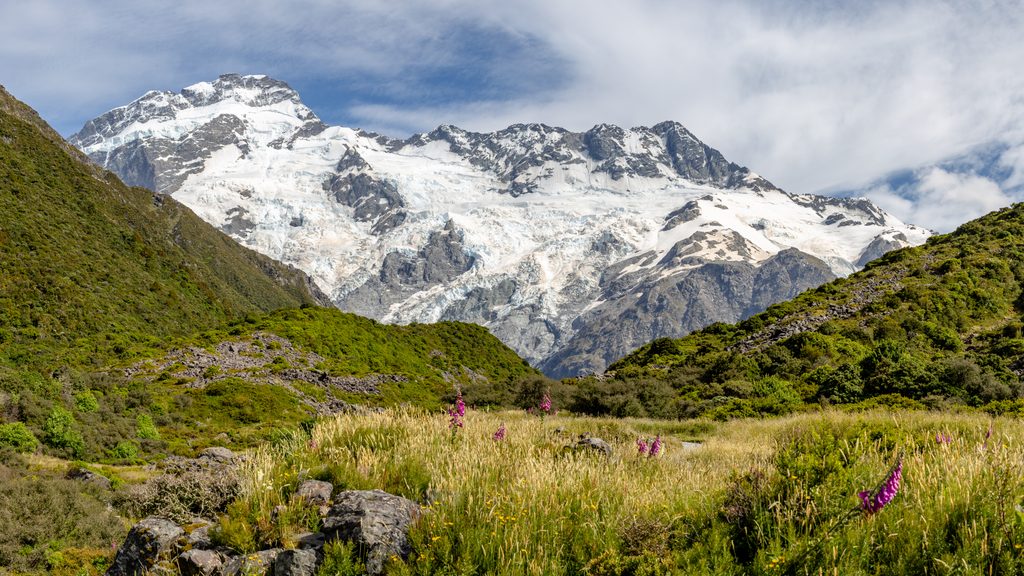
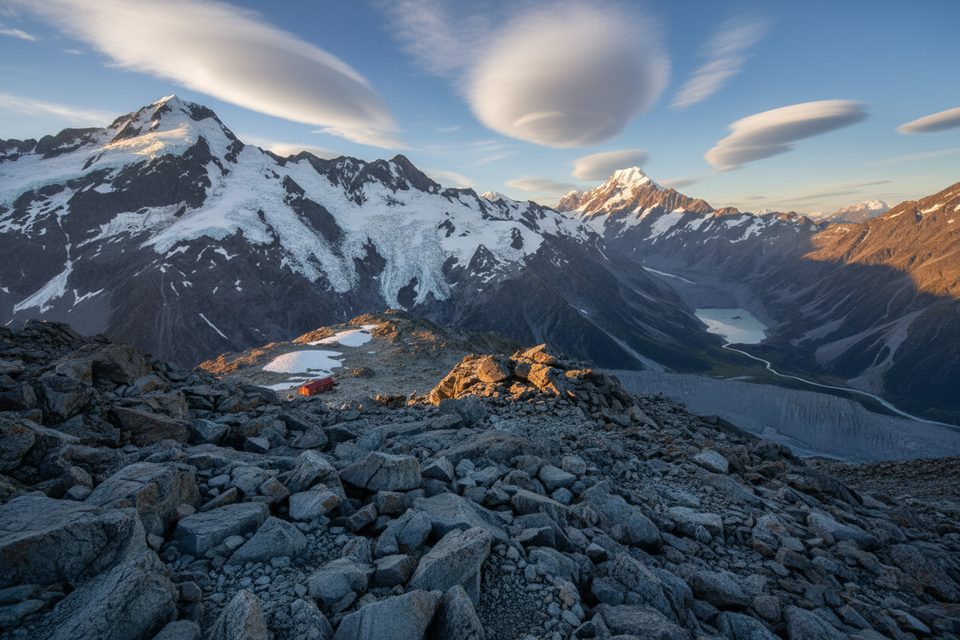
Mueller Lake is a milky-grey proglacial lake created by the retreat of the Mueller Glacier, sitting beneath Mount Sefton and The Footstool. Its outlet is the Hooker River, which drains meltwater from both the Mueller and Hooker glacier systems. Expect big glacier-and-peak vistas with that classic opaque, silt-laden water.

Best Viewpoints (easy to ambitious)

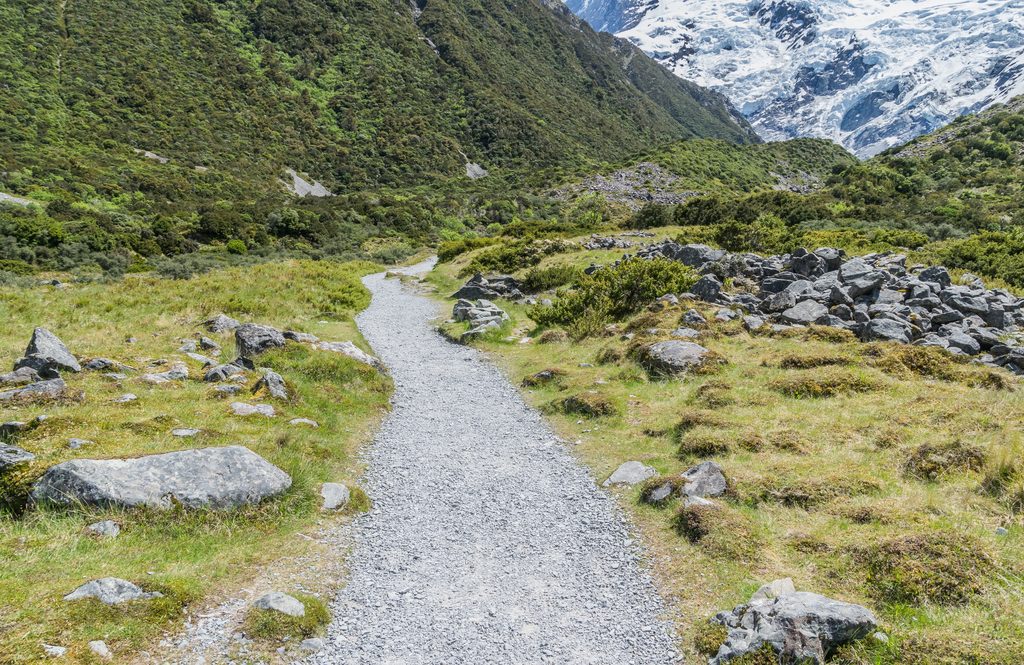
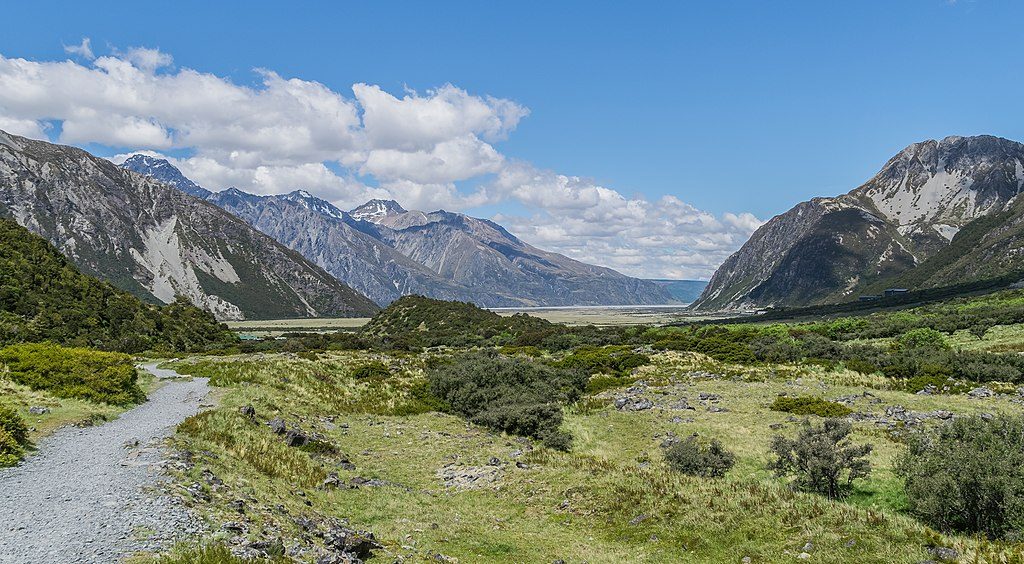
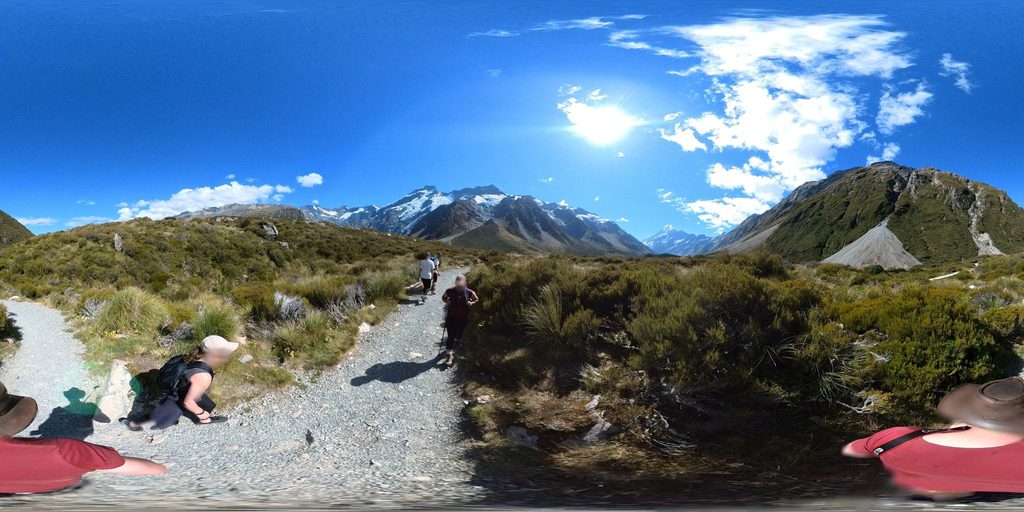
  • Kea Point Track: A gentle stroll through subalpine scrub to a viewing deck on the moraine wall, serving up wide views over Mueller Lake, the Hooker Valley, Mount Sefton and Aoraki/Mt Cook. Start in the village for a longer wander, or from White Horse Hill Campground for a shorter version (about 3 km and ~180 m gain). No drones and no dogs.
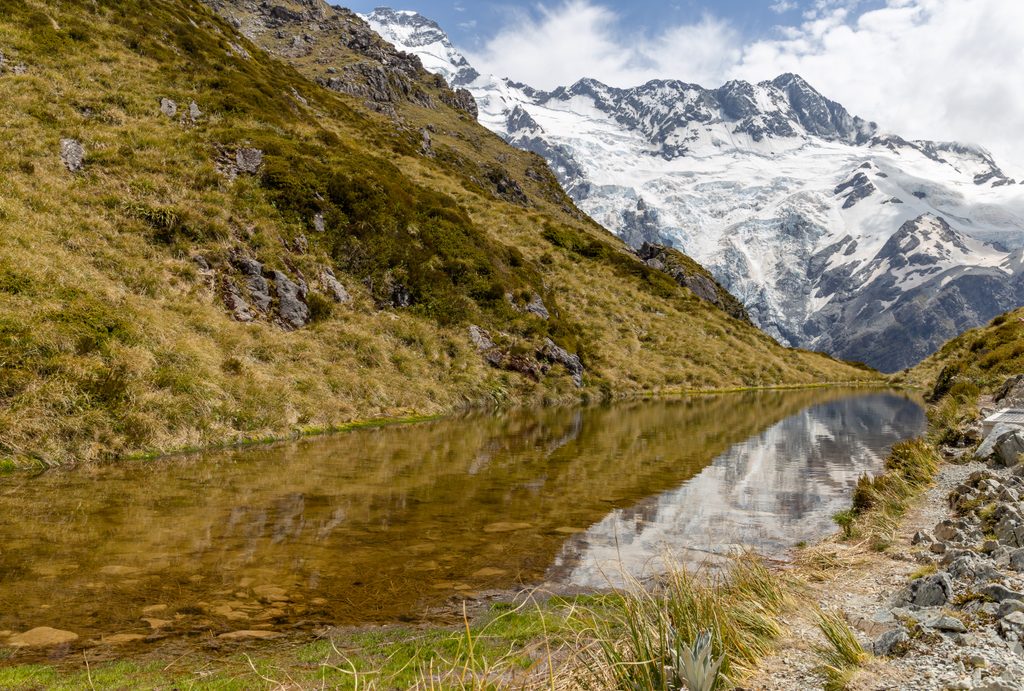
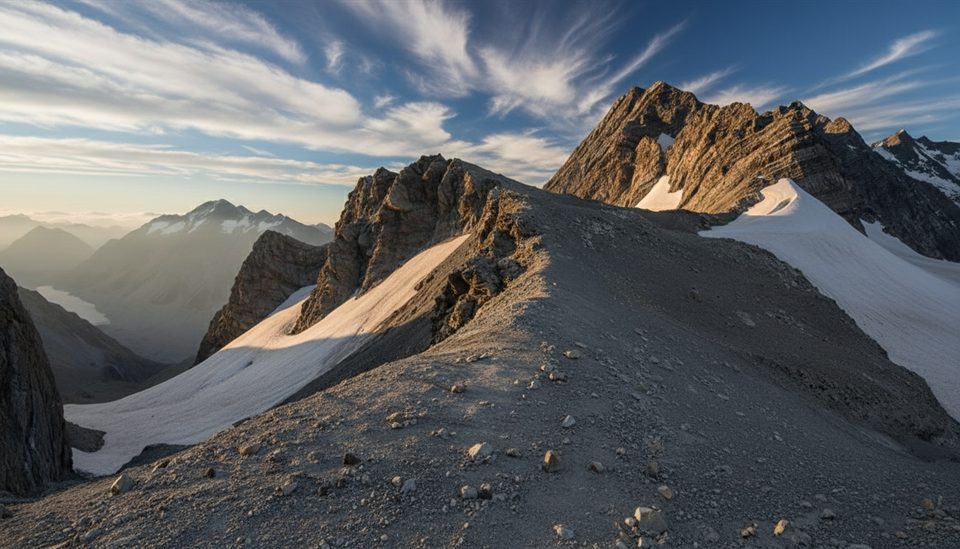
  • Sealy Tarns: Steeper but spectacular—about 2,200 steps to tarns with sweeping angles over Mueller Lake. If you continue toward Mueller Hut, you enter alpine terrain with seasonal avalanche risk; check conditions first.

Geology 101

The lake occupies a basin dammed by moraines left behind as the glacier pulled back from its Little Ice Age high point. Fine “glacial flour” suspended in the water creates the lake’s distinctive grey color. White Horse Hill itself is a prominent old moraine.

Amenities and Logistics

  • Base: White Horse Hill car park/campground at the end of Hooker Valley Road (2.5 km from the village). It’s the main parking for nearby walks and gets busy between 10 am and 4 pm in peak season.
  • Facilities: Flush toilets at the White Horse Hill car park; two self-composting toilets roughly halfway along the valley at Stocking Stream. Treated drinking water is available at the White Horse Hill campsite shelter; there’s no potable water along the track.
  • Notes: Bookings are required year‑round for White Horse Hill Campground. A paid-parking trial is planned for the 2025–26 summer—check the current status before you go.

Best Time to Visit

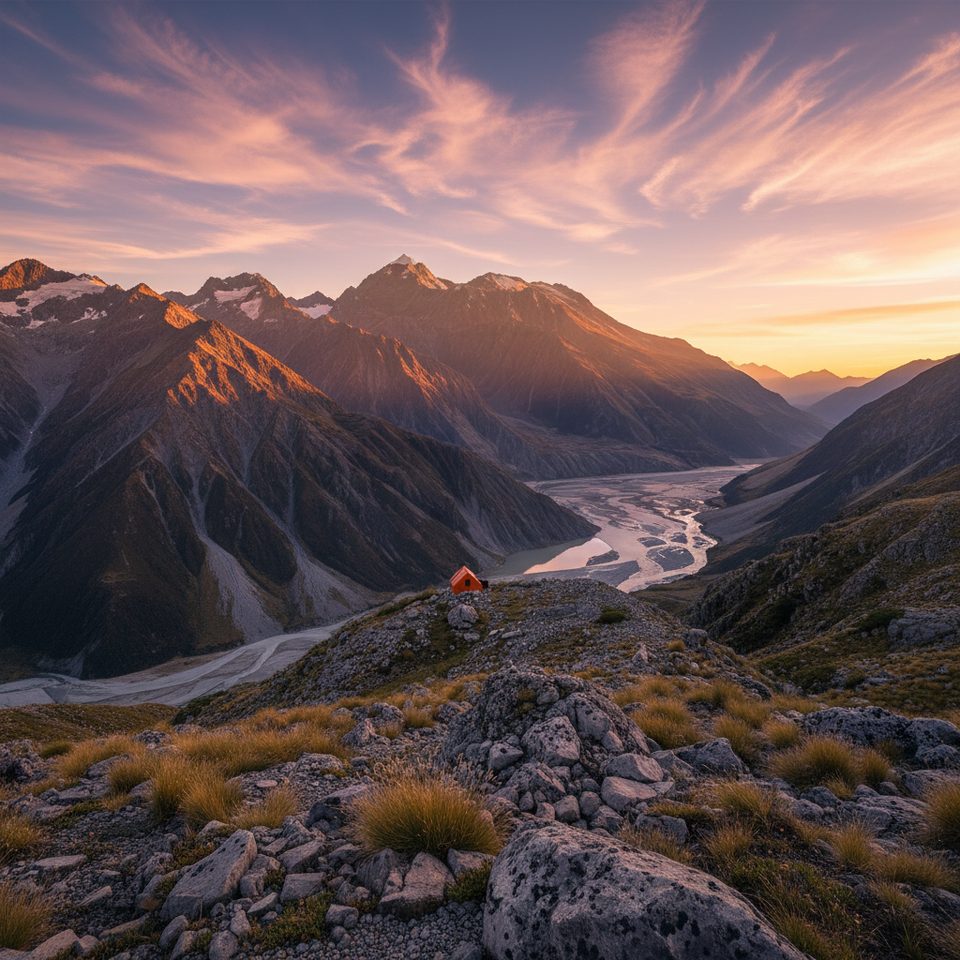
Early morning or late afternoon gives the best contrast on the lake and surrounding peaks. Summer (December–February) is the busiest period. On clear nights, the area’s International Dark Sky status makes it excellent for night photography.

Safety and Etiquette

Stay on formed tracks—moraine walls and stream edges are unstable. Weather changes quickly; carry layers, sun protection, water, and sturdy footwear. If heading beyond Kea Point toward Sealy Tarns or Mueller Hut, be aware of steep climbing, exposure, and seasonal avalanche terrain; check with the Visitor Centre for conditions.

Wildlife and Flora

The park hosts around 35 bird species, including rarities like the black stilt and the pīwauwau (rock wren). Alpine herbfields near viewpoints are fragile—keep to the track and tread lightly.

Pros

  • Classic milky-grey glacial lake views from easy Kea Point walk
  • Multiple vantage points, from Kea Point to Sealy Tarns and beyond

Cons

  • No toilets at the lookout itself; facilities are at the carpark and mid-track
  • Parking fills 10am–4pm in peak season

Tips

  • Arrive early or late to snag parking at White Horse Hill during peak season.
  • For photos, aim for early morning or late afternoon light over the lake.
  • Carry all the water you need—only the campsite shelter has treated water.
  • Stay on formed tracks; moraine walls and stream edges are unstable.
  • Want a higher angle? Tackle Sealy Tarns, but check avalanche conditions first.
The Parkwolf tour guide sitting on a phone mounted in a car

Parkwolf Tour Guide

Like a tour guide in your car.

Save the places you found around Aoraki / Mount Cook, then let Parkwolf guide the drive between them.Download Parkwolf on the App Store