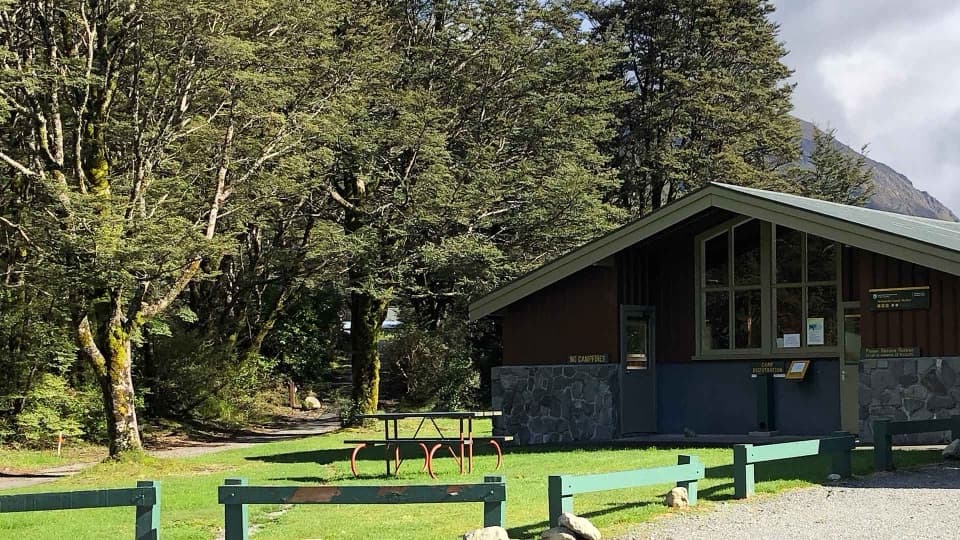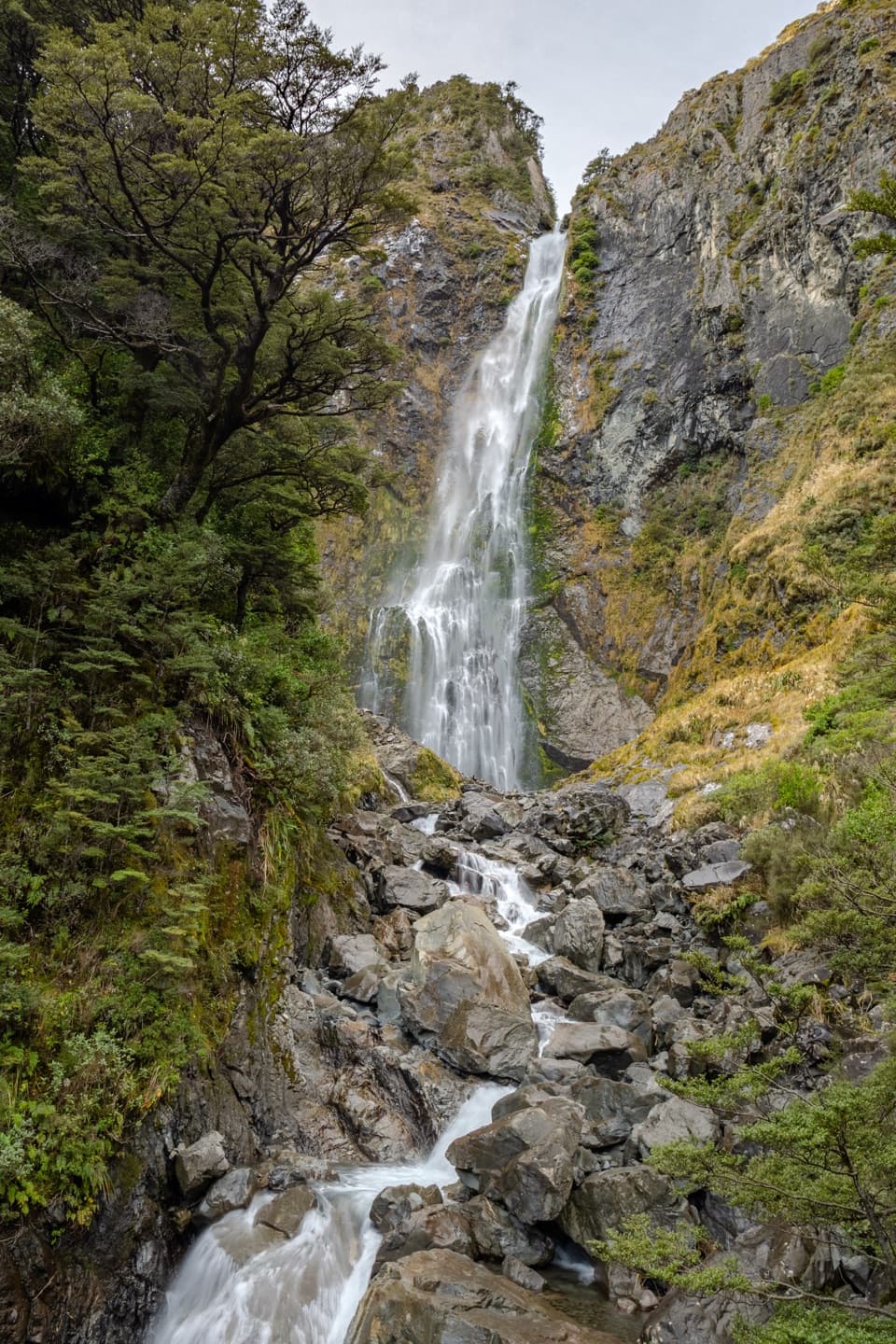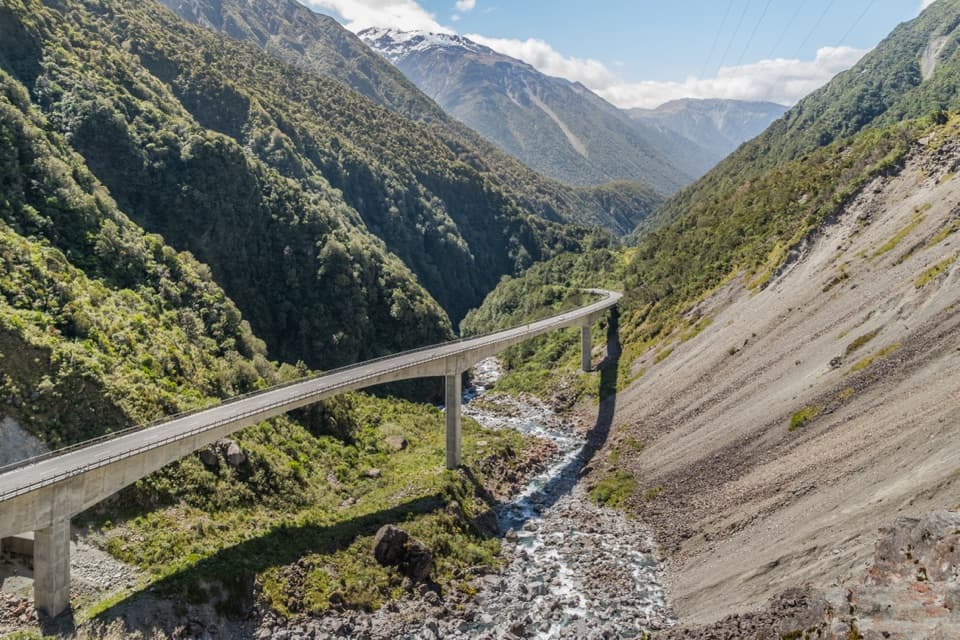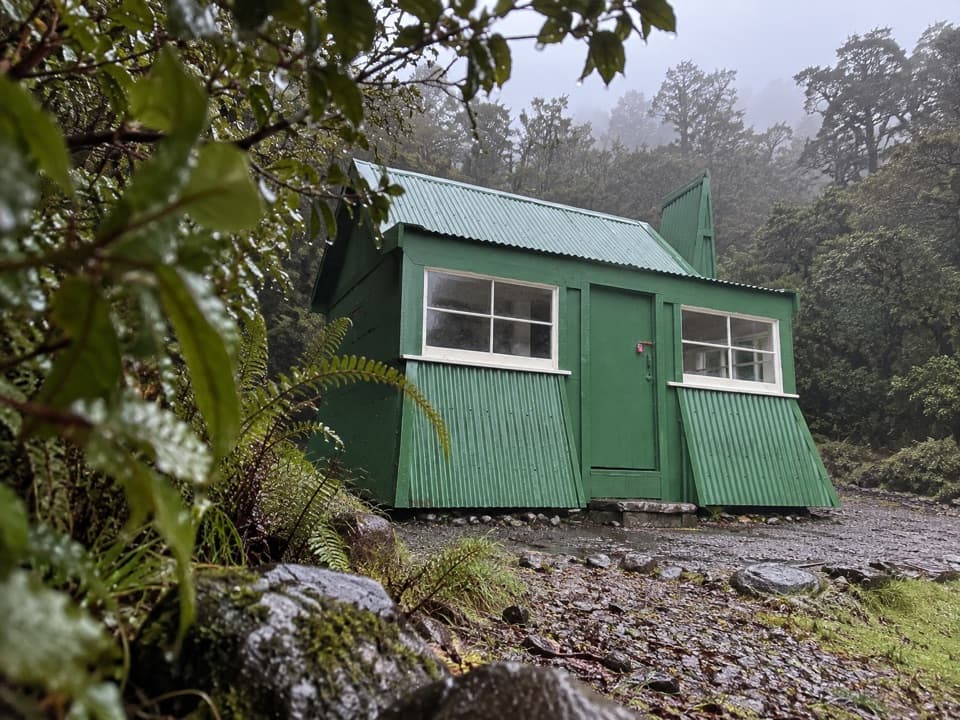
Crow Hut

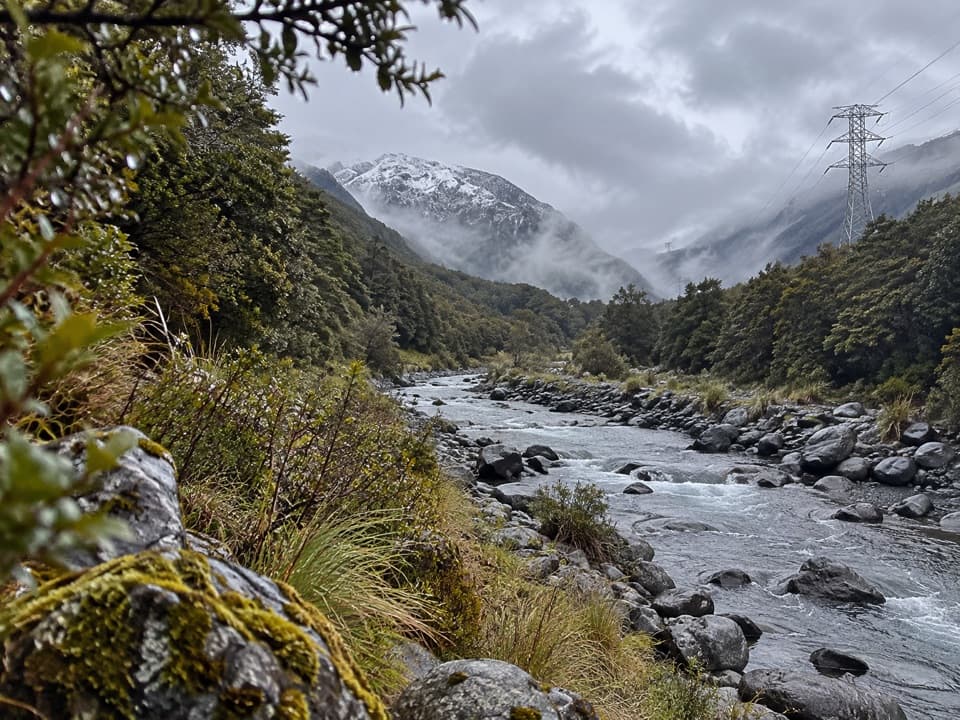
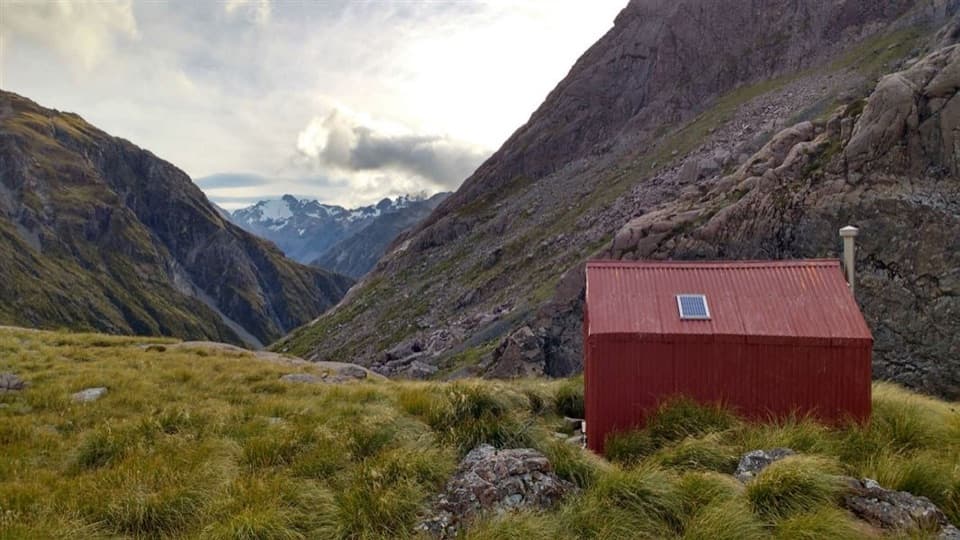
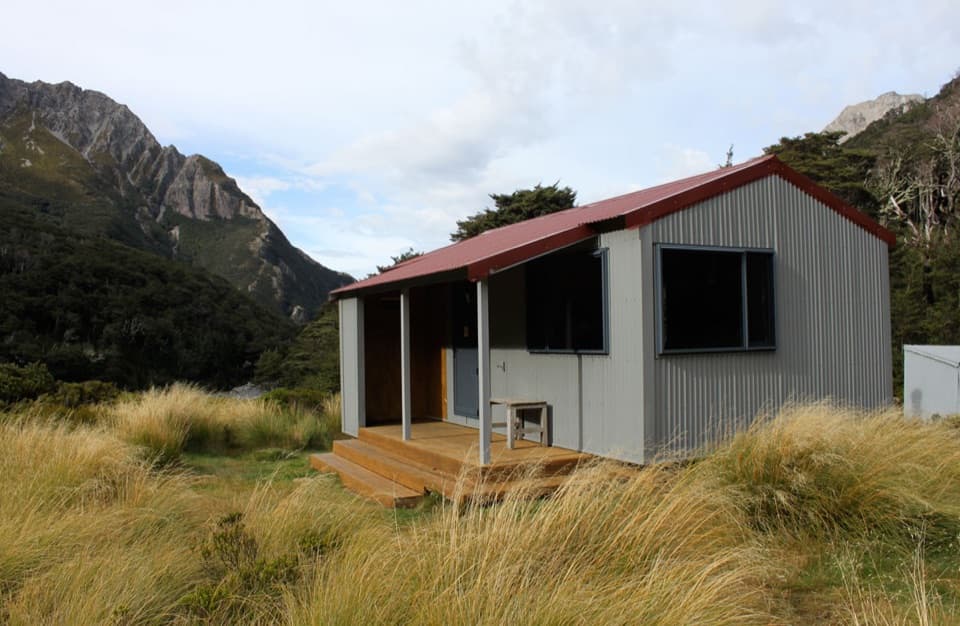
Simple 10-bunk alpine hut with a wood stove beside Crow River

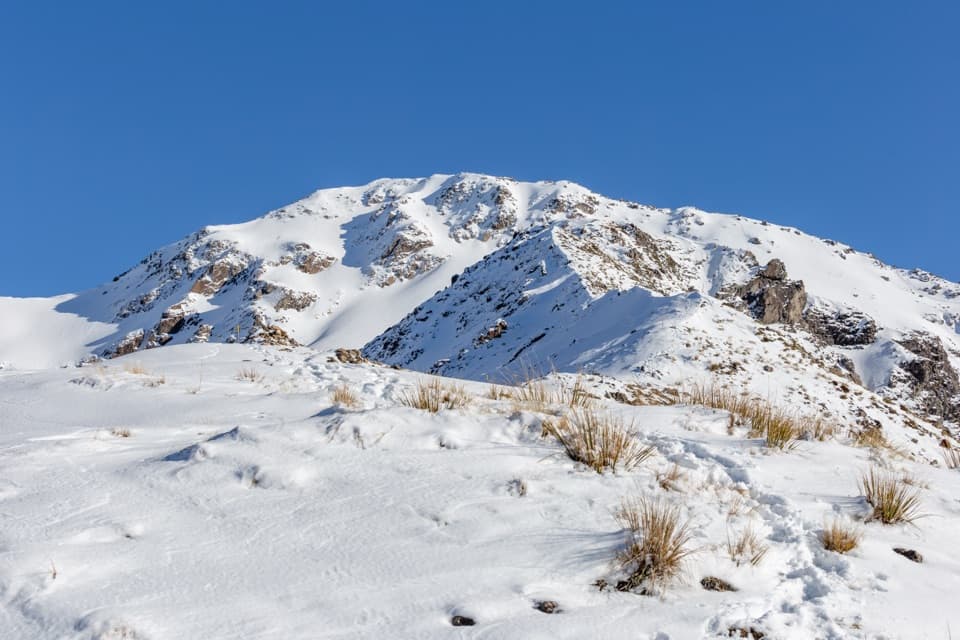
Crow Hut, Arthur's Pass National Park
Image credit: Wikimedia Commons

Pros & cons

PROS

  • Wood stove and mattresses in a 10-bunk hut
  • Pay with standard hut tickets or a Backcountry Hut Pass

CONS

  • No sink or tap; collect water from the nearby stream
  • Can fill up on fine weekends; consider carrying a tent

Overview

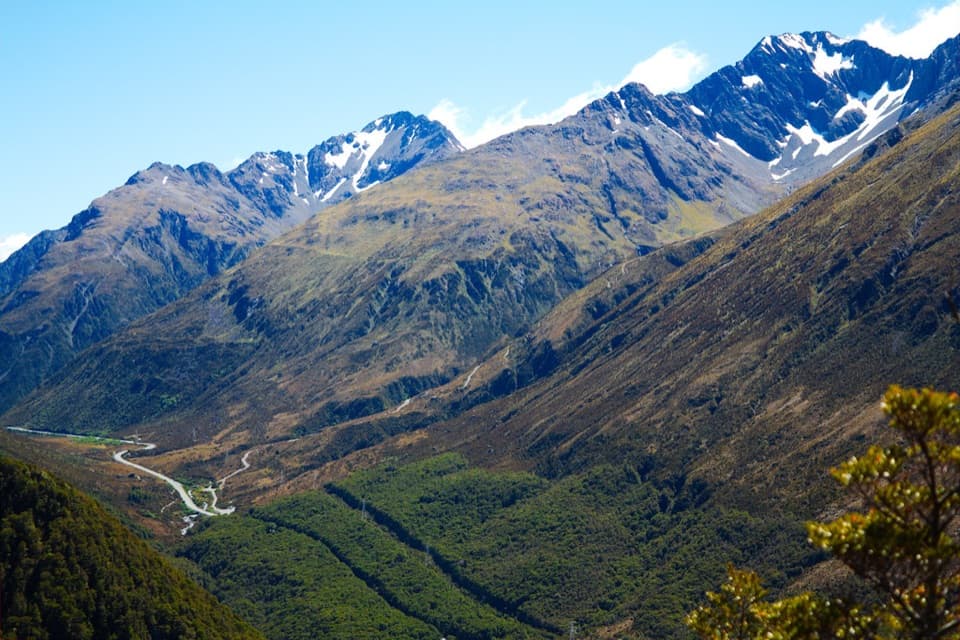
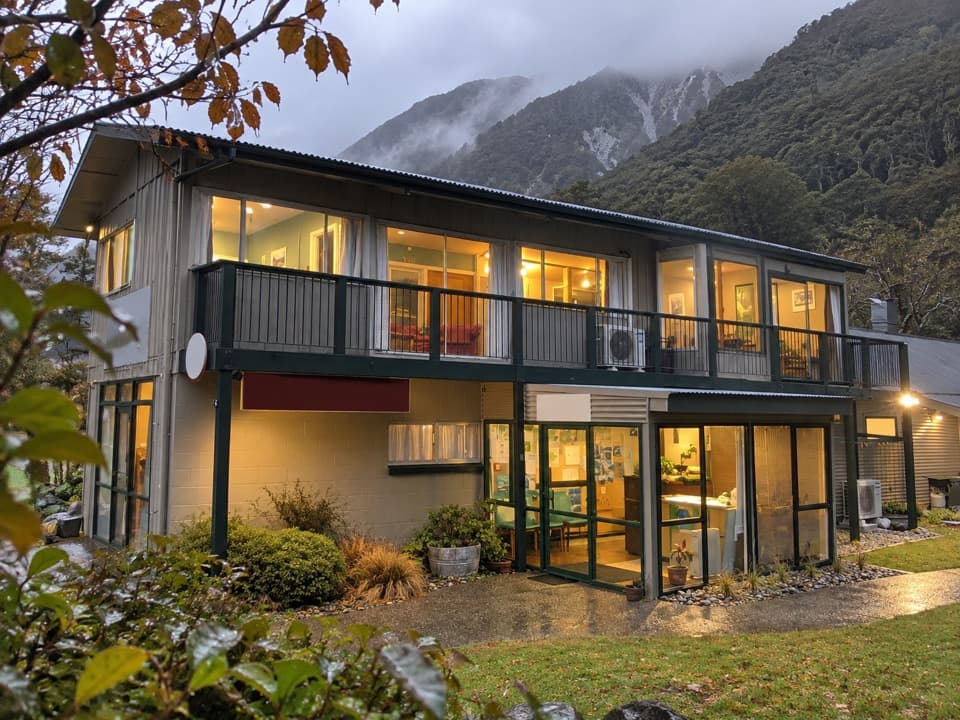
Crow Hut is a simple, standard 10‑bunk DOC backcountry shelter tucked beside the Crow River at about 1,024 m. Expect mattresses, a wood stove for heat, basic toilets, and water drawn from the stream outside. It’s first‑come, first‑served: drop your standard hut ticket in the honesty box, or use a Backcountry Hut Pass.

Getting There

Two classic approaches:

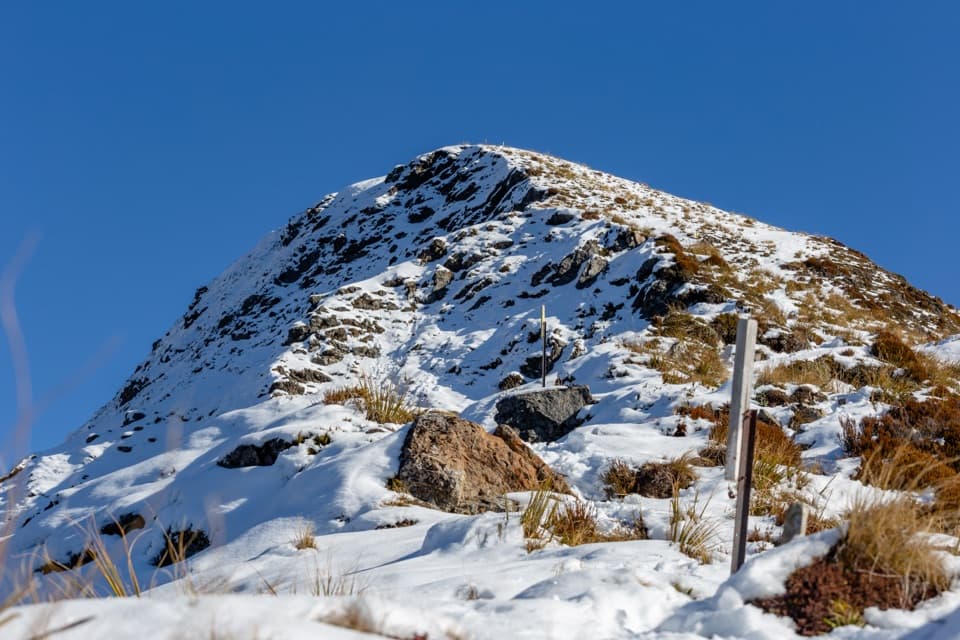
  • Avalanche Peak → Crow River Route: a demanding alpine traverse from Arthur’s Pass Village over Avalanche Peak, then a steep scree descent into the Crow Valley before a short valley stroll to the hut. Route‑finding matters and the terrain is serious in wintry conditions.
  • Waimakariri/Crow River valley: the lower‑risk option with multiple braided‑river fords. Many parties link a 1–2 day trip by ascending one way and exiting the other.

A staging alternative is via O’Malleys Track to Anti Crow Hut (about 3 hours, 7 km from SH73), which includes a Jordan Stream crossing—skip it if rain is forecast or flows are up.

Hut Setup and Comfort

Inside is basic and communal. There’s no sink or tap; fill bottles from the stream. The wood stove can make it toasty when you’ve gathered and prepared wood, but expect winter nights to be cold if you can’t get a fire going. Recent notes mention the toilet is serviceable though the floor has needed attention at times, and hut tools like the axe may not be sharp.

Season and Hazards

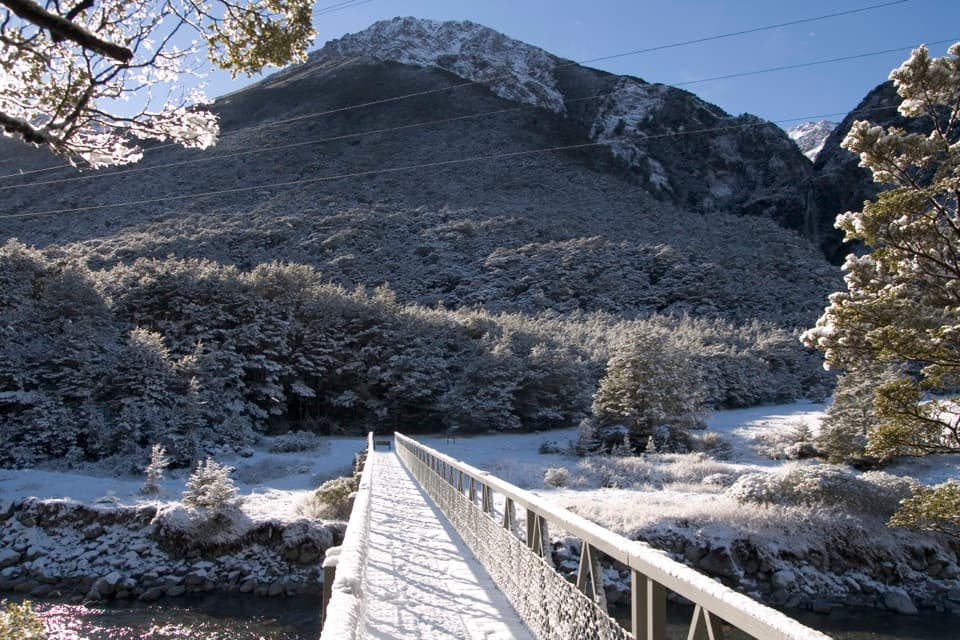
  • Avalanche: Risk commonly runs May–November and can linger whenever snow is present. If you plan to enter avalanche terrain, check the advisory, understand the ATES rating, and carry (and know how to use) transceiver, shovel, and probe with a partner.
  • Rivers: The Waimakariri flats, Crow River, and Jordan Stream can all rise fast—turn back if levels are high.
  • Weather: Alpine conditions change quickly; travel self‑sufficient with navigation and a PLB.

How Most People Use It

A popular weekend is village → Avalanche Peak → Crow Hut for the night, then down the Crow to SH73 the next day. Set up a car shuffle or plan on hitching back to the village.

Best Time to Visit

Late spring and autumn tend to bring fewer people and great native flora. In winter, you’ll need solid fire‑starting skills and a willingness to saw/split damp wood. On fine weekends at any time of year, it can be busy—carry a tent as overflow.

Fees and Booking

Standard Hut fees apply: adults $10/night, youth $5, and under‑5 free. No bookings—first‑come, first‑served with hut tickets or a Backcountry Hut Pass.

Where it is

-42.9435, 171.5170
Crow Hut

Tips for Crow Hut

  1. 01Buy DOC standard hut tickets in town or carry a Backcountry Hut Pass.
  2. 02Check the avalanche advisory and ATES info if snow is on the route.
  3. 03Avoid O’Malleys Track and Jordan Stream if rain is forecast or flows are high.
  4. 04Carry a tent on fine weekends in case the 10 bunks are full.
  5. 05If you’re doing the village-to-SH73 traverse, arrange a car shuffle or pickup.

Amenities

More about Crow Hut

PARKWOLF TOUR GUIDE

Like a tour guide in your car.

Save the places you found around Arthur's Pass, then let Parkwolf guide the drive between them.
Download Parkwolf on the App StoreGet Parkwolf on Google Play
The Parkwolf tour guide sitting on a phone mounted in a car
Get the Audio Tour Guide for your drive through Arthur's PassOpen Parkwolf