
Place · 1.8 mi away
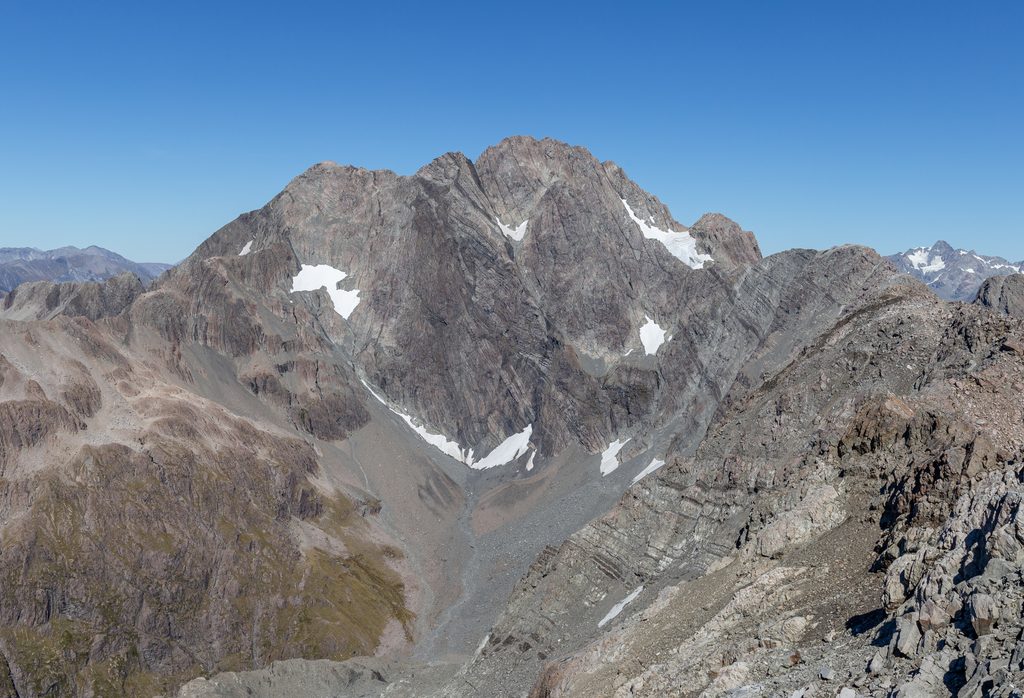
Also known as Kaimatau, Mount Rolleston is the alpine trophy of the pass, with twin summits—Low Peak (2212 m) and High Peak (2275 m). It’s close to the highway but feels remote and committing the moment you step onto the ridge. Expect proper mountaineering: early starts, long exposure, and conditions that can shift fast.
Most parties reach the ridge via the steep Coral Track, often starting in the dark to catch a sunrise on the arête. The lower ridge includes several buttresses before the crux notch called “The Gap.” Depending on conditions, getting through the Gap can involve down‑climbing, a keyhole/chockstone squeeze, or short pitches on 40–50° snow and mixed rock. Beyond, airy traverses beneath gendarmes come with ~150 m of exposure—soft, mushy snow here is a no‑go because a slip could be fatal. The ridge then narrows toward Low Peak.
From Low Peak, some traverse over Middle Peak to reach High Peak, while others use the Crow névé to bypass terrain if crevasses allow. A late‑season, drier ridge is looser and more complex; winter–spring snow often makes the climbing more secure and the line more defined.
The standard way off is the north‑facing Otira Slide into the Otira Valley. It’s avalanche‑ and rockfall‑prone, especially on sunny afternoons, so time your day accordingly. From the valley floor it’s about 3 km by road back toward the Coral Track start—either stage a car, walk, or plan on a hitch if you’re comfortable with that.
Goldney Ridge via the Otira Valley and Bealey Valley approaches are common for linkups, as are Bealey Face variations and routes from the Crow/East Crow glaciers. Choose based on conditions and avalanche hazard rather than aesthetics alone.
You can climb it year‑round in principle, but many prefer winter to spring when consolidated snow glues the loose rock together. Late summer and autumn trends toward drier, looser, and slower. Aim to be on the ridge at first light for firm snow and to avoid descending the Otira Slide in the afternoon sun. From May to November, avalanches can cross valley approaches—get the latest from the Arthur’s Pass Visitor Centre before committing.
Major hazards include avalanches (notably on Rome Ridge approach slopes, East Crow sidles, and the Otira Slide), loose rock near and above the Gap, crevasses/bergschrund on the Crow/East Crow, big exposure, and winter cornices. Typical Rome Ridge kit in snow/ice: two ice axes, crampons, rope, a couple of snow stakes, a few screws, a small rock rack, and a helmet.
Kea are cheeky regulars near the road ends and village—protect your packs, food, and anything rubber.
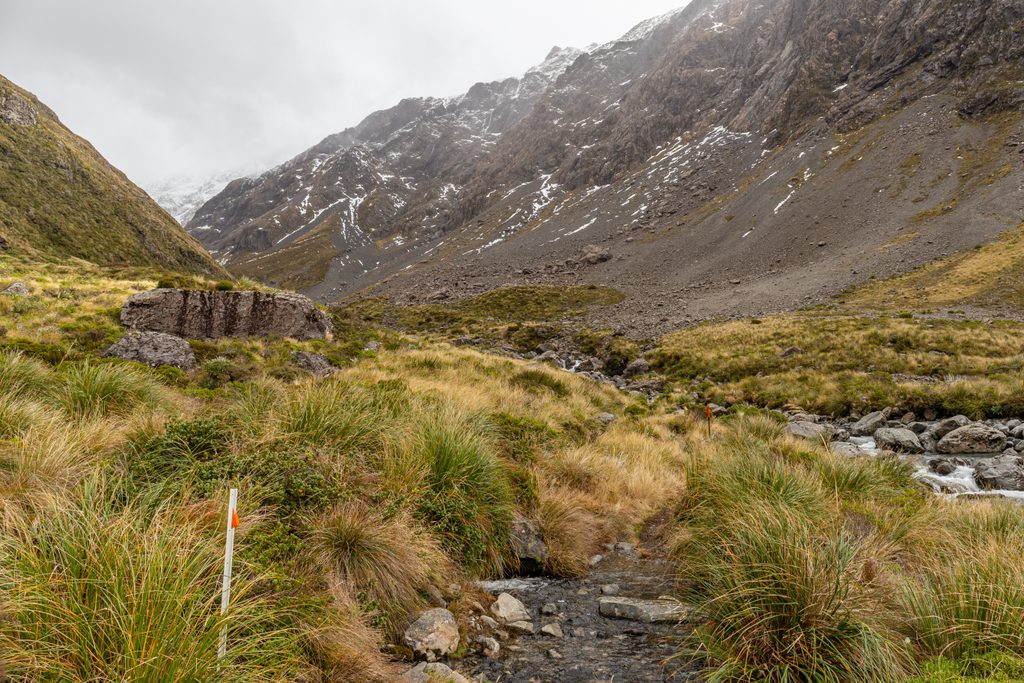
Not climbing? You still get superb looks at the mountain from the Temple Basin track or the Otira Valley Track to the footbridge. Beyond the footbridge is unmarked alpine country and only for experienced parties.
Place · 1.8 mi away
Place · 2.3 mi away
Place · 2.3 mi away
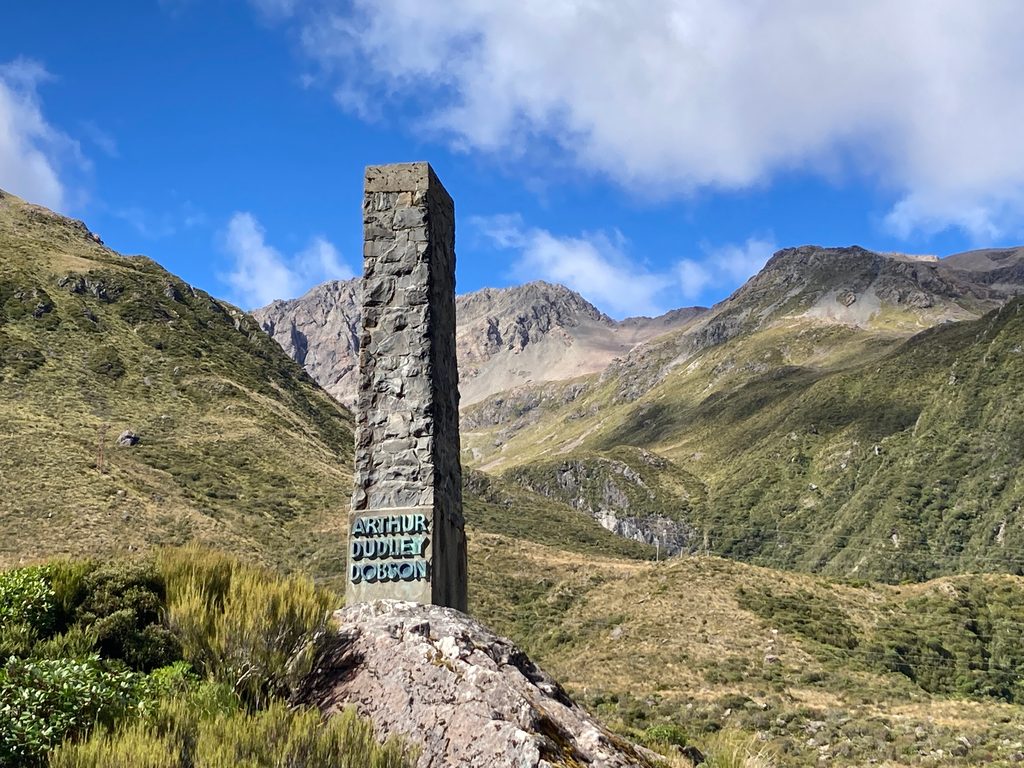
Place · 2.3 mi away
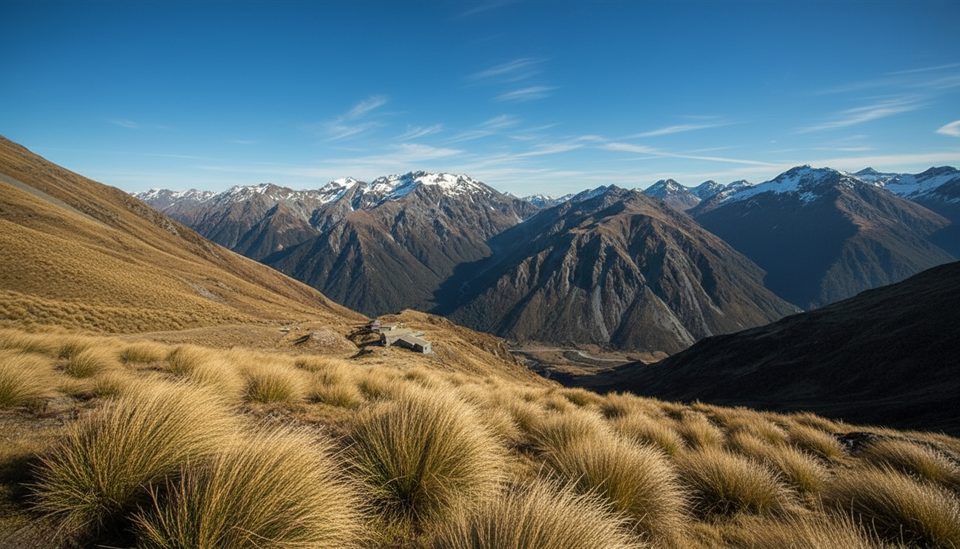
Moderate · 2.3 mi away
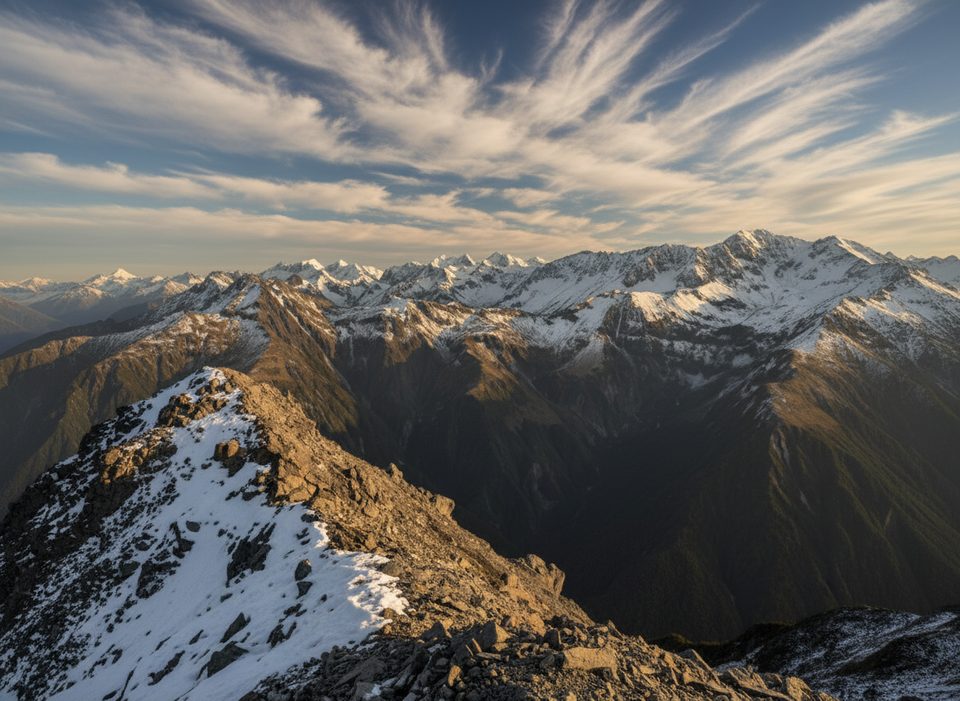
Challenging · 2.4 mi away
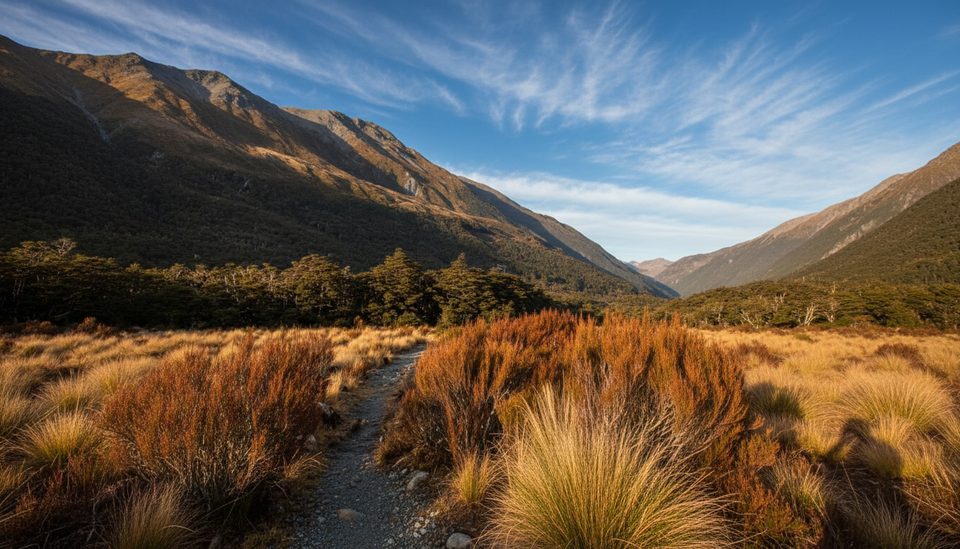
Easy · 2.4 mi away
Moderate · 2.5 mi away

Parkwolf Tour Guide
