
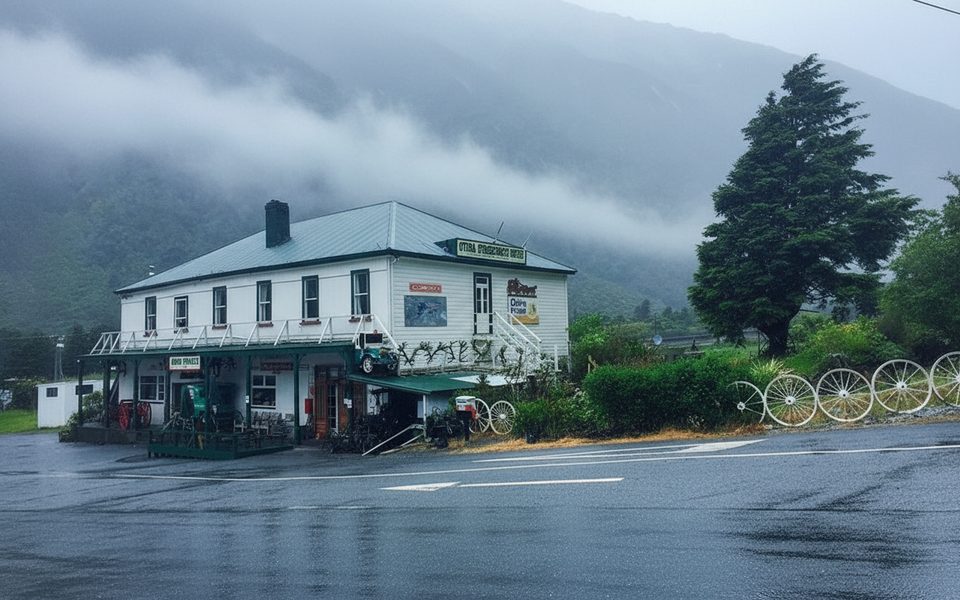
Place · 0.2 mi away
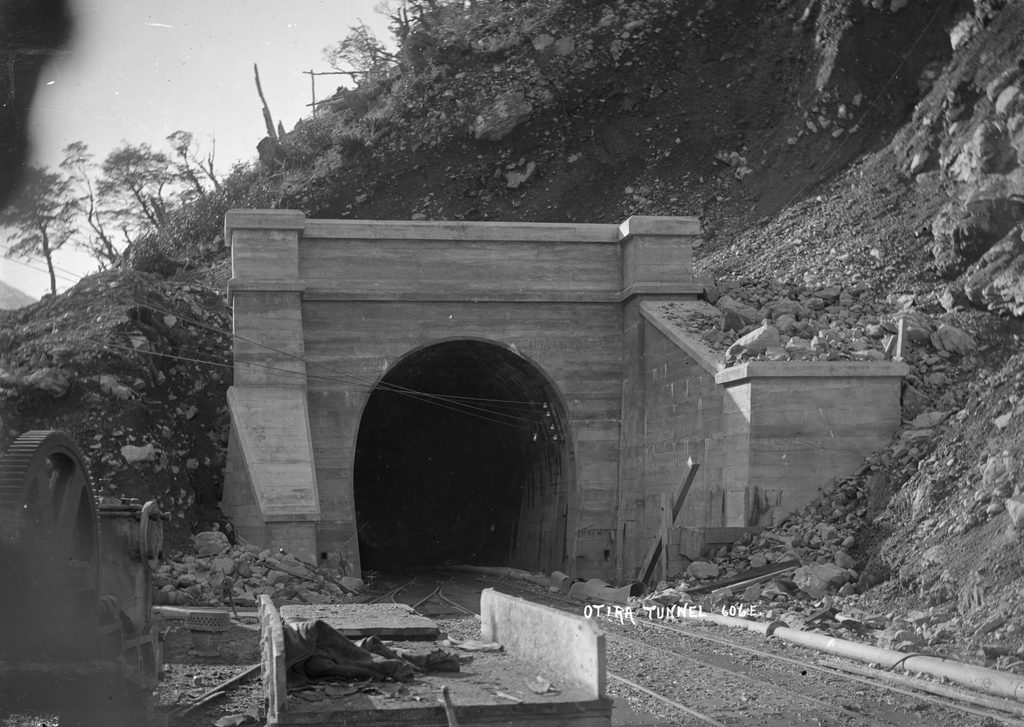
This is the backbone of the Midland Line: an 8.5 km single-bore railway tunnel running under the Southern Alps between Arthur’s Pass and Otira. It drops steadily at a 1 in 33 gradient toward the West Coast, with the Otira end more than 250 m lower than the Arthur’s Pass end. You can’t enter on foot or by car—this is active rail infrastructure—but you can see the portals from either side, or ride the TranzAlpine straight through it.
When it opened on August 4, 1923, the tunnel completed the rail link between Christchurch and Greymouth and ranked among the longest in the world at the time. It was originally electrified to deal with smoke from steam engines; that system was retired in 1997 in favor of modern diesel locomotives.
Because it’s long and steep, ventilation is serious business. After a train enters from the Otira side, a portal door closes and huge fans pull fumes out behind the train. The TranzAlpine’s open-air/observation cars are closed for the passage, so expect darkness and a brief, utilitarian interlude between spectacular alpine views.
Early planners floated a steep Abt rack railway over the pass, but Public Works engineer Peter Seton Hay’s 1903 plan for a long tunnel won out. Work began in 1907, battled rotten, wet rock and labor strife, broke through on July 20, 1918, and finally opened to traffic in 1923.
From the outside: industrial portals framed by wild alpine country—more about big engineering meeting big mountains than a classic scenic viewpoint. From the train: mostly the experience itself and the sense of scale; the tunnel ride is part of the narrative of crossing the Alps rather than a photo moment.
There’s no "open hours"—it’s an operating rail tunnel. The best experience is timing your day to ride the TranzAlpine so you catch daylight on both sides of the crossing. If you’re photographing the portals from road-accessible areas near Arthur’s Pass or Otira, go when skies are clear for sharper mountain contrast.
Place · 0.2 mi away
Place · 2.7 mi away
Place · 2.7 mi away
Place · 2.9 mi away
Challenging · 1.9 mi away
Moderate · 4.8 mi away
Challenging · 4.8 mi away
Moderate · 5.8 mi away

Parkwolf Tour Guide
