Burstall Pass

Golden larch views and big-mountain vistas at a border pass
Burstall Pass, Banff National Park
InsideBanff National Park

Overview

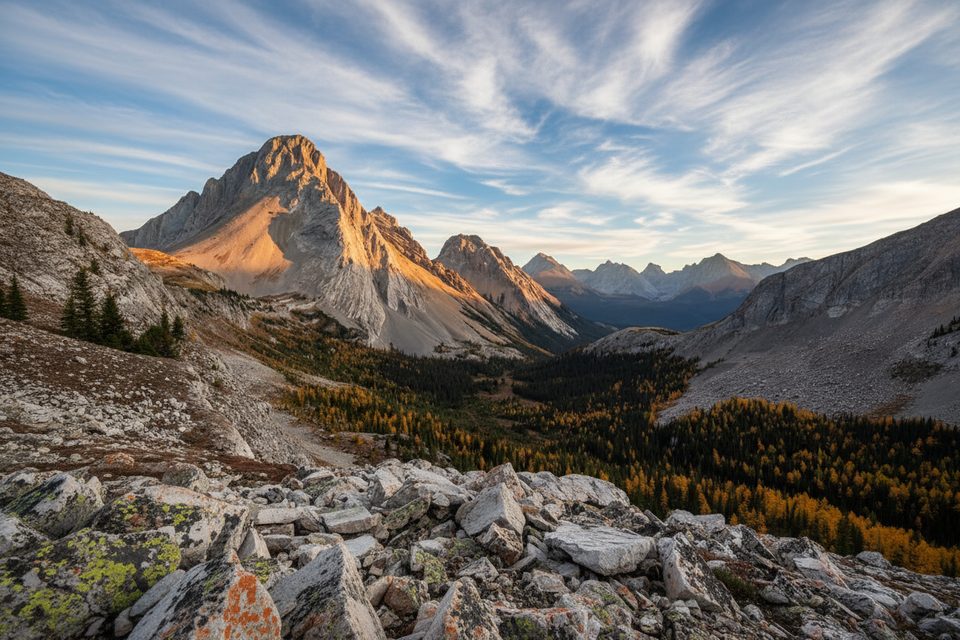
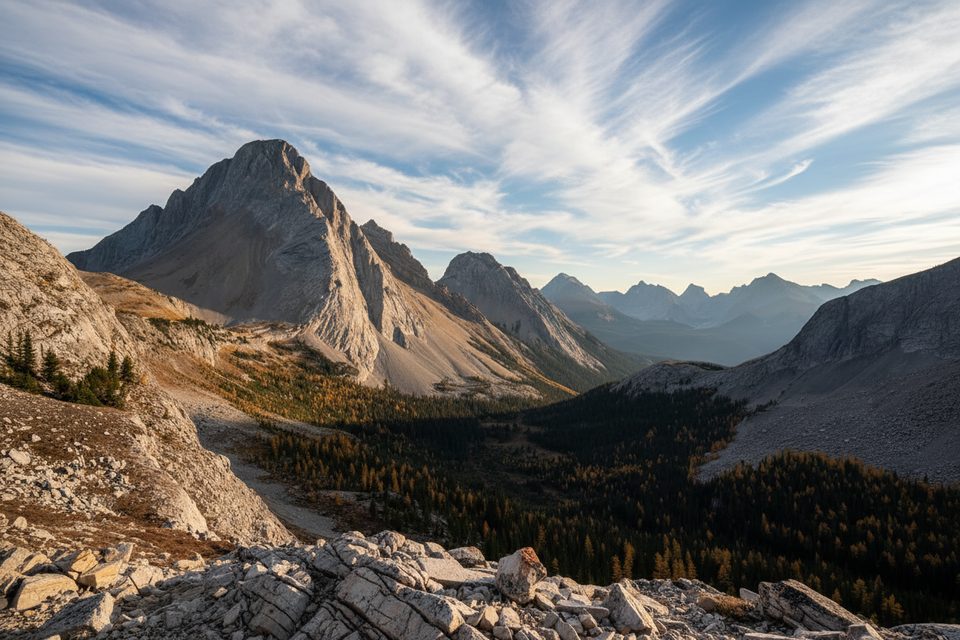
Burstall Pass straddles the boundary between Kananaskis and Banff, delivering a classic high-alpine payoff without the wall-to-wall crowds of Banff’s marquee trails. The standard out-and-back runs roughly 16–16.4 km with about 675 m of gain, usually 4–7 hours depending on conditions and stops. You’ll start from the day-use/parking area on the Smith-Dorrien/Spray Lakes Road, cross flats fed by the Robertson Glacier, and climb through larch and wildflower meadows to big, layered views from the pass. A sign marks where you enter Banff—keep walking a few minutes for even broader vistas.

What you’ll see

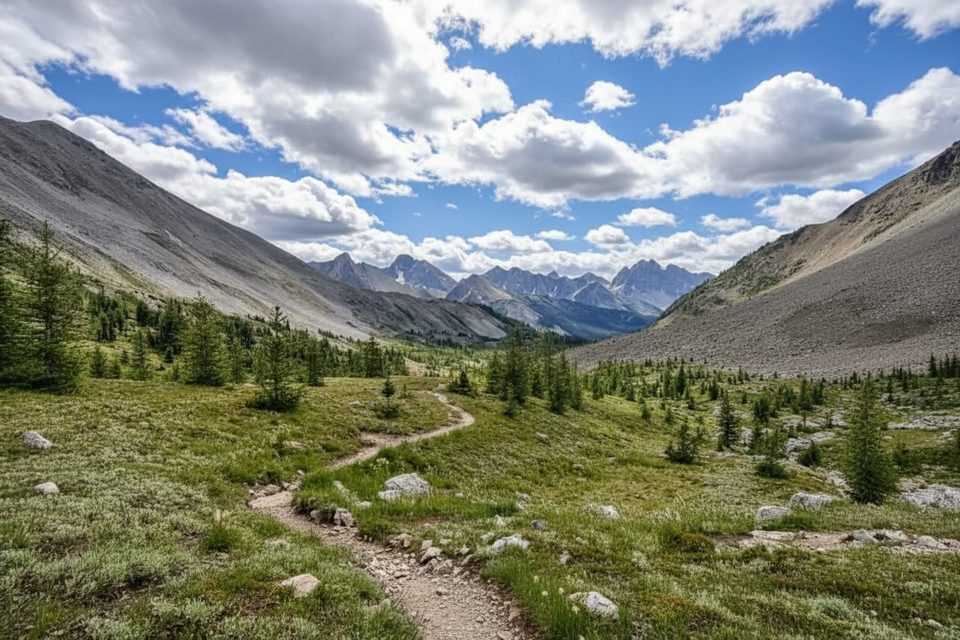
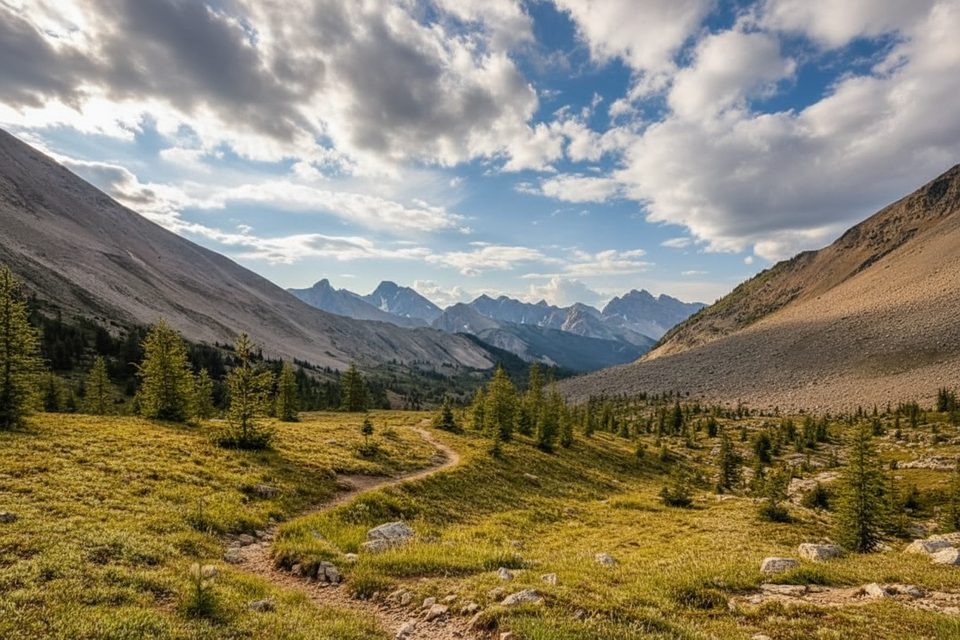
The approach rolls along Mud Lake and forested old road before opening into a broad, braided alluvial fan—shallow creeks, silty channels, and a wild delta feel. Above, larch forests glow gold in fall and meadows pop with early-summer color. From the pass you can scope out surrounding peaks (think Mt. Chester and Mt. Galatea) and long views down the Spray River side.

Route notes and difficulty

  • The first kilometres are flat and bike-legal; many riders lock up at the end of the old road to shorten the day.
  • The alluvial flats are the crux for both route-finding and dry feet. Look for markers/cairns and be ready to thread shallow channels; waterproof boots or hiking sandals pay off.
  • Past the flats, a steady climb through larch and open alpine leads to the rocky pass. Continue briefly into Banff for the best panoramas.

Wildlife

Birding is solid in the forested sections, and black bears have been seen near the woods. Carry bear spray and know how to use it.

Geology vibes

You’re walking through textbook Rockies: glacially-built flats from the Robertson Glacier’s outwash below, and limestone walls and karst features up high. Expect sharp, fractured rock near the crest.

Seasons and crowd pattern

This is a four-season favorite—hikers and backpackers in the snow-free months, cross‑country skiers in winter. Expect some company, but it’s calmer than the busiest Banff trails. Fall is the headliner for golden larches; early summer trades color for lush meadows and livelier creek crossings.

Best time to visit

  • Clear fall days for peak larch color and long views from the pass.
  • Summer mornings for cooler temps, easier travel across the flats, and softer light.
  • Weekdays are generally quieter than weekends.

Practicalities

  • Parking for the trailhead requires a Kananaskis Conservation Pass (vehicle-based).
  • There are no services along the trail; bring all water and food you need.
  • Backpackers: a connecting path leads toward Lake Leman where there’s a backcountry campground (book in advance).
  • In winter, this is popular for cross-country travel; avalanche conditions can exist—plan accordingly.

Pros

  • Golden larch displays and blooming alpine meadows
  • Wide-open pass views with the option to step into Banff

Cons

  • Multiple stream and marsh crossings—expect wet, muddy feet
  • Route-finding across the alluvial flats can be confusing

Tips

  • Bring waterproof footwear or sandals for the alluvial fan crossings.
  • Bike the initial flat kilometres and lock up at the designated spot to save time.
  • Carry bear spray; black bears are occasionally seen near the forest edge.
  • Parking at the trailhead requires a Kananaskis Conservation Pass.
  • Go on a clear fall day for peak larch color and broader views.
The Parkwolf tour guide sitting on a phone mounted in a car

Parkwolf Tour Guide

Like a tour guide in your car.

Save the places you found around Banff, then let Parkwolf guide the drive between them.Download Parkwolf on the App Store