
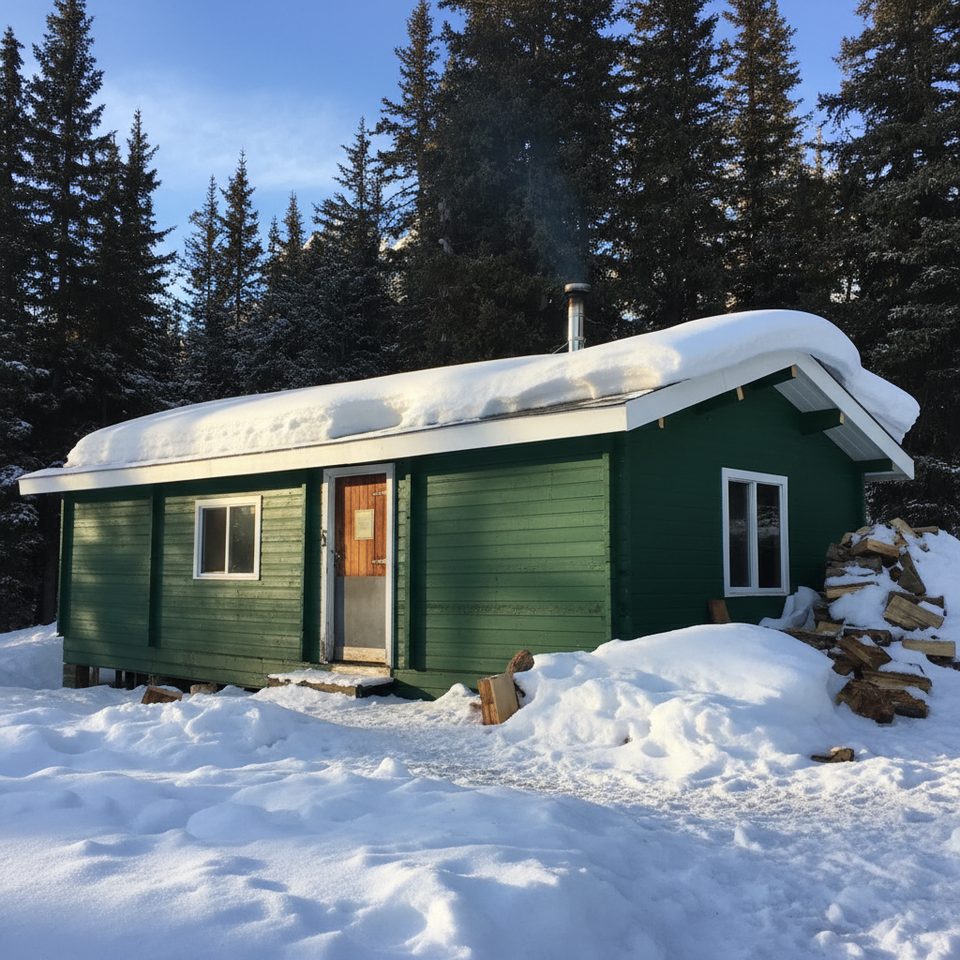
Place · 1.4 mi away
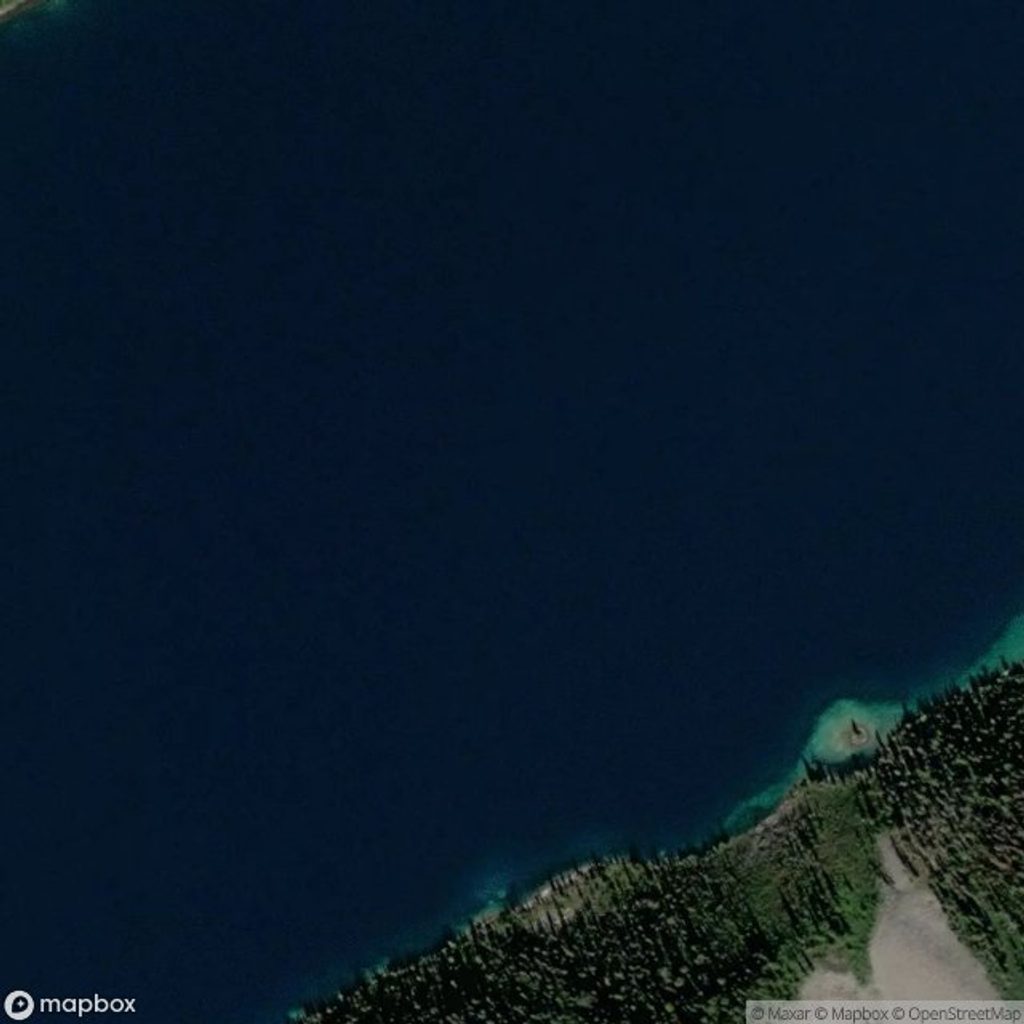
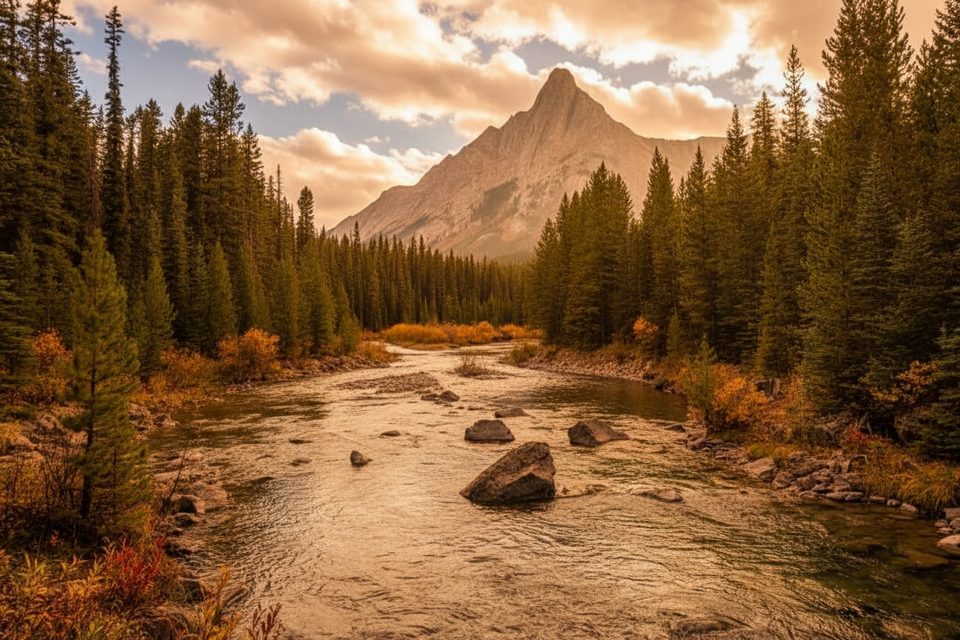
Marvel Lake is a long, glacier-fed backcountry lake tucked beneath rugged peaks near Wonder Pass. It’s the quiet, big-views reward on the classic corridor linking Banff with Mount Assiniboine—think glassy blue water, steep forested slopes, and a skyline of serrated summits.
This isn’t a drive-up postcard stop; it’s a true wilderness lake with far fewer people than Banff’s frontcountry. The shoreline and nearby overlooks (including a popular Lake Gloria viewpoint) make it a linger-worthy place for photography and unhurried breaks on multi-day trips.
There’s no road access. Most hikers start from the Mount Shark trailhead and reach the lake via the Bryant Creek/Marvel Lake trail network, often tying it into Wonder Pass. Doing it as a day is possible but described as a very long effort (around 18.6 miles); many stay at Marvel Lake Campground (BR13) or at Bryant Creek Shelter. Expect meaningful climbing—routes can rack up around 3,500 ft of gain depending on your itinerary.
Open meadows and alpine lakes here are good for spotting ungulates, with frequent small-mammal and bird-of-prey sightings along the corridor. The lake and outlet are critical habitat for threatened Westslope Cutthroat Trout—part of why water-based recreation is tightly controlled.
All water activities (fishing, swimming, boating, etc.) are currently prohibited due to whirling disease detections in the watershed. Treat this as a pack-it-in, pack-it-out zone and practice strict Leave No Trace. Bear safety and proper food storage are essential.
Marvel Lake Campground (BR13) sits by the lake and requires advance reservations that open in late January. Facilities are primitive; plan to filter or treat natural water sources and carry everything you need. Navigation is straightforward on main trails, but signage can be sparse around Marvel Pass—carry offline maps and a paper topo.
July through September offers the best trail conditions, lingering snow is common early season. For lighter crowds and calm water for photos, aim for early morning or late evening. Weekdays are typically quieter than weekends.
Place · 1.4 mi away
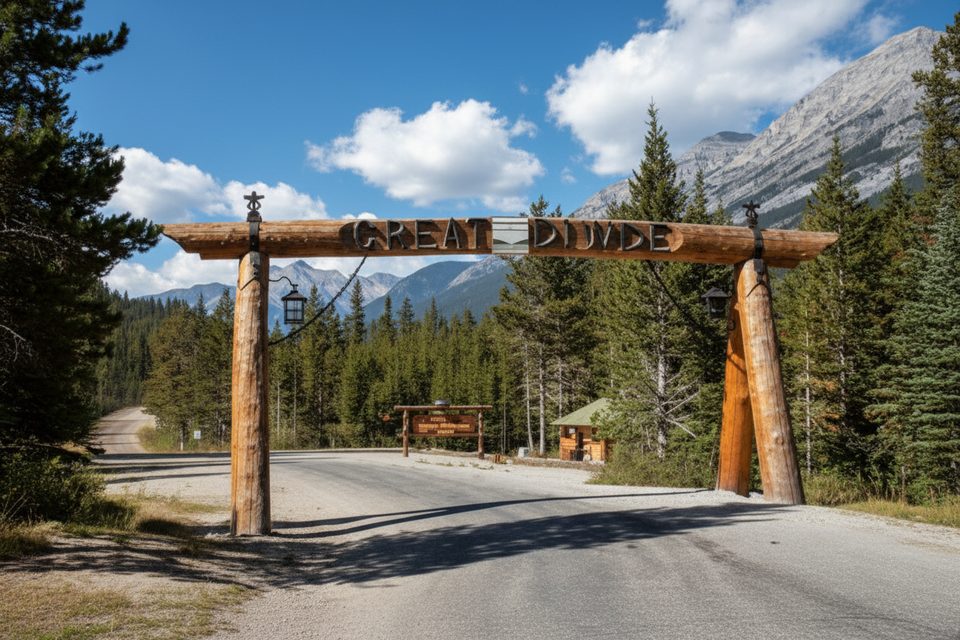
Place · 1.9 mi away
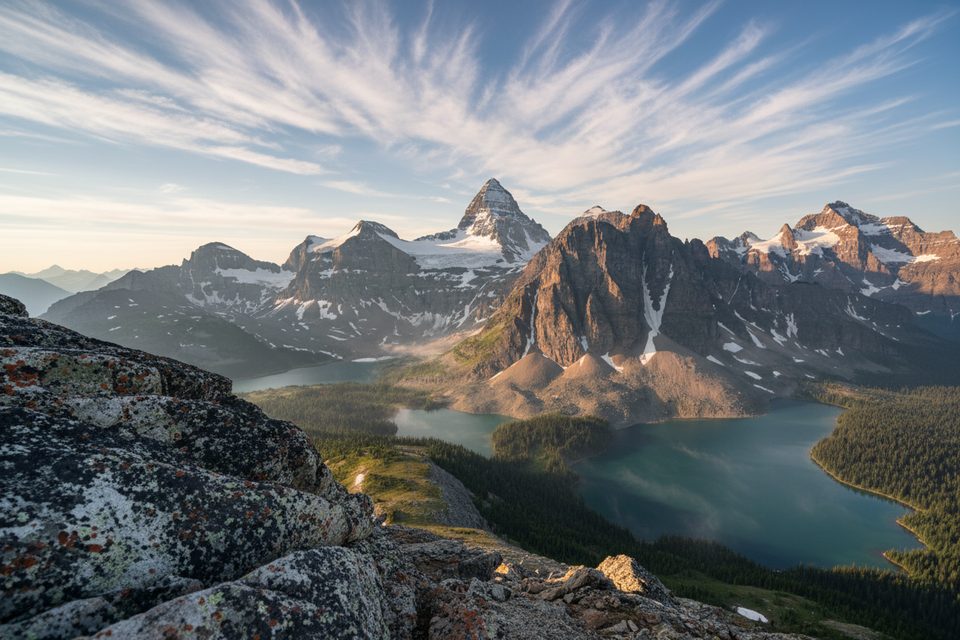
Place · 2.7 mi away
Place · 4.1 mi away
Challenging · 7.9 mi away
Challenging · 7.9 mi away
Challenging · 7.9 mi away
Moderate · 7.9 mi away

Parkwolf Tour Guide
