
Place · 5.8 mi away
Challenging
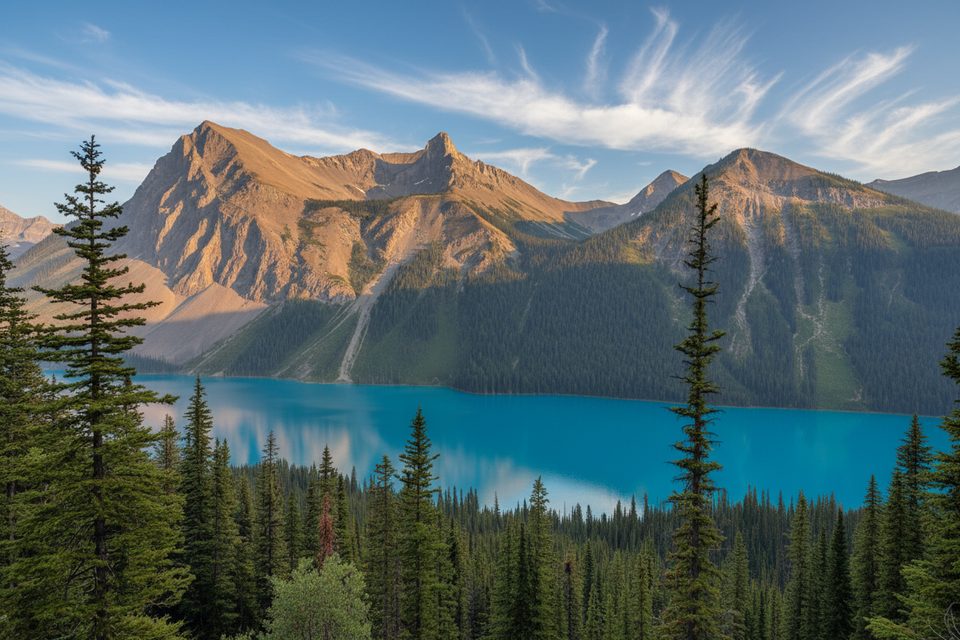
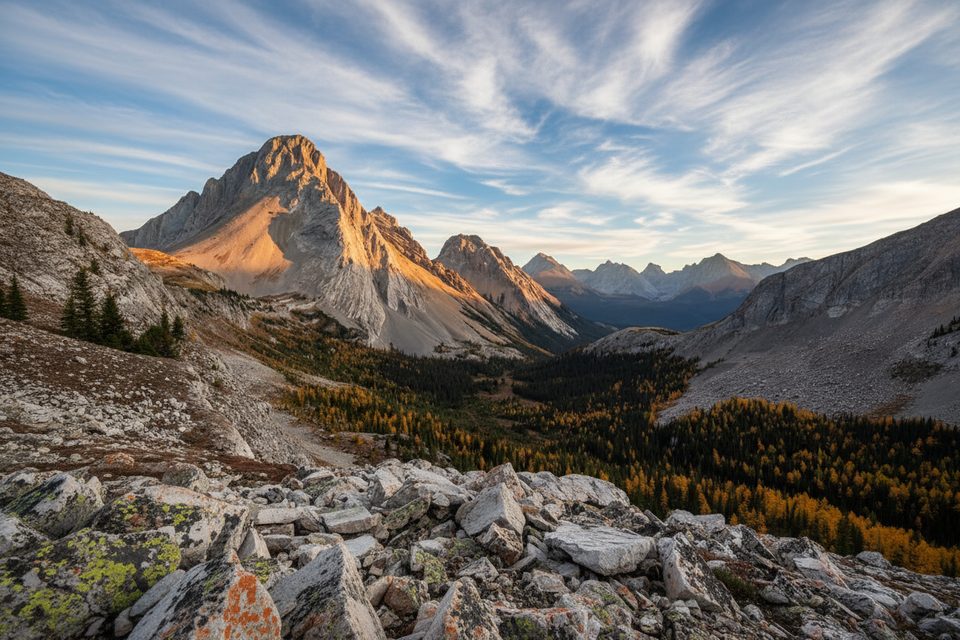
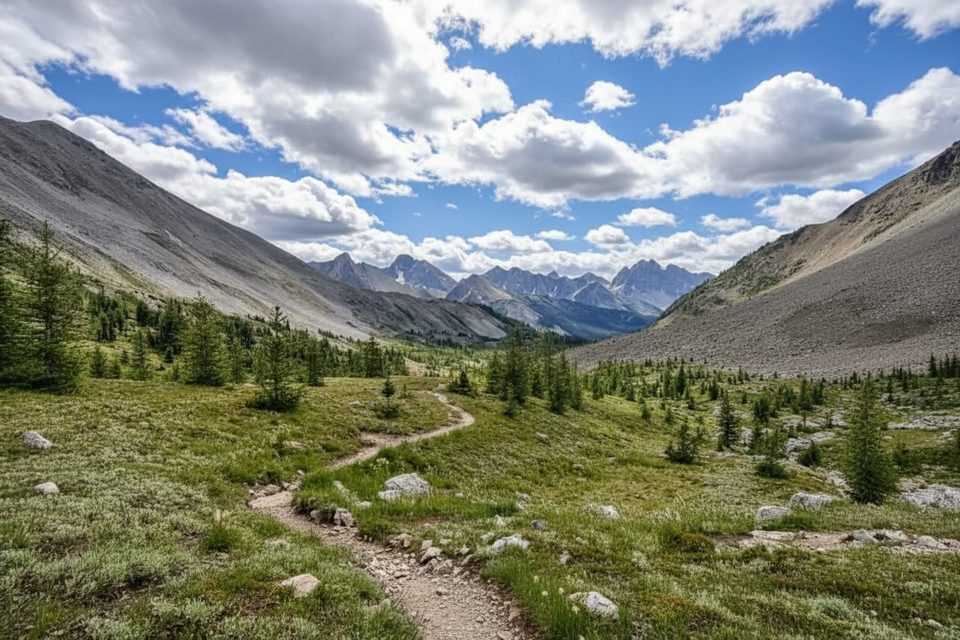
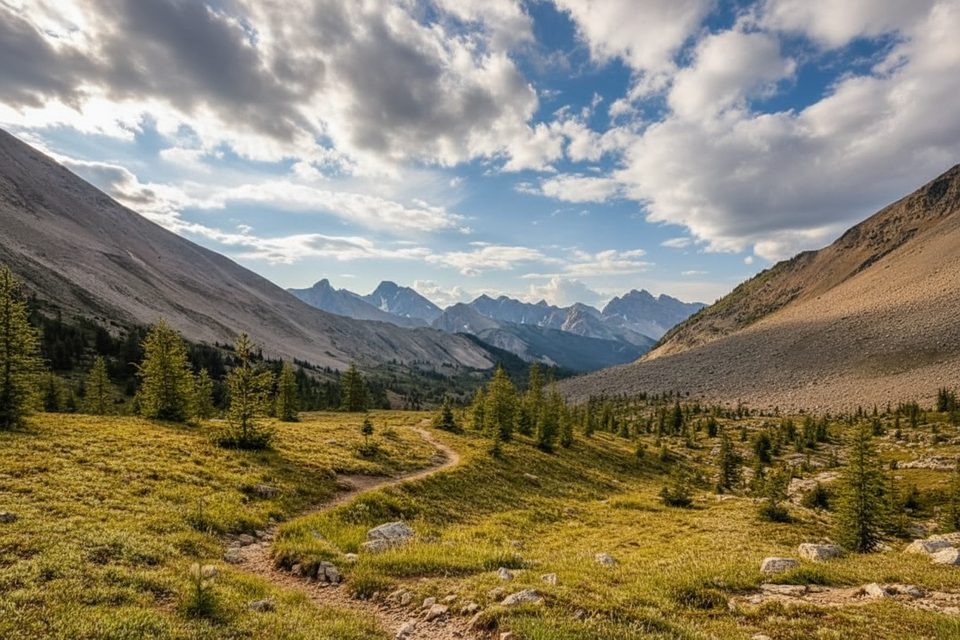
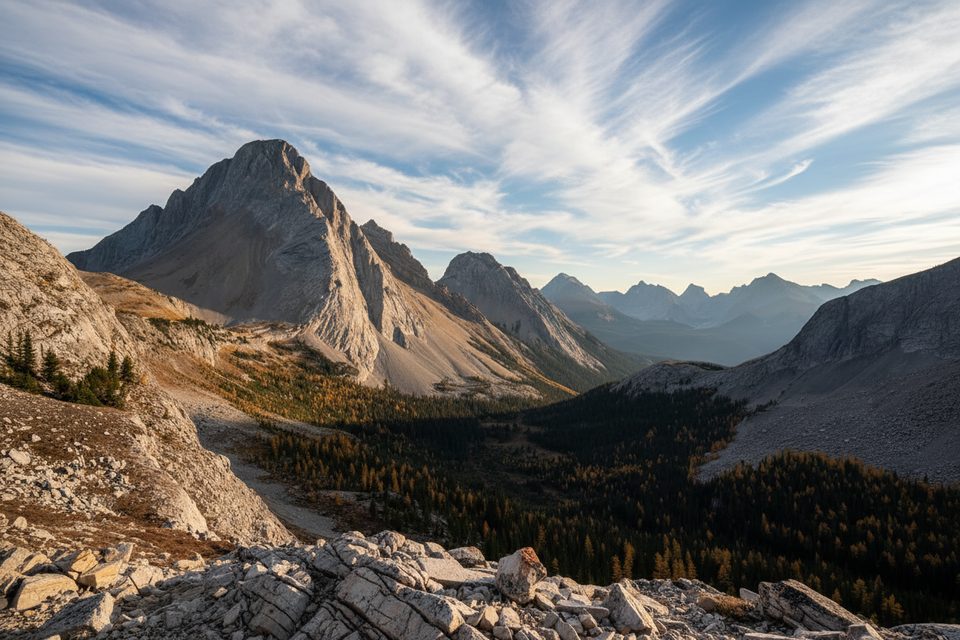
Marvel Pass is a remote, high-country trip on the Alberta–BC divide, delivering big-mountain views, wildflower meadows, and jewel-toned alpine lakes like Aurora Lake just below the pass. This is classic Assiniboine country without the crowds—spectacular in summer and downright magical when the larches go gold in mid-September. It’s also committing: the trail can be faint or overgrown in spots, signage is minimal, and grizzlies frequent the area. Not a beginner outing.
Most hikers reach the area from the Mount Shark trailhead, following the Bryant Creek approach before turning toward the Marvel Lake/Marvel Pass basin. Expect a well-traveled, multi-use start (shared with horses and a short bike-legal stretch) that transitions to quieter singletrack as you climb into alpine terrain. A common outing to Marvel Pass and Aurora Lake is about 9 miles round-trip with roughly 2,500 feet of gain; mileage expands fast if you tack on side trips. From the pass, it’s about 3.9 miles farther to Marvel Lake, and ambitious traverses linking Wonder Pass are possible. Multi-day backpacks in this zone can exceed 30 miles total.
The climb threads dense forest and open meadows to a grand, windswept pass framed by peaks like Marvel Peak and Mount Gloria. Summer brings rich wildflower displays; fall brings golden larches and crisp air. The tread can be rugged and occasionally faint—have your navigation sorted. Once you leave the busy approach, solitude is the norm.
Late July through mid-September is the sweet spot: snow lingers into early summer, and winter often returns by late September. Aim for July–August for wildflowers and mid-September for peak larch color. Weather turns quickly at the pass—pack layers and rain protection.
There are no designated campsites at the pass itself. Nearby options include Marvel Lake (BR13), McBride’s Campground, and Lake Magog (across the border). Backcountry permits are required for camping in Banff National Park, and jurisdiction changes as you cross into BC—plan permits accordingly. Access to Mount Shark is via a gravel forest road; check current conditions.
Carry detailed maps and GPS—signage is sparse, and the route can be hard to follow if snow lingers. Travel in bear country etiquette applies: make noise, carry bear spray, and store food properly. Expect exposure to wind and sudden weather at the pass.
Who will love it: experienced hikers and photographers chasing big alpine scenery and fall color without the crowds. If you prefer a simpler day with similar views, consider sticking to established routes around Wonder Pass instead of pushing deeper into the Marvel basin.
Park at Mount Shark Parking off Spray Lakes/Smith-Dorrien Road (gravel). From the lot, follow the Bryant Creek approach toward the Marvel Lake/Marvel Pass junction. Check road conditions before you go.
Remote, rugged backcountry with minimal signage; grizzly country—carry bear spray. Weather shifts fast at the pass. Early approach is shared with horses and limited bikes. No designated camping at the pass and permits vary by jurisdiction.
Place · 5.8 mi away
Place · 7 mi away
Place · 7.9 mi away
Place · 9.7 mi away
Challenging · 0 mi away
Challenging · 0 mi away
Moderate · 0 mi away
Moderate · 5.8 mi away

Parkwolf Tour Guide
